If you’ve been searching for a way to deep-clean your home without filling a cabinet with chemical sprays, steam cleaning may be the answer you’re looking for. A quality steam cleaner for home use harnesses nothing but water — heated to high temperatures — to lift grime, kill bacteria, and refresh surfaces from the kitchen to the bedroom. Whether you’re a first-timer or upgrading your routine, this guide walks you through every room with honest time estimates, realistic costs, and the safety notes that most guides skip. For more ideas like this, browse our home articles covering everything from organization to deep cleaning.
What Is Steam Cleaning and How Does It Work?
Steam cleaners heat water above 200°F (93°C), producing pressurized steam that penetrates surfaces to loosen dirt and kill pathogens — all without chemical detergents.
A steam cleaner works by superheating water in a sealed boiler until it becomes pressurized steam. That steam is then directed through a nozzle or mop head onto surfaces, where the heat and moisture do the heavy lifting. The high temperature is what makes it effective: most bacteria, dust mites, and mold spores cannot survive sustained exposure to heat above 170°F.
According to The Family Handyman, steam cleaners can kill 99.99% of bacteria, molds, and viruses on contact while also eliminating dust mites and common household allergens — making them one of the more thorough chemical-free cleaning options available.
There are a few types of steam cleaners worth knowing about before you buy. Handheld units are compact and affordable (typically $30–$80), good for spot work. Cylinder or canister steam cleaners are the most powerful and versatile ($100–$400+). Steam mops are floor-focused and the easiest to use daily ($50–$250). Combination steam cleaners do everything but cost more. Understanding what you need by room will help you choose wisely.
Steam Cleaning Benefits: Is It Really Worth It?
Steam cleaning sanitizes surfaces, reduces allergens, and eliminates many common pathogens without chemical residue — and research suggests it may cost significantly less than chemical disinfection over time.
According to a peer-reviewed study published in PMC (NIH/PubMed), steam technology was found to be equally effective as chemical hypochlorite disinfection for controlling multidrug-resistant organisms, while costing 76–91% less than chemical alternatives — a meaningful finding for households looking to reduce both spending and chemical exposure.
Beyond cost, steam cleaning benefits include reduced plastic waste from disposable wipes and spray bottles, lower risk of chemical irritation for people with asthma or sensitivities, and the ability to clean and sanitize in one step. That said, steam is not a universal solution — it works best as part of a broader cleaning routine and is not a substitute for all disinfecting tasks.
What You’ll Need Before You Start
Before steam cleaning, gather your equipment, check surface compatibility, and allow time for the steamer to heat up and surfaces to dry afterward.
You’ll want distilled or filtered water (tap water can cause mineral buildup in the boiler), microfiber cloths or pads for your attachments, and a vacuum to pre-clear loose debris. Always test steam on a small hidden area first, especially on painted surfaces, wood floors, or delicate fabrics. Heat and moisture can warp, stain, or lift finishes on incompatible materials.
Surfaces to avoid steaming include unsealed hardwood floors, waxed surfaces, cold windows (thermal shock can crack glass), painted walls, and anything with a heat-sensitive finish. When in doubt, check the manufacturer’s care instructions for your flooring or appliances.
Steam Cleaner Types: Cost, Best Use & Difficulty
| Type | Average Cost | Best For | Difficulty | Heat-Up Time |
|---|---|---|---|---|
| Handheld Steam Cleaner | $30–$80 | Spot cleaning, grout, tile, appliances | Easy | ~30 seconds |
| Steam Mop | $50–$250 | Sealed hard floors, tiles | Easy | ~20–30 seconds |
| Cylinder/Canister Steam Cleaner | $100–$400+ | Whole-home use, upholstery, grout | Moderate | 5–10 minutes |
| Steam Cleaner + Vacuum Combo | $150–$500+ | Carpets, hard floors, pet homes | Moderate | 5–8 minutes |
| Commercial/Industrial Steam Cleaner | $400–$1,500+ | Large surfaces, heavy-duty sanitizing | Advanced | 10–15 minutes |
Room-by-Room: How to Steam Clean Your Home
Each room in your home has different surfaces and cleaning priorities — a targeted room-by-room approach ensures better results and prevents damage from using steam where it isn’t appropriate.
Kitchen: Grease, Grime, and Germs
Estimated time: 30–45 minutes | Difficulty: Easy to Moderate
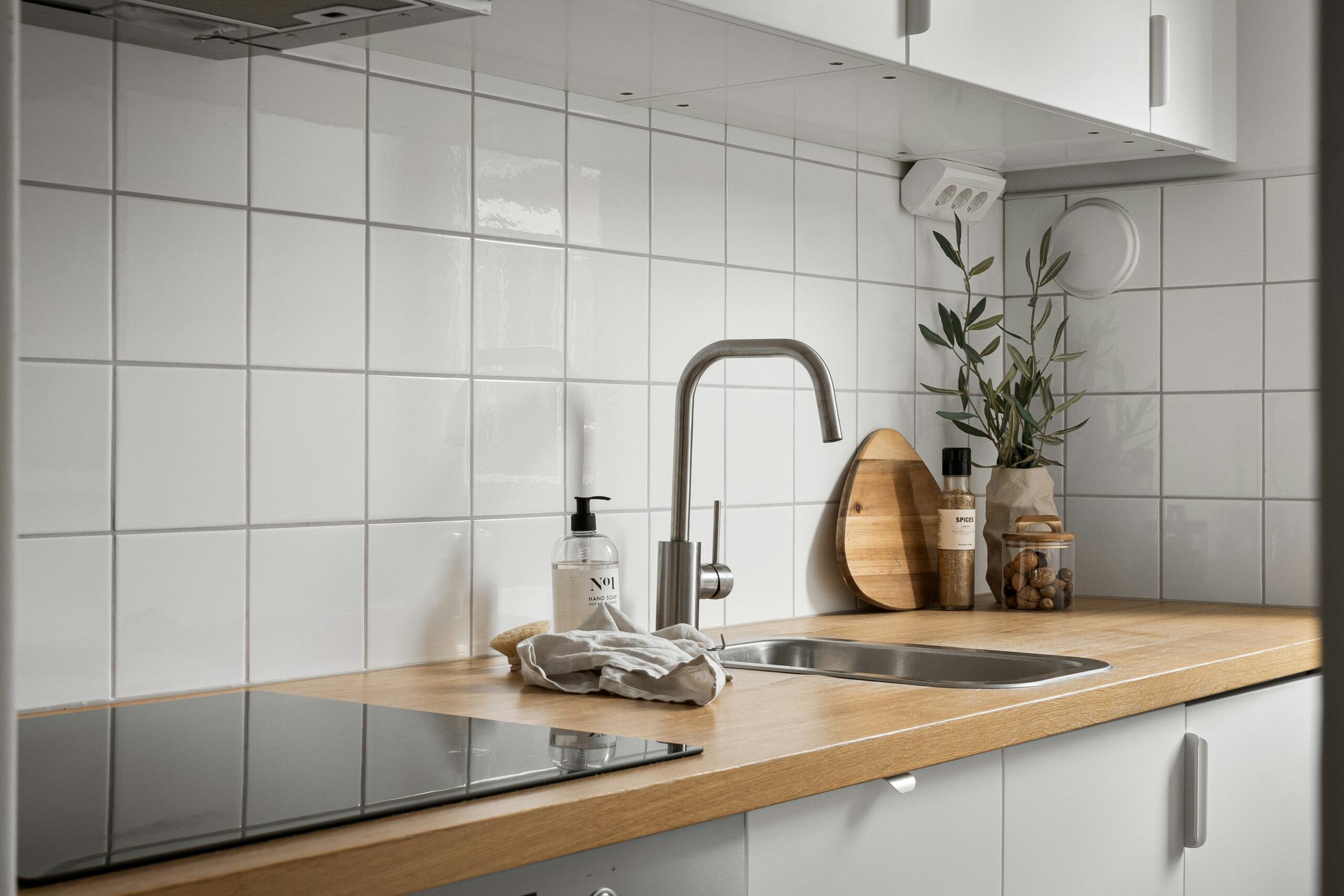
The kitchen is where a steam cleaner earns its keep. Start with the stovetop and burner grates — steam cuts through baked-on grease without the need for harsh degreasers. Work your way to the backsplash tiles, paying extra attention to grout lines where bacteria tend to accumulate. The interior of the microwave responds well to steam; run the steamer inside for 30–60 seconds, then wipe clean. For sealed tile or linoleum floors, a steam mop works well here. Avoid steaming laminate floors or wood cabinets without confirming they’re heat-sealed.
Bathroom: The High-Impact Zone
Estimated time: 20–35 minutes | Difficulty: Easy
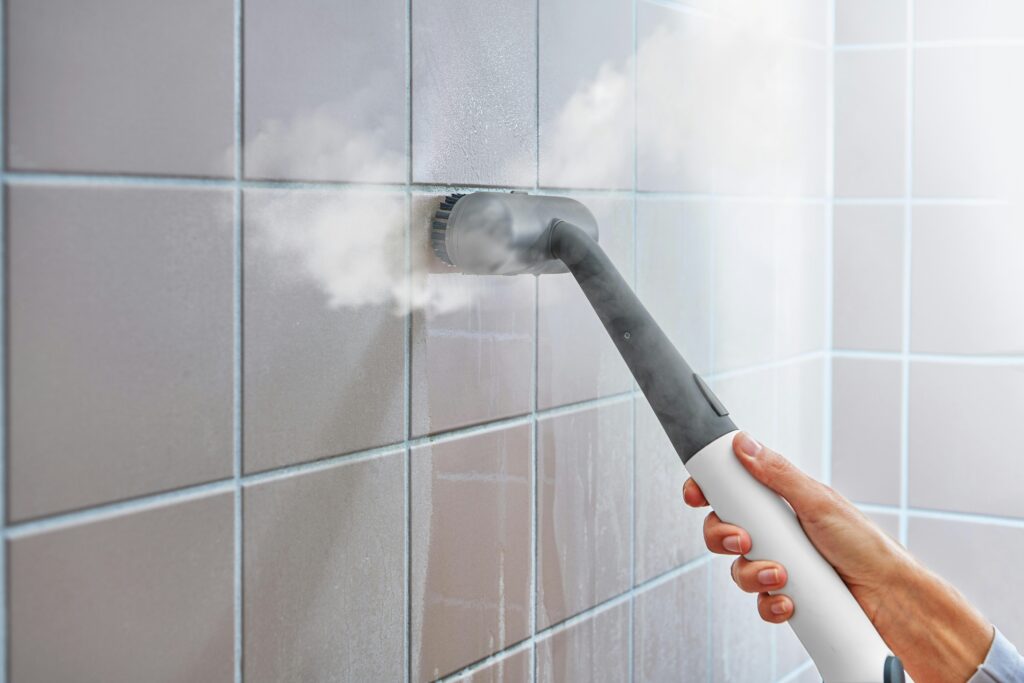
Bathrooms are arguably where steam cleaning shines brightest. Grout lines, toilet bases, shower walls, and faucet fixtures all respond well to steam. Use a detailed nozzle attachment for tight corners and around the toilet. Steam cleans soap scum from glass shower doors without scratching. According to Angi, steam cleaning has shown effectiveness against viruses, mold, E. coli, and Salmonella on bathroom surfaces — which makes it a strong option for households with young children or anyone immunocompromised. Always ventilate the bathroom during and after steaming to prevent excess moisture buildup.
Living Room and Common Areas
Estimated time: 25–40 minutes | Difficulty: Easy to Moderate
Steam cleaning is particularly useful here for upholstery, sealed tile, and rugs. Use a fabric attachment on sofas and cushions to refresh fibers and reduce dust mites — a benefit for allergy sufferers. For carpets, a steam cleaner with a carpet glider can help, though it won’t replace a deep carpet extractor for heavily soiled rugs. Vacuum thoroughly before steaming any fabric surface. Check that your steam mop is rated for your specific flooring before running it across hardwood or engineered wood, as moisture damage can be costly.
Bedrooms: Mattresses and More
Estimated time: 20–30 minutes | Difficulty: Easy
Mattresses are a surprisingly effective target for steam cleaning. Strip the bed, vacuum the mattress, then run a handheld steamer slowly across the surface to reduce dust mites, pet dander, and odors. Allow the mattress to dry fully — ideally with a window open or fan running — before replacing bedding. This is also a good time to steam clean bedroom window sills, baseboards, and upholstered headboards. Learn more techniques in our cleaning tips and guides, where you’ll find expert guides on allergy-proofing your bedroom and beyond.
When Should You Hire a Professional Instead?
For large-scale mold remediation, heavily soiled carpets, or situations involving structural water damage, professional steam cleaning services are generally the safer and more effective choice.
DIY steam cleaning is practical for routine maintenance, but there are clear situations where professional help makes more sense. If you’re dealing with widespread mold (especially in walls or HVAC systems), significant pet odor embedded in subflooring, or post-flood cleanup, a professional cleaner with commercial-grade equipment will deliver better results and reduce the risk of inadvertently spreading contamination. Professional steam cleaning services for a full home typically range from $150 to $500+, depending on square footage and scope.
Alternative Perspectives
Not everyone in the cleaning industry agrees that steam cleaning alone is sufficient for all sanitizing needs. Some professional cleaners argue that certain pathogens require EPA-registered disinfectants to meet regulatory standards, particularly in homes with immunocompromised individuals. Others point out that steam cleaners require a significant upfront investment and longer cleaning times compared to traditional spray-and-wipe methods. For everyday households, steam cleaning may offer a practical chemical-free alternative — but those with specific medical or sanitation needs may benefit from consulting a professional cleaning service that uses both approaches. See This Old House’s expert overview of steam cleaning pros and cons for a balanced look at the method’s limits.
Frequently Asked Questions
Steam cleaning is chemical-free by nature, but it’s not safe for all surfaces. Unsealed hardwood, waxed floors, cold glass, painted walls, and heat-sensitive materials can be damaged by steam. Always check your surface type and the manufacturer’s guidance before steaming. On compatible surfaces, steam alone is effective for sanitizing and cleaning without any additives.
The best steam mop for 2026 depends on your floor type, budget, and how much storage space you have. Look for models with adjustable steam settings (low for wood, high for tile), a fast heat-up time under 30 seconds, and washable microfiber pads. Consumer review outlets and updated guides from sources like Family Handyman regularly test and rank current models with verified performance data.
Most experts suggest steam cleaning high-traffic areas like kitchens and bathrooms every two to four weeks, and lower-traffic spaces like bedrooms monthly. Mattresses and upholstery can typically be steamed every one to three months. Frequency may increase if you have pets, allergies, or young children at home.
Steam cleaning is generally considered safer than chemical cleaning around children and pets, since it uses no detergents or synthetic fragrances. However, the steam itself is extremely hot and can cause burns — always keep children and pets out of the room while steaming, and allow surfaces to cool and dry before allowing re-entry. The absence of chemical residue makes it a popular choice for nurseries and pet sleeping areas.
Disclaimer: The techniques and temperature guidelines provided in this article are for informational purposes only. High-temperature steam can warp, discolor, or damage incompatible materials such as unsealed hardwood, laminate flooring, cold glass, and delicate fabrics. Always consult your flooring or appliance manufacturer’s care instructions before applying steam, and spot-test a hidden area first. WideJournal is not responsible for any property damage or injuries resulting from the misuse of household steam cleaning equipment.