








If you’ve spent any time on wellness-focused corners of social media lately, you’ve probably stumbled across the term fibermaxxing — the practice of intentionally maximizing your daily fiber intake through whole, plant-rich foods. Unlike many fleeting food trends, this one is grounded in decades of nutritional research. Most Americans fall well short of recommended fiber targets, and the gap between what we eat and what our gut microbiome actually needs is significant. Whether you’re exploring our Food articles for the first time or diving deeper into a gut-friendly foods guide, understanding how to thoughtfully increase your fiber intake is one of the most practical shifts you can make to your everyday diet.
What Is Fibermaxxing?
Fibermaxxing is the practice of deliberately prioritizing high-fiber foods at every meal to approach or meet optimal daily fiber intake, with the goal of supporting gut health and overall digestive wellness.
The term blends the internet-native “maxxing” format — popularized by concepts like “sleepmaxxing” or “proteinmaxxing” — with one of nutrition’s most consistently supported dietary priorities. At its core, fibermaxxing simply means being strategic about fiber: knowing which foods deliver the most, understanding the difference between fiber types, and building meals where fiber isn’t an afterthought. EatingWell reports a 9,500% surge in fiber-related article page views, signaling that everyday eaters are paying attention in a way they haven’t before.
Why Has Fiber Intake Become Such a Focus?
The short answer: most people aren’t getting nearly enough. The Mayo Clinic recommends that women aim for 21–25 grams of fiber per day and men aim for 30–38 grams, depending on age — yet average American intake hovers closer to 15 grams daily. That’s a substantial deficit, and fibermaxxing is, in many ways, a cultural correction.
Fibermaxxing vs. Proteinmaxxing: Why the Focus is Shifting in 2026
For years, the wellness world has been single-mindedly obsessed with one macronutrient: protein. From high-protein fitness bowls to synthetic protein bars packed with sugar alcohols, consumers have been conditioned to “proteinmaxx” every meal in the pursuit of muscle growth and satiety. However, nutritional science in 2026 is driving a major cultural shift. While protein builds tissue, an over-reliance on highly processed protein supplements at the expense of complex carbohydrates leaves the gut microbiome starved.
They don’t strictly compete on the plate—in fact, they work best together—but they compete for consumer attention. Nutritionists are shifting the focus from over-engineering protein intake to nurturing the microbial ecosystem. High-protein, low-fiber diets can alter gut transit time and reduce the production of critical short-chain fatty acids (SCFAs). By pivoting from “proteinmaxxing” to “fibermaxxing,” you aren’t abandoning your muscles; you are simply acknowledging that long-term metabolic health and a robust immune system start with feeding your gut bacteria first.
Daily Fiber Intake Benefits: What Does the Research Say?
Adequate daily fiber intake is associated with improved gut microbiome diversity, more regular digestion, and reduced risk of certain chronic conditions, though individual results vary and evidence continues to evolve.
Dietary fiber feeds the beneficial bacteria living in your large intestine, producing short-chain fatty acids that may support the gut lining and regulate inflammation. According to Healthline’s evidence-based overview, a fiber-rich diet is associated with lower risk of heart disease, type 2 diabetes, and colorectal cancer, though it’s important to understand these are population-level associations rather than guaranteed individual outcomes.
A 2022 study published in Cell Host & Microbe (via PubMed) found that a high-fiber diet was associated with increased gut microbiome diversity and greater abundance of fiber-fermenting bacterial species, suggesting that what you eat directly shapes the microbial ecosystem in your gut.
Soluble vs. Insoluble Fiber: Does the Type Matter?
Yes — and understanding the difference helps you build a more effective fibermaxxing strategy. Soluble fiber dissolves in water, forming a gel-like substance that slows digestion and may help moderate blood sugar and cholesterol levels. Think oats, apples, and legumes. Insoluble fiber doesn’t dissolve; instead, it adds bulk to stool and keeps things moving efficiently. Whole wheat, nuts, and most vegetables are rich sources. Ideally, a fibermaxxing approach draws from both categories throughout the day.
High Fiber Foods: The Best Sources to Build Your Plate Around
The most fiber-dense whole foods include legumes, seeds, whole grains, and certain fruits and vegetables — many of which also deliver protein, vitamins, and antioxidants alongside their fiber content.
Lentils, black beans, chickpeas, and edamame are standout options — they’re earthy, satisfying, and remarkably versatile in the kitchen. A cup of cooked lentils delivers around 15–16 grams of fiber and has a pleasantly hearty, slightly peppery flavor that anchors soups, grain bowls, and salads. For those interested in combining fiber with plant-based protein, exploring the best plant-based protein sources offers a complementary lens on whole-food nutrition.
Fiber Content of Common High-Fiber Foods (per 100g cooked or raw where noted)
| Food | Fiber (g) | Fiber Type | Notable Nutrient | Best Used In |
|---|---|---|---|---|
| Cooked lentils | 7.9g | Soluble & Insoluble | Iron, Folate | Soups, grain bowls |
| Chia seeds (raw) | 34.4g | Soluble | Omega-3 fatty acids | Puddings, smoothies |
| Cooked black beans | 8.7g | Soluble & Insoluble | Magnesium, Protein | Tacos, rice dishes |
| Avocado (raw) | 6.7g | Soluble & Insoluble | Healthy fats, Potassium | Toast, salads, dips |
| Oats (dry rolled) | 10.1g | Soluble (beta-glucan) | B vitamins, Manganese | Porridge, baked goods |
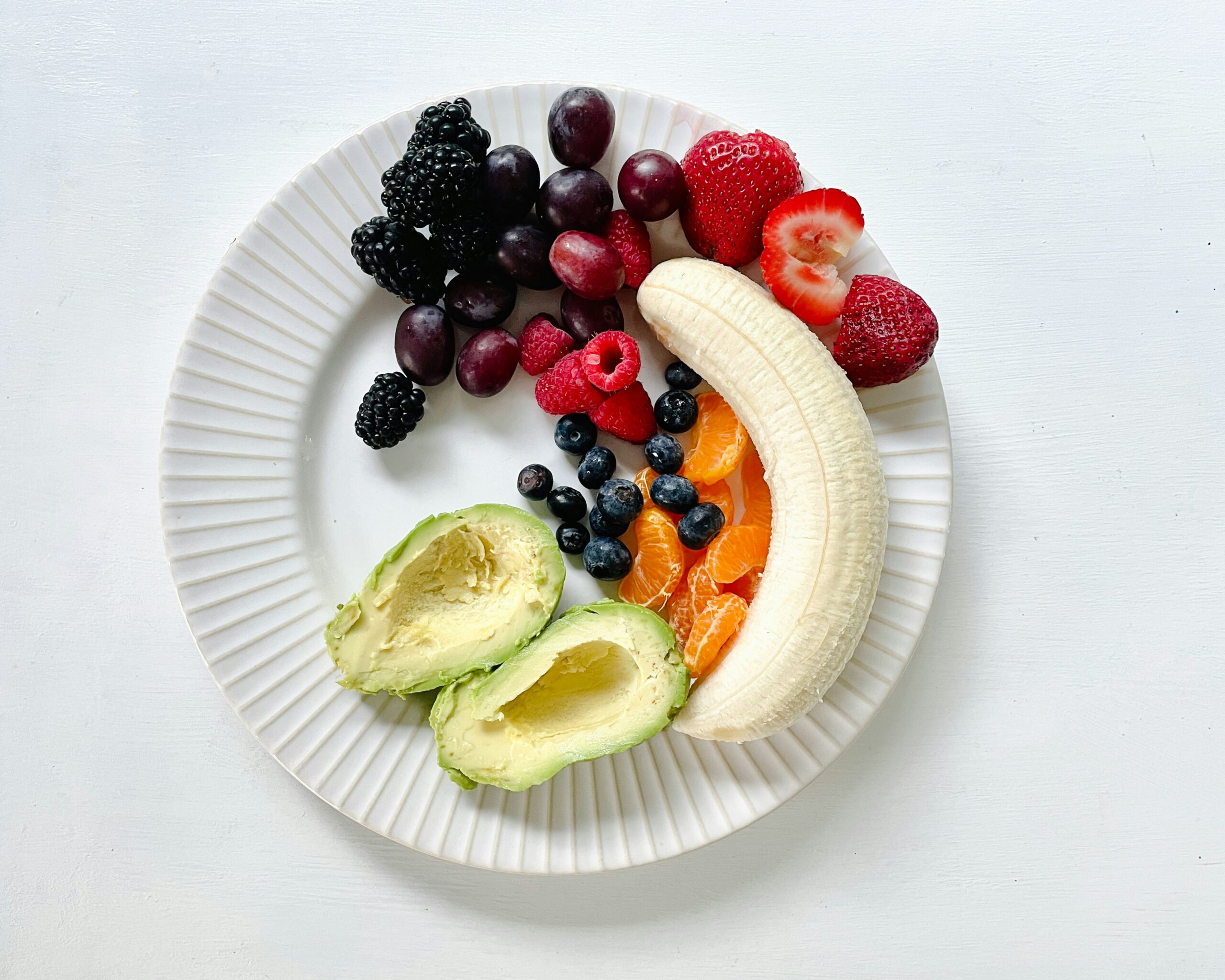
| Raspberries (raw) | 6.5g | Insoluble | Vitamin C, Antioxidants | Breakfast bowls, snacks |
How to Increase Fiber Intake Without Digestive Discomfort
Increasing fiber intake gradually, staying well-hydrated, and varying fiber sources are key strategies for minimizing bloating or gas as your gut microbiome adjusts to a higher-fiber diet.
One of the most common fibermaxxing pitfalls is going too hard, too fast. Jumping from 15 grams to 40 grams of fiber in a single day can leave your digestive system feeling like it’s staging a protest — bloating, gas, and cramping are the gut’s way of asking for a slower introduction. A gentler approach: add roughly 5 grams of additional fiber per week, drink plenty of water (fiber needs fluid to do its job properly), and mix sources so your microbiome gets exposed to a variety of fermentable fibers.
Practical Fibermaxxing Meal Ideas
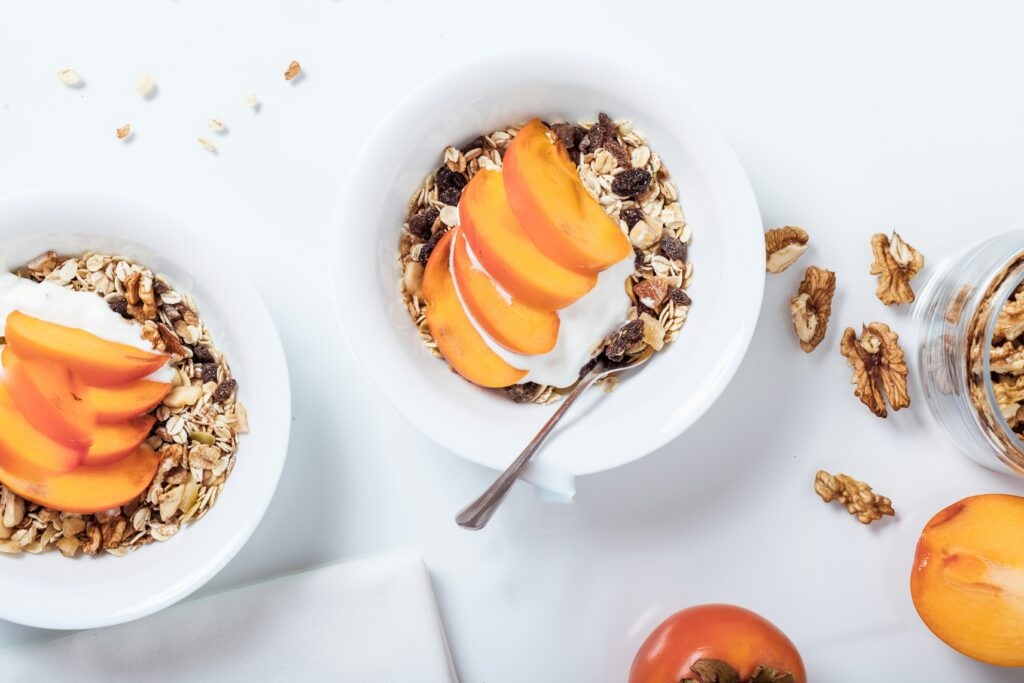
Building fiber into your day doesn’t require elaborate recipes. Breakfast might be a bowl of rolled oats topped with raspberries and a tablespoon of chia seeds — already delivering close to 10 grams before 9 a.m. Lunch could feature a lentil and roasted vegetable grain bowl, fragrant with cumin and dressed simply with lemon and olive oil. For dinner, a black bean taco filling with avocado and shredded cabbage rounds out both flavor and fiber. Snacking on a small handful of almonds or apple slices with nut butter adds texture and another 3–5 grams effortlessly.
The World Health Organization states that adults should consume at least 25 grams of dietary fiber per day from natural food sources, emphasizing that fruits, vegetables, legumes, and whole grains are the preferred delivery vehicles over isolated fiber supplements.
Making Fibermaxxing a Sustainable Part of Your Gut Health Diet
The most effective fibermaxxing approach is one built on food variety, gradual increases, and consistent habits — rather than aggressive short-term overhauls that may be hard to maintain.Fibermaxxing works best when it’s woven into the texture of daily eating rather than treated as a challenge to complete. Start with swaps that feel natural: brown rice instead of white, lentils stretched into a familiar pasta sauce, a handful of raspberries stirred into morning yogurt. Over weeks, these micro-shifts compound into a meaningfully higher fiber intake without the digestive shock of an overnight overhaul. Your gut microbiome is, in a real sense, a living ecosystem — and like any ecosystem, it responds best to gradual, sustained nourishment rather than sudden floods. For more inspiration on building a balanced, fiber-forward plate, explore WideJournal’s healthy eating tips and keep discovering what whole-food eating can look and taste like.
Alternative Perspectives
While fibermaxxing aligns with mainstream dietary guidance, some nutrition researchers and clinicians urge nuance. Individuals with irritable bowel syndrome (IBS), inflammatory bowel disease (IBD), or certain gut motility disorders may find that rapidly increasing fiber — particularly certain fermentable fibers known as FODMAPs — worsens symptoms rather than improving them. In these cases, a low-FODMAP or medically supervised approach may be more appropriate than a general fibermaxxing strategy. Additionally, some researchers note that fiber supplements (psyllium, inulin, etc.) may offer targeted benefits for specific conditions, though whole-food fiber sources are generally preferred for their broader nutritional profile. As with most dietary practices, context and individual health status matter enormously. Consulting a registered dietitian before making significant changes is always advisable.
Frequently Asked Questions
Fibermaxxing is the practice of intentionally maximizing daily fiber intake through whole, plant-based foods. While the term is new, the underlying principle is well-supported — decades of nutritional research consistently associate higher dietary fiber intake with improved gut microbiome diversity, better digestive regularity, and reduced risk of certain chronic conditions. It is not a cure-all, but increasing fiber intake to meet recommended levels is a broadly evidence-backed dietary goal.
General recommendations vary by age and sex. The Mayo Clinic advises that women aim for 21–25 grams daily and men target 30–38 grams, with needs generally decreasing slightly after age 50. The WHO recommends a minimum of 25 grams per day for adults. Most people in Western countries consume significantly less than these targets, averaging around 15 grams per day.
Among the most fiber-dense everyday foods are chia seeds, cooked legumes (lentils, black beans, chickpeas), rolled oats, raspberries, avocado, and whole wheat products. Incorporating a variety of these across meals helps ensure both soluble and insoluble fiber needs are met, and exposes the gut microbiome to a broader range of fermentable fibers.
For most healthy adults, very high fiber intake from whole foods is well tolerated, though dramatically increasing intake too quickly can cause temporary bloating, gas, or cramping. People with certain digestive conditions such as IBS or IBD may need to manage fiber type and quantity more carefully under medical guidance. Drinking adequate water is essential when following a high-fiber diet, as fiber requires fluid to function properly in the digestive tract.
Disclaimer: The term “fibermaxxing” represents an emerging online dietary trend and is intended for informational and educational purposes only. It should not be taken as professional medical advice. Aggressively accelerating your dietary fiber intake can cause acute gastrointestinal distress and, in extreme cases, interfere with the absorption of essential minerals like zinc, iron, and calcium. Individuals diagnosed with Irritable Bowel Syndrome (IBS), Inflammatory Bowel Disease (IBD), or other digestive motility disorders should avoid high-fiber overhauls unless supervised by a registered dietitian or gastroenterologist. Always consult a qualified healthcare professional before making substantial changes to your diet.