
The beauty industry has been quietly rewriting the rules of your morning routine. Where you once needed a serum, a moisturizer, a sunscreen, and a foundation, a single well-formulated skin tint with SPF may now do meaningful work across several of those steps. For anyone who has explored our full-coverage foundation guides and wondered whether a lighter touch could deliver comparable skin benefits, this category deserves a serious look. As part of our broader beauty articles coverage, we’re breaking down what these products actually contain, what the evidence says, and where honest limitations exist.
What Is a Skin Tint with SPF, Exactly?
A skin tint with SPF is a sheer-to-light coverage tinted formula that combines color-evening pigments with broad-spectrum sun protection and, in many cases, active skincare ingredients like hyaluronic acid, niacinamide, or peptides — offering a streamlined alternative to layering multiple products.
Think of it as a spectrum. On one end sits your classic tinted moisturizer — hydration first, coverage second, sun protection sometimes included. On the other end sits a full foundation with SPF, where coverage is the priority and skincare is largely incidental. The modern skin tint with SPF occupies deliberate middle ground: it typically delivers sheer-to-buildable coverage, broad-spectrum SPF 30 or higher, and an active ingredient list borrowed from the serums it hopes to partially replace.
Beauty editors and dermatology-focused publications like Vogue note that modern tinted moisturizer formulas increasingly blur the line between makeup and skincare, combining ingredients such as zinc oxide for UV protection, hyaluronic acid for hydration, and antioxidant complexes designed to help defend against environmental stressors. Rather than functioning purely as lightweight coverage, many 2026 hybrid formulas are positioned as multi-benefit complexion products aimed at simplifying daily routines while supporting overall skin health.
How Does the SPF Actually Work in These Formulas?
This is where formulation matters more than marketing. Sunscreen actives in skin tints generally fall into two categories: chemical filters (such as avobenzone or octinoxate) and mineral filters (zinc oxide and titanium dioxide). The American Academy of Dermatology’s guidance on SPF selection recommends choosing broad-spectrum products rated SPF 30 or higher for daily use, regardless of filter type. Mineral filters, while once notorious for white cast, are increasingly micronized in skin tint formulas to deliver a more wearable finish across a range of skin tones.
One practical caveat: the SPF rating on any product is tested at a specific application amount (2 mg/cm²), which most people apply at a fraction of that quantity in real life. Results may vary significantly based on how much product you actually use.
The Best Tinted Moisturizer with SPF 2026: What to Look for in a Formula?
When evaluating the best tinted moisturizer with SPF in 2026, prioritize formulas with verified broad-spectrum protection, skin-compatible humectants, and active ingredients backed by published research rather than purely by brand claims.
The market has matured considerably. Below is a comparison of the key ingredient and performance attributes consumers and formulators are weighing this year.
| Feature | Entry-Level Skin Tints | Mid-Range Hybrids | Advanced Makeup-Skincare Hybrids | What to Look For |
|---|---|---|---|---|
| SPF Level | SPF 15–20 | SPF 30 | SPF 40–50+ | Minimum SPF 30, broad-spectrum |
| Filter Type | Chemical only | Chemical or mineral | Hybrid or 100% mineral | Broad-spectrum UVA + UVB coverage |
| Hydration Actives | Glycerin only | Glycerin + hyaluronic acid | Hyaluronic acid + ceramides + squalane | Multiple molecular weights of HA preferred |
| Advanced Actives | None | Niacinamide or vitamin C | Peptides, postbiotics, adaptogens | Evidence-backed concentrations |
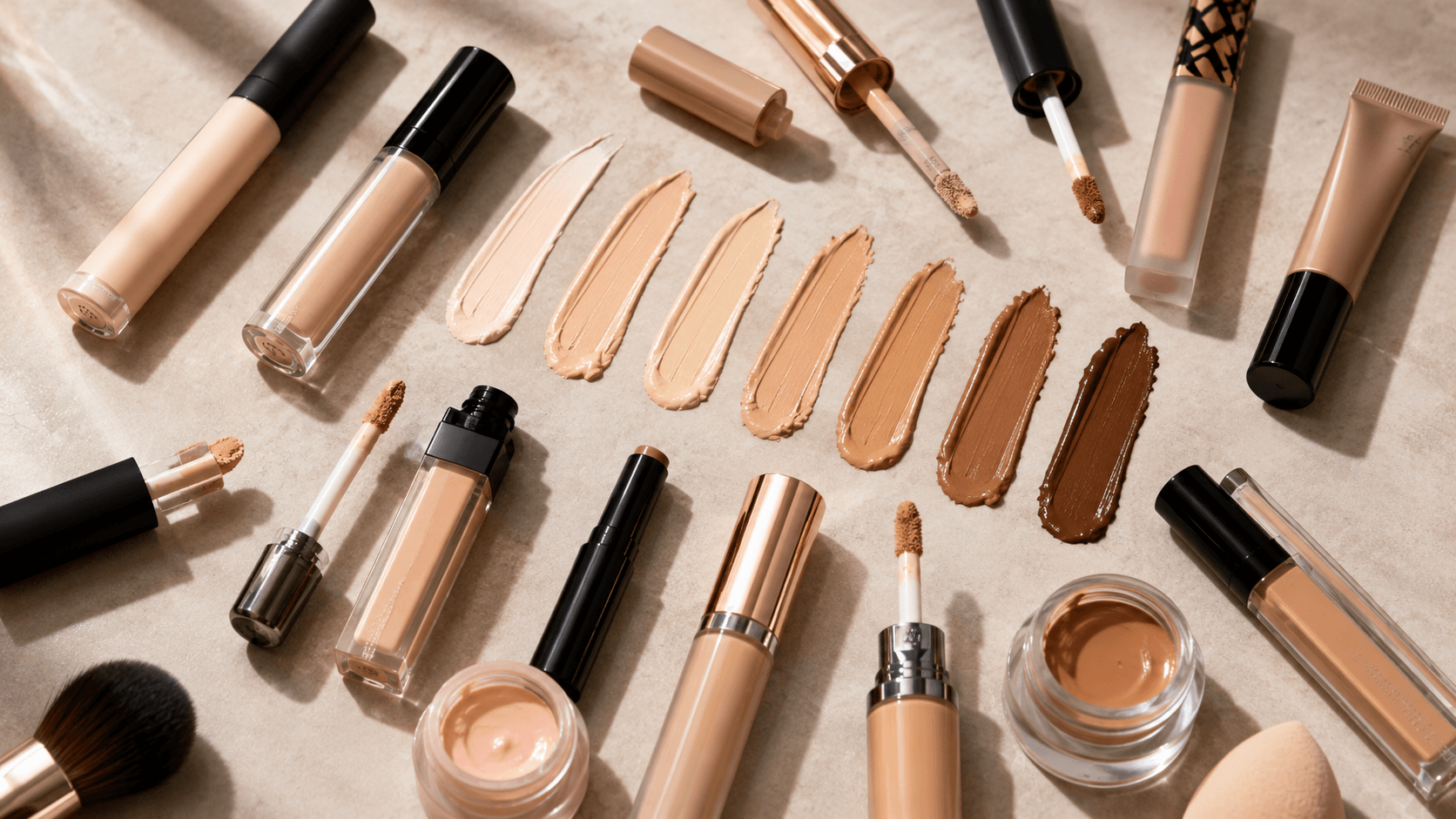
| Shade Range | 3–6 shades | 10–20 shades | 20–40+ shades | Broader is more inclusive |
| Finish | Matte to natural | Natural to satin | Skin-like, luminous, or customizable | Depends on skin type preference |
Makeup Skincare Hybrid Products: Do the Active Ingredients Actually Deliver?
Makeup skincare hybrid products increasingly incorporate peptides, postbiotics, and antioxidants, but whether these actives survive formulation and provide meaningful skin benefits over time is still an area of active and sometimes conflicting research.
Peptide Foundation Benefits: Promising, But Context Matters
Peptides are short chains of amino acids that may support the skin’s structural proteins, including collagen and elastin. The appeal of including them in a skin tint or foundation is obvious — you’re wearing the product daily, so repeated exposure could theoretically accumulate benefit. Emerging research on peptides and postbiotics in topical skincare formulations suggests that certain signal peptides may help support skin barrier function and hydration markers, though researchers continue to emphasize that concentration, formulation stability, and delivery systems significantly influence real-world efficacy.
The honest picture is nuanced. Peptides in a makeup product face challenges that a standalone serum doesn’t: they share formula space with pigments, emulsifiers, and SPF actives, and their concentration may be lower than in dedicated treatments. Some users report improvements in skin texture and suppleness with consistent use of peptide-containing hybrids, but results vary, and these products are unlikely to replace a targeted peptide serum for anyone with specific concerns.
According to researchers at the University of Hamburg’s Department of Dermatology, signal peptides demonstrate measurable effects on fibroblast activity in vitro, but translating those results to in-use cosmetic formulations requires careful consideration of pH stability, penetration depth, and competing ingredients in the base formula.
What About Postbiotics and the Microbiome Angle?
Postbiotics — fermentation byproducts such as lysates and short-chain fatty acids — have entered skin tint formulas as brands chase the microbiome wellness trend. Early research is intriguing: some postbiotic ingredients appear to support barrier integrity and may reduce transepidermal water loss. However, this area of cosmetic science is still developing, and many claims remain ahead of the published evidence. If a formula lists postbiotics, it’s worth asking whether the brand has clinical data, not just marketing language, to support the inclusion.
A 2023 study published in the Journal of Cosmetic Dermatology found that topical application of certain bacterial lysate postbiotics was associated with statistically significant improvements in skin hydration and barrier function scores over an eight-week period, though researchers emphasized that results varied across skin types and noted the need for larger-scale trials.
Multi-Function Makeup for Glowy Skin: Who Does It Actually Suit?
Multi-function makeup for glowy skin tends to work best for those with normal to dry skin types and minimal coverage needs, while oily or acne-prone skin may require additional formulation considerations such as non-comedogenic testing and oil-control ingredients.
The luminous, skin-like finish that defines this category is a genuine strength — but it’s not universal. Skin tints with a dewy or satin finish can amplify natural radiance on dry and normal skin, and the lightweight texture means less chance of a cakey or mask-like appearance. For oily skin, the same formula may read as greasy by midday unless it includes silica or kaolin to manage shine, or unless it’s layered with a setting powder. Acne-prone users should look for the “non-comedogenic” designation, though it’s worth noting that this label is not standardized or regulated in the same way that SPF ratings are.
Alternative Perspectives
Not everyone is convinced that makeup-skincare hybrids represent meaningful progress. Some dermatologists argue that combining SPF with coverage pigments can compromise the uniform application needed for reliable sun protection, and that active ingredients in makeup vehicles are rarely present at concentrations high enough to drive clinical results. From this view, it may be more effective — and ultimately more economical — to apply a well-formulated SPF moisturizer and targeted serums beneath a sheer, pigment-only tint. On the other side, proponents point out that the best compliance is the routine people will actually follow, and if a single product replaces three steps someone was skipping, the net benefit is real. Both positions have merit, and the right answer likely depends on individual lifestyle, skin concerns, and how rigorously each product is formulated.
Frequently Asked Questions
For many everyday situations, a skin tint rated SPF 30 or higher and labeled broad-spectrum may provide adequate daily UV protection — particularly if you’re spending most of your time indoors. However, the AAD notes that most people apply far less product than the tested amount, which can reduce effective protection. For extended outdoor exposure, layering a dedicated sunscreen underneath or reapplying protection throughout the day is generally recommended. Results may vary.
The terms are often used interchangeably, but there are subtle distinctions. Tinted moisturizers traditionally prioritize hydration with light pigment added for evening skin tone. Skin tints, a more recent term, tend to emphasize a skin-like, sheer finish and are more frequently formulated with active skincare ingredients. Neither category has a strict regulatory definition, so comparing ingredient lists is more informative than relying on product names alone.
Some advanced skin tints include enough humectants and emollients to function as a one-step moisturizing and color product for those with normal to dry skin. However, very dry skin types may still benefit from a separate moisturizer underneath to ensure adequate hydration. Checking the formula for ingredients like hyaluronic acid, ceramides, or squalane can help you assess whether the product offers sufficient moisture on its own for your skin type.
Peptide-containing foundations and skin tints may offer incremental skincare benefit alongside coverage, and some users report improved texture and hydration with regular use. That said, the concentration and stability of peptides in makeup vehicles is generally lower than in dedicated serums, so these products are unlikely to match the targeted effect of a well-formulated peptide treatment. They may be a useful complement to a skincare routine rather than a replacement for active treatments. Results vary between individuals.