Walk down any grocery store aisle and you’ll notice something: the packaging gets louder, the ingredient lists longer, and the food itself somehow less recognizable the further you go. Ultra-processed foods — think shelf-stable snack cakes, flavored instant noodles, and soda — now make up a staggering portion of what Americans eat daily. But a growing movement is pushing back, centered on a deceptively simple idea: eat real food. For our Food articles readers navigating this shift, here’s everything you need to know about the ultra-processed foods diet debate and how to actually build a whole-food approach that works in daily life.
What Are Ultra-Processed Foods, Exactly?
Ultra-processed foods are industrially manufactured products containing ingredients rarely found in home kitchens — such as emulsifiers, artificial flavors, and hydrogenated oils — and are typically high in added sugars, sodium, and refined carbohydrates.
The most widely used framework for classifying processed foods is the NOVA classification system, developed by researchers at the University of São Paulo. It divides foods into four groups based on the extent and purpose of processing, with Group 4 — ultra-processed foods — defined by the use of industrial substances and additives designed primarily to increase palatability and shelf life. Examples range from packaged breakfast cereals and deli meats to flavored yogurts and mass-produced breads.
Healthline’s evidence-based breakdown of ultra-processed food categories notes that these products are engineered to be hyper-palatable, meaning they’re specifically formulated to be difficult to eat in moderation — a quality that distinguishes them from minimally processed whole foods.
How Is Ultra-Processed Different from Just “Processed”?
Not all processing is equal. Freezing vegetables, pasteurizing milk, and canning beans are forms of processing that preserve nutritional value and safety. Ultra-processing goes several steps further, introducing synthetic colorings, flavor enhancers, and stabilizers that transform raw ingredients into products bearing little resemblance to anything you’d find in nature. A frozen pea is processed. A fluorescent-orange cheese puff is ultra-processed.
What Does the Research Say About Health Risks?
A growing body of peer-reviewed research associates high ultra-processed food consumption with increased risks of cardiovascular disease, type 2 diabetes, and all-cause mortality, though researchers note that causation is not yet fully established.
A 2019 study published in JAMA Internal Medicine via PubMed found that each 10% increase in the proportion of ultra-processed foods in a person’s diet was associated with a 14% higher risk of all-cause mortality, based on a cohort of more than 44,000 French adults followed over five years.
Separate large-scale cohort studies have linked frequent ultra-processed food consumption to higher rates of obesity, hypertension, and metabolic syndrome. It’s worth noting that most available evidence is observational — meaning researchers can identify associations but cannot yet definitively prove that ultra-processed foods directly cause these outcomes independent of other lifestyle factors.
Are the 2026 Dietary Guidelines Addressing Ultra-Processed Foods?
Yes — and more directly than ever before. The 2025–2030 Dietary Guidelines for Americans place renewed emphasis on limiting foods high in added sugars, sodium, and saturated fats — categories that heavily overlap with ultra-processed products. While the guidelines stop short of explicitly using the term “ultra-processed,” their recommendations functionally steer Americans toward minimally processed whole foods as the foundation of a healthy dietary pattern.
The Eat Real Food Movement: What Does It Actually Mean?
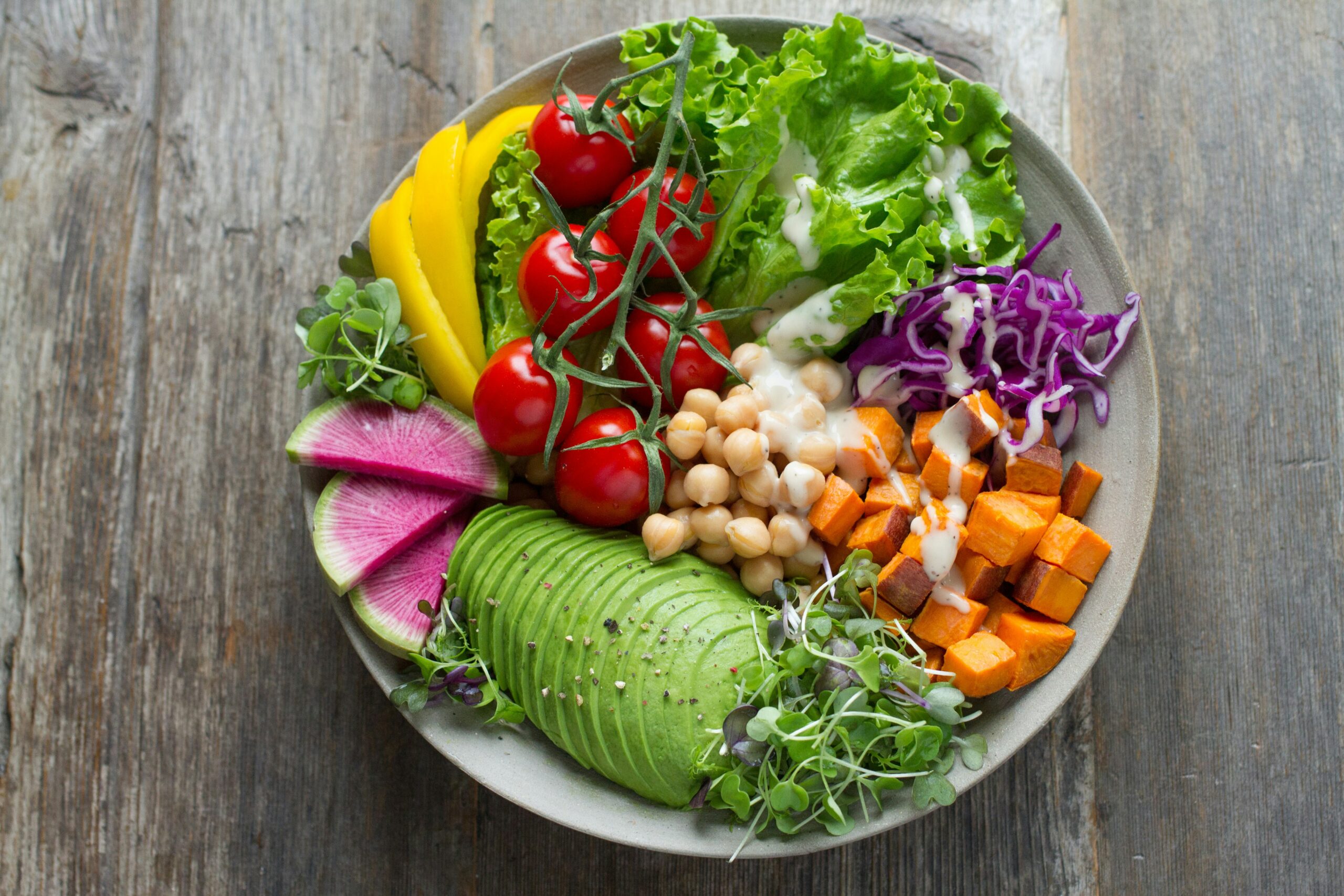
The “eat real food” movement encourages building meals around whole, minimally processed ingredients — vegetables, legumes, whole grains, lean proteins, and healthy fats — while reducing dependence on packaged, industrially manufactured products.
At its core, the eat real food diet isn’t a rigid protocol with strict rules. It’s a philosophy. Advocates argue that the human body is better served by foods that arrive in their natural or near-natural state — a ripe peach, a bowl of steel-cut oats, a piece of wild salmon — rather than products assembled in factories from deconstructed and reconstituted ingredients. If you’re interested in a plant-forward version of this approach, our whole-food plant-based diet guide offers a practical starting point.
What Does a Whole Food Diet Plan Look Like Day to Day?
Practically speaking, a whole food diet plan centers on cooking from scratch more often, reading ingredient labels critically, and gradually displacing ultra-processed staples with less refined alternatives. Breakfast might shift from a sugary granola bar to overnight oats with fresh berries. Lunch moves from a deli meat sandwich on white bread to a lentil and roasted vegetable bowl. These swaps aren’t about perfection — they’re about tilting the ratio.
Comparing Ultra-Processed vs. Whole Food Options
Side-by-side comparisons of common food swaps reveal meaningful differences in ingredient complexity, added sugar content, and fiber density between ultra-processed products and whole-food alternatives.
| Ultra-Processed Food | Whole Food Alternative | Added Sugar | Fiber (per serving) | Ingredient Count (approx.) |
|---|---|---|---|---|
| Flavored instant oatmeal packet | Plain rolled oats + fresh fruit | ~12g vs. ~0g | 3g vs. 4g | 15+ vs. 1–2 |
| Packaged white sandwich bread | 100% whole grain sourdough | ~3g vs. ~0g | 1g vs. 3g | 20+ vs. 4–5 |
| Fruit-flavored yogurt (low-fat) | Plain Greek yogurt + honey | ~24g vs. ~6g | 0g vs. 0g | 12+ vs. 2 |
| Chicken nuggets (frozen, processed) | Baked chicken breast strips | ~2g vs. ~0g | 0g vs. 0g | 30+ vs. 1 |
| Cola soda (12 fl oz) | Sparkling water + lemon slice | ~39g vs. ~0g | 0g vs. 0g | 8+ vs. 2 |
Data approximate; values sourced from USDA FoodData Central. Individual products vary.
How to Avoid Ultra-Processed Foods in 2026: Practical Steps
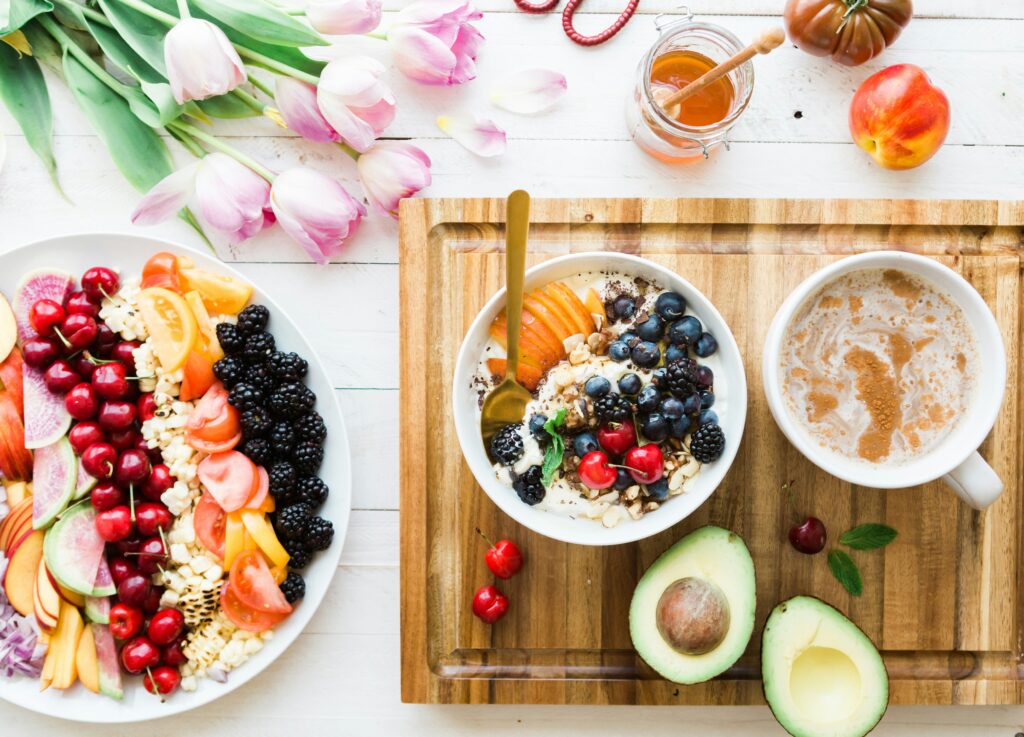
Reducing ultra-processed food intake doesn’t require an overnight overhaul — small, consistent swaps and smarter label-reading habits can meaningfully shift the quality of your diet over time.
The World Health Organization’s healthy diet fact sheet recommends limiting free sugars to less than 10% of total energy intake — and ideally below 5% for additional health benefits — a threshold that a single can of soda or one flavored yogurt cup can easily exceed.
Reading Labels: What Should You Actually Look For?
Ingredient lists are your most reliable tool. A useful rule of thumb: look for ingredients hyper-specific to industrial manufacturing rather than home kitchens. Scan the label for synthetic emulsifiers, thickeners, and texturizers like carboxymethylcellulose, polysorbate 80, carrageenan, and maltodextrin, or check for high-fructose corn syrup and hydrogenated oils. If the ingredient list reads more like a chemical formulation than a traditional recipe, the product heavily leans into ultra-processed territory. The longer the list, the more likely the product falls into ultra-processed territory.
Does Cost Make Whole Foods Inaccessible for Many Families?
This is one of the most legitimate critiques of the “eat real food” movement. Whole foods are not always cheaper, and food deserts — geographic areas with limited access to fresh produce and whole ingredients — remain a serious structural barrier for millions of Americans. Budget-friendly whole-food staples like dried beans, lentils, canned tomatoes (no added salt), frozen vegetables, eggs, and brown rice can make real-food eating more accessible, but the systemic issues of food access and economic inequality cannot be solved by individual dietary choices alone.
Alternative Perspectives
Not all nutrition researchers agree that the NOVA classification system is the most useful lens for evaluating food quality. Some scientists argue that focusing on specific nutrients — saturated fat, sodium, added sugar — is more actionable and precise than categorizing foods by degree of processing. Others point out that ultra-processed foods aren’t monolithic: a fortified whole-grain cereal and a frosted snack cake are both technically “ultra-processed” under NOVA, yet their nutritional profiles differ substantially. Additionally, food industry representatives argue that processing enables food safety, longer shelf life, and nutrient fortification that benefits public health. The debate reflects genuinely unresolved questions in nutritional science, and a measured approach — rather than blanket avoidance — may be more practical and evidence-aligned for many people.
Frequently Asked Questions
Ultra-processed foods (UPFs) are industrially manufactured products characterized by formulations of ingredients not typically used in home cooking. Key examples include:
– Beverages: Sodas, energy drinks, and sweetened fruit juices.
– Packaged Snacks: Mass-produced chips, cookies, and shelf-stable snack cakes.
– Ready-to-Eat Meals: Instant noodles, frozen pizzas, and fast-food items.
– Reconstituted Meats: Hot dogs, chicken nuggets, and commercial deli meats.
– Breakfast Foods: Sweetened cereals and flavored instant oatmeal.
No, they differ in philosophy and framing:
– Clean Eating: An informal, loosely defined lifestyle term that often assigns moral value to food (labeling items as “clean” or “dirty”) and can lead to restrictive habits.
– Eat Real Food Diet: A pragmatic approach based on nutritional science (like the NOVA classification system). It focuses strictly on reducing industrial food processing levels while keeping food choices flexible and realistic.
While the official 2025–2030 Dietary Guidelines for Americans do not explicitly use the term “ultra-processed foods,” they functionally discourage their consumption by mandating strict limits on the core building blocks of UPFs:
– Added Sugars: Restricted to less than 10% of total daily calories.
– Sodium: Capped at less than 2,300 mg per day.
– Saturated Fats: Limited to less than 10% of daily caloric intake.
Yes. Nutritional science distinguishes between minimally processed and ultra-processed foods. You can safely include health-promoting processed staples in a balanced diet, such as:
– Legumes: Canned beans and chickpeas (low sodium).
– Vegetables & Fruits: Plain frozen vegetables and flash-frozen berries.
– Dairy & Alternatives: Plain Greek yogurt and unsweetened plant milks.
– Grains: Canned tomatoes and 100% whole-grain sourdough bread.
Disclaimer: The information provided in this article, including text, graphics, images, and other material, is for informational and educational purposes only. It is not intended to be a substitute for professional medical advice, diagnosis, or treatment. Always seek the advice of your physician, registered dietitian, or other qualified healthcare provider with any questions you may have regarding a dietary shift or medical condition. Never disregard professional medical advice or delay in seeking it because of something you have read on this website.