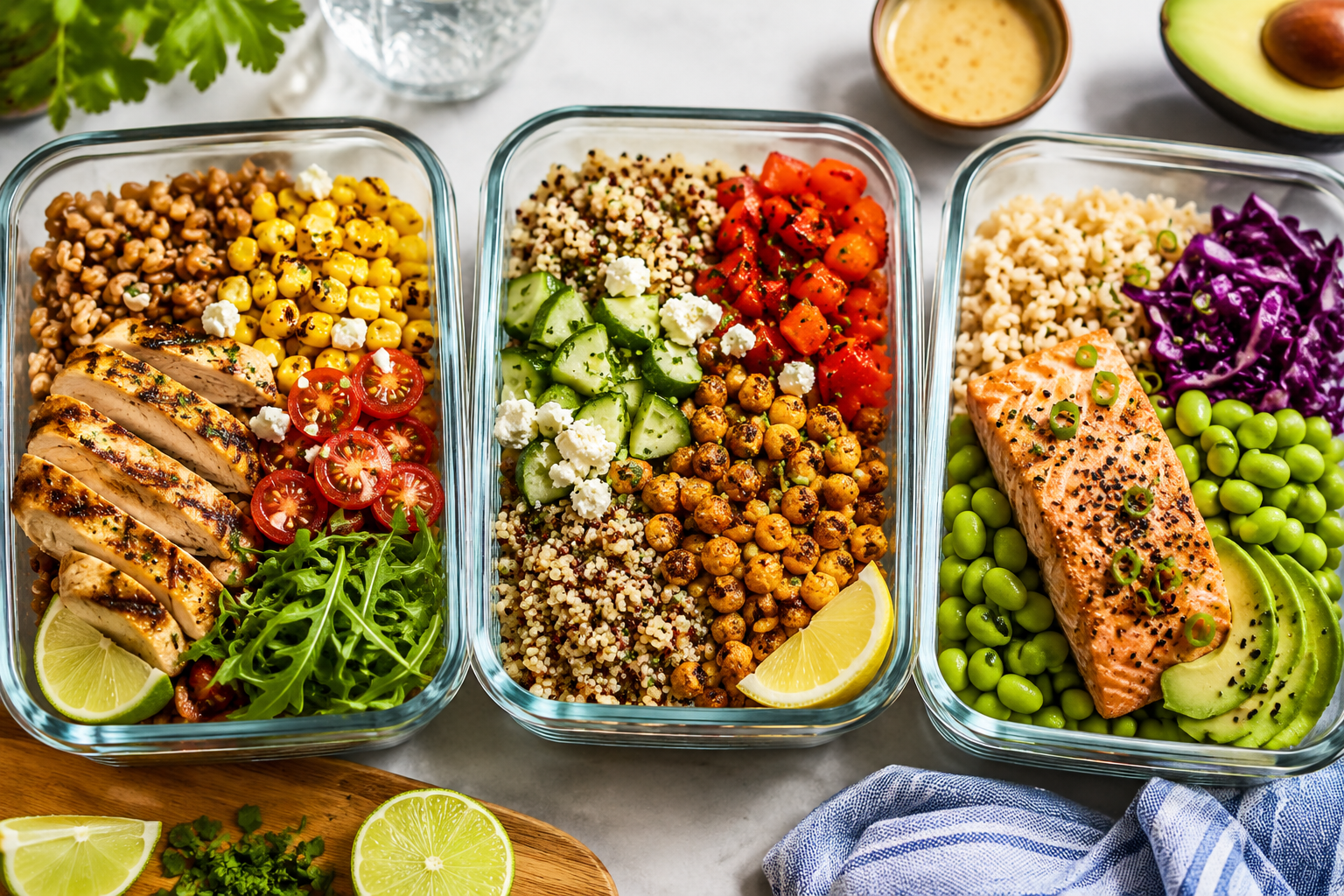
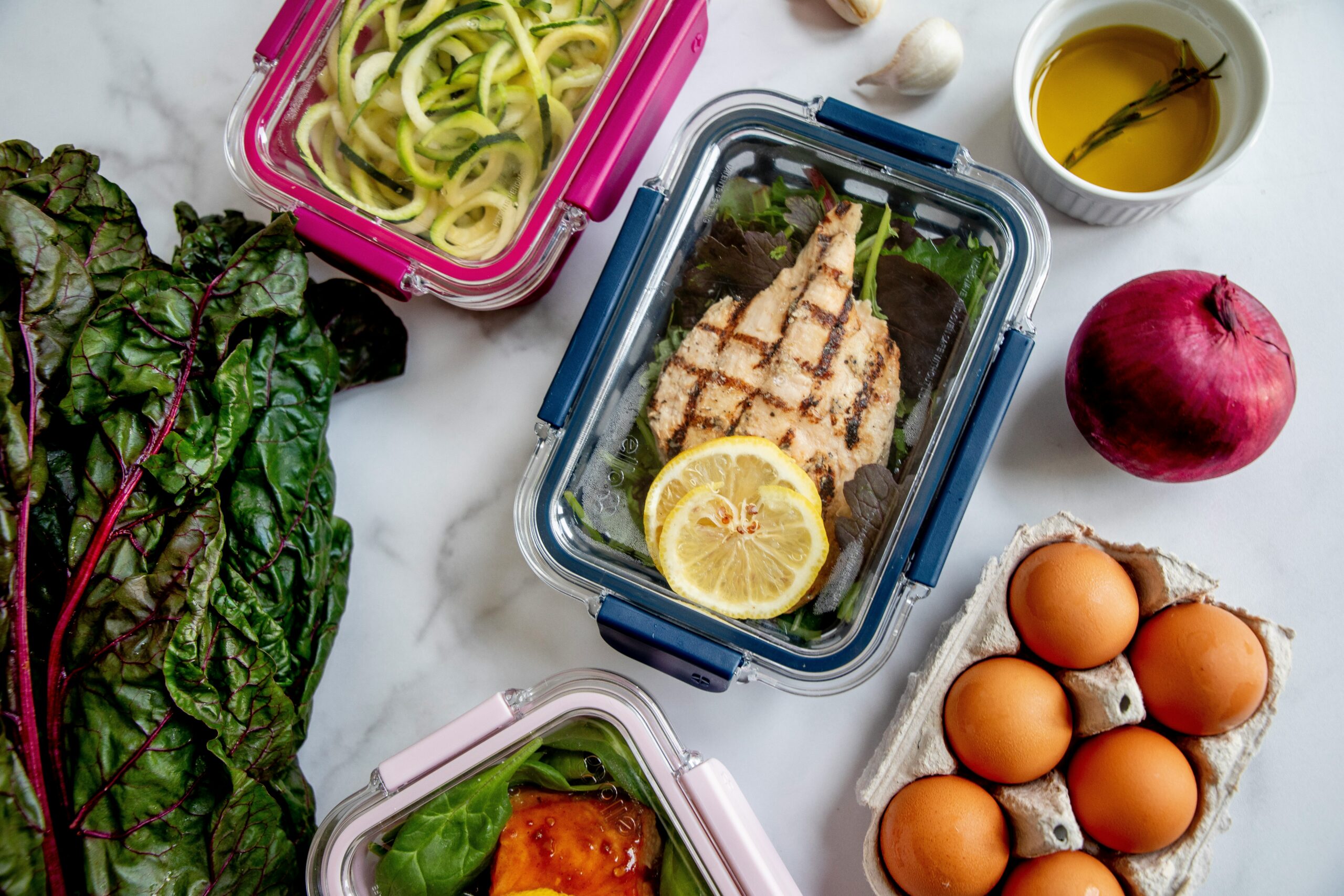
Whether you’re chasing a leaner physique or trying to build serious muscle, what you eat throughout the week matters just as much as what you eat around the gym. These high protein meal prep recipes are designed to take the guesswork out of your nutrition — think juicy grilled chicken thighs, creamy Greek yogurt bowls, and hearty egg-and-quinoa bakes that keep you satisfied for hours. If you’re looking for more healthy recipe ideas beyond protein-focused cooking, or want to explore other Food articles covering everything from quick weeknight dinners to global cuisines, WideJournal has you covered.
Why Does Protein Matter for Your Goals?
Protein is an essential macronutrient that plays a central role in muscle repair, satiety, and overall metabolic function — making it a cornerstone of both weight management and muscle-building nutrition strategies.
Protein does more than build muscle. It’s the most satiating macronutrient, meaning it may help you feel fuller longer after meals. According to the International Society of Sports Nutrition (ISSN) position stands, active adults aiming to build or maintain muscle mass benefit most from consuming between 1.2 and 2.0 grams of protein per kilogram of body weight per day, depending on activity level and goals. Meanwhile, a 2015 study published in the American Journal of Clinical Nutrition found that higher-protein diets are associated with improved satiety and may support adherence to caloric deficits over time. And at a macro level, the WHO’s healthy diet guidelines emphasize the importance of balanced macronutrient intake — proteins, fats, and carbohydrates — as part of an overall healthy eating pattern.
How Much Protein Should Each Meal Contain?
Sports nutrition research generally suggests aiming for 25–40 grams of protein per meal to maximally stimulate muscle protein synthesis, though individual needs vary based on body weight, training status, and overall daily intake. The recipes below are built around that target range.
The Best High-Protein Ingredients for Meal Prep
Choosing the right protein sources is the foundation of effective meal prep — lean meats, legumes, dairy, and eggs offer varied amino acid profiles and work well in large-batch cooking.
Not all proteins are created equal in the kitchen. Here’s a quick look at how common meal-prep staples stack up nutritionally:
| Protein Source | Serving Size | Approx. Protein (g) | Approx. Calories | Meal Prep Friendly? |
|---|---|---|---|---|
| Chicken Breast (cooked) | 4 oz (113g) | 35g | 185 kcal | Yes — lasts 4 days refrigerated |
| Canned Tuna (in water) | 3 oz (85g) | 22g | 100 kcal | Yes — no cooking required |
| Greek Yogurt (plain, nonfat) | 1 cup (227g) | 23g | 130 kcal | Yes — pre-portioned in jars |
| Black Beans (cooked) | ½ cup (86g) | 8g | 114 kcal | Yes — batch cook or use canned |
| Whole Eggs | 2 large eggs | 13g | 143 kcal | Yes — hard-boil in bulk |
| Edamame (shelled) | ½ cup (80g) | 9g | 95 kcal | Yes — steam from frozen |
Protein-Packed Lunch Ideas That Actually Taste Good
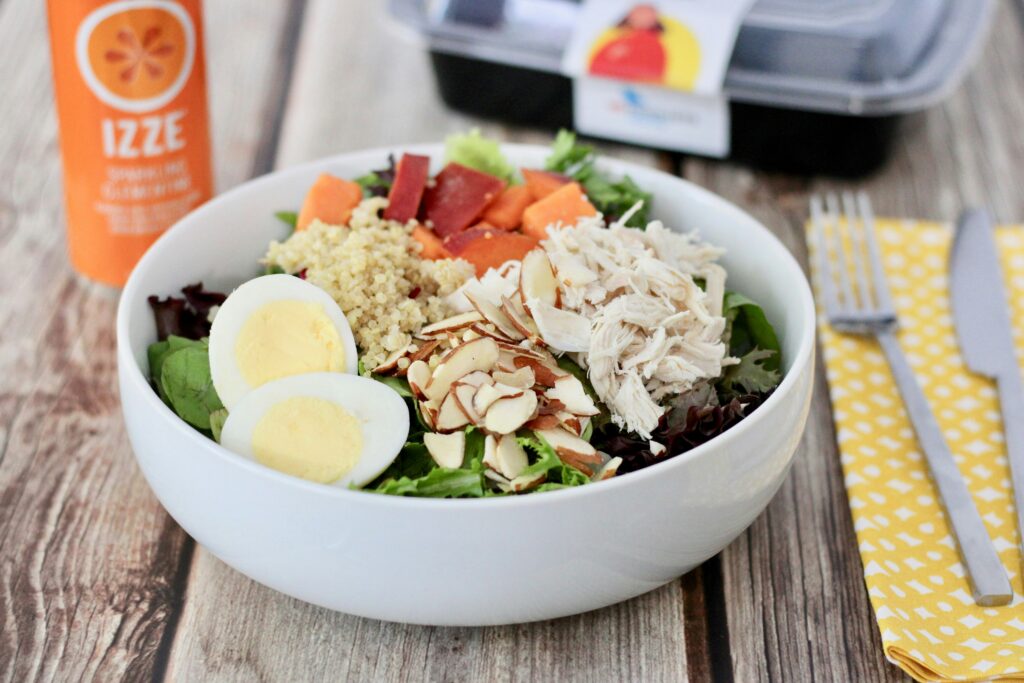
Great protein-packed lunch ideas balance bold flavors with practical prep — these recipes are designed to reheat beautifully and stay satisfying from Monday through Friday.
Lemon-Herb Chicken and Quinoa Bowls
This is the workhorse of any high-protein meal prep rotation. Marinate boneless, skinless chicken thighs in lemon juice, olive oil, garlic, dried oregano, and a pinch of smoked paprika for at least 30 minutes — overnight is even better. Roast at 425°F for 22–25 minutes until golden and juicy. Pair with fluffy quinoa (cook it in low-sodium chicken broth for a deeper, savory flavor), roasted cherry tomatoes, and a handful of baby spinach. Each assembled bowl delivers roughly 42 grams of protein and carries a bright, Mediterranean character that doesn’t feel monotonous by Wednesday.
Tuna and White Bean Salad Jars
Layer canned wild-caught tuna, rinsed white cannellini beans, diced celery, red onion, capers, and a light lemon-Dijon vinaigrette into mason jars. Shake and eat. It’s briny, creamy from the beans, and comes together in under ten minutes. Each jar provides close to 34 grams of protein with virtually no cooking time — ideal for days when prep fatigue sets in.
High Protein Dinner Recipes Easy Enough for Sunday Prep
These high protein dinner recipes are designed for batch cooking — minimal active time, maximum protein yield, and flavors that develop even more depth as the week progresses.
Sheet Pan Salmon with Broccoli and Sweet Potato
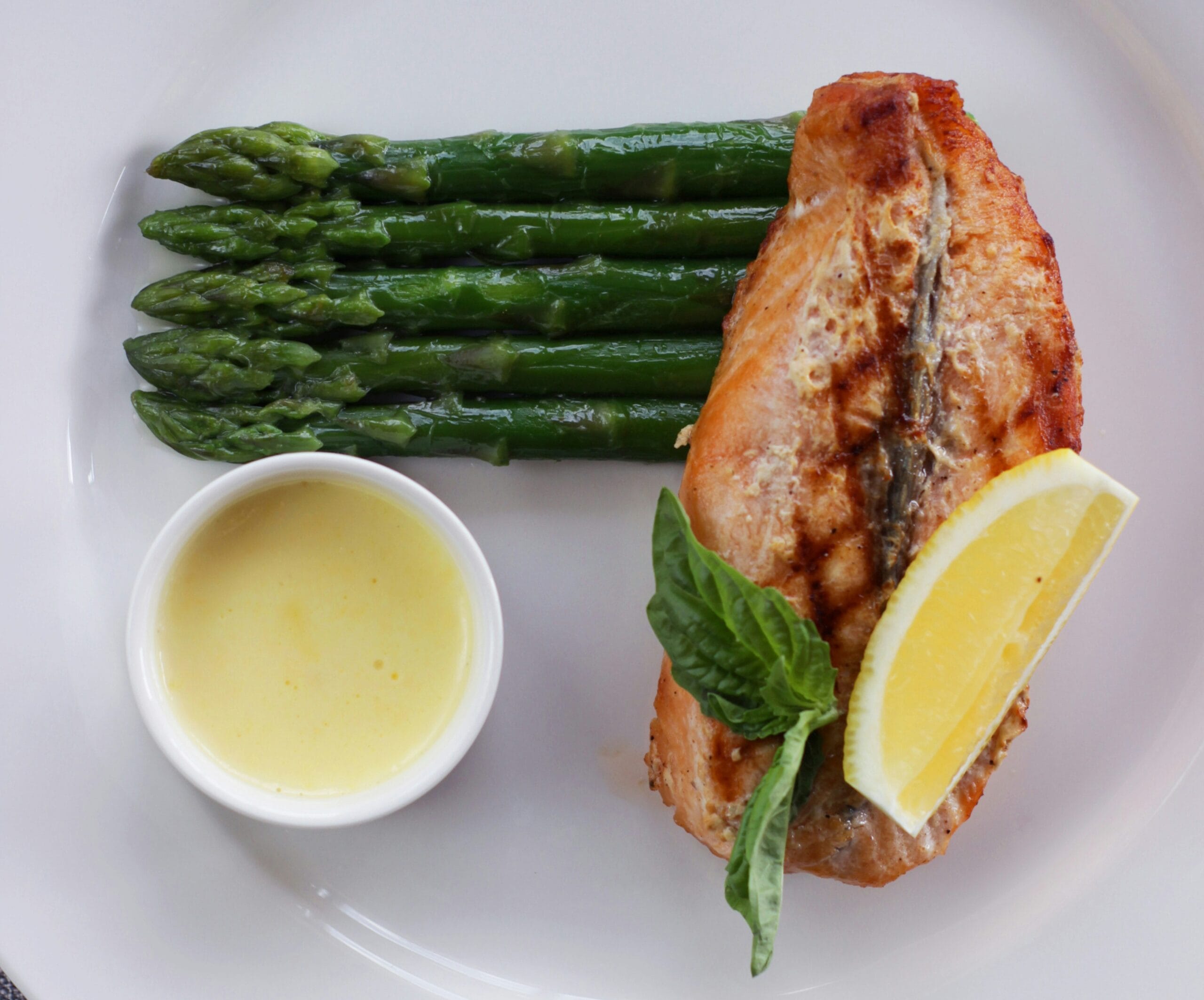
Place 5-ounce salmon fillets on one half of a large sheet pan, broccoli florets and cubed sweet potato on the other. Drizzle everything with olive oil, season with garlic powder, salt, pepper, and a little chili flake. Roast at 400°F for 20–22 minutes. Salmon flakes into tender, rich bites with a lightly caramelized edge, while the sweet potato adds a naturally sweet contrast. Each serving contains approximately 38 grams of protein and a solid hit of omega-3 fatty acids. Store fillets separately from the vegetables to preserve the salmon’s texture during reheating.
Turkey and Black Bean Skillet
Brown lean ground turkey with diced onion, bell pepper, cumin, chili powder, and canned diced tomatoes. Stir in rinsed black beans and a splash of chicken stock. Simmer for 10 minutes until thick and deeply fragrant — this one smells like a taco night you’d actually look forward to. Serve over cauliflower rice or brown rice. Each cup delivers around 30–33 grams of protein. This reheats exceptionally well and freezes for up to three months.
Meal Prep for Muscle Gain: Timing and Strategy
Effective meal prep for muscle gain goes beyond recipes — it involves strategic timing, consistent daily protein distribution, and choosing foods that support recovery between training sessions.
According to researchers at McMaster University, distributing protein intake evenly across three to four meals per day — rather than concentrating it in one large meal — may more effectively stimulate muscle protein synthesis throughout the day.
When prepping for muscle gain specifically, prioritize caloric adequacy alongside protein. Under-eating total calories while hitting protein targets can undermine muscle-building goals. Carbohydrates remain important for replenishing glycogen stores post-workout, so don’t strip them from your prep containers in the name of “eating clean.”
A 2022 systematic review published in the Journal of the International Society of Sports Nutrition found that protein intakes of 1.6–2.2 grams per kilogram of body weight per day are associated with maximizing muscle mass gains when combined with resistance training — and that intakes above this range showed diminishing returns in most study populations.
Are There Downsides to a Very High-Protein Diet?
While high-protein diets are broadly considered safe for healthy adults, some research suggests very high intakes may not be appropriate for everyone — individual health context matters.
Alternative Perspectives
The mainstream sports nutrition position supports elevated protein intake for active individuals, but some researchers and clinicians raise considerations worth knowing. For people with pre-existing kidney disease, high protein intake may place additional strain on renal function — though evidence suggests this concern applies primarily to those with existing kidney conditions, not healthy individuals. Some plant-based nutrition advocates also argue that many Western diets already meet protein needs and that emphasizing protein can inadvertently crowd out fiber-rich foods associated with gut health and disease prevention. The evidence base for optimal protein intake continues to evolve, and individual variation — age, training status, overall diet quality — means that blanket recommendations don’t apply equally to everyone. Consulting a registered dietitian remains the most reliable path to a personalized approach.
Frequently Asked Questions
To optimize muscle protein synthesis, individuals engaged in regular resistance training should aim for 1.6 to 2.2 grams of protein per kilogram of body weight daily. For a 150-pound (68 kg) person, this equals:
– Daily Target: Approximately 109 to 150 grams of total protein.
– Per-Meal Distribution: 25 to 40 grams spread evenly across 3–4 meals to maximize recovery and lean mass growth.
The most reliable, batch-cook friendly ingredients that maintain their nutritional profile and taste after refrigeration include:
– Animal Proteins: Chicken thighs, lean ground turkey, wild-caught salmon, and canned tuna.
– Dairy & Eggs: Low-fat plain Greek yogurt, cottage cheese, and hard-boiled eggs.
– Plant-Based Staples: Extra-firm tofu, tempeh, green lentils, and edamame.
Cooked meals must be stored in airtight containers at or below 40°F (4°C) under strict safety timelines:
– Poultry & Meat: Cooked chicken and turkey stay safe and fresh for up to 3 to 4 days.
– Seafood: Prepped salmon or tuna dishes must be consumed within 2 days maximum.
– Long-Term Storage: Most high-protein grain bowls and stews can be frozen for up to 3 months.
Yes, high-protein meal prep is highly effective for fat loss due to three physiological mechanisms:
– Increased Satiety: Protein triggers fullness hormones, reducing the urge to snack or overeat.
– Muscle Preservation: Adequate protein prevents the body from burning muscle tissue during a calorie deficit.
– Higher Thermic Effect: Your body burns more calories digesting protein compared to fats or carbohydrates.
Disclaimer: The standard recommendation of 1.2–2.2g of protein per kilogram of body weight applies specifically to healthy individuals. If you have pre-existing renal (kidney) conditions or metabolic disorders, consult a registered dietitian before significantly increasing your intake. From a food safety standpoint, cooked chicken and turkey last up to 4 days at 40°F (4°C), while prepped salmon or tuna dishes should strictly be consumed within 2 days to ensure freshness and prevent bacterial growth.