
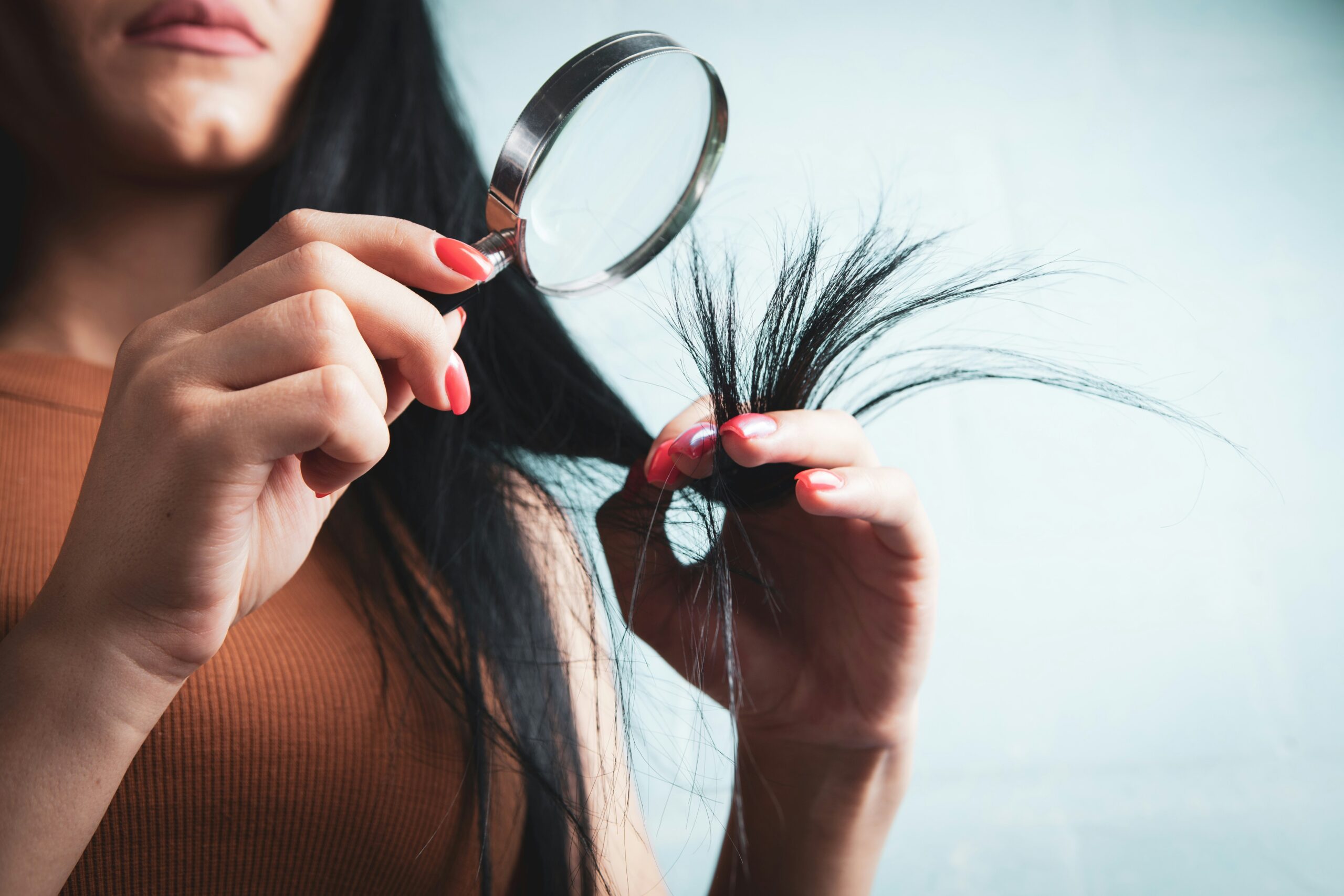
If your social feeds are saturated with mirror-like, impossibly reflective strands right now, you’ve already spotted the glass hair trend 2026 in full swing. The look — ultra-smooth, high-shine, with zero flyaways — has moved from runway editorial to everyday aspiration, and peptide hair care is quickly becoming the ingredient story behind it. Whether you’re exploring new hair care tips and routines or diving into the broader world of Beauty articles, understanding what peptides actually do — and what they can’t — is a smart place to start.
Peptides aren’t new to skincare, but their move into hair formulations has accelerated significantly. Before you invest in a full routine, it’s worth separating the science from the marketing.
What Are Peptides, and Why Do They Belong in Your Hair Routine?
Peptides are short chains of amino acids — the same building blocks that make up keratin, the primary structural protein of hair. Topically applied peptides may help support hair fiber integrity and scalp health, though research is still evolving.
Hair is predominantly composed of keratin protein and its associated amino acid chains, which give each strand its strength, elasticity, and surface smoothness. When hair is chemically treated, heat-styled, or exposed to environmental stressors, these protein bonds can become disrupted, leading to porosity, dullness, and breakage.
Peptides — whether derived from plant, marine, or synthetic keratin sources — are designed to interact with the hair’s surface and, in some formulations, the scalp’s follicular environment. The proposed mechanisms include reinforcing the cortex layer, smoothing the cuticle, and in certain bioactive forms, signaling pathways associated with follicle activity.
It’s important to note that topical penetration varies widely by molecular weight and formulation. Smaller peptides may penetrate the cuticle more readily than larger fragments, which tend to coat the surface. Peer-reviewed studies on keratin peptides and hair fiber strength suggest some surface-conditioning benefits, but this is still an active area of research and results vary considerably by product and hair type.
How Does Peptide Hair Care Support the Glass Hair Look?
Glass hair requires extreme smoothness and light-reflecting uniformity at the cuticle surface. Peptide-based formulations may help achieve this by temporarily filling gaps in damaged cuticle layers and improving surface alignment.
The glass hair aesthetic demands near-perfect cuticle alignment — the tiny overlapping scales of the hair shaft must lie flat and uniform to reflect light evenly. Standard silicone-based smoothing products can achieve this visually, but peptide-forward formulas aim to condition from within the cortex, rather than simply coating.
Cuticle Smoothing vs. Deep Conditioning: What’s the Difference?
Surface smoothing — achievable with silicones, certain oils, and film-forming agents — is immediate but temporary. Deep conditioning with protein fragments and peptides may offer more sustained structural support over time, though this distinction is sometimes blurred in marketing. Some users report that consistent peptide treatment reduces the need for heavy silicone layering, but this is anecdotal and results vary.
Can Peptides Actually Improve Hair Shine?
Shine is a function of cuticle flatness and surface uniformity. When damaged cuticles are lifted or uneven, light scatters rather than reflects. Hydrolyzed keratin peptides — a common ingredient in peptide hair products — are studied for their ability to temporarily bind to the hair surface and fill micro-gaps, which may contribute to improved light reflection. However, no peptide product is guaranteed to replicate the editorial glass hair look for every hair type.
Peptides for Hair Growth: What Does the Research Actually Say?
Some peptides, particularly copper peptides and biomimetic scalp peptides, are studied for potential roles in follicle signaling and scalp microcirculation, though evidence remains preliminary and largely industry-funded.
The conversation around peptides for hair growth is where scientific caution becomes especially important. Copper peptide complexes (GHK-Cu) have received attention for their role in wound healing and tissue remodeling, and some researchers have explored their application in scalp biology.
A 2018 study published in Biomolecules (available via PubMed) found that GHK-Cu may promote hair follicle size and hair growth in mice models, though the authors noted that human clinical trials with standardized formulations remain limited and that findings should not be extrapolated broadly without further research.
Scalp-targeted peptides like acetyl tetrapeptide-3 and biotinoyl tripeptide-1 appear in a number of growth-focused serums, with manufacturers citing studies on follicle anchoring and keratinocyte activity. The American Academy of Dermatology currently does not endorse topical peptides as a clinically proven standalone treatment for hair loss, and recommends consulting a board-certified dermatologist for concerns about thinning or shedding.
If you’re exploring peptide serums for growth support, approach them as a potentially complementary addition to a balanced scalp-care routine rather than a replacement for clinically validated options.
Best Peptide Hair Products: A Comparison of Real Formulations
The market for peptide hair products has expanded rapidly in 2025–2026, with meaningful variation in peptide type, concentration, delivery format, and supporting ingredients. The table below outlines key differences across representative product categories.
| Product Type | Key Peptide Ingredient(s) | Primary Target | Supporting Actives | Best For |
|---|---|---|---|---|
| Leave-In Peptide Serum | Hydrolyzed Keratin, Acetyl Hexapeptide-37 | Cuticle smoothing, fiber strength | Panthenol, Argan Oil | Fine to medium hair, frizz control |
| Scalp Growth Serum | Biotinoyl Tripeptide-1, Acetyl Tetrapeptide-3 | Follicle anchoring, scalp signaling | Niacinamide, Caffeine | Thinning hair, scalp health focus |
| Peptide Conditioning Mask | Hydrolyzed Silk Peptides, Copper Tripeptide-1 | Moisture retention, surface repair | Hyaluronic Acid, Squalane | Chemically treated or color-damaged hair |
| Peptide Shampoo | Hydrolyzed Wheat Protein Peptides | Gentle cleanse with surface deposit | Mild surfactants, Biotin | Daily use, protein-sensitive hair (use with caution) |
| Peptide Heat Protectant | Acetyl Hexapeptide-8, Hydrolyzed Oat Peptides | Thermal protection, smoothing | Dimethicone, Vitamin E | Heat styling, glass hair prep |
Note that specific product formulations change frequently, and ingredient concentrations are rarely disclosed on packaging. Evidence-based overviews of peptides and hair health suggest that the vehicle (serum vs. rinse-off conditioner, for example) significantly affects how much active ingredient contacts the hair and scalp.
Building a Smooth, Shiny Hair Routine with Peptides

A practical smooth shiny hair routine using peptide products layers from scalp to ends, balancing protein delivery with adequate moisture to avoid stiffness or overload — a common pitfall with high-protein formulations.
Step-by-Step: A Peptide-Forward Glass Hair Routine
Start with a gentle, sulfate-free or mild peptide shampoo to cleanse without stripping natural oils. Follow with a hydrolyzed keratin or silk peptide conditioner, focusing on mid-lengths to ends. Once or twice weekly, use a peptide mask in place of conditioner and allow at least five minutes of contact time before rinsing.
On towel-dried hair, apply a leave-in peptide serum from mid-shaft downward, avoiding the scalp unless the formula is specifically scalp-targeted. If using a growth serum, apply that separately to the scalp on dry or slightly damp hair. Finish with a peptide-containing heat protectant before any hot tool use.
How Often Should You Use Peptide Hair Products?
Protein overload is a real concern, particularly for fine or low-porosity hair, which can become stiff and brittle with too much protein too frequently. Most hair care professionals suggest alternating heavy peptide treatments with moisture-focused sessions. Some users report that two to three peptide applications per week strikes a useful balance, though individual hair response varies considerably.
Signs You May Be Over-Proteinizing
Watch for straw-like texture, increased tangling, or reduced elasticity (hair that snaps rather than stretches when wet). If these signs appear, scaling back to once-weekly protein treatments and increasing moisture-focused conditioning typically helps restore balance.
According to researchers at the International Journal of Trichology, the hair fiber’s response to topical protein application depends heavily on the existing porosity and damage state of the strand — meaning that a product delivering significant benefit to high-porosity, color-treated hair may produce adverse stiffness in low-porosity, virgin hair under the same application frequency.
Alternative Perspectives
Not all hair care professionals are equally enthusiastic about the peptide hair care trend. Some trichologists point out that the molecular size of most topical peptides is too large for meaningful cortex penetration, meaning many products primarily coat the surface — similar in effect to traditional protein treatments at a higher price point. Critics also note that a significant portion of clinical data on scalp peptides is industry-sponsored, making independent validation difficult. On the other side, formulators and cosmetic chemists argue that even surface-level peptide deposition offers measurable improvements in tensile strength and combing resistance, and that the scalp-signaling peptide category deserves continued research investment. As always, both perspectives have merit, and the most honest answer is that the science is still catching up to the marketing.
Frequently Asked Questions
Peptide hair care products may help reinforce hair’s keratin structure at the surface level, smooth the cuticle, and support scalp health depending on the specific peptides used. Some formulations target follicle biology for potential growth support. Results vary by hair type, product formulation, and consistency of use.
Not exactly. Traditional keratin treatments (like Brazilian blowouts) use larger keratin proteins sealed with heat — and often formaldehyde or related compounds — to dramatically smooth the hair for weeks. Peptide hair care products use smaller amino acid chains that work more gradually and without the same chemical commitment or safety concerns. They’re generally considered gentler and more suitable for everyday use.
Certain scalp peptides, such as biotinoyl tripeptide-1 and copper peptide complexes, are studied for roles in follicle support and scalp circulation. Some users report reduced shedding with consistent use. However, the American Academy of Dermatology does not currently list topical peptides as a clinically proven hair loss treatment. Anyone experiencing significant thinning should consult a dermatologist.
Glass hair combines cuticle-smoothing ingredients (including peptides, lightweight silicones, and oils), controlled blow-dry technique, and often a finishing serum for high shine. Peptide leave-in serums and heat protectants may support the look by improving surface smoothness before styling. The trend tends to work most naturally on straight to wavy hair textures, though it can be adapted with the right products for other textures. Results vary.