Foldable smartphones have crossed the threshold from experimental luxury to mainstream consideration in 2026. With Apple finally entering the market, Samsung refining its seventh-generation lineup, and Google pushing Pixel folds deeper into productivity territory, the category is more competitive — and more confusing — than ever. This guide cuts through the noise with real specs, verified market data, and honest assessments to help you decide whether a foldable belongs in your pocket this year. For broader context on what’s moving in the industry, explore our Tech articles covering the latest in consumer electronics.
The 2026 Foldable Market: What the Numbers Actually Say
The foldable smartphone market is entering a pivotal growth phase in 2026, driven by Apple’s debut and accelerating enterprise adoption — though premium pricing still limits mass-market reach.
The numbers behind the foldable category paint a compelling picture of momentum. IDC’s 2026 foldable market forecast projects 30% year-over-year growth, building on 20.6 million units shipped in 2025, with a 17% CAGR projected through 2029. Apple’s entry alone is expected to command approximately 22% unit share and 34% value share at an average selling price of around $2,400 — a figure that underscores just how premium this segment remains.
Longer-term projections are even more striking. According to foldable smartphone statistics compiled by ElectroIQ, the global foldable market was valued at roughly $26 billion in 2023 and may reach $188.4 billion by 2033, representing a 21.9% CAGR. Separately, Mordor Intelligence’s foldable smartphone market report sizes the segment at $31.37 billion in 2025, rising to $38.68 billion in 2026 and potentially $110.19 billion by 2031 at a 23.29% CAGR.
According to IDC’s Worldwide Quarterly Mobile Phone Tracker, enterprise demand now accounts for approximately 27.54% of foldable revenue, with corporate buyers drawn to the multitasking capabilities of book-style devices for field productivity and document review workflows.
Who Is Actually Buying Foldables?
Market segmentation data from Coherent Market Insights’ foldable smartphone market analysis reveals that inward-fold (book-style) devices hold approximately 58.8% market share in 2026, with online sales channels accounting for 65.4% of purchases. Asia Pacific dominates global adoption at 55.2% of total share, with China responsible for roughly 70% of production. Early adopters remain the core demographic, but enterprise procurement is steadily broadening the buyer profile beyond tech enthusiasts.
Top Foldable Phones Worth Buying in 2026
The leading foldable phones of 2026 span book-style and flip categories, with meaningfully different use cases — choosing the right form factor matters as much as choosing the right brand.
Samsung Galaxy Z Fold 7: The Refined Standard-Bearer
Samsung’s seventh-generation book-fold remains the benchmark for Android productivity. One UI’s multi-window handling, taskbar navigation, and DeX integration make it the most mature software experience on a foldable Android device. Real-world battery life on the Z Fold 7 comes in around 7 hours of screen-on time according to hands-on testing reported by PhoneArena’s best foldable phones guide, which is competitive but not exceptional given the form factor’s power demands. IP ratings and hinge durability have improved considerably over earlier generations, though ultra-thin glass (UTG) yield rates industrywide only reached approximately 85% in 2025 — a reminder that manufacturing foldable displays at scale remains technically demanding.
Samsung Galaxy Z Flip 7: The Social-First Flip
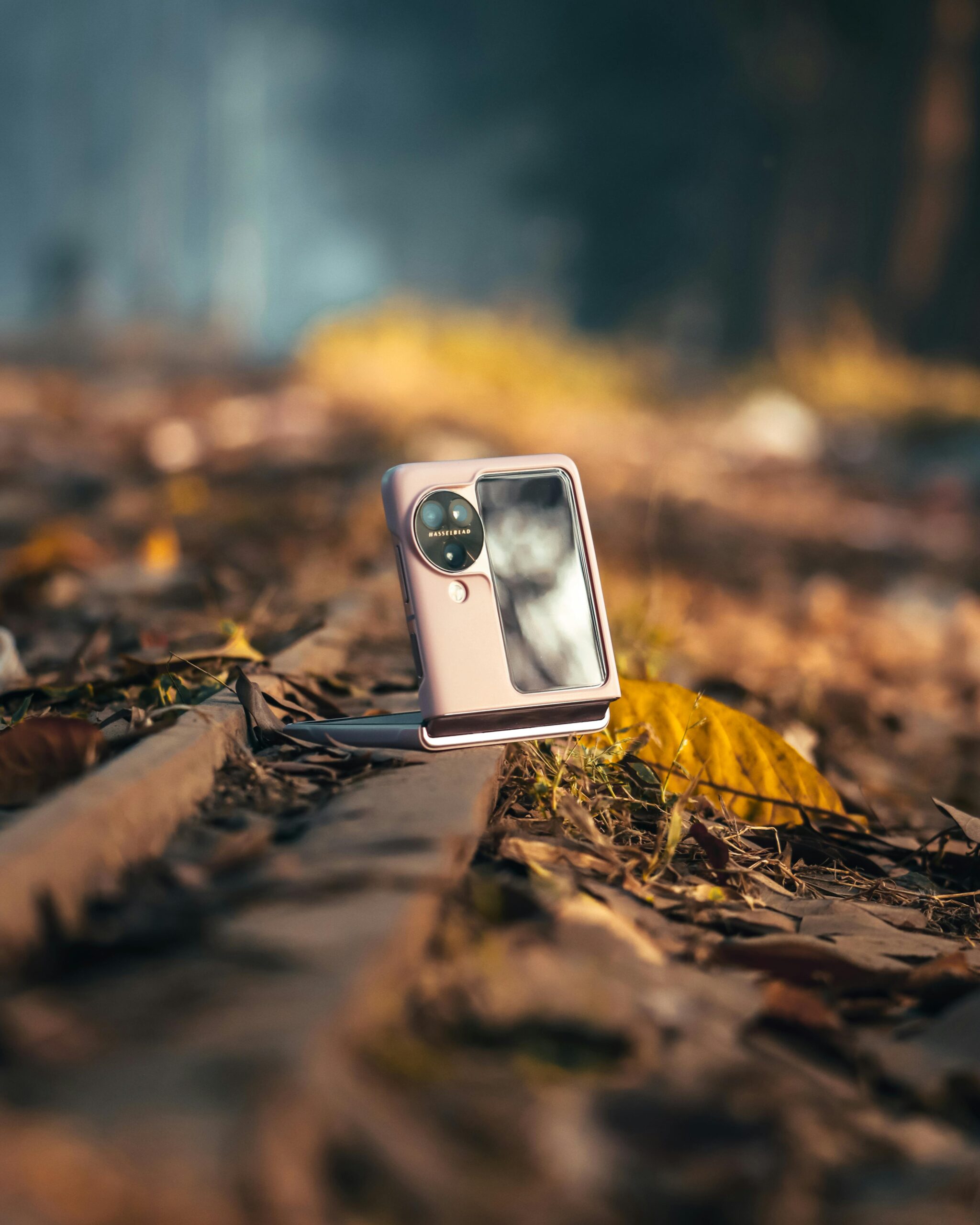
The Flip 7 targets a different buyer entirely — someone who wants a compact, stylish device that fits in a small pocket or clutch, and who values the expanded cover screen for notifications, quick replies, and camera framing. It sacrifices the desktop-class productivity of the Fold for portability. For most people comparing foldables, the choice between Flip and Fold isn’t about brand loyalty; it’s about whether you want a phone that acts like a small tablet or a phone that folds in half.
Google Pixel 10 Pro Fold: Android Intelligence, Refined
Google’s Pixel 10 Pro Fold brings the company’s native AI features — including on-device processing via its Tensor chip — to the book-fold form factor. The camera system draws directly from Pixel’s computational photography heritage, and the software experience is clean and timely with updates. PhoneArena’s hands-on assessment notes it as a genuine top-tier contender alongside the Z Fold 7, particularly for users already invested in the Google ecosystem.
Samsung Galaxy Z Fold 2026 vs. iPhone Fold: The New Rivalry
Apple’s first foldable iPhone represents the most-watched launch in the category’s history. At an estimated ASP of ~$2,400 per IDC projections, it enters at a significant price premium. Historically, Apple’s hardware-software integration, display quality, and ecosystem advantages have allowed it to command premium positioning in new categories — though first-generation Apple products have also been known to improve substantially in their second and third iterations. Whether the iPhone Fold’s debut justifies its price over the more mature Samsung Z Fold 7 will depend heavily on how deeply a buyer is embedded in Apple’s ecosystem.
| Device | Form Factor | Approx. Starting Price | IP Rating | Key Differentiator |
|---|---|---|---|---|
| Samsung Galaxy Z Fold 7 | Book (inward fold) | ~$1,799 | IPX8 | Most mature Android multitasking OS |
| Samsung Galaxy Z Flip 7 | Clamshell flip | ~$999 | IPX8 | Compact portability, large cover screen |
| Google Pixel 10 Pro Fold | Book (inward fold) | ~$1,799 | IPX8 | Tensor AI, Pixel camera, pure Android |
| Apple iPhone Fold (1st Gen) | Book (inward fold) | ~$2,399 | TBC | Apple ecosystem, first-gen iOS foldable |
| Huawei Mate X7 | Book (outward fold) | ~$1,900 (varies by region) | IPX8 | Outward-fold design, HarmonyOS, China market |
Is a Foldable Phone Worth Buying in 2026?
Foldables offer genuinely unique productivity and portability advantages, but they remain premium-priced devices with durability trade-offs that conventional smartphones don’t share.
What You Actually Gain
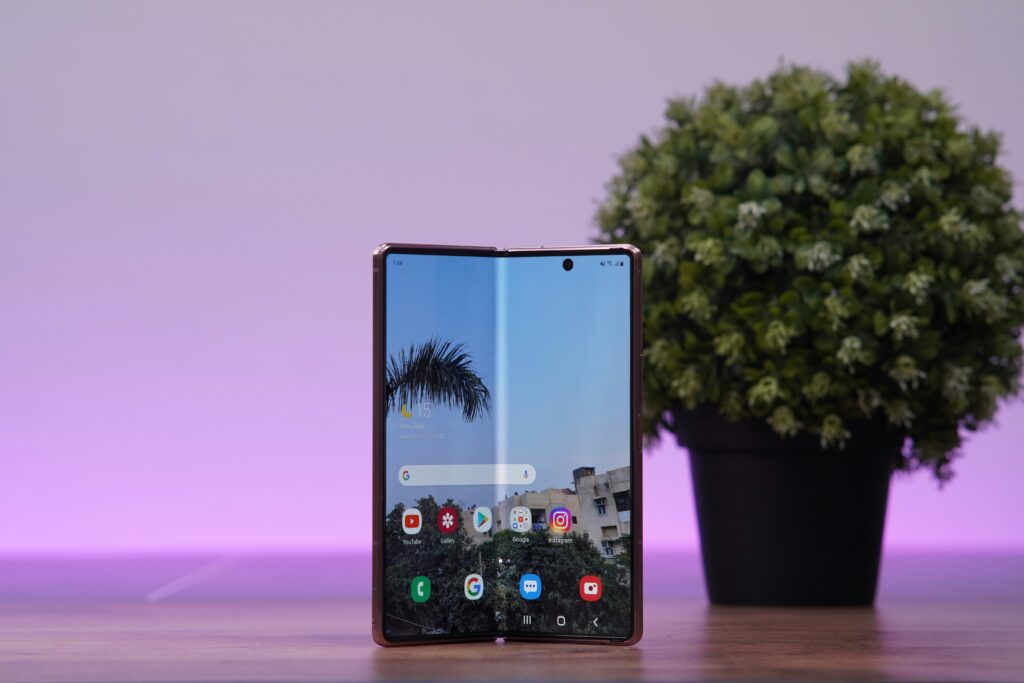
The case for a foldable in 2026 is more coherent than it was in 2022. Book-fold devices legitimately replace light tablet use — reading, document editing, video calls, and split-screen workflows are all meaningfully better on a 7-inch unfolded display than on a standard 6.7-inch slab. Flip-style foldables offer a genuinely smaller form factor when closed, which appeals to users fatigued by ever-growing phone dimensions.
What You Give Up
The crease in foldable displays remains visible under certain lighting conditions on virtually every device in this category. Battery life, while improving, still trails comparably priced conventional flagships in most head-to-head tests. And despite improved UTG and hinge engineering, foldable screens are statistically more vulnerable to damage than hardened glass on a conventional phone — a practical concern for users without protective cases.
According to the GSMA Intelligence Mobile Economy Report, smartphone users in mature markets are holding devices for longer upgrade cycles, averaging over 3.5 years between replacements — a trend that makes the durability and repairability of premium-priced foldables a more significant purchasing consideration than in earlier market periods.
Alternative Perspectives
Not everyone agrees that foldables represent the future of the smartphone form factor. Some industry analysts argue that the category’s growth is heavily concentrated among affluent early adopters and enterprise buyers, and that the mainstream consumer market may plateau once novelty fades. Others point out that incremental improvements to conventional flagship phones — better cameras, longer battery life, stronger glass — may offer more practical value per dollar for the majority of users. Conversely, proponents note that each new generation has brought meaningful durability and usability gains, and that Apple’s entry signals category legitimacy that could accelerate broader adoption. Readers should weigh their own usage patterns, budget, and tolerance for first-generation trade-offs when evaluating whether a foldable aligns with their needs.
Foldable Smartphone Buying Guide 2026: What to Look For
Before choosing a foldable, clarify whether you need book-style multitasking or flip-style compactness — that decision narrows your options more than brand preference does.
Key Specs to Evaluate
Beyond the form factor decision, look carefully at hinge warranty coverage, official IP water resistance rating (IPX8 is the current standard among top devices), charging speed, and whether the manufacturer offers screen replacement programs at reasonable cost. Software support timelines are also worth checking — a $1,800 device should realistically receive OS updates for at least four years. See our full roundup of the latest gadget reviews and recommendations for hands-on comparisons across categories.
Frequently Asked Questions
Durability has improved significantly from early generations. UTG yield rates industrywide reached approximately 85% in 2025, and IPX8 water resistance is now standard on flagship foldables from Samsung and Google. That said, foldable displays remain more susceptible to screen damage than conventional Gorilla Glass or Ceramic Shield panels, and users should factor screen protection and hinge care into their daily habits.
The Z Fold 7 benefits from six prior generations of software and hardware refinement, mature One UI multitasking features, and a lower starting price. Apple’s first iPhone Fold is projected to enter at a higher ASP (~$2,400) with the advantages of iOS ecosystem integration and Apple’s display and chip engineering, but as a first-generation product it may improve substantially in subsequent iterations. The better choice depends largely on your existing ecosystem and risk tolerance for first-gen hardware.
Book-style foldables generally outperform flip-style devices for productivity use cases. Both the Samsung Galaxy Z Fold 7 and Google Pixel 10 Pro Fold are strong candidates, with the Z Fold 7 offering the most mature multi-window Android software experience and the Pixel 10 Pro Fold offering deeper Google AI integration and a pure Android update pipeline.
Market research suggests strong growth momentum — IDC projects 30% YoY expansion in 2026, and multiple reports forecast the segment reaching over $100 billion in value by the early 2030s. However, market growth doesn’t directly translate into better value for an individual buyer today. The more relevant question is whether current-generation devices meet your personal needs at their current price points, which varies by use case and budget.