Pollinator populations have been under pressure for decades, but your backyard — or even a sunny balcony — can be part of the solution. Starting a pollinator garden is one of the most rewarding weekend projects a homeowner can tackle: it supports native bees, butterflies, and other beneficial insects while adding genuine beauty to your outdoor space. Whether you’re exploring our gardening tips and guides for the first time or browsing our broader Home articles, this guide gives you everything you need to get started — with honest costs, realistic timelines, and science-backed plant choices.
What Is a Pollinator Garden and Why Does It Matter?
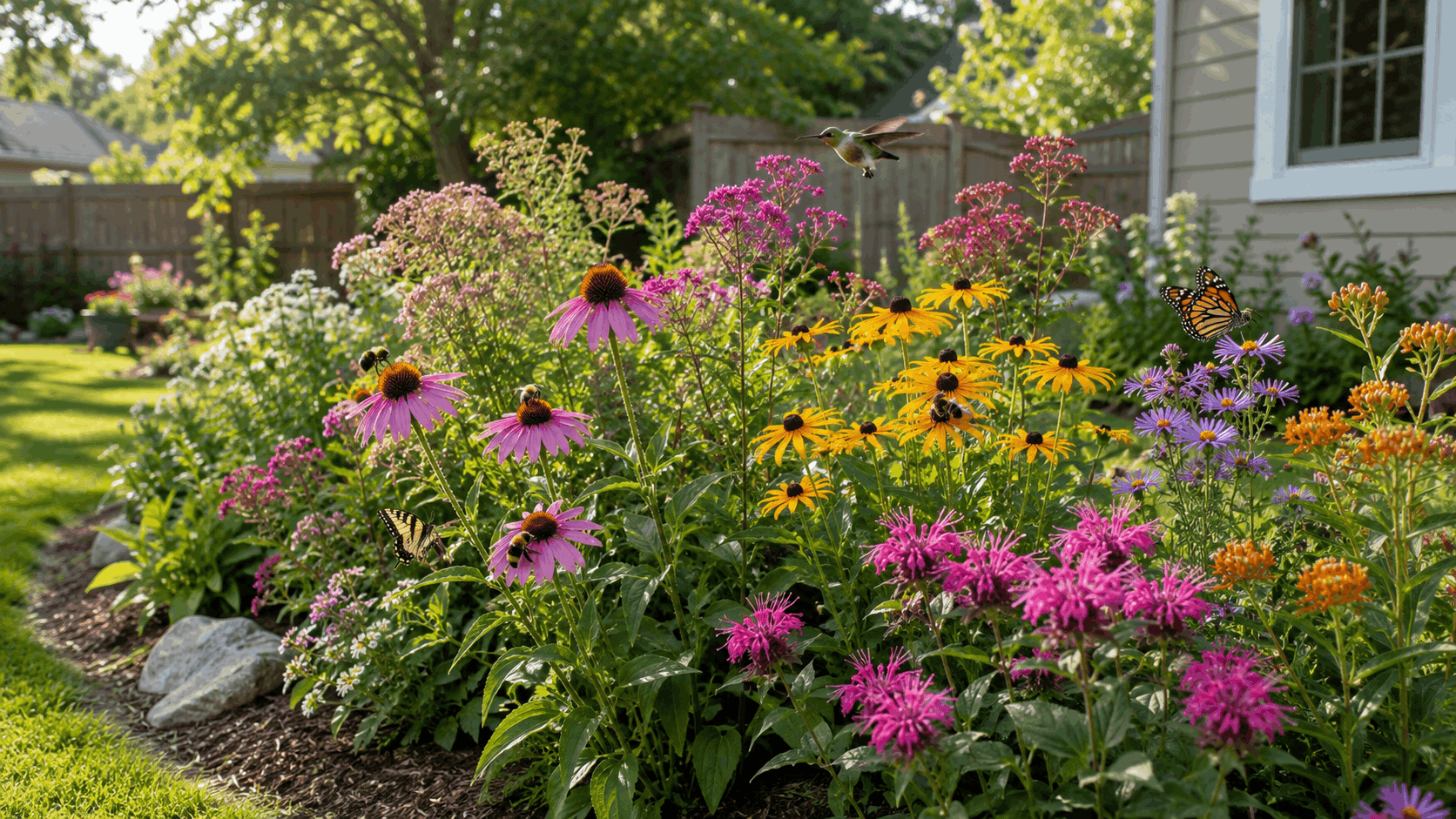
A pollinator garden is a planted space designed to provide food, shelter, and nesting habitat for bees, butterflies, moths, and other insects that transfer pollen between flowers. Creating one directly supports biodiversity and helps counteract the habitat loss that has contributed to pollinator population declines.
Pollinators are responsible for roughly one in three bites of food we eat, yet habitat loss, pesticide use, and climate shifts continue to put pressure on wild populations. A thoughtfully planted garden — even just 50 square feet — can act as a vital corridor and feeding station for local species. The U.S. Fish & Wildlife Service frames pollinator gardens within a broader habitat conservation context, noting that small private gardens collectively form a meaningful network across the landscape.
How Do You Plan Your Pollinator Garden?
Good planning means assessing your sunlight, soil, and available space before purchasing a single plant — the right conditions dramatically increase your success rate and reduce ongoing maintenance time.
Assessing Your Site
Most pollinator-friendly plants thrive in full sun (six or more hours daily), though shade-tolerant native species like wild ginger and Virginia bluebells exist for shadier spots. Walk your yard at different times of day and note where sunlight lands longest. Also pay attention to drainage: standing water after rain suggests clay-heavy soil that may need amendment. The University of Maryland Extension’s pollinator garden guide recommends a site assessment covering sunlight, soil type, moisture levels, and your local eco-region before choosing any plants — all factors that determine which species will genuinely thrive rather than just survive.
Deciding on Size and Budget
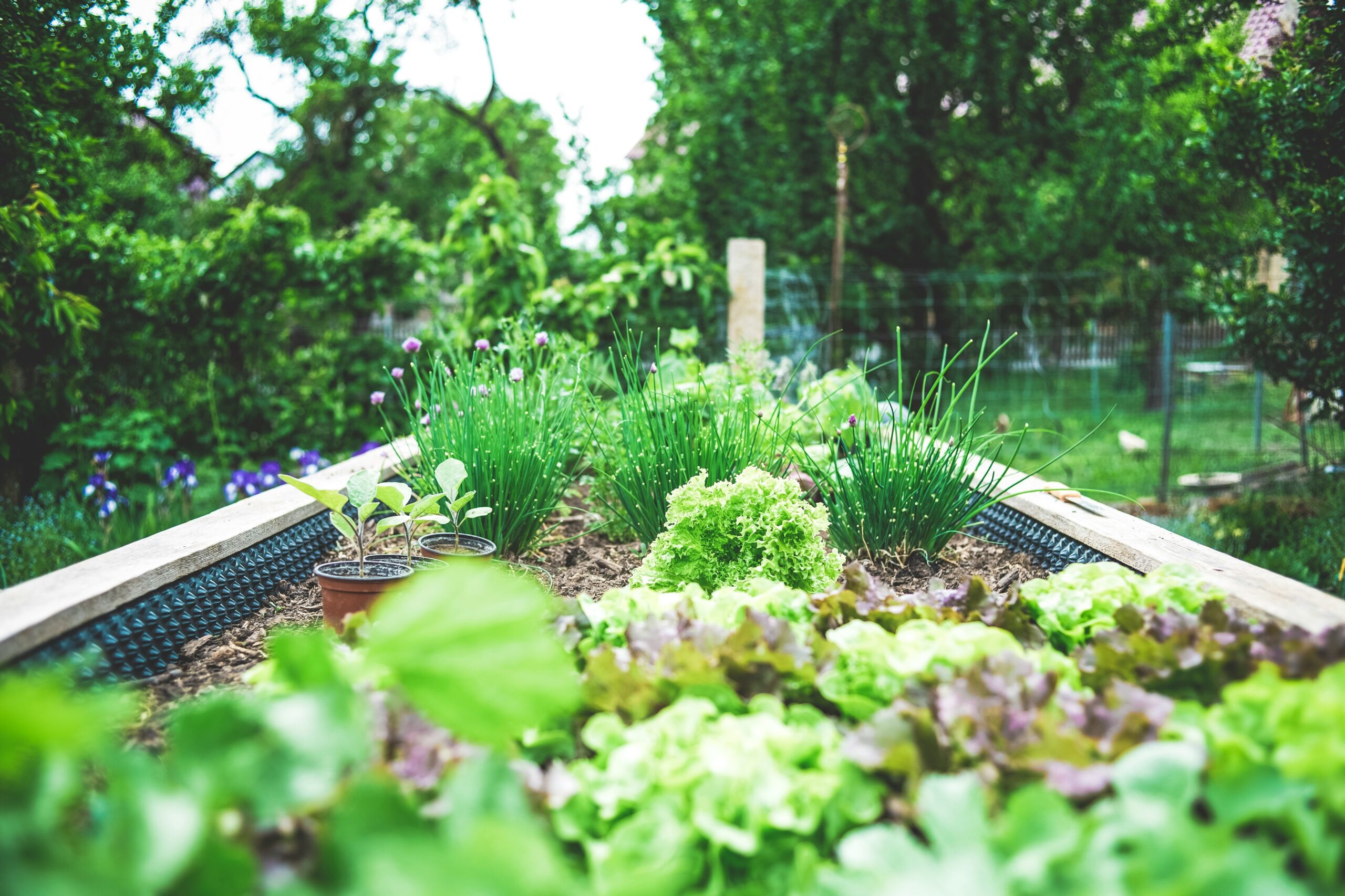
A beginner pollinator garden can be as modest as a 4×8-foot raised bed or a cluster of containers on a patio. For in-ground gardens, a 100–200 square foot plot is a practical starting size. Here’s what you can realistically expect to spend:
- Seed packet approach (budget-friendly): $30–$80 for seeds, plus $20–$40 for soil amendment and mulch. Total: roughly $50–$120.
- Nursery plant approach (faster results): Native perennials typically cost $8–$20 each. A 10-plant starter garden runs $80–$200 before soil prep.
- Professional installation (raised beds, custom design): $500–$2,500+ depending on size and your region.
Seeds are cheaper but require more patience — many native perennials won’t bloom until their second season. Nursery-grown plants give visible blooms in year one, which is especially motivating for first-time gardeners.
Which Pollinator Friendly Plants Should You Choose?
Native plants are consistently the strongest performers in pollinator gardens because local insects have evolved alongside them — research suggests native species can be up to four times more attractive to pollinators than non-native ornamentals.
According to the Penn State Center for Pollinator Research, native plants are approximately four times more attractive to pollinators than non-native species, and roughly 90% of native insects can only eat plants they co-evolved with — meaning non-native ornamentals, however beautiful, may offer little nutritional value to local insect populations. To achieve certified pollinator habitat status, gardens should include at least three early-season, three mid-season, and three late-season blooming species to provide continuous food sources. (Penn State Center for Pollinator Research)
Top Native Plants for Pollinators by Season
«The following list focuses on native species widely successful across eastern and central North America. Always verify your specific eco-region guidelines before purchasing.»
| Plant | Bloom Season | Pollinators Attracted | Sun Requirement | Difficulty Level |
|---|---|---|---|---|
| Wild Columbine (Aquilegia canadensis) | Early (April–June) | Hummingbirds, native bees | Part shade to full sun | Easy |
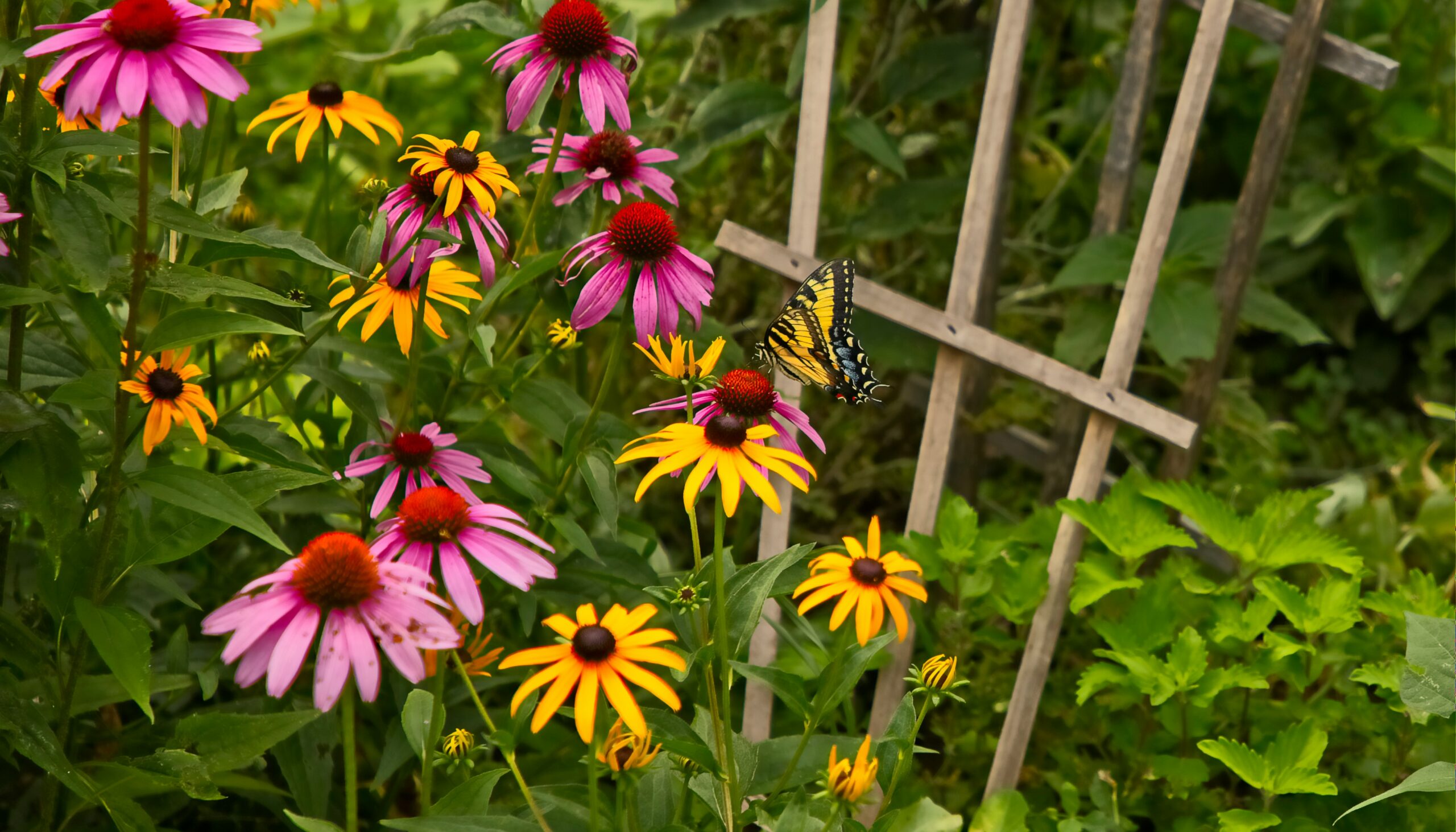
| Purple Coneflower (Echinacea purpurea) | Mid (June–August) | Bumblebees, butterflies, beetles | Full sun | Easy |
| Milkweed (Asclepias tuberosa) | Mid (June–August) | Monarch butterflies, bees | Full sun | Moderate |
| Black-eyed Susan (Rudbeckia hirta) | Mid–Late (July–October) | Native bees, beetles, butterflies | Full sun | Easy |
| New England Aster (Symphyotrichum novae-angliae) | Late (September–November) | Bees, monarchs (migration fuel) | Full to part sun | Easy |
| Wild Bergamot (Monarda fistulosa) | Mid (July–September) | Bumblebees, hummingbirds, skippers | Full sun | Easy |
The USDA Forest Service’s gardening for pollinators resource covers plant variety selection across more than 200 genera and links to regional PDF guides — a genuinely useful reference if you want to go deeper on species suited to your specific part of the country.
How to Attract Bees and Butterflies: Beyond Just Planting Flowers
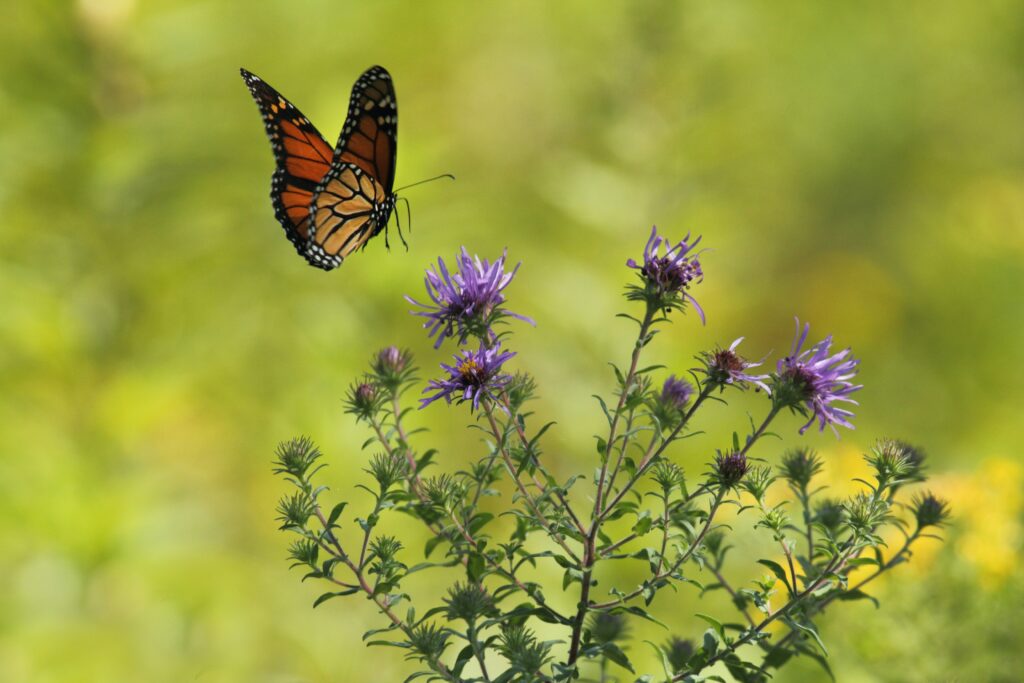
Attracting bees and butterflies long-term requires addressing their full life cycle needs — food, water, nesting sites, and overwintering habitat — not just providing blooms in summer.
Add Water and Nesting Habitat
A shallow dish filled with clean water and a few pebbles (so insects can land without drowning) serves as a valuable drinking station, especially during dry spells. For bees, nesting habitat matters enormously: roughly 70% of native bee species nest in the ground, so leaving patches of bare or sparsely vegetated soil is more valuable than it looks. Hollow stems and small log piles support cavity-nesting species like mason bees.
Reduce or Eliminate Pesticide Use
Even pesticides marketed as “bee-safe” can harm pollinators when applied at the wrong time or in the wrong conditions. If pest management is genuinely necessary, opt for targeted, low-toxicity approaches and avoid spraying during bloom times or when pollinators are actively foraging (typically mid-morning through late afternoon).
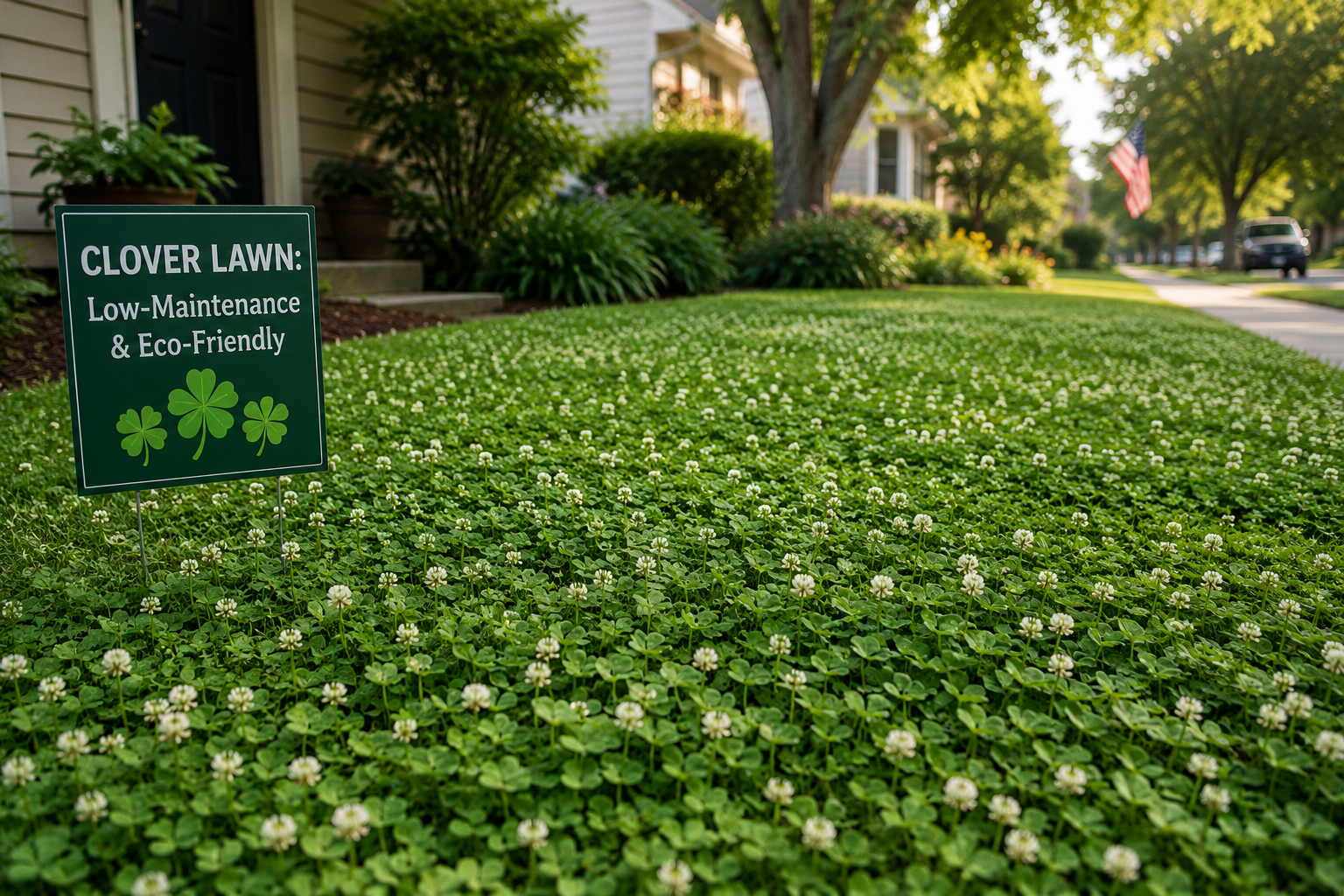
According to a peer-reviewed study published in Landscape and Urban Planning (April 2025), analyzing data from 86,429 residential addresses in Greater Boston using Google Street View imagery, flower gardens contain approximately double the cultivated floral species richness of lawns — and dense urban neighborhoods represent a particularly promising, underutilized target for pollinator conservation efforts. (Landscape and Urban Planning, ScienceDirect, 2025)
Leave the Leaves (And Some Stem Litter)
Fall cleanup instincts can work against pollinators. Many native bee species overwinter in hollow plant stems or leaf litter. Leaving spent flower stalks through winter and raking leaves only lightly — or not at all in garden beds — provides critical overwintering cover. This is one of the easiest, zero-cost steps you can take.
Step-by-Step: Starting Your Garden This Season
Most gardeners can have a functional pollinator garden planted and mulched within a single weekend, with native perennials establishing their root systems in year one and producing full blooms by year two.
The Basic Weekend Process
Day one: Mark out your bed and remove existing grass or weeds. Sheet mulching (layering cardboard under 3–4 inches of wood chip mulch) is an effective, low-chemical way to suppress weeds and improve soil over winter — ideal if you’re planning ahead for a spring planting. For immediate planting, remove sod manually or with a flat spade. Amend soil with compost if it’s particularly compacted or sandy, but avoid over-fertilizing: rich soil encourages leafy growth over blooms in many native plants.
Day two: Plant your selections, spacing according to each species’ mature spread (most native perennials spread 12–24 inches wide at maturity). Water thoroughly, apply 2–3 inches of mulch around — not over — the crowns, and add your water dish and any nesting features.
The U.S. Fish & Wildlife Service’s step-by-step pollinator garden guide walks through the full process including the seeds-vs-nursery-plants decision, seasonal bloom planning, and soil preparation — well worth bookmarking before you shop.
Alternative Perspectives
While native plants are broadly recommended by ecologists and research institutions for their benefits to local insect populations, some garden designers and horticulturalists argue that well-chosen non-native species — particularly those with simple, open flower structures — can also meaningfully support generalist pollinators like honeybees and some butterfly species. Others point out that strict “natives only” approaches may not be practical for gardeners in highly urbanized areas with limited nursery access, and that even imperfect gardens with a mix of native and non-native flowering plants are vastly more valuable than turf grass. The consensus among ecologists leans strongly toward prioritizing natives, particularly for specialist bee species, but a pragmatic mixed approach may be a realistic entry point for many beginners.
Frequently Asked Questions
With nursery-grown plants already in bloom, you may see pollinator activity within days of planting. A garden started from seed will typically attract significant pollinator traffic in its second growing season, once plants are mature enough to flower fully. Consistency across multiple seasons builds the strongest results, as local pollinators begin to recognize your garden as a reliable food source.
Yes. Container gardens, window boxes, and even a single large pot with native plants can support pollinators, particularly in urban settings. The University of Maryland Extension specifically notes container garden options for limited spaces. Choosing compact native species like dwarf coneflowers or native herbs such as anise hyssop makes container planting very workable.
Most native perennials come back reliably year after year and actually improve with age as their root systems mature. Native annuals like black-eyed Susan may self-seed and return on their own. The main ongoing tasks are dividing overgrown clumps every few years and adding new species to fill gaps or extend your bloom season.
A few worth noting: some native plants like milkweed and wild columbine are toxic if ingested, so extra care is warranted in gardens accessible to young children or pets. If you or a household member has a severe bee allergy, consult with an allergist before creating habitat that will significantly increase bee activity near your home. For gardens near structures, confirm that nesting habitat features won’t create unwanted access points for insects into walls or eaves.
Disclaimer: The plant recommendations provided in this guide are primarily native to eastern and central North America. Always consult your local agricultural extension or native plant society to verify species suited to your specific eco-region. Additionally, be aware that certain pollinator-friendly plants, such as milkweed (Asclepias), secrete sap that can be toxic to pets and irritating to skin or eyes. If you or anyone in your household suffers from severe insect sting allergies (anaphylaxis), consult with a medical professional before deliberately designing a high-traffic pollinator habitat near your home’s entryways or frequent outdoor gathering areas.