A bathroom remodel doesn’t have to drain your savings. Whether you’re freshening up a cramped powder room or tackling a full gut renovation, doing the work yourself can save thousands — and leave you with a space that genuinely feels like yours. This guide is part of our broader Home articles collection, and it walks you through everything: real costs, honest difficulty levels, and the steps most guides skip over.
According to a 2026 survey of 1,000 homeowners by This Old House, the average bathroom remodel runs between $6,456 and $24,715 — but DIY work can bring that number down significantly. Let’s break down exactly how.
What Does a DIY Bathroom Remodel Actually Cost in 2026?
DIY bathroom remodels vary widely depending on scope, materials, and location, but most homeowners can expect to spend between $1,500 and $8,000 when handling labor themselves — a substantial reduction from professionally managed projects.
Before you pick up a pry bar, it helps to know what you’re getting into financially. HomeAdvisor’s 2025 cost data puts the average bathroom remodel at $12,132, with a typical range of $6,640–$17,624. Labor alone often accounts for 45% or more of that total, which is exactly where DIY work pays off.
For small bathrooms specifically, Modernize’s 2026 data shows costs ranging from $3,000 to $15,000 at $115–$300 per square foot when professionally done. Handle the cosmetic and non-structural work yourself, and that floor price drops considerably.
DIY Bathroom Remodel Cost Breakdown by Task (2025–2026)
| Task | DIY Cost Estimate | Pro Cost Estimate | Difficulty Level | Time Estimate |
|---|---|---|---|---|
| Painting walls & ceiling | $2–$4/sq ft (materials) | $200–$600 labor | Easy | 4–8 hours |
| Vanity replacement | $150–$600 (unit + hardware) | $300–$900 installed | Moderate | 3–6 hours |
| Tile floor installation | $1–$3/sq ft (materials) | $5–$15/sq ft installed | Moderate–Hard | 1–2 days |
| Toilet replacement | $100–$400 (unit) | $150–$350 labor added | Easy–Moderate | 1–3 hours |
| Open shelving & storage | $20–$80 per unit | $100–$250 installed | Easy | 1–2 hours |
| Shower surround re-caulk & reglazing | $30–$150 (materials) | $200–$500 labor | Easy | 2–4 hours |
Sources for table data: Fixr.com’s budget bathroom remodel guide
Planning Your DIY Bathroom Renovation Step by Step
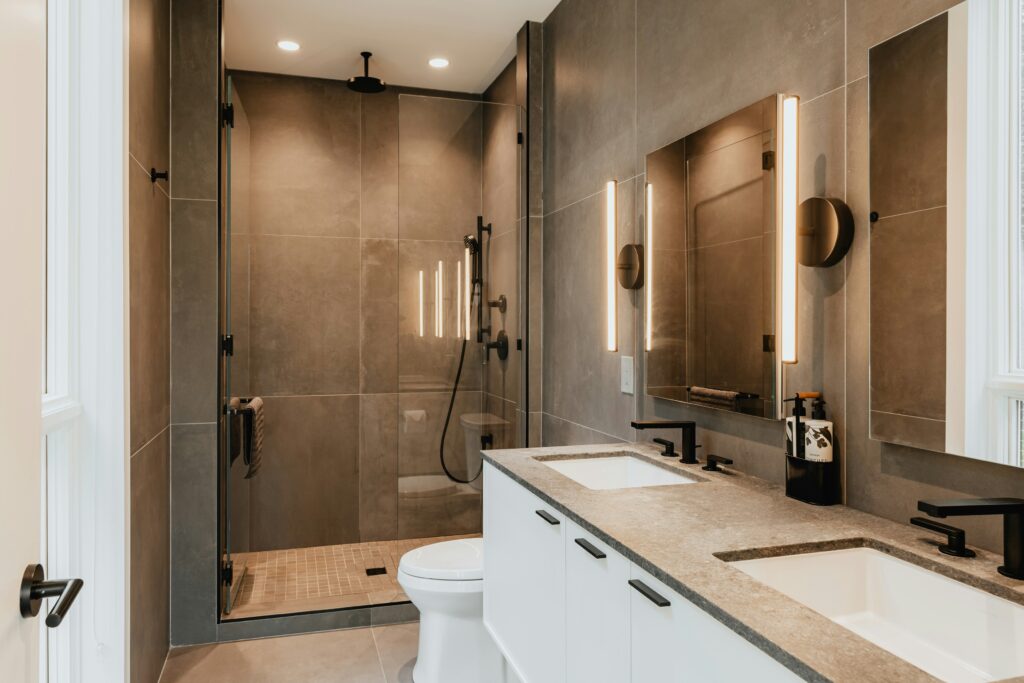
Careful planning before you touch a single tile is what separates a smooth remodel from a costly mistake — budget overruns affect roughly one in three homeowners, making a detailed plan your best protective investment.
According to This Old House’s 2026 homeowner survey, 1 in 3 homeowners exceeded their bathroom remodel budget, with the most common culprits being hidden water damage, unexpected plumbing issues, and scope creep during the project.
Step 1: Set a Realistic Budget Before Anything Else
Write down every task you want done, then research material costs separately from what a professional would charge for the same work. The gap between those two numbers is your DIY savings potential. Don’t forget to build in a contingency fund — 10–15% of your total budget is a reasonable cushion for surprises behind walls and under floors.
Step 2: Decide What You’ll DIY and What You Won’t
Be honest with yourself. Painting, vanity swaps, fixture updates, and accessory installs are well within reach for most motivated beginners. Electrical panel changes, moving drain lines, and anything involving load-bearing walls are a different matter entirely. Permits for bathroom work typically run $400–$1,250 depending on your municipality, and skipping them when required can complicate a future home sale.
Step 3: Gather Your Materials and Tools First
Starting demolition before your replacement tile arrives is one of the most common rookie mistakes. Order everything — flooring, fixtures, hardware, grout — and confirm it’s in hand before you begin tearing things apart. Living without a functioning bathroom is miserable; don’t extend that window unnecessarily.
Step 4: Work in the Right Order
Demolition comes first, followed by any plumbing or electrical rough-in work (done by a licensed pro if needed), then waterproofing, tile, fixtures, vanity, paint, and finally trim and accessories. Skipping ahead is tempting but almost always creates rework.
Small Bathroom Remodel Ideas for 2026 That Actually Work on a Budget
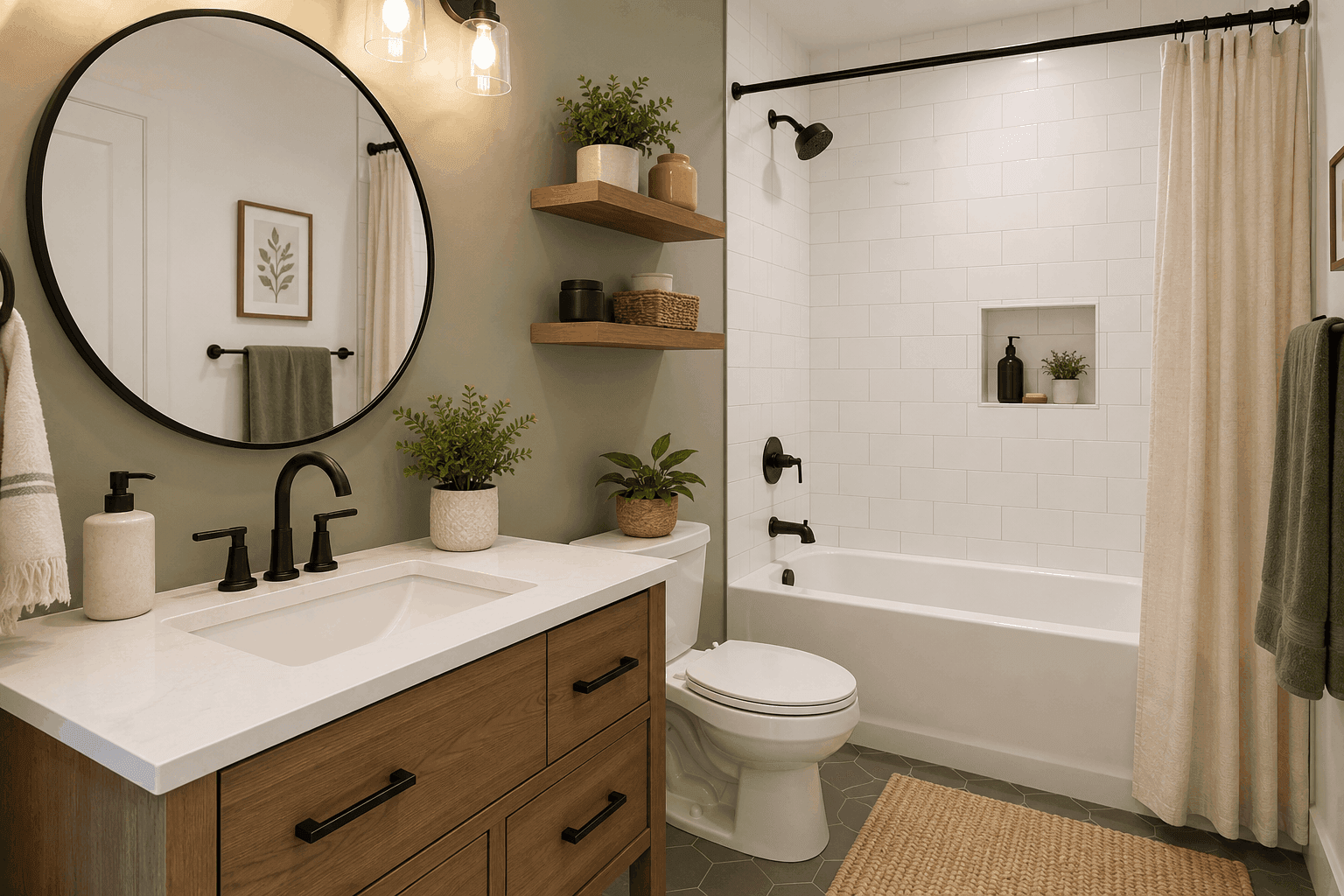
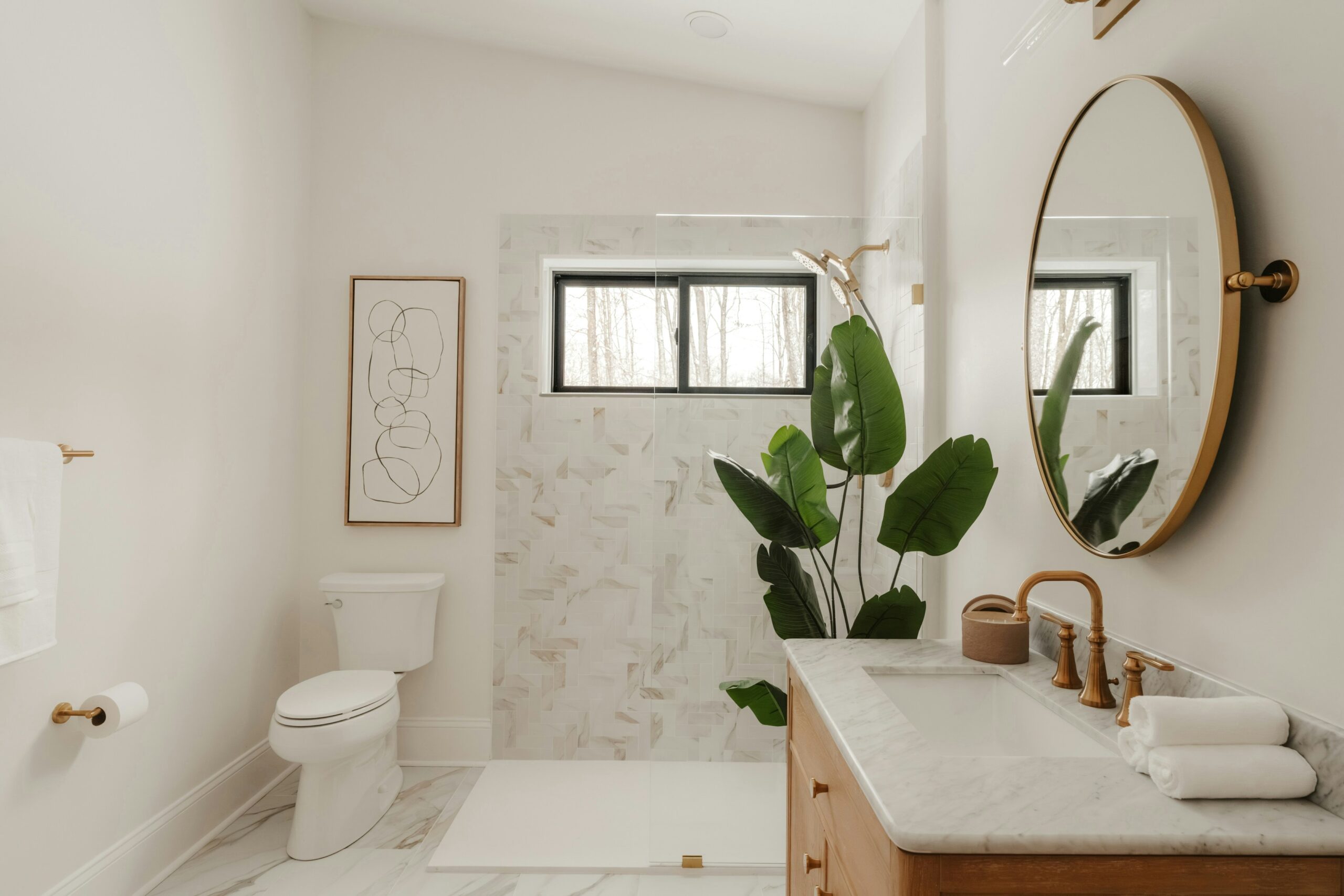
Strategic cosmetic upgrades — new paint, updated hardware, and improved lighting — can transform a small bathroom’s look and feel for well under $1,000 when done yourself.
Which Upgrades Give You the Most Bang for Your Buck?
Fixr.com’s analysis of 20 budget bathroom upgrades found that DIY labor alone can cut overall remodel costs by around $6,000 on average. The highest-value low-cost moves tend to be:
Fresh paint is the perennial champion — at $2–$4 per square foot in materials, it delivers an outsized visual return. Light fixture swaps (think brushed nickel or matte black instead of dated brass) run $40–$150 and take an afternoon. Replacing a builder-grade mirror with a framed one or adding an inexpensive medicine cabinet adds storage and visual depth without touching plumbing. Open shelving at $20–$80 per unit solves storage problems in tiny bathrooms without the cost of new cabinetry.
Should You Retile or Refinish?
New tile is beautiful, but refinishing or reglazing existing tile costs a fraction of full replacement. If your tile is structurally sound but dated in color, a professional reglaze runs $300–$600 for a tub surround — or you can use a DIY refinishing kit for $30–$80. The DIY version requires more care and patience, but the result can last several years with proper maintenance.
Lighting: The Underrated Budget Upgrade
Bathroom lighting dramatically affects how a space feels. Replacing a single overhead fixture with layered lighting — a vanity bar plus a recessed ceiling light — changes the entire atmosphere. If the existing wiring supports it (same circuit, same box location), this is a DIY-friendly project. If you’re adding a new circuit or moving the box, call an electrician.
What’s the ROI on a DIY Bathroom Remodel?
Mid-range bathroom remodels historically recover a meaningful portion of their cost at resale, though actual returns vary significantly by market, execution quality, and buyer expectations.
According to the Zonda Cost vs. Value Report data aggregated by Terrafez in their 2026 bathroom remodeling statistics roundup, mid-range bathroom remodels return approximately 80% of their cost at resale, while HomeAdvisor reports homeowners recoup around 70% — figures that vary by region and market conditions.
ROI matters, but it shouldn’t be your only lens. A bathroom you actually enjoy using every day has real quality-of-life value that doesn’t show up in resale data. That said, be cautious about over-improving relative to your neighborhood — a $30,000 luxury renovation in a market where homes sell for $200,000 is unlikely to recoup proportionally.
Alternative Perspectives
Not everyone agrees that DIY is the right call, even on a budget. Some contractors and home inspectors argue that amateur tile work, improperly sealed shower surrounds, or incorrect vanity plumbing connections can lead to water damage that costs far more to remediate than the original labor savings. On the other hand, experienced DIYers and budget-renovation advocates point out that most cosmetic bathroom work is genuinely learnable from quality tutorials and that professional quotes often include significant markup on straightforward tasks. The honest answer is that DIY suitability is highly individual — your comfort with tools, your ability to identify when something has gone wrong, and your willingness to stop and call a pro mid-project all factor in. A hybrid approach — DIY the cosmetic work, hire out the plumbing and electrical — is often the most practical middle ground.
Safety and When to Call a Professional
Most cosmetic bathroom work is safely DIY-able, but plumbing, electrical, and structural work carry real risks — both to personal safety and to your home’s resale value and insurability.
Non-Negotiable Situations for Hiring a Pro
If you’re moving a drain, adding an electrical circuit, or touching anything behind your main panel, hire a licensed professional. These aren’t areas where YouTube tutorials are a substitute for experience and licensure. The same applies to any structural work — if you’re removing a wall, you need to know whether it’s load-bearing before anything comes down.
Safety Notes for Common DIY Tasks
Always turn off water supply valves before disconnecting any plumbing fixture — and test that they actually work before you start. Wear a respirator when sanding old tile adhesive or joint compound, as older homes may contain materials that require special handling. Use a GFCI-protected outlet for any power tools in the bathroom, and never work on live wiring.
Frequently Asked Questions
DIY labor savings can be substantial. Fixr.com’s industry data suggests the average savings from DIY bathroom work is approximately $6,000, since labor typically accounts for 40–50% of total professional remodel costs. Your actual savings will depend on which tasks you handle yourself and your local labor market rates.
It depends on the scope of work and your local building codes. Cosmetic updates like painting, fixture swaps, and vanity replacements generally don’t require permits. Moving plumbing, adding electrical circuits, or altering the bathroom’s layout typically do. Permit costs range from $400–$1,250 according to Modernize’s 2026 data. Always check with your local building department before starting.
The highest-impact, lowest-cost updates are fresh paint, new hardware (towel bars, toilet paper holder, faucet), updated lighting, and a new mirror or medicine cabinet. Done yourself, these changes can transform a bathroom’s look for $200–$500 and typically require no permits or specialized skills.
A cosmetic refresh (paint, fixtures, accessories) can be completed in a weekend. A mid-scope remodel involving new flooring, vanity replacement, and shower updates typically takes 1–3 weeks for a DIYer working evenings and weekends, particularly because tile work and grout need cure time between steps. Factor in time for material delivery and any unexpected repairs discovered during demolition.
Disclaimer: The information in this guide is intended for educational and inspirational purposes only. DIY home renovations, particularly bathroom remodeling, involve inherent risks including water damage, structural failure, electrical hazards, and exposure to hazardous materials (such as mold, lead, or asbestos). Standard homeowners insurance may not cover damages caused by unpermitted or non-professional plumbing and electrical work. Always consult with a licensed plumber, electrician, or structural engineer before modifying your home’s core systems, and verify local building code and permit requirements in your municipality.