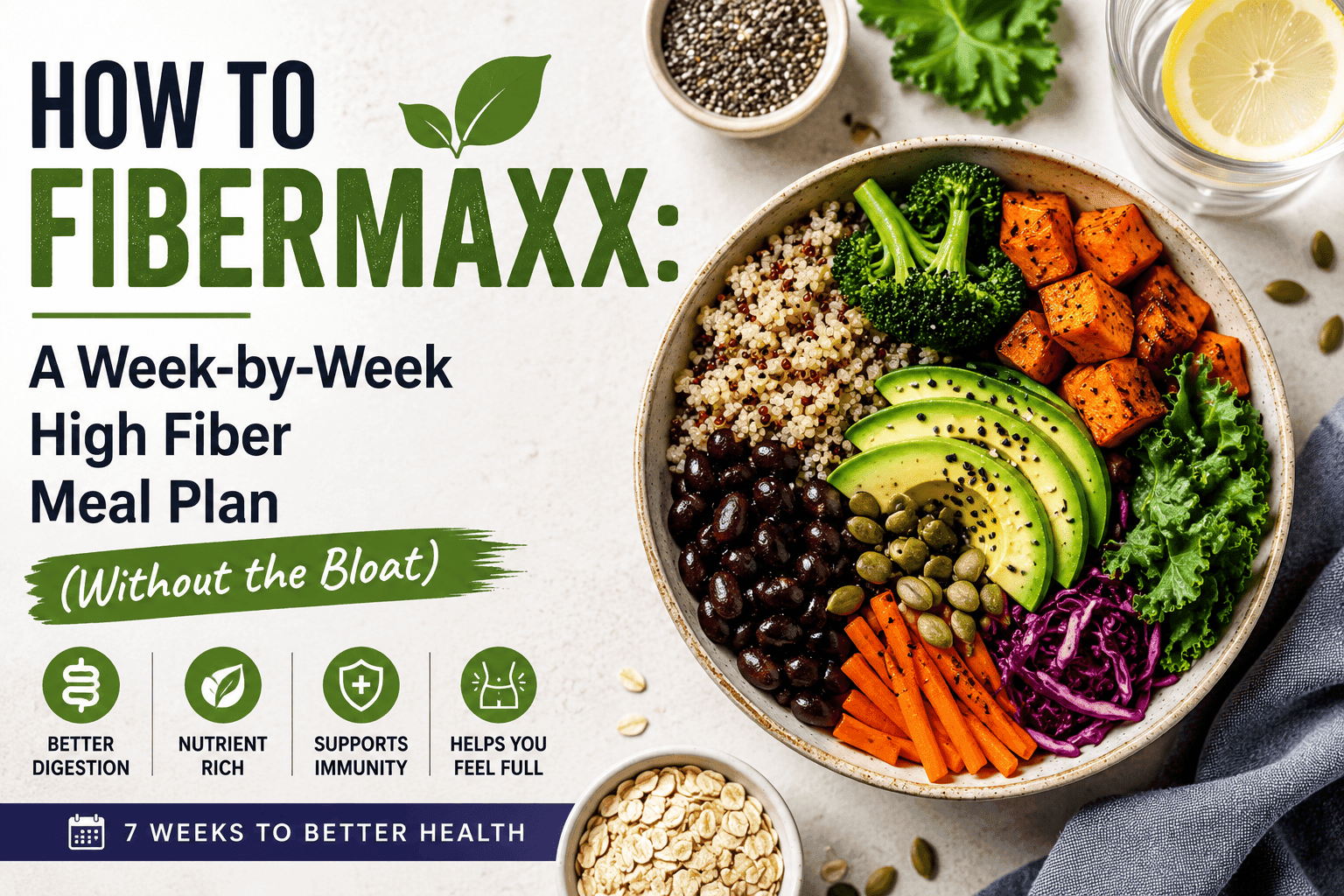
Somewhere between raw carrot sticks and viral TikTok smoothie bowls, a new dietary movement quietly took hold — fibermaxxing. The concept is straightforward: intentionally maximize your daily fiber intake to support gut health, weight management, and long-term disease prevention. But does the science back the trend, or is this another wellness wave that oversimplifies a nuanced picture? As part of our broader coverage of Health articles and nutrition basics, this article breaks down what researchers actually know about high fiber diet benefits — and where the evidence gets complicated.
What Is Fibermaxxing and Why Is It Trending?
Fibermaxxing is the practice of deliberately maximizing dietary fiber intake, typically well above standard recommendations, with the goal of improving gut health, metabolic markers, and reducing chronic disease risk.
The term “fibermaxxing” emerged from online wellness communities, particularly on platforms like TikTok and Reddit, where users documented dramatic improvements in digestion, energy levels, and even mood after significantly increasing their fiber consumption. Unlike many diet trends, this one has an unusually strong scientific foundation to draw from — though the extreme end of the spectrum deserves measured scrutiny.
Most adults in the United States consume significantly less fiber than recommended. According to the NIH, average American fiber intake hovers around 10–15 grams per day — well below the recommended 25–38 grams. Fibermaxxing proponents often aim for 50 grams or more, which raises both potential benefits and legitimate questions.
Understanding the Different Types of Dietary Fiber
Dietary fiber falls into two main categories — soluble and insoluble — each with distinct mechanisms of action in the body and different effects on gut health and chronic disease risk.
Not all fiber is created equal. Understanding the distinction helps contextualize many of the health claims associated with high fiber diets.
Soluble Fiber: The Gut Microbiome Fuel
Soluble fiber dissolves in water and forms a gel-like substance in the digestive tract. It is fermented by gut bacteria, producing short-chain fatty acids (SCFAs) like butyrate, propionate, and acetate. These SCFAs play a significant role in gut barrier integrity, immune regulation, and may help reduce systemic inflammation. Sources include oats, legumes, apples, barley, and psyllium husk.
Insoluble Fiber: The Digestive Regulator
Insoluble fiber does not dissolve in water. It adds bulk to stool, supports regular bowel movements, and reduces intestinal transit time. Research suggests this reduced transit time may lower the colon’s exposure to potential carcinogens. Key sources include whole wheat, brown rice, nuts, seeds, and the skins of many vegetables and fruits.
What Are the Evidence-Based High Fiber Diet Benefits?
Research associates high dietary fiber intake with reduced risk of cardiovascular disease, type 2 diabetes, colorectal cancer, and improved gut microbiome diversity, though effect sizes and causality vary across studies.
Gut Health and Fiber: A Well-Established Connection
The relationship between gut health and fiber is among the most researched areas in nutritional science. Fiber feeds beneficial gut bacteria — particularly Bifidobacterium and Lactobacillus strains — which in turn produce SCFAs critical for colon cell health. A more diverse microbiome, supported by varied fiber sources, has been associated with lower rates of inflammatory bowel conditions, allergies, and metabolic dysfunction.
A 2022 study published in Cell Host & Microbe found that a high-fiber diet significantly increased gut microbiome diversity and SCFA production compared to a high-fermented-food diet over a 10-week intervention period, though both dietary approaches showed distinct microbiome benefits.
Fiber for Colon Cancer Prevention: What Does the Evidence Show?
One of the most cited benefits of high fiber diets is their potential role in fiber for colon cancer prevention. The evidence here is substantial, though researchers are careful to characterize it as associative rather than definitively causal.
A large prospective study published in The Lancet via PubMed involving over 500,000 participants across 10 European countries found that individuals with the highest dietary fiber intake had a significantly lower risk of colorectal cancer compared to those with the lowest intake. The proposed mechanisms include reduced intestinal transit time, dilution of potential carcinogens, SCFA production supporting colonocyte health, and favorable shifts in bile acid metabolism.
Cardiovascular and Metabolic Benefits
Soluble fiber, particularly beta-glucan from oats and barley, has demonstrated consistent ability to lower LDL cholesterol in clinical trials by binding bile acids in the gut and facilitating their excretion. Studies also suggest high fiber diets may improve insulin sensitivity and reduce postprandial blood glucose spikes, which has implications for type 2 diabetes prevention and management.
Weight Management and Satiety
Fiber contributes to feelings of fullness through multiple mechanisms: it slows gastric emptying, increases meal volume without caloric density, and may influence satiety hormones like GLP-1 and PYY. Research suggests higher fiber intakes are associated with lower body weight over time, though the effect is modest and context-dependent.
Best High Fiber Foods: A Practical Comparison
The best high fiber foods combine high fiber density with additional nutritional value, including micronutrients, antioxidants, and protein — making whole plant foods generally preferable to isolated fiber supplements.
| Food | Serving Size | Fiber (grams) | Primary Fiber Type | Additional Key Nutrients |
|---|---|---|---|---|
| Split peas (cooked) | 1 cup (196g) | 16.3g | Soluble & Insoluble | Protein, folate, manganese |
| Black beans (cooked) | 1 cup (172g) | 15.0g | Soluble & Insoluble | Protein, iron, magnesium |
| Avocado | 1 medium (150g) | 10.1g | Soluble & Insoluble | Healthy fats, potassium, vitamin K |
| Oats (dry rolled) | ½ cup (40g) | 4.0g | Soluble (beta-glucan) | Manganese, phosphorus, B vitamins |
| Chia seeds | 2 tablespoons (28g) | 9.8g | Soluble (mucilaginous) | Omega-3s, calcium, phosphorus |
| Broccoli (cooked) | 1 cup (156g) | 5.1g | Insoluble | Vitamin C, vitamin K, sulforaphane |
| Psyllium husk (supplement) | 1 tablespoon (9g) | 7.0g | Soluble | Minimal additional nutrition |
Data sourced from the USDA FoodData Central database. Values are approximate and may vary by preparation method and variety.
Official Fiber Intake Recommendations: How Much Is Enough?
Global health organizations recommend 25–38 grams of fiber daily for adults, with some recent research suggesting intakes toward the higher end of this range may confer additional health benefits.
The World Health Organization recommends a minimum of 25 grams of dietary fiber per day for adults as part of a healthy diet, emphasizing that fiber should come predominantly from whole plant foods rather than isolated supplements. These guidelines are designed to support cardiovascular health, healthy weight maintenance, and reduced chronic disease risk.
According to researchers at Harvard T.H. Chan School of Public Health, analyzing data from multiple prospective cohort studies, every 10-gram increase in daily fiber intake was associated with approximately a 10% reduction in risk of all-cause mortality, with the strongest associations seen for fiber from cereal grains and fruits.
Does Fibermaxxing Go Too Far?
Here is where measured caution matters. While increasing fiber from the typical American intake of 10–15g toward the recommended 25–38g range has strong evidentiary support, consuming very high amounts — particularly through rapid dietary changes or heavy supplementation — can cause significant gastrointestinal distress, including bloating, gas, cramping, and diarrhea. Extremely high fiber intakes — especially from unrefined grains, raw seeds, and legumes — introduce an excess of phytic acid (phytates). This antinutrient binds tightly to essential minerals like calcium, iron, and zinc in the digestive tract, forming insoluble complexes that your body cannot absorb, potentially leading to micronutrient deficiencies over time. People with irritable bowel syndrome (IBS), Crohn’s disease, or other gastrointestinal conditions may find that certain types or amounts of fiber worsen their symptoms.
Alternative Perspectives
Not all nutrition researchers and clinicians are enthusiastic about the fibermaxxing framing. Some gastroenterologists caution that for individuals with functional gut disorders like IBS — particularly those sensitive to FODMAPs (fermentable oligosaccharides, disaccharides, monosaccharides, and polyols) — aggressively increasing fiber intake can trigger or worsen symptoms rather than alleviate them. High-fiber foods are frequently high-FODMAP foods, meaning the same foods celebrated in fibermaxxing content (garlic, onions, legumes, apples) may be foods these individuals need to limit.
Additionally, some researchers note that fiber research is largely observational, making it difficult to isolate fiber’s effects from those of the overall dietary pattern. People who eat more fiber tend to eat more vegetables, fruits, and whole grains broadly — and less ultra-processed food — making attribution challenging. A minority of researchers also argue that individual microbiome variation means fiber’s benefits are not uniform, and personalized nutrition approaches may be more appropriate than population-wide high-fiber prescriptions.
How to Increase Fiber Intake Safely and Sustainably?
Gradually increasing fiber intake over several weeks, prioritizing whole food sources over supplements, and ensuring adequate hydration are the most evidence-supported strategies for avoiding digestive discomfort during dietary transitions.
Practical Strategies for Getting Started
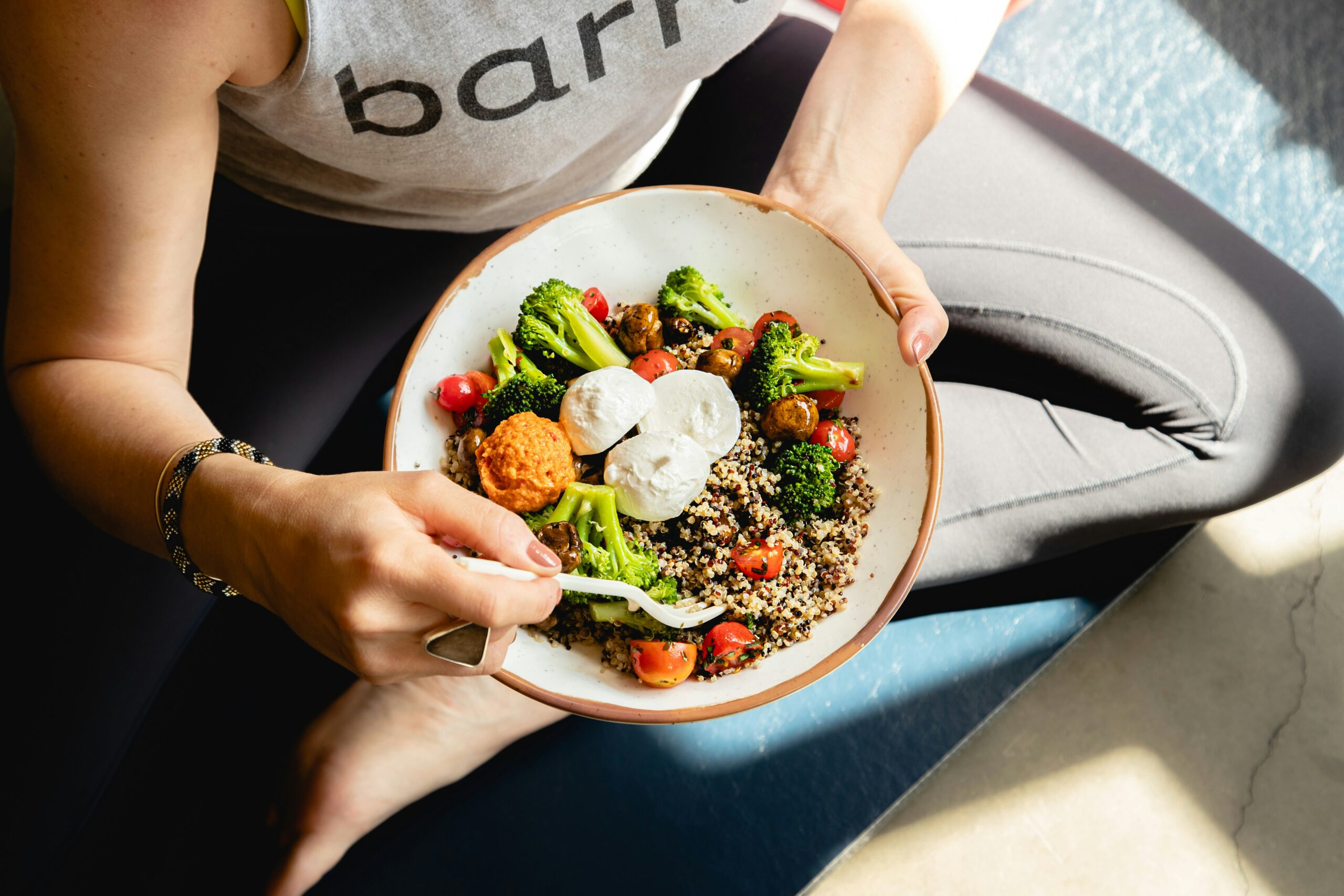
The key principle supported by dietetic guidance is incremental change. Adding 3–5 grams of fiber per week allows gut bacteria time to adapt and minimizes the bloating and cramping that abrupt increases often cause. Swapping refined grains for whole grains at one meal per day, adding a serving of legumes several times per week, and including a wide variety of vegetables and fruits across the week are all well-supported starting points.
Should You Use Fiber Supplements?
Supplements like psyllium husk, inulin, and partially hydrolyzed guar gum can help people bridge gaps in intake, and psyllium in particular has solid clinical evidence for LDL cholesterol reduction and improved glycemic response. However, whole food sources provide fiber alongside vitamins, minerals, antioxidants, and phytochemicals that isolated supplements do not replicate. Most nutrition researchers recommend using supplements as a complement to, rather than a replacement for, whole food fiber sources.
Frequently Asked Question
Official daily fiber targets depend strictly on biological sex and age, though average intakes globally fall short:
– Adult Men (under 50): 38 grams per day.
– Adult Women (under 50): 25 grams per day.
– Adults over 50: 30 grams (men) and 21 grams (women) as overall caloric needs decrease.
– The Reality: The average Western diet provides only 10–15 grams daily, making gradual optimization highly beneficial.
Yes, there is a strong protective association, supported by large prospective studies like The Lancet cohort. Fiber lowers colorectal cancer risks through four distinct biological mechanisms:
– Reduced Transit Time: Insoluble fiber accelerates waste removal, minimizing the time the colon lining is exposed to potential carcinogens.
– Carcinogen Dilution: Bulkier stool naturally dilutes toxic metabolic byproducts.
– SCFA Production: Fermentation of soluble fiber produces butyrate, which directly fuels and stabilizes healthy colon cells (colonocytes).
– Bile Acid Regulation: Fiber binds to secondary bile acids, preventing them from inducing cellular mutations.
To maximize fiber density and overall micronutrient intake, prioritize these whole food sources:
– Legumes: Split peas (16.3g per cup), black beans (15.0g per cup), and lentils.
– Seeds & Fruits: Avocado (10.1g per medium fruit) and Chia seeds (9.8g per 2 tablespoons).
– Whole Grains: Rolled oats (4.0g per half-cup) containing cholesterol-lowering beta-glucan.
– Cruciferous Vegetables: Cooked broccoli (5.1g per cup), which also provides sulforaphane.
While generally safe, pushing fiber boundaries too rapidly or exceeding 50–60 grams daily can backfire:
– Digestive Distress: Abrupt increases cause acute bloating, severe gas, painful cramping, and osmotic diarrhea as the microbiome struggles to process the sudden fermentable load.
– Mineral Blocking: Overconsuming fiber-bound phytates blocks the biological absorption of zinc, iron, and calcium.
– Clinical Risks: For individuals with FODMAP sensitivities, high-fiber eating can trigger severe IBS flares. Always increase your intake slowly (by 3–5 grams per week) and drastically increase your water consumption.
Disclaimer: While increasing dietary fiber aligns with general public health guidelines, aggressive “fibermaxxing” protocols can exacerbate underlying, undiagnosed functional gut disorders. If you suffer from Irritable Bowel Syndrome (IBS), small intestinal bacterial overgrowth (SIBO), or inflammatory bowel diseases (IBD), structural and osmotic responses to fiber types vary drastically. Always consult a registered dietitian or gastroenterologist before making rapid, extreme alterations to your daily macronutrient intake.