
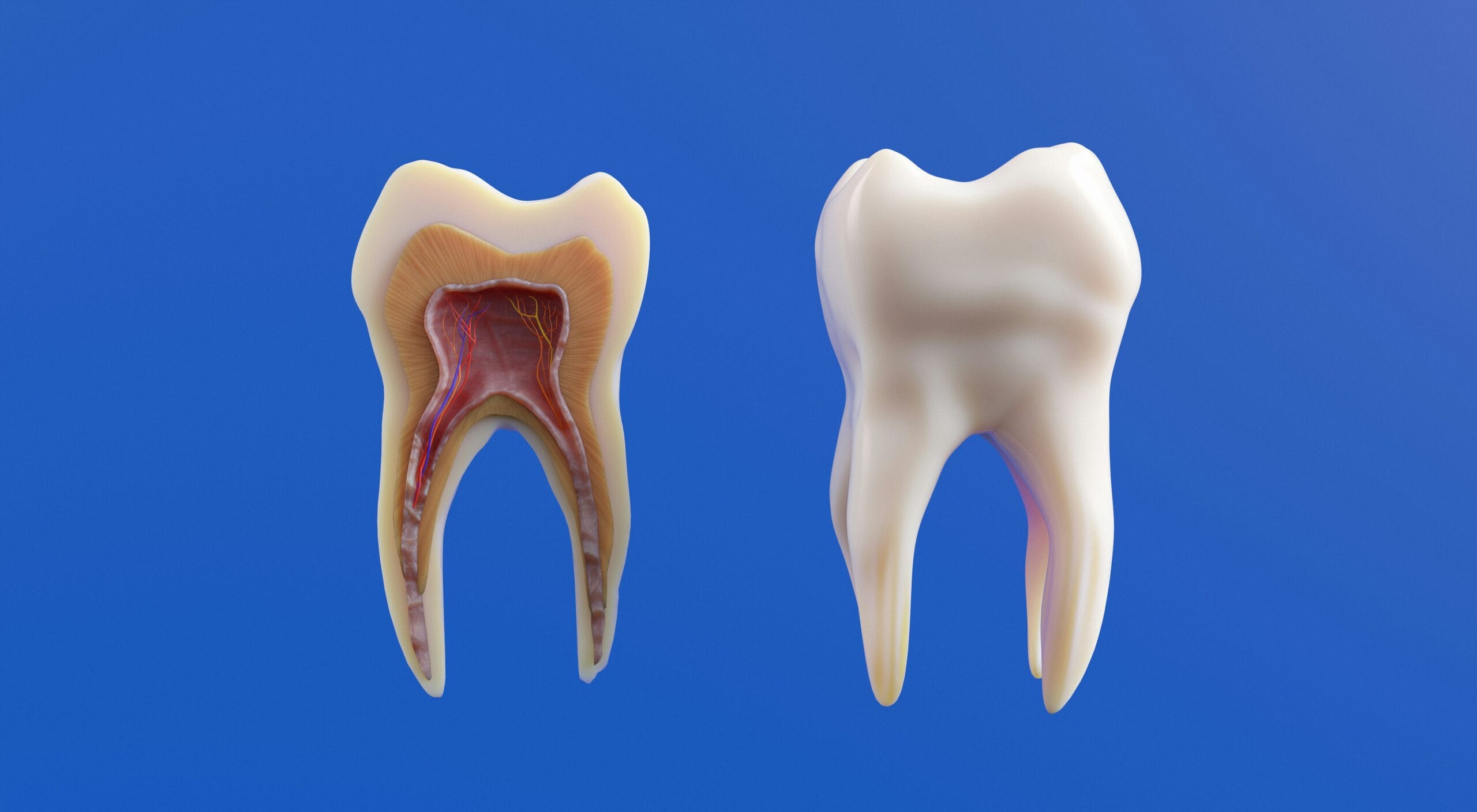
If your upper teeth have been aching and you also feel congested or have facial pressure, a sinus infection may be behind it. This connection surprises many people because tooth pain feels dental, so most assume the problem starts in the mouth. But doctors and dentists see this overlap constantly, and the anatomy explains exactly why it happens.
This guide covers what the research and clinical experts say about sinus-related tooth pain: why it occurs, how to tell it apart from a true dental problem, what treatment looks like, and when waiting is not a good idea.
Key Takeaways
- Sinus infections can cause real tooth pain because the roots of the upper molars sit very close to the maxillary sinuses, allowing sinus pressure and inflammation to irritate nearby nerves.
- Sinus-related tooth pain usually affects multiple upper teeth and often occurs alongside congestion, facial pressure, or symptoms of a cold, allergies, or sinusitis.
- Dental infections and sinus infections can cause each other. More than 40% of maxillary sinus infections may originate from dental problems, making proper diagnosis essential.
- Location and behavior of the pain provide important clues. Pain that worsens when bending forward or lying down often points to sinus involvement, while pain focused on a single tooth is more likely dental.
- Most sinus infections improve without antibiotics, but persistent symptoms, high fever, worsening pain, or recurrent infections should be evaluated by a dentist, physician, or ENT specialist.
- Misdiagnosis can delay effective treatment. Advanced imaging and evaluation of both dental and sinus health may be necessary, especially when symptoms persist or conventional X-rays fail to identify the underlying cause.
What Is Sinus Tooth Pain?
Sinus tooth pain refers to tooth discomfort that originates not from the tooth itself, but from inflammation or infection in the sinuses, specifically the maxillary sinuses, the largest sinus pair in the skull.
According to the Mayo Clinic, pain in the upper back teeth is a fairly common symptom of sinusitis. The reason comes down to anatomy: the roots of the upper molars sit very close to and in some people extend into the floor of the maxillary sinus cavity. When sinus tissue becomes inflamed, pressure builds and irritates those nearby tooth roots and their nerves.
The result is pain that feels just like a toothache, even though the tooth itself may be completely healthy.
Why Do Sinuses Cause Tooth Pain? The Anatomy
The maxillary sinuses are located behind the cheekbones, directly above the upper back teeth. This proximity is what makes sinus infections a common trigger for tooth pain and why lower teeth are almost never affected by sinus pressure.
When the sinus lining becomes inflamed:
- Mucus builds up and cannot drain properly
- Pressure increases inside the sinus cavity
- That pressure pushes downward toward the roots of the upper molars and premolars
- The surrounding nerves, unable to distinguish between sinus pressure and tooth injury, send a pain signal
As noted by researchers at the University of Texas Health Science Center at San Antonio, some patients have dental roots that extend directly into the maxillary sinus cavity, making the nerve irritation even more direct when infection or inflammation is present.
This shared nerve pathway is also why the connection works both ways: a tooth infection in the upper jaw can sometimes trigger sinus inflammation, and a sinus infection can produce what feels like a toothache.
Sinus Infection Tooth Pain vs. Dental Pain: How to Tell the Difference
This is where many patients and even some providers get confused. The pain can feel identical, but there are reliable patterns that help distinguish the two.
Signs the pain is more likely sinus-related
- Multiple upper teeth hurt at the same time dental problems are almost always localized to one tooth
- The pain is dull, deep, or heavy rather than sharp or throbbing
- Pain changes with head position bending forward, lying down, or tilting the head increases discomfort
- Congestion, facial pressure, or fullness is also present
- The pain appeared during or shortly after a cold, flu, or allergy flare
- Pain does not worsen significantly when biting down on one specific tooth
- Pain improves as congestion clears
Signs the pain is more likely dental in origin
- Pain is focused on one specific tooth
- The pain is sharp, throbbing, or stabbing
- Chewing or biting makes it noticeably worse
- Visible swelling in the gum or cheek
- Pain turns into a sharp, throbbing, or stabbing ache at night (unlike sinus pressure, true dental pain hits like a lightning bolt when lying down and is strictly localized to one spot, without added nasal stuffiness).
- Pain persists long after sinus congestion resolves.
- Sensitivity to hot or cold on one tooth
According to clinical patterns reported by dental specialists, if someone’s lower teeth are hurting during a sinus infection, dental causes should be considered first. Lower teeth have no anatomical connection to the sinuses.
A Clinically Important Detail Most Articles Miss: Dental Infections Can Cause Sinus Infections
Most content focuses on sinusitis causing tooth pain. The reverse is equally important and significantly underdiagnosed.
Research cited by the University of Texas Health Science Center at San Antonio shows that more than 40% of maxillary sinus infections originate from a dental source, a condition known as maxillary sinusitis of dental origin (MSDO). A related condition, maxillary sinusitis of endodontic origin (MSEO), develops specifically from infected tooth roots.
Common dental causes of sinus infection include gum disease, failing dental fillings, dental implant complications, and tooth extractions near the sinus floor.
The diagnostic challenge is significant: inflammation from these dental sources does not reliably appear on conventional X-rays. As a result, studies suggest that up to 86% of dental-origin sinus cases go undiagnosed initially, leading patients through repeated antibiotic courses and sometimes unnecessary sinus surgery without relief, because the source remains in the tooth.
Dr. Anibal R. Diogenes, a professor of endodontics at UT Health San Antonio, has stated that patients can endure several rounds of antibiotics and even costly surgery with no relief if a dental infection is being treated as a sinus condition, or the reverse.
This bidirectional relationship is why proper evaluation not assumptions is the only reliable path to the correct diagnosis.
Types of Sinus Infections and How They Relate to Tooth Pain
Not all sinus infections are the same, and the type can affect how tooth pain presents and how long it lasts.
Viral sinusitis
The most common type, usually triggered by the same viruses that cause the common cold. Symptoms typically resolve within 7 to 10 days without antibiotics. Tooth pain associated with viral sinusitis usually fades as congestion clears.
Bacterial sinusitis
Develops when bacteria take advantage of the inflamed, mucus-filled sinus environment. More likely if symptoms persist beyond 10 days, worsen after initial improvement, or include a fever above 102.2°F. Tooth pain from bacterial sinusitis can be more persistent and may require antibiotic treatment.
Chronic sinusitis
Lasts longer than 12 weeks and can persist for months. Tooth discomfort in chronic cases may come and go depending on the level of sinus inflammation. This form is more likely to involve a dental source and may warrant referral to an ENT or endodontist.
According to GoodRx’s clinical review, approximately 85% of sinus infections resolve within two weeks without antibiotics but bacterial forms, and those with dental origins, need targeted treatment.
Why Sinus Tooth Pain Often Feels Worse at Night
A common pattern that concerns many patients: tooth pain feels manageable during the day but intensifies at night.
There are clear physiological reasons for this:
- When lying down, sinus drainage slows significantly mucus does not move as easily, and pressure builds more quickly
- Horizontal positioning increases blood flow to the face, adding to the sensation of fullness and pressure
- Nighttime removes the distractions of daily activity, making pain that was tolerable during the day feel much more intense
While true dental pain (like an inflamed pulp) also worsens at night due to increased blood pressure in the jaw, sinus-induced tooth pain has a distinct character when you lie down.
Instead of becoming a sharp, localized, and throbbing toothache, nighttime sinus pain is accompanied by a noticeable increase in facial fullness, a clogged sensation in the cheekbones, and shifting nasal congestion. This pattern does not mean your tooth is decaying further; it simply reflects the fluid dynamics of your sinuses when horizontal.
What Doctors Recommend: Evaluation and Diagnosis
Because sinus tooth pain and dental tooth pain overlap so closely, guessing at the cause and treating the wrong one leads to delays, unnecessary procedures, and sometimes complications.
The recommended evaluation path
Step 1 — Start with your dentist. Even when symptoms strongly suggest sinuses, the Mayo Clinic advises starting with a dental exam to rule out cavities, gum disease, cracks, or other dental causes. A dentist will examine the teeth, gums, and any existing restorations, and may take X-rays.
Step 2 — If dental causes are ruled out, see your primary care provider or ENT. Your doctor will assess whether sinusitis or another condition is responsible. In cases where symptoms are complex or recurrent, a referral to an ear, nose, and throat specialist (otolaryngologist) is common and appropriate.
Step 3 — Consider an endodontist for unclear cases. Dr. Diogenes of UT Health San Antonio recommends that anyone with unexplained upper tooth pain request a referral to an endodontist (root canal specialist). Endodontists use advanced imaging equipment and tooth vitality testing to quickly distinguish between dental and sinus sources and can either treat a dental infection or confidently refer the patient to ENT care.
What imaging actually shows
Conventional dental X-rays may miss dental-origin sinus inflammation in up to 86% of cases. Cone beam computed tomography (CBCT) provides a three-dimensional view of both tooth roots and sinus anatomy, and is significantly more reliable for identifying whether an infected root has breached the sinus floor.
Treatment Options
Treatment depends entirely on the confirmed source of the pain.
When the cause is sinusitis
For most acute sinus infections, the following approaches are appropriate for symptom management:
- Saline nasal rinses or sprays — reduce congestion and promote drainage
- Decongestants (pseudoephedrine, oxymetazoline) — reduce sinus swelling
- Nasal corticosteroid sprays (fluticasone/Flonase) — reduce inflammation
- Warm compresses applied to the face
- Steam inhalation from a hot shower or bowl of warm water
- OTC pain relievers (acetaminophen or ibuprofen) for discomfort
- Rest and adequate hydration
Antibiotics are appropriate only when a bacterial infection is confirmed or strongly suspected, typically when symptoms persist beyond 10 days, worsen after initial improvement, or include fever above 102.2°F. Antibiotic overuse carries real risks: serious allergic reactions, side effects, and the development of drug-resistant bacteria.
When tooth pain resolves as the sinus infection improves, no dental treatment is necessary.
When the cause is dental
If a dental infection is found to be driving sinus inflammation, sinus treatment alone will not resolve the problem. A dentist or endodontist will address the source directly:
- Dental filling for a cavity
- Root canal treatment for an infected tooth root
- Crown or inlay/onlay for extensive decay or fracture
- Extraction in cases where the tooth cannot be saved
- Implant reassessment if a dental implant is involved
Treating the dental source typically resolves associated sinus symptoms in these cases.
When to Seek Care and When Not to Wait
Most sinus infections improve on their own. But there are clear situations where waiting is the wrong choice.
See a dentist or doctor if:
- Tooth pain or sinus symptoms last more than 7 to 10 days without improvement
- Symptoms improve, then return or worsen
- Pain becomes focused on one specific tooth
- Swelling appears in the gum, cheek, or around the eye
- Fever persists for more than 3 to 4 days, or reaches 102°F or higher
- You have a condition that affects your immune system (diabetes, pregnancy, immunosuppressive medications)
Seek emergency care immediately if you experience:
- Severe headache that is getting worse
- Neck stiffness or pain
- Swelling around or behind the eyes
- Difficulty or pain moving your eyes
- Vision changes
- Confusion or change in consciousness
- Any stroke-like symptoms
These are rare but represent potential complications of an untreated sinus infection spreading beyond the sinuses conditions that require immediate hospital care.
What Happens if Sinus Tooth Pain Is Misdiagnosed
The consequences of misdiagnosis run in both directions:
If sinus pain is assumed to be dental:
- Healthy teeth may be treated unnecessarily
- Underlying sinus infection goes unresolved
- Patient may receive antibiotics that do not address the actual problem
If dental pain is assumed to be sinus-related:
- A tooth infection can worsen and spread
- Pain becomes more severe
- Treatment becomes more complex and costly
- In rare but serious cases, untreated dental infections near the sinus can spread to surrounding structures
As Dr. Diogenes has emphasized, the failure to identify the correct source can lead to complications including chronic sinusitis, abscesses, or orbital swelling. In severe, untreated cases, infection can theoretically reach the brain an outcome that is rare, but underscores why proper diagnosis matters.
The Bottom Line
Tooth pain from a sinus infection is real, common, and easily confused with dental disease. The anatomy, specifically the proximity of upper molar roots to the maxillary sinus explains why sinusitis can feel exactly like a toothache, and why upper tooth infections can trigger sinus inflammation.
The key clinical insight that separates well-informed patients from those who cycle through repeated treatments without resolution: the cause runs in both directions, and up to 86% of dental-origin sinus cases are missed on conventional imaging.
When symptoms last more than a few days, localize to one tooth, or fail to improve with sinus treatment, an evaluation that looks carefully at both dental and sinus health is the most reliable path to the right answer and the right care.
Medical Disclaimer: This article is for informational purposes only and does not constitute medical or dental advice. Individual symptoms vary, and results may differ from person to person. Please consult a licensed dentist, physician, or ENT specialist for diagnosis and treatment recommendations specific to your situation.
Frequently Asked Questions
Can a sinus infection really make my teeth hurt that much?
Yes. Pressure inside a closed sinus cavity has nowhere to go, and that pressure directly compresses nerves near the upper tooth roots. The intensity can be comparable to or sometimes exceed the pain of a true tooth infection.
Why does only the upper jaw hurt, not the lower?
Only the upper molars and premolars are anatomically close to the maxillary sinuses. Lower teeth have no proximity to any sinus cavity. Lower tooth pain during a sinus infection strongly suggests a dental source.
Will the tooth pain go away on its own?
If the underlying cause is purely sinus-related, tooth pain typically resolves as the sinus infection clears usually within 7 to 10 days for viral infections. If pain persists after congestion resolves, a dental evaluation is warranted.
Do I need antibiotics?
Not automatically. Most sinus infections are viral and resolve without antibiotics. Antibiotics are appropriate only for confirmed or strongly suspected bacterial infections. Your provider can assess which situation applies.
Should I see a dentist or a doctor first?
Start with your dentist to rule out dental causes. If the teeth check out as healthy, your dentist will likely refer you to a physician or ENT. For complex or recurrent cases, an endodontist can evaluate both tooth health and sinus proximity using advanced imaging.
Can a tooth infection cause a sinus infection?
Yes and this is more common than most people realize. Over 40% of maxillary sinus infections have a dental origin. If you have a history of dental work on upper teeth and recurrent sinus problems, this connection is worth discussing with both your dentist and ENT.