The Short Answer – and Why the Details Matter
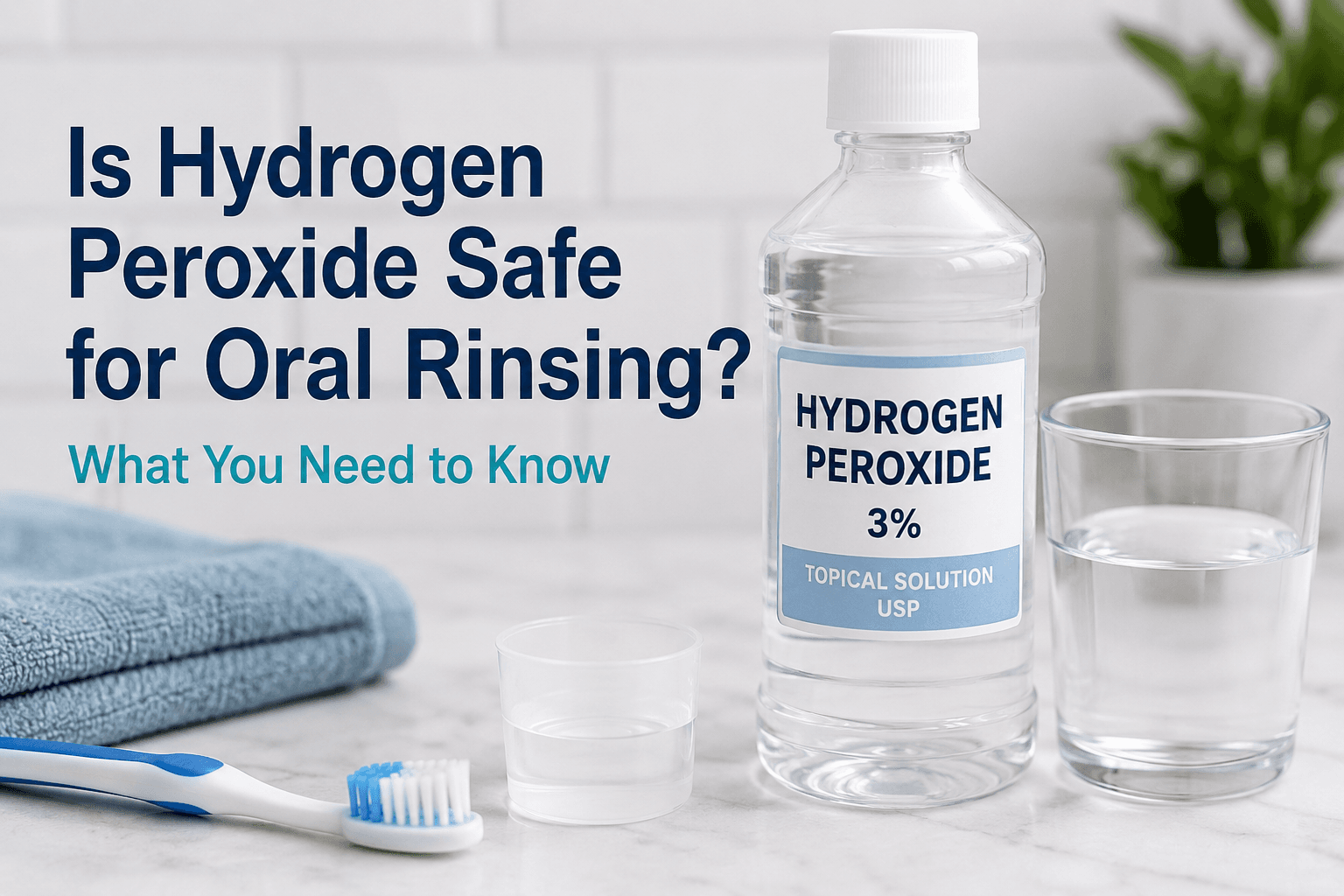
Can you gargle with hydrogen peroxide? Yes – when it’s properly diluted, used correctly, and used in moderation. Hydrogen peroxide has been used in dentistry for over a century, and it’s an active ingredient in several commercial mouthwashes you can buy at any drugstore today.
But that “yes” comes with real conditions. Used at the wrong concentration, too frequently, or without dilution, a hydrogen peroxide mouthwash can irritate gum tissue, disrupt the balance of bacteria in your mouth, and in extreme cases cause chemical burns. The difference between a useful oral rinse and a harmful one comes down entirely to how you use it.
This guide covers what hydrogen peroxide actually does in the mouth, the right way to dilute it, what the research says about its benefits, the side effects to watch for, who should avoid it, and how it compares to other rinses like saltwater and commercial mouthwash.
Key Takeaways
- Diluted hydrogen peroxide (around 1–1.5%) is generally considered safe for occasional oral rinsing in healthy adults.
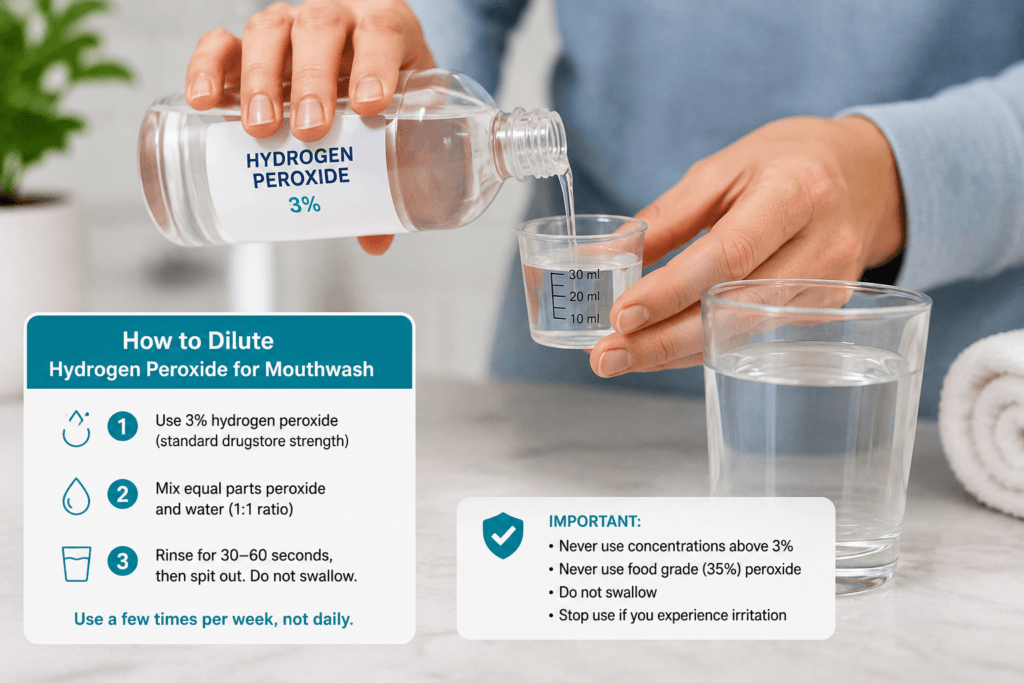
- Standard drugstore hydrogen peroxide is 3% – it should be diluted with equal parts water before use as a mouth rinse.
- Never use concentrations above 3% in the mouth. Food grade hydrogen peroxide (often 35%) is dangerous and must never be used for oral rinsing without professional dilution.
- Hydrogen peroxide has documented antibacterial and anti-inflammatory benefits – it can help with gum inflammation, minor mouth sores, and sore throat relief.
- It is not a daily-use product. Most dental professionals suggest limiting use to a few times per week.
- It will not meaningfully whiten teeth at rinse concentrations, despite the popular belief.
- Children, pregnant women, and people with certain oral conditions should not use peroxide rinses without consulting a dentist.
What Is Hydrogen Peroxide and Why Is It Used in Oral Care?
Hydrogen peroxide (H₂O₂) is a simple compound – water with an extra oxygen atom. That extra oxygen is what makes it useful: when hydrogen peroxide contacts tissue or bacteria, it breaks down and releases oxygen. This oxidation process damages the cell walls of bacteria, viruses, and fungi, which is why it has been used as an antiseptic since the early 1900s.
That familiar foaming you see when peroxide bubbles in your mouth? That’s the release of oxygen as the compound breaks down on contact with an enzyme called catalase, which is present in blood, saliva, and bacteria. The bubbling action also has a mechanical benefit – it helps loosen debris from the gum line and between teeth, which is why dentists sometimes describe peroxide as an “oral debriding agent.”
In dentistry, hydrogen peroxide appears in two main contexts:
- Low concentrations (1–3%) – used in oral rinses for antibacterial and anti-inflammatory purposes, and in some commercial mouthwashes like Colgate Peroxyl
- Higher concentrations (10–40%) – used in professional teeth whitening treatments, applied under controlled conditions with gum protection
The distinction matters: the whitening concentrations used by dentists are far stronger than anything safe for home rinsing, and the protective measures used in a dental office can’t be replicated at the bathroom sink.
How to Dilute Hydrogen Peroxide for Mouthwash: Step by Step
This is the part that determines whether peroxide rinsing is safe or harmful. The standard hydrogen peroxide sold in U.S. drugstores is a 3 percent solution – and even that should be diluted before oral use.
The Correct Ratio
Mix equal parts 3% hydrogen peroxide and water. This produces a 1.5% solution – strong enough for antibacterial benefit, gentle enough to minimize tissue irritation. Some dental professionals suggest going even more dilute (one part peroxide to two parts water, yielding 1%) for people with sensitive mouths.
How to Rinse with Hydrogen Peroxide
- Mix the solution fresh: ¼ cup of 3% hydrogen peroxide with ¼ cup of water.
- Take a small sip – don’t fill your mouth completely.
- Swish gently around the mouth for 30 seconds to 1 minute. For throat benefits, tilt your head back and gargle briefly.
- Spit it out completely. Never swallow.
- Rinse your mouth with plain water afterward.
- Limit use to 2–3 times per week, not daily.
How Long to Swish
Thirty seconds to one minute is sufficient. Longer contact time doesn’t significantly improve the antibacterial effect, but it does increase tissue exposure and the chance of irritation. If you feel burning or stinging before the time is up, spit immediately and rinse with water – that’s a sign the solution is too strong for your tissue or you’re using it too often.
What happens if you don’t dilute hydrogen peroxide for mouthwash? Using straight 3% peroxide occasionally is unlikely to cause lasting harm in most healthy adults, but it significantly raises the risk of gum irritation, tissue whitening (a temporary chemical reaction), mouth sores, and enamel effects with repeated use. Concentrations above 3% – including “food grade” peroxide, which is often 35% – can cause immediate chemical burns to the mouth and throat and are dangerous if swallowed. Always dilute, and never use anything stronger than drugstore 3%.
What Are the Benefits of a Hydrogen Peroxide Mouthwash?
When used correctly, rinsing with hydrogen peroxide offers several evidence-supported benefits.
Reduces Bacteria in the Mouth
Hydrogen peroxide kills a broad range of oral bacteria, including some of the species involved in plaque formation, gum disease, and bad breath. It doesn’t remove plaque – no rinse does – but it can reduce the bacterial load that drives plaque growth between brushings. This is the primary reason peroxide appears in commercial antiseptic rinses.
Soothes Gum Inflammation
Research has shown that diluted hydrogen peroxide rinses can reduce gingival inflammation – the redness, swelling, and bleeding associated with early gum disease. The anti-inflammatory effect, combined with the antibacterial action, makes it a reasonable supportive measure for people with mild gingivitis. It is not, however, a treatment for established gum disease, which requires professional care.
Helps Heal Minor Mouth Sores
Hydrogen peroxide is FDA-recognized as an oral debriding agent – meaning it helps clean wounds and sores in the mouth. A diluted rinse can support the healing of canker sores and minor oral irritations by keeping the area clean and reducing bacterial interference with healing. This is one of its most legitimate home uses.
May Ease Sore Throat Symptoms
Gargling with diluted hydrogen peroxide can help with sore throats caused by bacterial conditions by reducing bacteria in the throat and loosening mucus. It won’t cure an infection – strep throat, for example, requires antibiotics – but it can provide some symptomatic relief. If a sore throat persists more than a few days or comes with fever, see a doctor.
Temporary Bad Breath Control
Because it kills odor-producing bacteria, a peroxide rinse can reduce bad breath temporarily. That said, chronic bad breath usually has an underlying cause – gum disease, dry mouth, tonsil stones, or digestive issues – that a rinse won’t fix.
Does Hydrogen Peroxide Whiten Teeth? The Honest Answer
This deserves its own section because it’s one of the most common reasons people start rinsing with peroxide – and the expectations rarely match reality.
Yes, hydrogen peroxide is the active ingredient in most professional teeth whitening systems. But those treatments use concentrations of 10–40%, applied as gels held against the teeth for extended periods under controlled conditions.
A 1.5% rinse swished for 60 seconds is a completely different exposure. At rinse concentrations and contact times, any whitening effect is minimal at best – you may see slight reduction in surface stains over weeks of use, but nothing comparable to whitening strips or professional treatment. People who increase the concentration or frequency to chase whitening results put their enamel and gum tissue at risk for very little benefit.
If whitening is your goal, whitening toothpaste, OTC whitening strips, or professional treatment are more effective and safer routes than escalating peroxide rinses.
Hydrogen Peroxide Mouthwash Side Effects and Risks
Even properly diluted, peroxide rinses aren’t side-effect-free. Here’s what to know.
Gum and Tissue Irritation
The most common side effect. Some people experience stinging, burning, or redness of the gums even at 1.5% – oral tissue sensitivity varies considerably between individuals. If irritation occurs, stop use. You may also notice gums temporarily turning white after rinsing – this is a surface-level chemical reaction (oxygen being released into the tissue) that typically resolves within hours. While usually harmless and temporary, it’s a sign of tissue stress, and frequent whitening of the gums means you should reduce concentration or stop.
Disruption of the Oral Microbiome
This is the side effect most articles skip – and arguably the most important reason not to use peroxide daily. Your mouth hosts a complex community of bacteria, much of it beneficial or neutral. Hydrogen peroxide is indiscriminate: it kills helpful bacteria along with harmful ones. Regular daily use can shift the balance of the oral microbiome in ways that may actually favor opportunistic organisms – including the fungus responsible for oral thrush. This is why moderation matters more with peroxide than with most rinses.
Black Hairy Tongue
A documented (and alarming-looking, though harmless) side effect of overusing oxidizing mouth rinses. The filiform papillae on the tongue can become elongated and discolored with prolonged frequent peroxide use. It resolves when use stops, but it’s another argument for keeping peroxide rinsing occasional.
Tooth Sensitivity
Frequent exposure to peroxide can temporarily increase tooth sensitivity in some people, particularly those with existing enamel thinning, exposed roots, or recent dental work. If you notice new sensitivity after starting peroxide rinses, discontinue and let your teeth settle.
Risks if Swallowed
Small accidental amounts of diluted peroxide are unlikely to cause more than mild stomach upset. Swallowing larger amounts can cause nausea, vomiting, and foaming. Higher concentrations are a medical emergency – this is the key reason peroxide rinses are not recommended for young children, who can’t reliably avoid swallowing.
When to Call a Dentist
A hydrogen peroxide rinse should never be used as a substitute for professional dental care. Schedule a dental evaluation promptly if you experience:
- Persistent gum bleeding that does not improve with normal oral hygiene
- Swelling of the gums, face, or jaw
- Pus, drainage, or signs of infection around the teeth or gums
- Severe tooth pain or sensitivity that continues to worsen
- Mouth sores that do not heal within two weeks
- Fever accompanied by oral pain or swelling
- Chronic bad breath that does not improve despite brushing and flossing
These symptoms may indicate an underlying dental condition that requires professional treatment rather than home remedies.
Who Should Not Use a Hydrogen Peroxide Rinse
- Children – they’re more likely to swallow rinse, and their developing oral tissues are more sensitive. Pediatric use should only happen under dentist guidance.
- Pregnant and breastfeeding women – out of an abundance of caution; consult your provider first.
- People with dry mouth (xerostomia) – peroxide can worsen oral dryness; alcohol-free, moisturizing rinses are a better fit.
- People with extensive dental restorations – frequent peroxide exposure can affect some bonding materials over time; ask your dentist.
- Anyone with open wounds or recent oral surgery – unless your dentist specifically recommends it, saltwater is the standard post-surgical rinse.
- People with recurring oral thrush – peroxide’s microbiome disruption can make fungal overgrowth worse.
Hydrogen Peroxide vs. Salt Water vs. Commercial Mouthwash
How does a peroxide rinse stack up against the alternatives? Each has a distinct best-use case.
| Factor | Hydrogen Peroxide (1.5%) | Salt Water Rinse | Commercial Mouthwash (ADA) |
|---|---|---|---|
| Antibacterial strength | Strong | Mild | Strong (varies by formula) |
| Gum inflammation relief | Good | Good | Good |
| Mouth sore healing | Good (debriding agent) | Good (gentle) | Varies |
| Safe for daily use | No – 2–3x per week max | Yes | Yes (per label) |
| Post-surgery use | Only if dentist advises | Standard recommendation | Usually not immediately |
| Cavity prevention | No fluoride | No fluoride | Yes, in fluoride rinses |
| Microbiome impact | Significant with overuse | Minimal | Varies by formula |
| Cost | Very low | Very low | Low to moderate |
| Taste/comfort | Bitter, foaming | Neutral | Varies |
The practical takeaway: salt water is the gentler everyday and post-procedure option; hydrogen peroxide is the stronger occasional antibacterial option; and a fluoride mouthwash is the only one of the three that contributes to cavity prevention. Many people benefit most from using them for different purposes rather than picking one.
Prefer a Pre-Made Option? Peroxide Mouthwashes You Can Buy
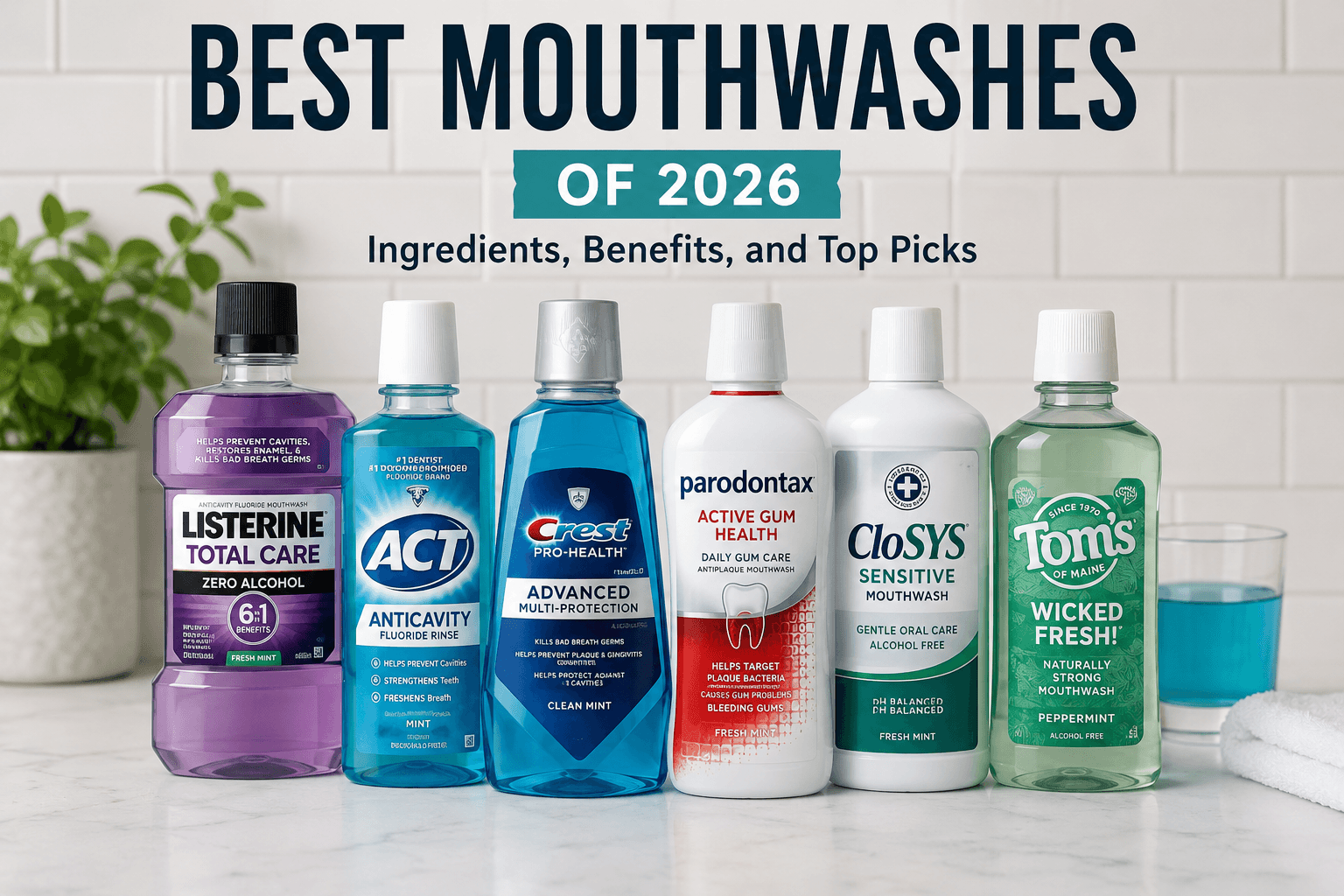
If measuring and diluting feels like a hassle – or you want a formulation with controlled concentration and added flavoring – several commercial mouthwashes contain hydrogen peroxide at safe, pre-diluted levels (typically 1.5%). Colgate Peroxyl is the most widely known, marketed specifically as an oral cleanser for mouth sores and irritation. These products take the dilution guesswork out of the equation, which makes them a reasonable choice for people new to peroxide rinsing.
Note that most whitening mouthwashes also contain hydrogen peroxide – but as discussed above, the whitening effect at rinse concentrations is modest regardless of marketing claims.
The Bottom Line
Hydrogen peroxide is safe for oral rinsing when you respect three rules: dilute 3% drugstore peroxide with equal parts water, never swallow it, and keep use occasional – a few times a week at most.
Used this way, it’s a legitimate, inexpensive tool for reducing oral bacteria, calming gum inflammation, supporting mouth sore healing, and easing minor throat irritation. Used carelessly – undiluted, too often, or at high concentrations – it shifts from helpful to harmful.
It’s also worth keeping perspective: a peroxide rinse is a supplement to oral hygiene, not a foundation. Brushing twice daily with fluoride toothpaste, flossing, and regular dental checkups do far more for your oral health than any rinse. And if you’re reaching for peroxide because of persistent gum bleeding, pain, sores that won’t heal, or chronic bad breath, those are signs to see a dentist – not to rinse harder.
Medical Disclaimer: This article is intended for general informational purposes only and does not constitute dental or medical advice, diagnosis, or treatment. Hydrogen peroxide rinses are not appropriate for everyone, and individual responses vary. Consult a licensed dentist or healthcare provider before using hydrogen peroxide as a mouth rinse, particularly if you are pregnant, have existing oral conditions, or are considering it for a child. If you experience persistent oral pain, sores, swelling, or signs of infection, seek professional dental care promptly. Results may vary.
Frequently Asked Questions
Can you gargle with hydrogen peroxide every day?
Daily use is not recommended. While a properly diluted rinse is safe occasionally, daily peroxide exposure can disrupt the beneficial bacteria in your mouth, irritate gum tissue, and in some cases contribute to side effects like increased sensitivity or tongue discoloration. For home use, hydrogen peroxide is generally best treated as a temporary or occasional rinse rather than a daily oral care product, unless your dentist specifically recommends otherwise.
Is 3% hydrogen peroxide safe for teeth?
The 3% concentration sold in drugstores is the maximum that should ever go near your mouth – and it should still be diluted to about 1.5% with equal parts water before rinsing. Used this way occasionally, it does not damage enamel. Problems arise with undiluted frequent use, higher concentrations, or extended contact times. “Food grade” hydrogen peroxide, often sold at 35%, is never safe for oral use without professional-level dilution and should be avoided entirely for home rinsing.
Does hydrogen peroxide kill bacteria in the mouth?
Yes – it’s a genuine, well-documented antimicrobial that kills a broad spectrum of oral bacteria through oxidation. This is why it has remained in dental use for over a century and appears in commercial antiseptic rinses. The caveat: it kills indiscriminately, including beneficial bacteria, which is the main reason to use it in moderation rather than daily.
Should I use hydrogen peroxide before or after brushing?
After brushing is generally the better order. Brushing physically removes plaque; rinsing afterward lets the peroxide reach freshly cleaned surfaces and the gum line. If you use a fluoride toothpaste, however, consider rinsing with peroxide at a different time of day entirely – rinsing immediately after brushing washes away the protective fluoride residue your toothpaste leaves behind.
Why did my gums turn white after using peroxide?
Temporary gum whitening is a chemical reaction – oxygen being released into the outer layer of tissue. It usually fades within a few hours and isn’t dangerous on its own. However, it indicates that the tissue is reacting to the peroxide, and if it happens regularly, your solution is too strong or you’re rinsing too often. Dilute further or reduce frequency, and stop entirely if you develop soreness or sloughing tissue.
Is hydrogen peroxide or salt water better for gums?
It depends on the situation. For everyday soothing, post-surgical healing, and gentle daily use, salt water is the safer and more universally recommended choice. For an occasional stronger antibacterial rinse – for example, during a bout of gum inflammation – diluted hydrogen peroxide offers more antimicrobial power. Many dentists suggest salt water as the default and peroxide as the occasional reinforcement. For persistent gum problems, neither replaces a professional evaluation.
Can hydrogen peroxide help with oral thrush?
This one is counterintuitive: while peroxide does have some antifungal activity, regular peroxide use can actually worsen thrush susceptibility by killing the beneficial bacteria that normally keep Candida (the thrush fungus) in check. If you have oral thrush, see a dentist or doctor – prescription antifungal treatment is the effective route, not home rinses.