
Why What You Eat After a Dental Crown Matters
After a crown is placed, three categories of food cause the most trouble: hard foods that can chip or crack the crown, sticky foods that can pull it loose, and acidic foods that gradually weaken the cement where the crown meets the tooth. With a temporary crown, that caution applies the whole time you wear it – usually one to three weeks. With a permanent crown, most dentists suggest staying careful for roughly the first two weeks, while the cement reaches full strength and your bite settles.
That short window matters more than most patients expect. Crowns themselves are durable: a systematic review published in the Journal of Dentistry reported a 5-year survival rate of 95.6% for metal-ceramic crowns and 93.3% for all-ceramic crowns. But those figures describe restorations that were properly cared for. The first weeks after placement are when a crown is most likely to be dislodged, chipped, or set up for problems that surface years later.
Three things are happening during this period at once. The cement continues to cure. The gum tissue around the prepared tooth settles. And the tooth itself may stay temporarily sensitive to pressure or temperature, particularly if the crown was placed on a vital tooth rather than after a root canal. Hard, sticky, acidic, and very hot or cold foods put stress on all three.
Below is a practical breakdown of the 10 foods to avoid after getting a dental crown, why each one is a problem, what to eat instead, and how long the restrictions typically last. Healing timelines differ from person to person, so where your dentist’s instructions differ from anything here, follow theirs.
Key Takeaways
- Temporary crowns are much more vulnerable than permanent ones, so avoid chewing on that side entirely until your permanent crown is placed.
- Hard foods are the leading cause of cracked or chipped crowns, and ice, hard candies, and popcorn kernels are among the biggest offenders.
- Sticky foods can physically pull a crown loose, and caramel, taffy, and chewing gum are among the most common culprits.
- Acidic and sugary foods don’t break crowns directly, but they weaken the cement and promote decay at the crown margin over time.
- Extremely hot or cold foods can trigger sensitivity, especially after root canal treatment.
- Soft, nutrient-rich foods are the best choice during the healing period because they support recovery without stressing the crown.
- After the permanent crown has fully bonded, you can return to a normal diet, although some caution with very hard or sticky foods is always a smart long-term habit.
Temporary Crown vs. Permanent Crown: Why It Matters
Before getting into specific foods, it’s worth understanding a key distinction that affects how cautious you need to be.
A temporary crown is placed immediately after your tooth is prepared, while your permanent crown is being custom-made in a dental lab. Temporary crowns are made from acrylic or composite resin, lightweight materials that are held in place with weak, intentionally removable cement. They’re designed to come off easily so your dentist can place the permanent crown without difficulty.
This also means they can come off accidentally. Chewing on the wrong side, eating sticky or hard foods, or even aggressive flossing can dislodge a temporary crown. If you’re in the temporary crown phase, the safest approach is to avoid chewing on that side of your mouth altogether.
A permanent crown, once bonded, is far more durable. Ceramic, porcelain-fused-to-metal, and zirconia crowns are built to withstand normal bite forces for years. However, the first few weeks after placement still require some care because the cement continues to harden and your bite may need a short adjustment period.
| Temporary Crown | Permanent Crown (First 2–4 Weeks) | Permanent Crown (Long-Term) | |
|---|---|---|---|
| Dietary caution needed | Extreme — avoid chewing on that side | Moderate — soft foods recommended | Low — normal diet with common sense |
| Hard foods | Avoid completely | Avoid | Use caution |
| Sticky foods | Avoid completely | Avoid | Limit |
| Acidic/sugary foods | Avoid | Limit | Limit for overall tooth health |
| Temperature sensitivity | May be heightened | Possible, especially post root canal | Usually resolves |
Foods and Drinks That Can Damage a New Dental Crown
1. Hard Candies and Lollipops
Hard candies are one of the clearest risks after crown placement. Biting down on solid sugar, whether it is a lollipop, a peppermint, or a hard fruit candy, creates sudden, concentrated force that can chip or crack a crown, especially one that has not fully set.
The problem is not limited to biting. Even sucking on a hard candy can soften it unevenly and create sharp edges that may catch on a crown and place stress on the cement. The high sugar content also promotes bacterial activity at the crown margin, where the crown meets the natural tooth, which is exactly where decay can begin unnoticed.
Swap for: Sugar-free mints that dissolve completely, or small pieces of soft dark chocolate that melt without chewing force.
2. Ice
Chewing ice is a habit that is hard on any tooth, but with a dental crown, it becomes an especially risky practice. Ice is harder than most people realize, and the combination of cold temperature and sharp edges creates two separate problems: the physical force can fracture the crown material, and the sudden cold can trigger sensitivity in a tooth that’s already been worked on.
If your crown was placed after root canal treatment, the nerve has been removed and sensitivity is less likely. However, for crowns placed on vital teeth, ice can trigger sharp, sudden pain that may take weeks to resolve. Chewing ice is listed by the ADA as a damaging oral habit regardless of whether you have a crown.
Swap for: Let drinks cool naturally or use a straw so ice doesn’t contact the crown directly.
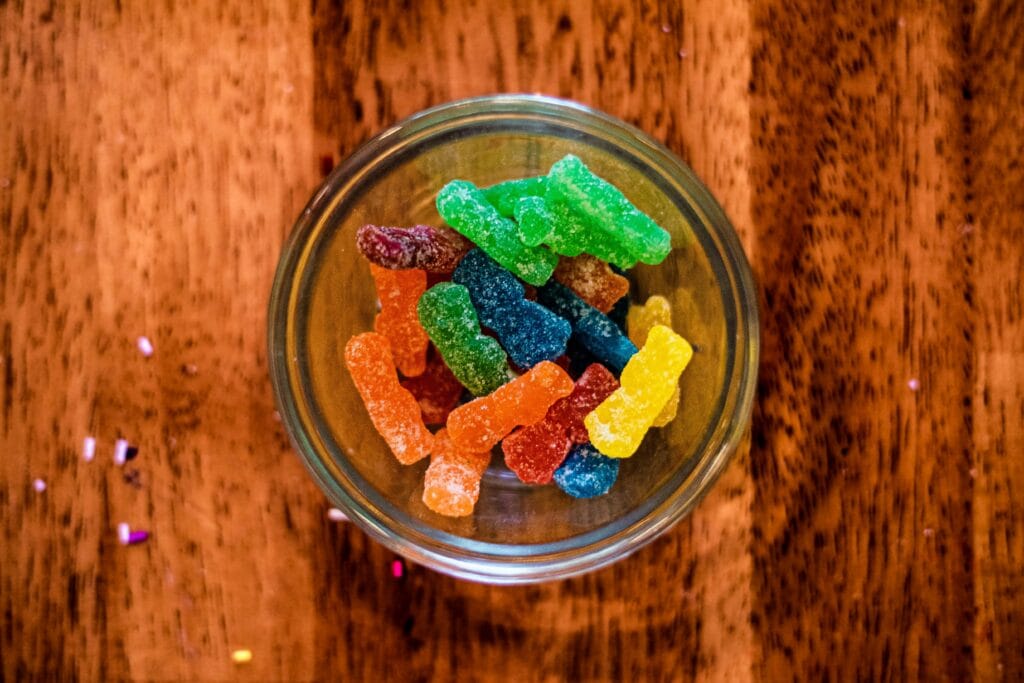
3. Sticky Candies — Caramel, Taffy, and Gummies
Sticky foods are the number one reason temporary crowns end up in a patient’s hand rather than on their tooth. Caramel, taffy, fruit chews, and gummy candies have a sticky texture that is designed to adhere, and they do not distinguish between natural teeth and dental crowns.
The pulling force created when sticky candy releases from a tooth can be significant enough to dislodge even a well-seated temporary crown. With permanent crowns, prolonged exposure to sticky foods can gradually weaken the cement seal at the margin, creating microscopic gaps where bacteria can enter and decay can develop beneath the crown, often without any visible signs until the damage is advanced.
Swap for: Soft chocolate that melts, or fruit-based snacks with a soft, non-adhesive texture.
4. Chewing Gum
Chewing gum might seem harmless because it is soft. However, the repetitive pulling motion involved in chewing gum places sustained stress on the crown’s cement bond in a way that single bites do not. Each chew stretches the adhesive slightly, and over hundreds of repetitions, that adds up.
Gum also sticks to the surface of crowns and can get lodged under the gum line, where it’s difficult to remove and creates a breeding ground for bacteria. Even sugar-free gum presents the mechanical risk, so it’s best avoided entirely during the healing period.
Swap for: A quick rinse with water or alcohol-free mouthwash after meals to freshen breath.
5. Popcorn
Popcorn presents two distinct hazards. The fully popped pieces are relatively soft, but the unpopped or partially popped kernels lurking at the bottom of the bag are essentially as hard as small rocks. One kernel landing directly on a crown can cause an immediate crack.
Beyond the kernels, popcorn husks are thin, sharp, and flexible enough to wedge under the gum tissue surrounding the crown. Removing a husk that’s worked its way under the gum line is uncomfortable and, in some cases, requires a dental visit. It’s a food that delivers almost no nutritional value and significant dental risk.
Swap for: Puffed rice cakes or soft crackers that don’t produce hard fragments.
6. Nuts and Hard Seeds
Almonds, cashews, pistachios, and other hard nuts require substantial bite force to break down. That force is distributed across the entire crown surface and the cement holding it to the tooth, and depending on the angle of the bite, it can cause a fracture or gradually weaken the bond.
This is especially true in the first few weeks after crown placement, when the cement is still reaching full cure strength. Nut butters and finely chopped soft nuts are generally acceptable alternatives, as long as they’re smooth enough not to require heavy chewing.
Swap for: Nut butters (peanut, almond, or cashew) or finely ground nuts mixed into soft foods like oatmeal.
7. Tough and Chewy Meats
Protein is important for healing, but not all protein sources are equally friendly to a newly placed dental crown. Tough cuts of steak, jerky, pork ribs, and other chewy meats require prolonged chewing and sideways jaw motion that can stress the crown and its cement bond.
The issue is not just the amount of force involved, but also how long that force is applied. Sustained chewing gives the crown repeated opportunities to flex or shift slightly, which over time can loosen the seal. Chewy meats also tend to require tearing, which creates unpredictable force directions that are harder for a newly placed crown to handle.
Swap them for flaked fish, shredded chicken, well-cooked ground meat, or eggs, all of which provide protein while requiring minimal chewing effort.
8. Raw Crunchy Vegetables
Raw carrots, celery, broccoli, and similar vegetables are healthy choices for most people, but after a dental crown, their crunchy texture can require bite forces that are best avoided during the healing period. A raw carrot can require the same force as biting into a hard candy, depending on how it’s positioned in the mouth.
Cooking or steaming vegetables softens them significantly without reducing their nutritional value. In fact, some nutrients become more bioavailable when vegetables are cooked, making steamed vegetables a win from both a dental and nutritional standpoint during recovery.
Swap for: Steamed or roasted vegetables, mashed sweet potato, avocado, or soft cooked greens.
9. Acidic Foods and Drinks — Citrus, Soda, and Sports Drinks
This is the category that most patients do not expect. Acidic foods and drinks, including citrus fruits, soda, sports drinks, vinegar-based dressings, and energy drinks, do not damage crowns directly. The problem develops more gradually and is often much less noticeable.
Acid erodes the cement that bonds the crown to the tooth. Over time, regular acid exposure creates microscopic gaps at the crown margin. Bacteria can colonize these gaps and begin damaging the natural tooth beneath the crown, a process known as secondary decay or recurrent caries. By the time symptoms appear, significant damage may already have occurred. This is one of the most common reasons crowns fail prematurely.
Acidic foods also affect the surrounding enamel and gum tissue, which is already under some stress after crown placement.
Swap for: Water, milk, herbal tea (not too hot), or diluted fruit juices in small amounts. If you drink something acidic, rinse with water immediately after rather than brushing.
10. Extremely Hot Foods and Drinks
While most post-crown sensitivity is triggered by cold temperatures, very hot foods and beverages can also cause discomfort, particularly if the crown was placed on a recently treated tooth or if the surrounding gum tissue is still healing and slightly inflamed.
Hot soups, freshly brewed coffee, and hot tea should be allowed to cool to a comfortable temperature before eating or drinking. Beyond sensitivity, extremely hot liquids can temporarily soften some dental cements, which is a concern primarily with temporary crowns during the first 24 hours after placement.
Swap for: Let hot foods cool to mouth temperature before eating. Lukewarm or room-temperature drinks are comfortable and safe during the healing period.
The Hidden Risk Competitors Miss: Acidic Foods and Crown Longevity
Most dental crown diet articles focus on hard and sticky foods, and for good reason. However, there is another risk that develops more slowly and often receives far less attention: acid erosion at the crown margin.
The margin is the thin line where your crown meets the natural tooth at the gum line. It’s the most vulnerable point of any crown. Acid from food and drinks gradually dissolves the cement at this junction. Over months and years of regular exposure, this can create entry points for bacteria, allowing secondary decay to develop beneath the crown. This is one of the most difficult dental problems to detect and treat.
Research supports this concern. An in vitro study published in the Journal of Clinical and Diagnostic Research found that repeated exposure to acidic beverages significantly reduced the surface microhardness of restorative dental materials. While crowns themselves are highly durable, long-term acid exposure may contribute to deterioration of restorative materials and compromise the integrity of the restoration over time.
You do not need to eliminate acidic foods entirely. However, understanding the risk and rinsing your mouth with water after consuming them can make a meaningful difference in the long-term lifespan of your crown.
Common acidic foods and drinks to limit:
- Citrus fruits and juices (lemon, orange, grapefruit)
- Soda — both regular and diet
- Sports drinks and energy drinks
- Vinegar-based dressings and pickled foods
- Tomato-based sauces
- Coffee and tea (mildly acidic, plus temperature risk)
What to Eat After a Dental Crown: Safe Options for the Healing Period
Soft, nutrient-dense foods are your best friends after crown placement. Following broader principles of oral health nutrition can also support recovery and help protect both your dental crown and your natural teeth over the long term. Here are the categories that work well:
| Food Category | Examples | Why It Works |
|---|---|---|
| Soft proteins | Eggs, flaked fish, shredded chicken, tofu, Greek yogurt | High protein for healing, minimal chewing force |
| Mashed/soft starchy foods | Mashed potatoes, sweet potato, oatmeal, soft pasta, rice | Easy to eat, filling, no chewing pressure |
| Soft fruits | Bananas, berries, peeled peaches, applesauce, avocado | Nutritious, easy to chew, low acid (mostly) |
| Cooked vegetables | Steamed carrots, zucchini, spinach, roasted squash | All the nutrition, none of the crunch |
| Soups and broths | Pureed vegetable soup, bone broth, soft noodle soup | Hydrating, soothing, requires no chewing |
| Dairy | Yogurt, soft cheese, milk, smoothies | Calcium supports tooth and bone health |
Post-Crown Care Tips Beyond Diet
Diet is the biggest factor in protecting a new crown, but it is not the only one.
Brushing
Use a soft-bristled toothbrush and gentle pressure around the crown. The goal is to clean the margin between the crown and the gum line without irritating healing tissue. Brush twice daily as normal. The crown itself does not require a special toothpaste, but it is best to avoid highly abrasive whitening formulas.
Flossing
Floss carefully around the crown, but do not skip it.Plaque at the crown margin is where secondary decay begins. The key technique: slide the floss gently out from between the teeth sideways rather than snapping it upward, which can put lifting force on the crown.
Chewing Side
For the first few days, chew on the opposite side of your mouth from the crown. This reduces pressure on the crown while the cement fully cures and your bite adjusts.
Saltwater Rinse
A warm saltwater rinse made with half a teaspoon of salt dissolved in a glass of warm water can help soothe the gum tissue around a new crown and reduce inflammation. Use it once or twice daily during the first week.
Night Guards
If you grind your teeth at night (bruxism), a night guard is strongly recommended after getting a crown. Grinding exerts far more force than normal chewing and is one of the leading causes of crown fractures over time. Ask your dentist if a custom guard is right for you.
Avoid Using Teeth as Tools
Opening packages, biting nails, or holding objects between your teeth puts unpredictable stress on crowns. These habits should be avoided permanently, not just during the healing period.
When to Contact Your Dentist
Some discomfort and sensitivity in the first few days after crown placement is normal. But certain signs warrant a prompt call to your dentist:
- The crown feels loose, wobbly, or moves when you press on it
- The crown has visibly come off or shifted position
- You have persistent pain when biting or chewing after the first week
- Sensitivity to hot or cold that worsens rather than improves over time
- Your bite feels uneven, as though the crown is making contact before your other teeth
- Swelling, redness, or bleeding around the gum line that doesn’t resolve within a few days
A bite that feels too high is one of the most common issues after crown placement and can usually be corrected with a quick adjustment. Do not ignore it, as an uneven bite places excessive stress on the crown every time you chew.
Protecting Your Dental Crown Starts with Smart Food Choices
A dental crown is a significant investment in your oral health, and the foods you choose in the weeks following placement play a direct role in how well it holds up in both the short term and over the years ahead.
The main categories to avoid are hard foods that can crack the crown, sticky foods that can pull it loose, and acidic foods that erode the cement over time. Temporary crowns require the most caution; permanent crowns are much more forgiving once fully bonded.
The good news: the dietary restrictions are temporary. Within a few weeks, most patients return to eating normally. A little caution now protects a restoration that can last 15 years or more with proper care.
If anything feels off after your crown, such as persistent sensitivity, an uneven bite, or any looseness, contact your dentist promptly. Most post-crown issues are easy to correct when identified early.
Medical Disclaimer: The information in this article is intended for general informational purposes only and does not constitute dental or medical advice, diagnosis, or treatment. Always follow the specific post-procedure instructions provided by your dentist. If you experience pain, sensitivity, or any concern about your crown, contact your dental provider. Results and healing timelines vary by individual.
Frequently Asked Questions
How long after a dental crown should I avoid hard foods?
Most dentists recommend avoiding hard and sticky foods for at least two weeks after permanent crown placement, and for the entire time you have a temporary crown. After two to four weeks, the cement has typically reached full strength and you can gradually return to your normal diet. Always follow your dentist’s specific guidance, as healing timelines vary.
Can I eat a burger after getting a dental crown?
Not right away, especially with a temporary crown. Burgers require tearing and significant chewing force, which can dislodge a temporary crown or stress a newly placed permanent one. Once your permanent crown is fully bonded (typically after two to four weeks), a soft burger without a hard crust is usually fine. Cut it into smaller pieces and chew on the opposite side if possible.
How long after a crown is cemented can I drink coffee?
Wait at least 24 hours before drinking coffee or any very hot beverage after crown placement. Heat can temporarily affect the setting cement, and temperature sensitivity may also be heightened in the first day. After that, coffee in moderation is generally fine. Just allow it to cool slightly and rinse with water afterward to help minimize acid exposure at the crown margin.
Can you eat chips with a new dental crown?
Regular potato chips are a borderline choice. They are not as hard as nuts or ice, but they can break into sharp, crunchy fragments that place uneven pressure on a dental crown. Thin, very crispy chips are better avoided during the healing period. Puffed chips or baked varieties that dissolve quickly are safer alternatives.
What can my child eat after getting a dental crown?
Children’s crowns follow the same basic principles: soft foods, no sticky or hard items, and nothing too hot or cold while sensitivity is present. Good options include yogurt, mashed potatoes, scrambled eggs, soft fruit, oatmeal, and smoothies. Avoid gummy candies, hard candy, ice, and crunchy snacks until the dentist confirms the crown is fully settled. Supervise brushing around the crown to ensure it stays clean.
Does it matter if I eat on the side with the crown?
Yes, especially in the first few days. Chewing on the opposite side reduces pressure on the crown while the cement fully sets and your bite adjusts. After the first week, gradual return to normal chewing is typically fine, but continue to be mindful of hard and sticky foods on the crown side.