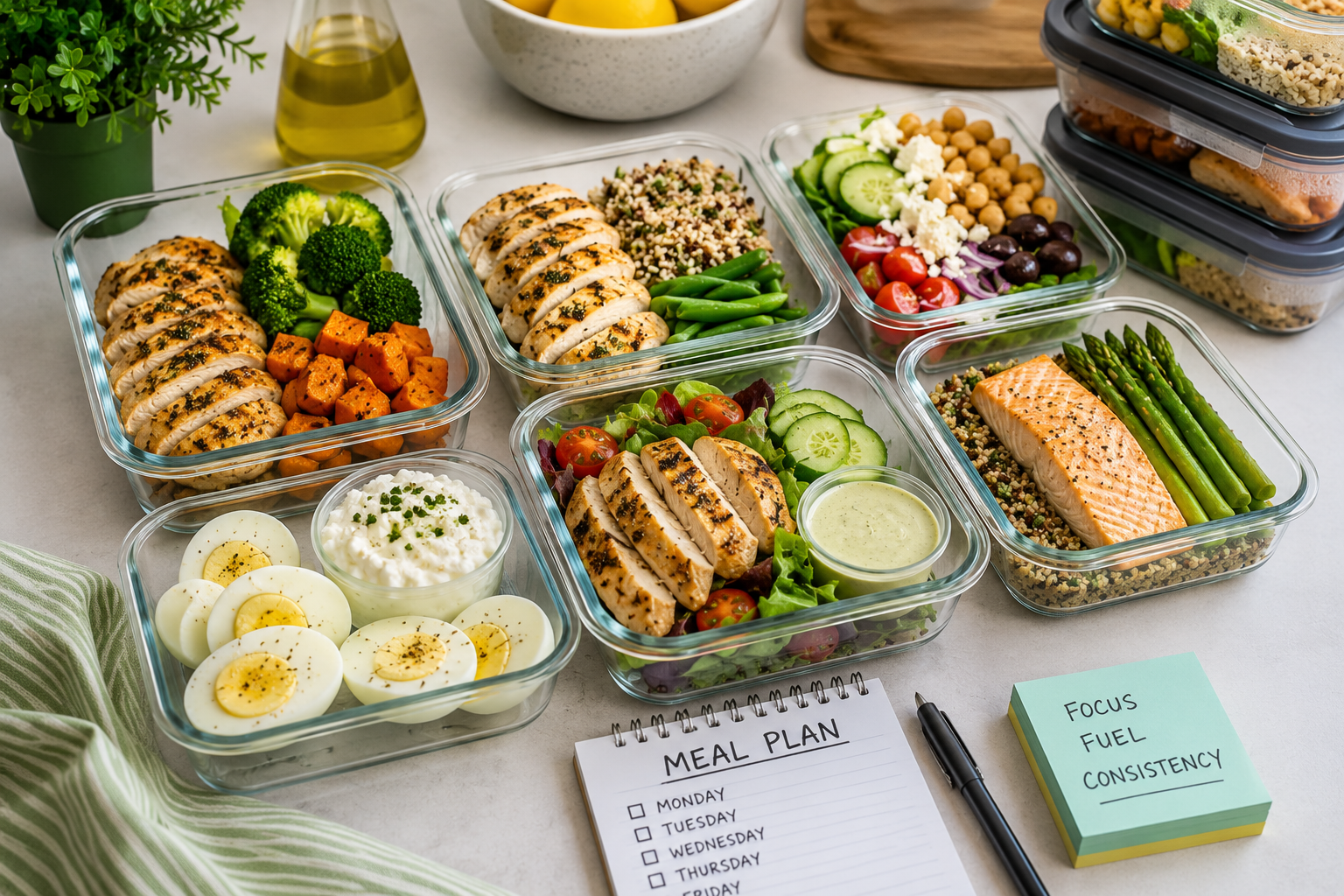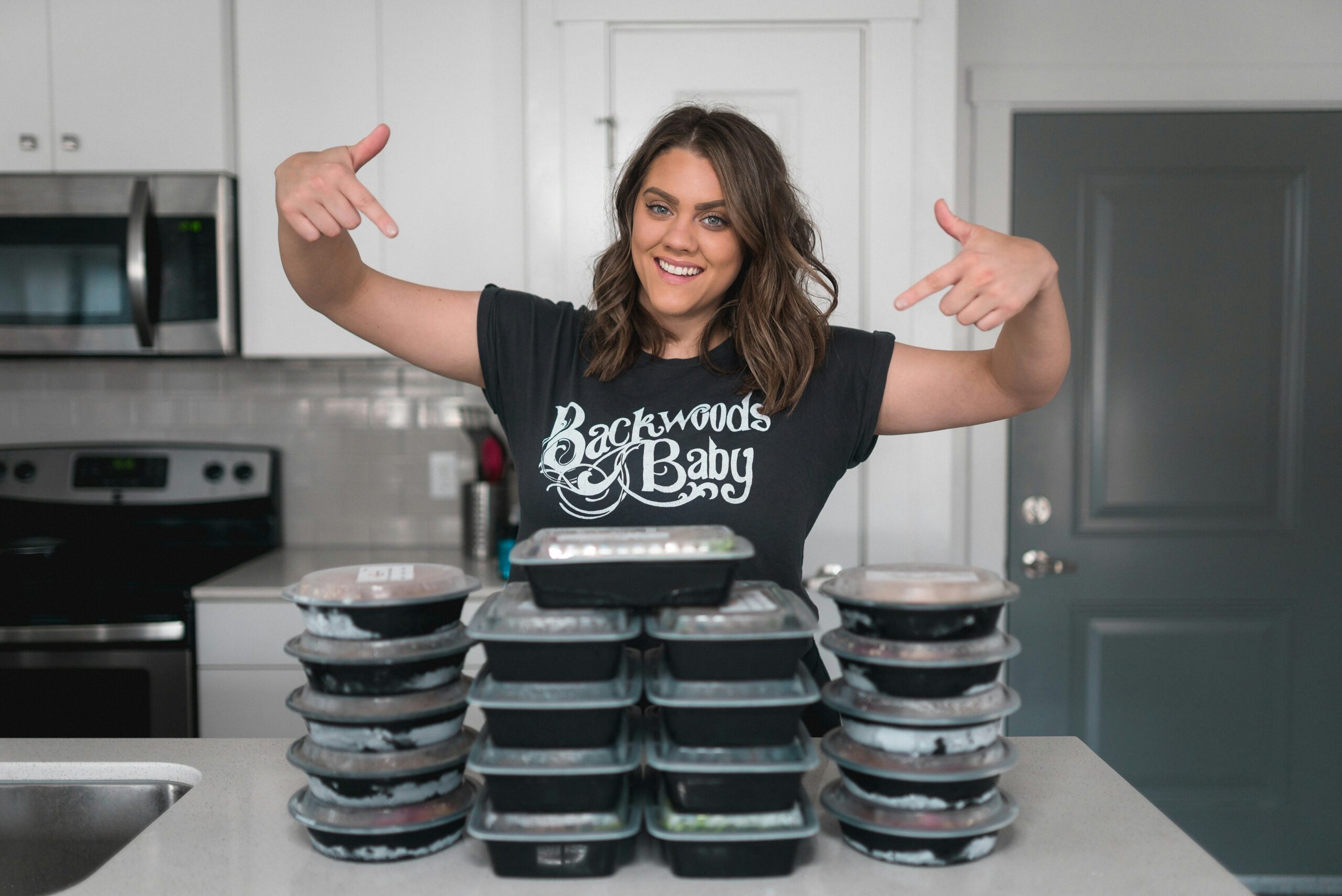
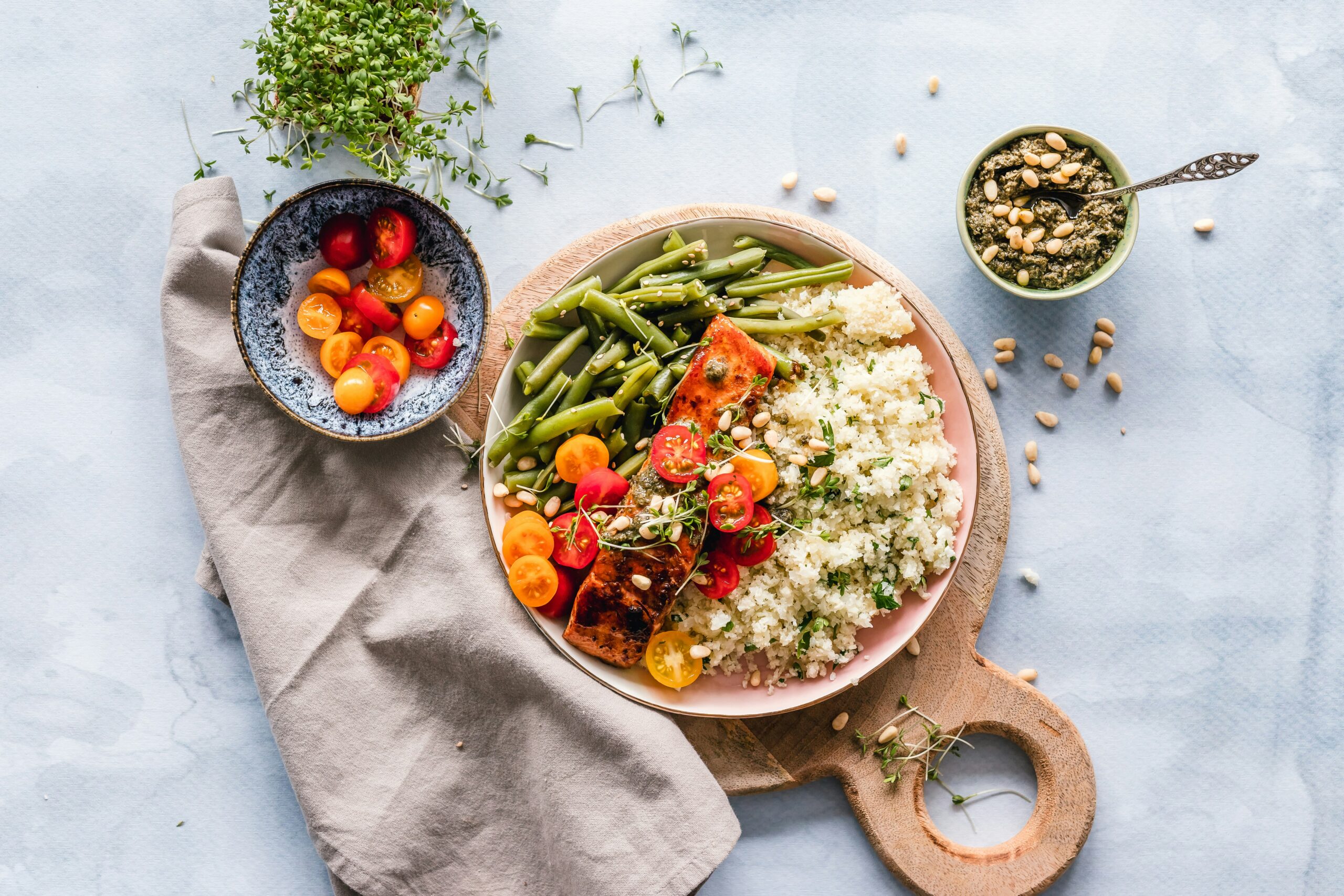
There’s a reason high protein meal prep has become the cornerstone habit for anyone serious about eating well during a busy week. When your fridge is already stocked with satisfying, protein-rich meals, reaching for something nourishing feels effortless rather than exhausting. Whether you’re exploring our meal prep guides for the first time or looking to level up your Sunday routine, this walkthrough covers everything — from smart protein choices to batch-cook techniques that hold up beautifully through Friday. For more inspiration across every food category, browse our broader Food articles library.
Why Does Protein Matter So Much for Meal Prep?
Protein is a macronutrient essential for muscle repair, immune function, and satiety — and prepping high-protein meals in advance may support consistent intake throughout the week without relying on fast food or processed snacks.
Protein does a lot of heavy lifting in the body. It’s involved in building and repairing tissue, producing enzymes and hormones, and keeping you fuller between meals. The 2025–2030 Dietary Guidelines for Americans recommend that protein make up 10–35% of total daily calories for adults, with most people benefiting from spreading intake across meals rather than loading up at one sitting.
A 2015 study published in The American Journal of Clinical Nutrition (PubMed) found that higher protein diets are associated with improved satiety and reduced overall calorie intake in some individuals, though individual responses vary based on total diet composition and activity level.
The practical implication: when your lunches and dinners are already prepped with a solid protein base, you’re less likely to hit a 3 p.m. energy slump and grab whatever’s convenient. That’s the real superpower of weekly protein meal prep ideas done right.
How Much Protein Should You Actually Aim For?
General guidelines suggest 0.8g of protein per kilogram of body weight daily for sedentary adults, though more active individuals and older adults may benefit from higher intakes — always verify with a registered dietitian.
Nutritional and sports science frameworks confirm that active adults aiming to maintain or build muscle often target 1.2–2.0g of protein per kilogram of body weight per day. For a 150-pound (68 kg) person, that translates to roughly 82–136g of protein daily. Structuring your main meals around 25–40g of protein each makes hitting these daily targets highly achievable without the need for obsessive calorie tracking.
Protein Content Comparison: Common Meal-Prep Proteins
| Protein Source | Serving Size | Approx. Protein (g) | Approx. Calories | Notes |
|---|---|---|---|---|
| Chicken Breast (cooked) | 4 oz (113g) | 35g | ~185 kcal | Lean, versatile; dries out if overcooked |
| Canned Tuna (in water) | 4 oz (113g) | 26g | ~100 kcal | Budget-friendly; limit to 2–3 servings/week (mercury) |
| Lentils (cooked) | ½ cup (100g) | 9g | ~116 kcal | Plant-based; also high in fiber and iron |
| Greek Yogurt (plain, 2%) | ¾ cup (170g) | 17g | ~130 kcal | Great for breakfast or sauce base |
| Hard-Boiled Eggs | 2 large eggs | 12g | ~140 kcal | Easy to batch-cook; portable snack or topper |
| Tempeh (plain) | 3 oz (85g) | 16g | ~160 kcal | Fermented soy; nutty, firm texture; vegan complete protein |
Data sourced from USDA FoodData Central. Values are approximate and may vary by brand and preparation method.
Easy High-Protein Meals to Prep on a Sunday
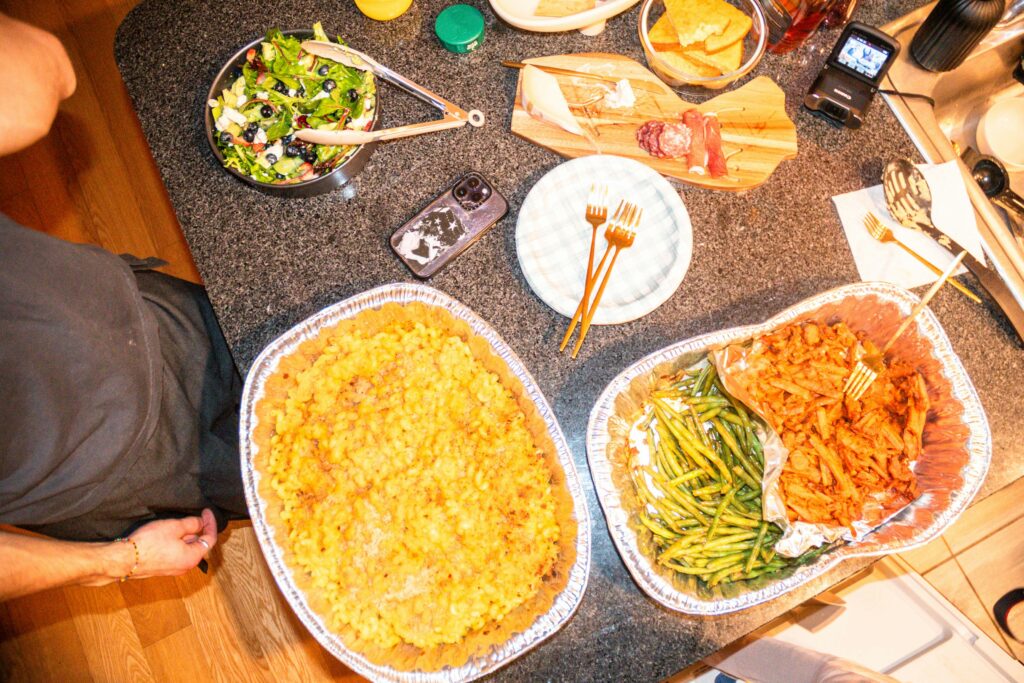
A focused two-to-three-hour Sunday session can stock your fridge with four to five days of high-protein lunches and dinners, reducing decision fatigue and supporting consistent nutrition throughout the week.
The key to easy high protein meals to prep is a system rather than a collection of complicated recipes. Think in components: one batch protein, one grain or starch, two roasted vegetables, and a sauce that ties everything together in a different flavor direction each day.
The Core Batch: Oven-Baked Chicken Thighs
Bone-in, skin-on chicken thighs are far more forgiving than chicken breast — they stay moist and flavorful even after three days in the fridge. Season generously with smoked paprika, garlic powder, olive oil, salt, and cracked pepper. Roast at 425°F for 35–40 minutes until the skin is deeply golden and crisp. The rendered fat bastes the meat naturally, leaving each bite juicy and richly savory. Pull the meat from the bone for easy portioning, and you’ve got the protein base for grain bowls, wraps, or salads all week.
High-Protein Lunch Prep: The Assembly Bowl Method
High protein lunch prep doesn’t need to mean eating the same meal five days running. Prepare your components separately and store them in individual containers so you can remix throughout the week. Try this structure:
Monday might be a Mediterranean bowl — chicken, farro, cucumber, cherry tomatoes, and a lemon-tahini drizzle. By Wednesday, the same chicken becomes a Thai-inspired plate with edamame, shredded cabbage, rice noodles, and a peanut-lime sauce. The food stays interesting; your prep effort stays minimal.
Plant-Based High-Protein Options Worth Prepping
Lentil and black bean dishes are genuinely underrated in the protein meal prep world. A simple spiced red lentil soup — built with cumin, turmeric, canned tomatoes, and vegetable broth — takes about 30 minutes on the stovetop and delivers roughly 18–20g of protein per generous bowl when paired with a whole-grain roll. It thickens as it sits, making it arguably better on day three than day one.
Protein Meal Prep for Weight Loss: What the Evidence Actually Says
Some research suggests that higher-protein diets may support body composition goals by promoting satiety and preserving lean muscle during a calorie deficit, though outcomes depend on total dietary pattern and individual factors.
According to researchers at McMaster University in a review cited in Nutrition & Metabolism (PubMed, 2017), protein intakes above the standard RDA are associated with greater preservation of lean muscle mass during periods of energy restriction in some study populations.
This is meaningful context for anyone approaching protein meal prep for weight loss: the goal isn’t simply to cut calories but to ensure the calories you do eat are doing substantive work. Prepping meals in advance supports portion awareness naturally — when you plate everything ahead of time, you’re less likely to serve yourself impulsively based on hunger in the moment.
That said, no single macronutrient or meal prep strategy guarantees any particular health outcome. Total diet quality, sleep, stress, and activity all interact meaningfully with how the body responds to protein intake.
Alternative Perspectives
Not everyone finds high-protein meal prep the right fit. Some registered dietitians caution that an excessive focus on protein can crowd out fiber-rich carbohydrates and healthy fats that also play vital roles in long-term health. Plant-forward advocates point out that whole-food, plant-based diets — which tend to be moderate in protein and very high in fiber — are associated with strong health outcomes in large population studies, even when protein totals are lower than current fitness-culture targets. Others note that meal prepping itself can feel rigid or increase stress around food for people with certain relationships with eating. The most sustainable approach is one that fits your lifestyle, preferences, and overall dietary pattern — not one that looks perfect on paper but creates friction in daily life.
Top Tips for Making Your Protein Meal Prep Last All Week
Proper storage, smart seasoning choices, and staggered cooking schedules are the practical keys to keeping prepped high-protein meals fresh, safe, and genuinely appetizing through day five.
Storage and Food Safety Essentials
Cooked proteins should be cooled to room temperature (within two hours of cooking) before sealing in airtight containers and refrigerating. Most cooked meats, legumes, and egg dishes keep safely for 3–4 days in the refrigerator. If you’re prepping for a full five-day week, consider batch-cooking a second protein midweek — it takes fifteen minutes and keeps everything tasting fresher. Sauces and dressings stored separately prevent soggy textures and let you season each portion differently.
Which Flavors Hold Up Best After Refrigeration?
Bold, fat-based flavors — think pesto, tahini dressings, teriyaki glazes, and miso marinades — actually deepen and improve over 24–48 hours as the proteins absorb them. Delicate fresh herb garnishes (cilantro, basil, parsley) should always be added at serving time rather than prepped in, as they wilt and lose their brightness quickly.
Frequently Asked Questions
For most moderately active adults, a target of 25 to 40 grams of protein per main meal is optimal. Your exact needs depend on three key metrics:
– Body Weight: Active individuals generally require 1.2–2.0g of protein per kilogram of body weight daily.
– Fitness Goals: Higher ranges support muscle preservation during weight loss or muscle building.
– Age: Older adults benefit from higher protein targets per meal to counter age-related muscle loss.
According to food safety guidelines, most cooked proteins follow strict storage timelines:
– Refrigeration: Cooked chicken, beef, fish, and hard-boiled eggs last 3 to 4 days in airtight containers at 40°F (4°C) or below.
– Freezing: Portions intended for days 5 through 7 should be frozen immediately after cooking and thawed safely in the fridge overnight.
– Midweek Alternative: Split your prep into two short sessions (e.g., Sunday and Wednesday) to ensure maximum freshness and taste.
You can hit your weekly protein goals without overspending by focusing on high-protein-per-dollar staples:
– Poultry: Chicken thighs (more forgiving and cheaper than breasts) and ground turkey.
– Plant Proteins: Dried lentils, chickpeas, black beans, and firm tofu.
– Dairy & Eggs: Whole eggs, liquid egg whites, and plain low-fat Greek yogurt.
– Pantry Staples: Canned tuna (packed in water) and canned pink salmon.
Yes. Batch-cooking plant-based proteins is highly efficient. The best vegan and vegetarian meal-prep bases include:
– Soy Products: Tempeh (16g per serving) and extra-firm tofu, which hold their texture perfectly after refrigeration.
– Legumes: Green lentils, edamame, and black bean chili, which often taste better after 24–48 hours.
– High-Protein Grains: Quinoa, farro, and kamut used as the starch base for assembly bowls.
Disclaimer: Proper storage is critical to prevent foodborne illness. Cooked poultry, meats, and seafood should be refrigerated at or below 40°F (4°C) within two hours of cooking. According to USDA safety standards, prepped meals containing meat should be consumed within 3 to 4 days. For a 5-day work week, freeze portions for Thursday and Friday immediately after cooling, or schedule a quick midweek batch-cook.