Japan keeps redefining what it means to travel with intention. As two of the top destinations in Asia right now, Osaka and Kyoto are drawing a new wave of travelers in 2026 — not just for the temples and takoyaki, but for the depth of experience each city quietly promises. Whether you’re building a Japan slow travel itinerary or trying to squeeze two iconic cities into a long weekend, the question isn’t really which city is better. It’s which city is better for you. More travel articles on WideJournal can help you plan the rest of your trip — but right now, let’s dig into the Osaka vs. Kyoto debate with the honesty it deserves.
According to the TripAdvisor Travelers’ Choice 2026 rankings, both Osaka and Kyoto rank among the world’s top trending travel destinations, reflecting sustained global interest in Japan’s cultural and urban experiences. Meanwhile, the Hilton Hotels 2026 Trends Report identifies “Whycation” travel — purpose-driven journeys focused on meaning over novelty — as a defining behavior among modern travelers, a philosophy that both cities are uniquely positioned to satisfy. Prices and entry requirements are subject to change — verify with official sources before booking.
Why Are Osaka and Kyoto Trending in 2026?
Osaka and Kyoto are among Japan’s most visited cities in 2026, driven by growing interest in cultural immersion, food tourism, and slower, more intentional travel experiences.
Post-pandemic travel patterns shifted something fundamental in how people choose destinations. Travelers are lingering longer, spending more consciously, and seeking cities that reward curiosity. Japan fits that profile almost perfectly — and within Japan, Osaka and Kyoto represent two distinct but complementary answers to the same question: what does meaningful travel feel like?
The Japan National Tourism Organization (JNTO) visitor statistics confirm that inbound tourism to Japan has rebounded strongly, with the Kansai region — home to both cities — consistently among the highest-traffic areas for international arrivals. The Osaka-Kyoto corridor remains the backbone of most Japan itineraries, and for good reason.
Osaka Travel Guide 2026: What to Know Before You Go
Osaka is Japan’s street food capital and a city of unfiltered energy, where modern entertainment districts sit alongside ancient castle grounds — making it a strong anchor for first-time visitors.
What Makes Osaka Stand Out?
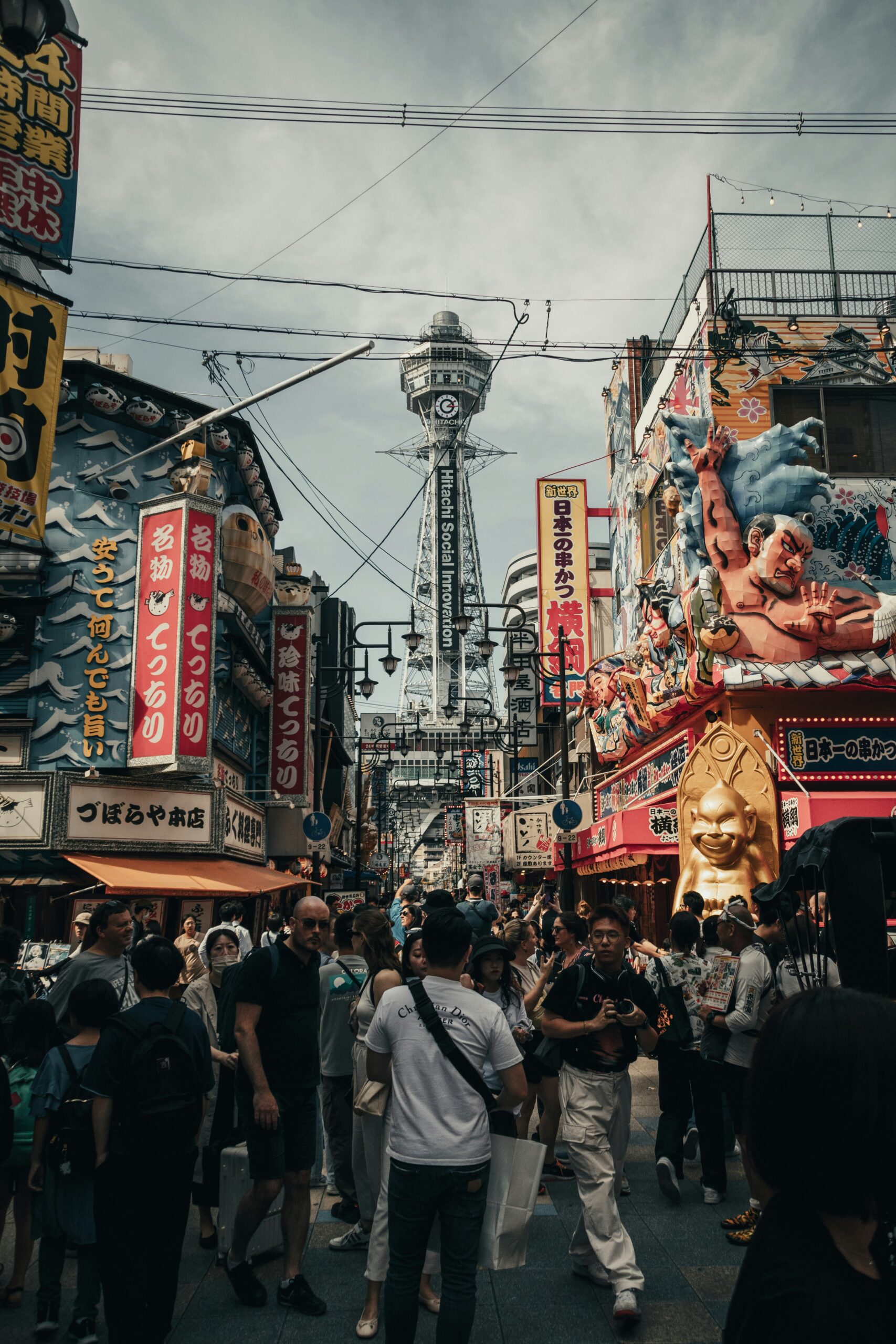
Osaka runs on appetite — literal and figurative. The phrase kuidaore (“eat until you drop”) is practically a civic philosophy here. Dotonbori remains the city’s beating heart, a neon-lit canal district where takoyaki stands, ramen counters, and izakayas compete loudly for your attention. But Osaka is more layered than its food reputation suggests.
Osaka Castle, surrounded by moat and parkland, offers one of the city’s most grounding historical experiences. Universal Studios Japan continues to pull massive crowds, particularly with its Nintendo World expansion. And neighborhoods like Shinsekai and Hozenji Yokocho offer quieter, older versions of the city that reward slow walking.
Practical Logistics: Osaka in 2026
Budget travelers will find Osaka comparatively affordable for Japan. Hostel dorm beds can start around ¥2,500–¥4,000 per night, while mid-range hotels typically run ¥10,000–¥20,000. Meals at local eateries often cost ¥700–¥1,500, and the city’s subway and bus network is well-integrated and reasonably priced. The Osaka Amazing Pass offers day-use transit plus free entry to dozens of attractions and can represent solid value depending on your itinerary. All prices are approximate and subject to change.
Kyoto Cultural Destinations: A Different Kind of Japan
Kyoto is Japan’s cultural and spiritual core, home to over 1,600 Buddhist temples, 400 Shinto shrines, and some of the country’s most celebrated traditional arts — offering a profoundly different atmosphere from Osaka’s urban energy.
What Does Kyoto Offer That Osaka Doesn’t?
Kyoto was Japan’s imperial capital for over a millennium, and that history is still legible in the landscape. Fushimi Inari Taisha’s thousands of vermillion torii gates climbing Mount Inari. The zen rock gardens of Ryoanji. The preserved machiya townhouses of Gion, where you might still glimpse a geiko or maiko passing in the early evening. These aren’t just photo opportunities — they’re encounters with a living cultural tradition.
Arashiyama’s bamboo groves and the Philosopher’s Path along the canal offer something increasingly rare in popular tourism: the sensation of moving through a place at its own pace. Kyoto rewards travelers who resist the urge to check things off quickly.
Is Kyoto Overcrowded? An Honest Assessment
It’s a fair concern. Certain sites — particularly Fushimi Inari, Kinkakuji (the Golden Pavilion), and the Arashiyama bamboo grove — can feel genuinely overwhelming at peak times. Kyoto’s city government has implemented measures to manage overtourism in specific areas, including crowd management zones and off-peak promotion campaigns. Early mornings remain the most reliable strategy for avoiding the worst of it. Traveling in shoulder seasons (late November for autumn foliage, or mid-March before cherry blossom peaks) offers a meaningfully different experience than arriving at the height of the tourist season.
Practical Logistics: Kyoto in 2026
Kyoto tends to be slightly more expensive than Osaka for accommodation, particularly near central areas like Gion and Higashiyama. Mid-range hotels and ryokan (traditional inns) often start at ¥15,000–¥30,000 per night, with high-end ryokan running considerably more. A one-night ryokan experience, however, is frequently cited by travelers as one of the most memorable choices they made in Japan. Budget options exist in areas further from the main sightseeing corridors. The IC card (Suica or ICOCA) handles buses and trains across both Kyoto and Osaka seamlessly.
Osaka vs. Kyoto: Side-by-Side Comparison
This comparison table outlines key practical and experiential differences between Osaka and Kyoto to help travelers decide which city — or combination of both — suits their trip.
| Category | Osaka | Kyoto |
|---|---|---|
| Primary Appeal | Food, nightlife, urban energy | Culture, temples, traditional arts |
| Average Mid-Range Hotel (per night, approx.) | ¥10,000–¥20,000 | ¥15,000–¥30,000 |
| Best For | First-time visitors, food travelers, families | Cultural immersion, slow travel, heritage seekers |
| Crowd Management Concerns | Moderate (Dotonbori, USJ peak times) | High at major sites; early mornings recommended |
| Travel Between Cities | ~15 minutes by Shinkansen or ~30–40 min by express train (Hankyu/JR) | |
| UNESCO World Heritage Sites | 0 (within city limits) | 17 properties listed |
| Recommended Stay | 2–3 nights | 2–4 nights |
Data based on general travel research and JNTO destination information. Prices are approximate estimates and subject to change. Verify current costs before booking.
Building a Japan Slow Travel Itinerary Around Both Cities
Combining Osaka and Kyoto in a single itinerary is practical and popular — the cities are less than an hour apart by train and offer contrasting experiences that complement each other well.
How Many Days Do You Actually Need?
A practical baseline for both cities is five to six days: two to three nights based in Osaka, two to three nights in Kyoto, with day trips possible to Nara (deer park and Todaiji temple, about 45 minutes from both cities) or Himeji (Japan’s most celebrated castle, accessible by Shinkansen). This structure allows enough time to go beyond the headline attractions without the fatigue of constant movement — which is, after all, the spirit of slow travel.
The Hilton 2026 Trends Report notes that purpose-driven travelers increasingly prefer depth over breadth — fewer cities, more time in each — a philosophy that pairs well with the Osaka-Kyoto corridor’s natural density of experiences.
Visa and Entry Requirements for Japan in 2026
As of early 2026, Japan has maintained its visa-on-arrival or visa-free access for citizens of many countries for short-term stays, though requirements vary by nationality and are subject to change. Always verify current entry requirements directly with the Japan National Tourism Organization or your country’s foreign ministry before booking. Japan also introduced a tourist tax and, in some areas, visitor management fees for specific sites — confirm current policies with official sources.
According to researchers at Kyoto University’s Graduate School of Tourism Management, over-concentration of visitors at a small number of iconic sites — rather than total visitor numbers — is the primary driver of negative tourism impact in historic cities like Kyoto, suggesting that itinerary diversification can meaningfully reduce pressure on high-traffic areas.A 2024 report published by the Japan Tourism Agency found that travelers who incorporated cultural activities such as tea ceremony, traditional craft workshops, or local cooking classes rated their overall trip satisfaction significantly higher than those who focused exclusively on sightseeing — a finding consistent with the broader “Whycation” trend identified in global hospitality research.
Alternative Perspectives
Not everyone agrees that Osaka and Kyoto should anchor a Japan itinerary in 2026. Some travel writers and local advocates argue that the sustained focus on these two cities — along with Tokyo — contributes to overtourism in an already strained corridor, while smaller cities like Kanazawa, Matsumoto, Hiroshima, and Nagasaki offer comparable cultural depth with a fraction of the crowds. There’s also a meaningful conversation happening within Japan about tourism’s impact on local residents, particularly in Kyoto’s geisha districts, where photography restrictions and behavior guidelines have been introduced in response to visitor conduct issues. Travelers who are genuinely committed to responsible tourism might consider whether their itinerary inadvertently reinforces the same overcrowded patterns that frustrate locals — and whether routing even a few days toward lesser-visited regions might offer a richer and more sustainable experience.
Frequently Asked Questions
Most first-time visitors find Osaka easier to navigate and more immediately energetic, with strong food culture and accessible entertainment. Kyoto rewards travelers who have more time and interest in Japanese history and traditional culture. Ideally, visit both — they’re less than an hour apart by train and complement each other well.
Costs vary significantly based on accommodation style, dining habits, and activities. A budget traveler might spend approximately ¥8,000–¥12,000 per day across both cities, while mid-range travelers typically budget ¥20,000–¥40,000 per day. Prices are approximate and subject to change — always confirm current rates before booking.
Japan offers visa-free or visa-on-arrival access for citizens of many countries for short stays, but requirements vary by nationality and are updated periodically. Always verify your specific entry requirements through official government sources or the Japan National Tourism Organization before planning your trip.
Spring (late March to early April) for cherry blossoms and autumn (mid-November) for fall foliage are the most popular — and most crowded — seasons. Shoulder periods just before these peaks offer similar scenery with fewer crowds. Summer is hot and humid but vibrant with festivals; winter is cold but quieter and often more affordable.
Disclaimer: The budget estimates, visa requirements, and safety ratings provided in this article are for informational purposes only and are subject to change. AI planning tools can make logistical errors. WideJournal does not guarantee the accuracy of real-time prices or on-the-ground safety conditions. Always verify current entry requirements with official embassy sources and check your government’s travel advisories before booking.