The organic modern living room has firmly moved from a niche design trend to a lasting home aesthetic that prioritizes warmth, texture, and a genuine connection to the natural world. Whether you’re starting from scratch or refreshing a tired space, this guide walks you through the most practical and inspiring organic modern living room ideas for 2026 — with real costs, honest difficulty ratings, and tips on when to call a professional. For more inspiration, explore our Interior Design Trends section and browse our full collection of Home articles.
What Is an Organic Modern Living Room?
An organic modern living room blends clean, contemporary structure with natural materials, soft shapes, and a warm neutral palette — creating spaces that feel both refined and deeply livable.
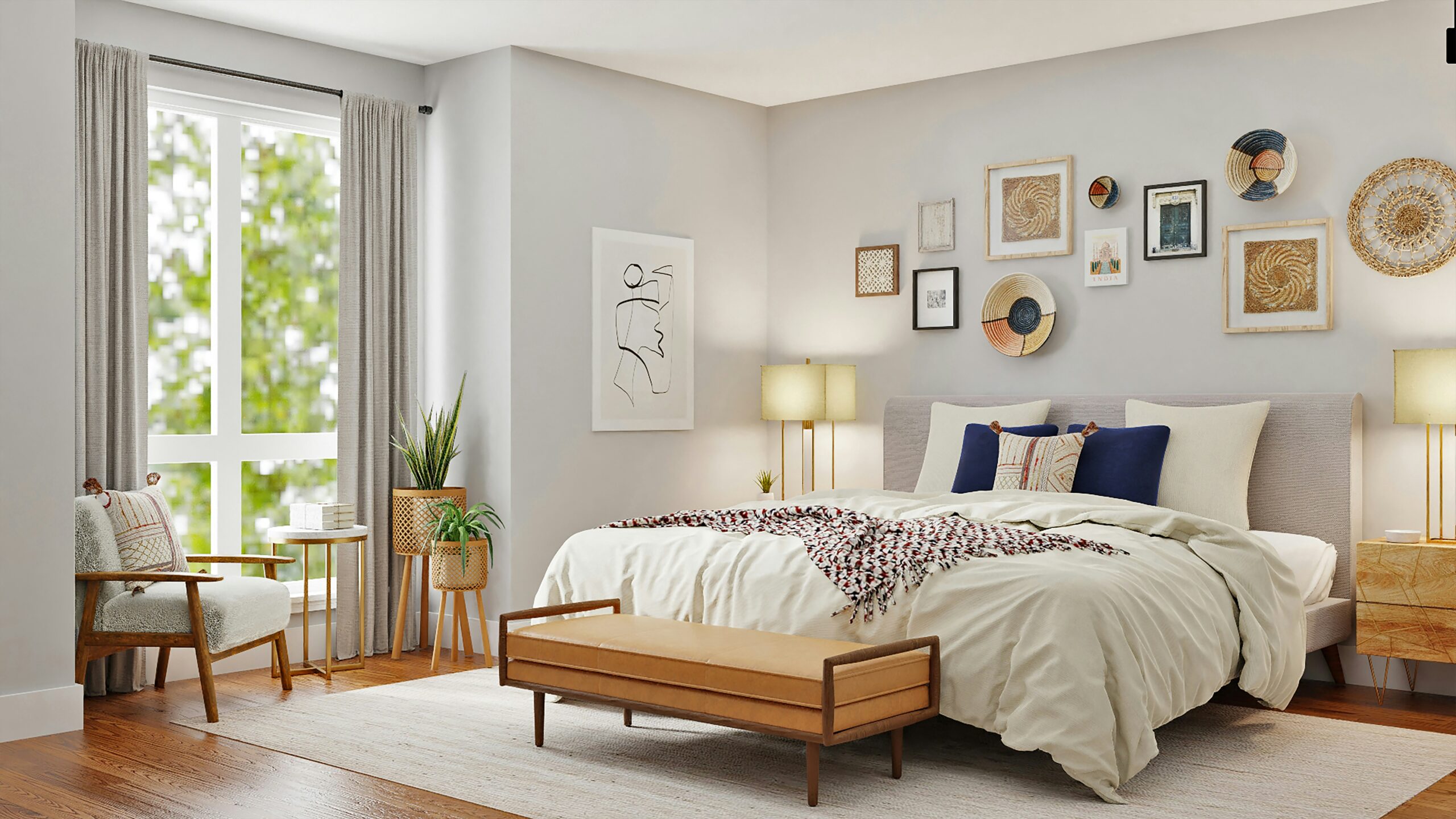
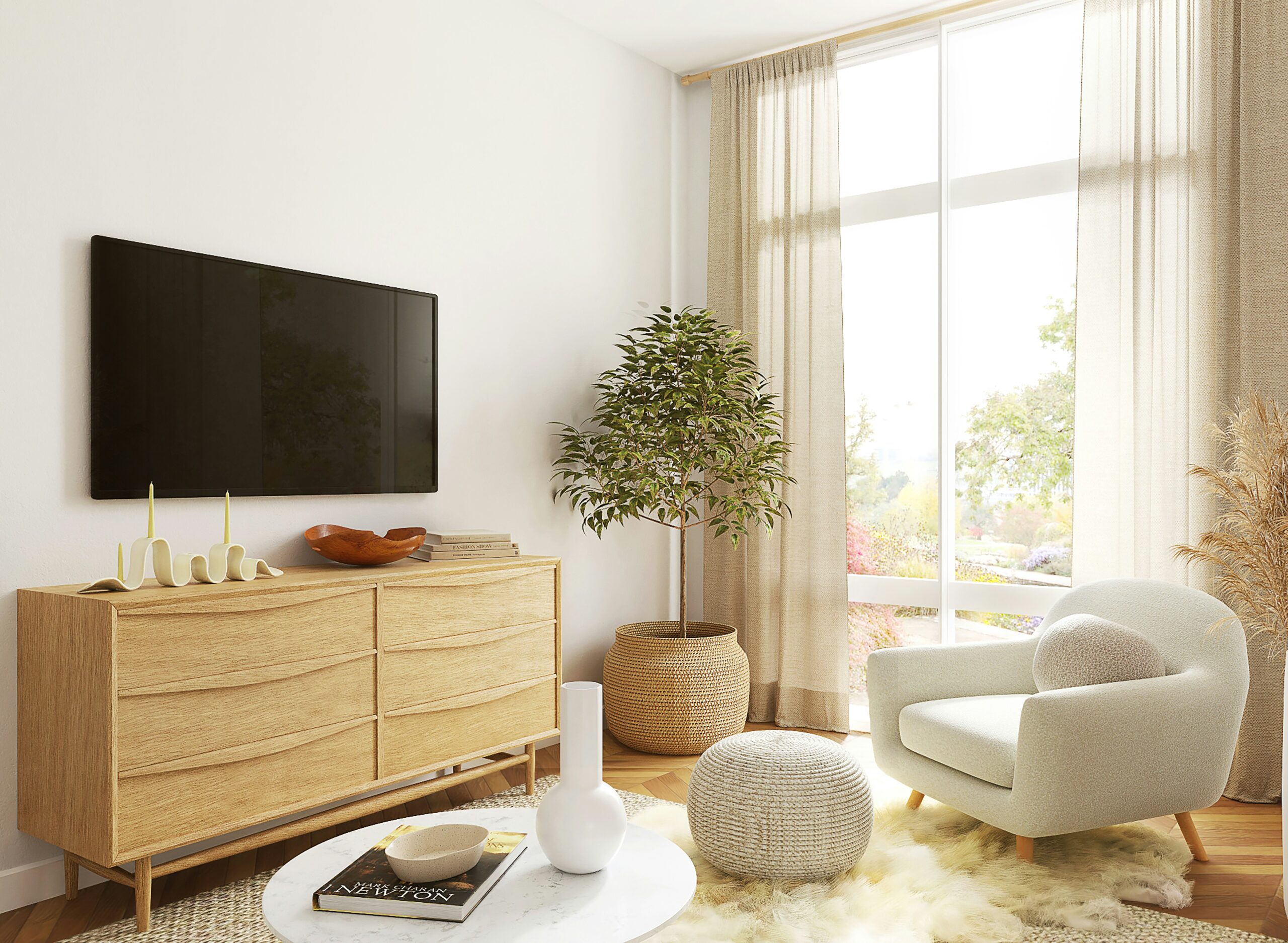
The style sits at the intersection of minimalism and nature. Think sculptural furniture with curved silhouettes, raw wood and stone surfaces, handcrafted textiles, and layered greenery — all unified by a restrained color story of creams, taupes, warm whites, and earthy terracottas. According to Woodgrain’s 2026 Interior Trends Report, “Organic Luxe” and “Elevated Organic Modern” rank among the top ten interior directions of the year, with sculptural organic shapes and curved forms appearing across furniture, millwork, and architectural details.
What sets 2026’s version of this aesthetic apart is a deliberate move away from cold minimalism. Designers are layering more texture, embracing imperfection, and incorporating handmade and vintage elements alongside sleek modern pieces. The result is a living room that feels curated but never sterile.
Core Natural Materials to Use in Your Living Room
Choosing the right natural materials is the foundation of the organic modern look — prioritize wood, stone, linen, jute, and clay for an authentic, grounded feel.
Which Wood Finishes Work Best?
Light-to-medium wood tones — white oak, walnut, and ash — are the workhorses of this style. Look for visible grain, live edges on coffee tables or shelving, and matte or oil finishes rather than high gloss. A solid oak coffee table typically runs $300–$900, while a live-edge slab console can range from $600 to over $2,000 depending on the artisan and wood species. Difficulty level: low — it’s primarily a shopping decision, though moving heavy solid-wood pieces may require two people.
Stone, Rattan, and Linen: The Supporting Cast
Travertine and limestone are showing up on side tables, fireplace surrounds, and even decorative trays. Budget $150–$500 for a travertine side table; larger stone applications like a fireplace surround are firmly in professional territory ($1,500–$5,000+ installed). Rattan accent chairs ($200–$600) and linen upholstery add softness without weight. Natural fiber rugs in jute or sisal run $100–$400 for a standard 8×10 size and immediately anchor the organic palette.
How to Achieve the Warm Neutral Home Aesthetic
A warm neutral palette — built from off-whites, sandy beiges, warm taupes, and muted terracottas — creates the cohesive, calming backdrop that defines organic modern spaces.
Choosing Your Paint Colors
Avoid stark, cool whites. Instead, reach for whites with yellow, pink, or greige undertones. Popular directions include warm linen whites, muted clay tones, and soft sage greens as an accent. A gallon of quality interior paint runs $40–$80; a full living room paint refresh is a weekend DIY project (difficulty: low to moderate) or roughly $300–$600 if you hire a painter. Always sample paint on your actual walls before committing — undertones shift dramatically under different lighting conditions.
Layering Textiles for Depth
Texture does the heavy lifting in a neutral room. Layer a chunky knit throw over a linen sofa, add a boucle or wool accent pillow, and place a hand-knotted rug over a flatweave base layer. This mix of tactile surfaces gives the eye somewhere to travel without relying on bold color. Budget $50–$300 for a solid textile layering refresh, depending on existing pieces you can repurpose.
Biophilic Living Room Decor: Bringing Nature Indoors
Biophilic design — the practice of connecting interior spaces to nature — is a core driver of the organic modern movement, and research suggests it can meaningfully reduce stress and improve wellbeing.
“According to the Journal of Environmental Psychology and broader biophilic design research, exposure to natural elements indoors — including plants, natural light, wood, and water features — is associated with measurable reductions in stress markers and improvements in perceived wellbeing and cognitive function.”
The 14 Patterns of Biophilic Design, a framework used by architects and interior designers, organizes these principles into categories including visual connection with nature, dynamic and diffuse light, and natural materials and textures. The Decorholic’s 2026 organic design guide references this research framework as a foundation for room-by-room biophilic applications.
Plant Placement That Actually Works
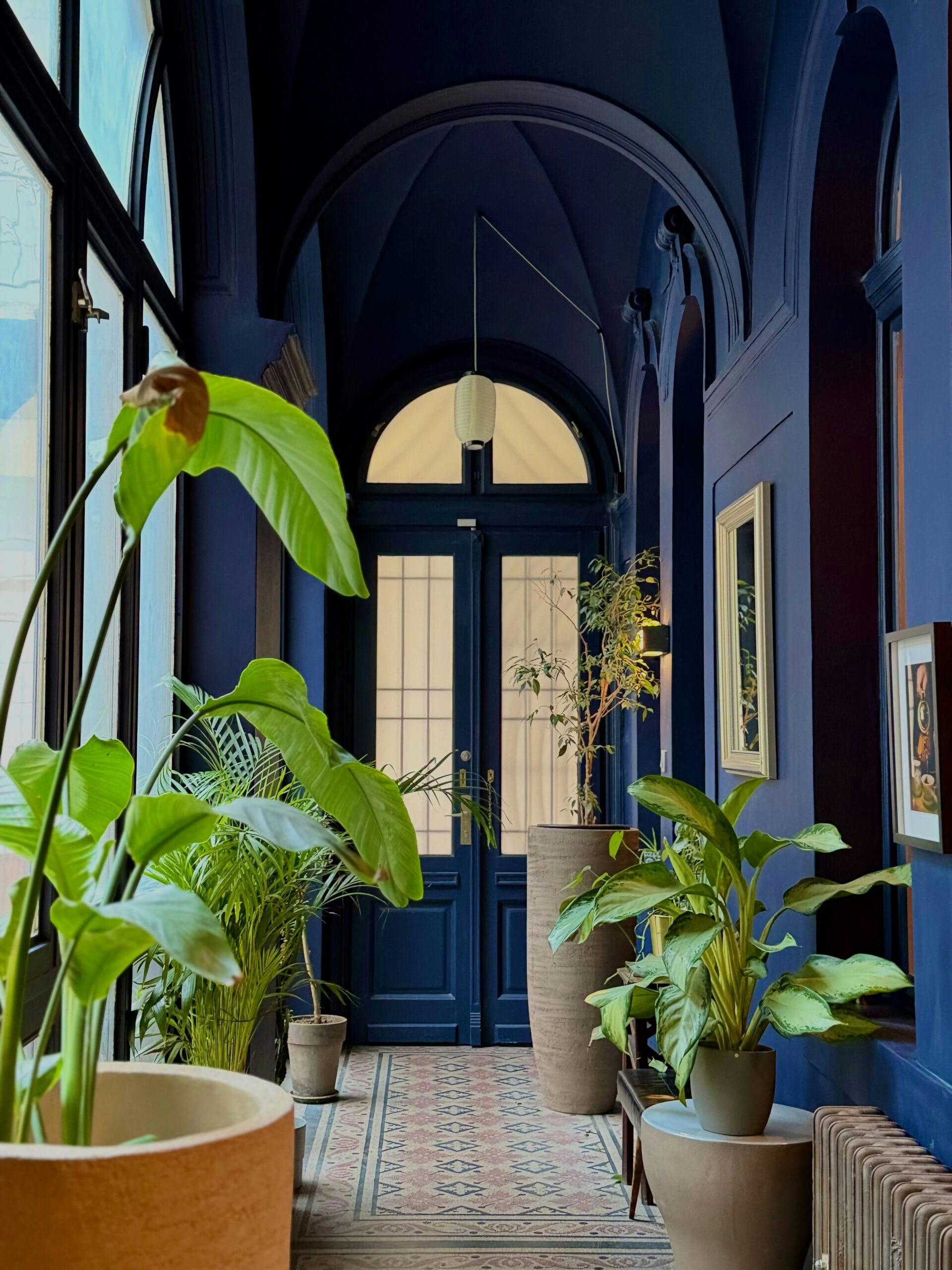
Choose plants that thrive in your actual light conditions — a fiddle-leaf fig looks stunning but demands bright indirect light. More forgiving options include pothos, snake plants, ZZ plants, and monsters. Cluster plants in odd numbers near windows or in corners that need visual softening. Planters in terracotta, matte ceramic, or woven seagrass reinforce the organic palette. Budget: $30–$200 for a few statement plants plus vessels.
Natural Light and Window Treatments
Maximize daylight by swapping heavy drapes for sheer linen panels or woven wood shades. Sheer linen curtain panels run $40–$120 per panel; woven wood shades are $80–$200 per window. This is a straightforward DIY install (difficulty: low) provided you have existing curtain hardware. If you’re adding new hardware, budget an extra $30–$80 per window and confirm your walls can support the bracket anchors.
2026 Organic Modern Living Room Trend Comparison
| Design Element | 2024 Approach | 2026 Direction | Estimated Cost | DIY Difficulty |
|---|---|---|---|---|
| Sofa Silhouette | Low-profile, angular sectionals | Curved, sculptural frames in boucle or linen | $800–$3,500 | Low (shopping) |
| Coffee Table | Glass or polished metal | Live-edge wood, travertine, or organic stone | $300–$1,800 | Low (assembly) |
| Wall Treatment | Stark white or gray paint | Warm limewash, plaster texture, or clay paint | $200–$800 DIY | Moderate |
| Lighting | Recessed LEDs, geometric pendants | Woven rattan shades, sculptural terracotta lamps | $80–$400 per fixture | Low–Moderate* |
| Greenery | Single statement plant | Clustered plantscaping, verdant living walls | $50–$500+ | Low |
| Rug | Geometric or solid flatweave | Hand-knotted, layered jute or wool | $150–$800 | Low |
*Lighting installation: replacing a fixture on an existing circuit is moderate DIY for confident homeowners. Any new wiring or panel work requires a licensed electrician.
Furniture and Layout Tips: Is Curved Always Better?
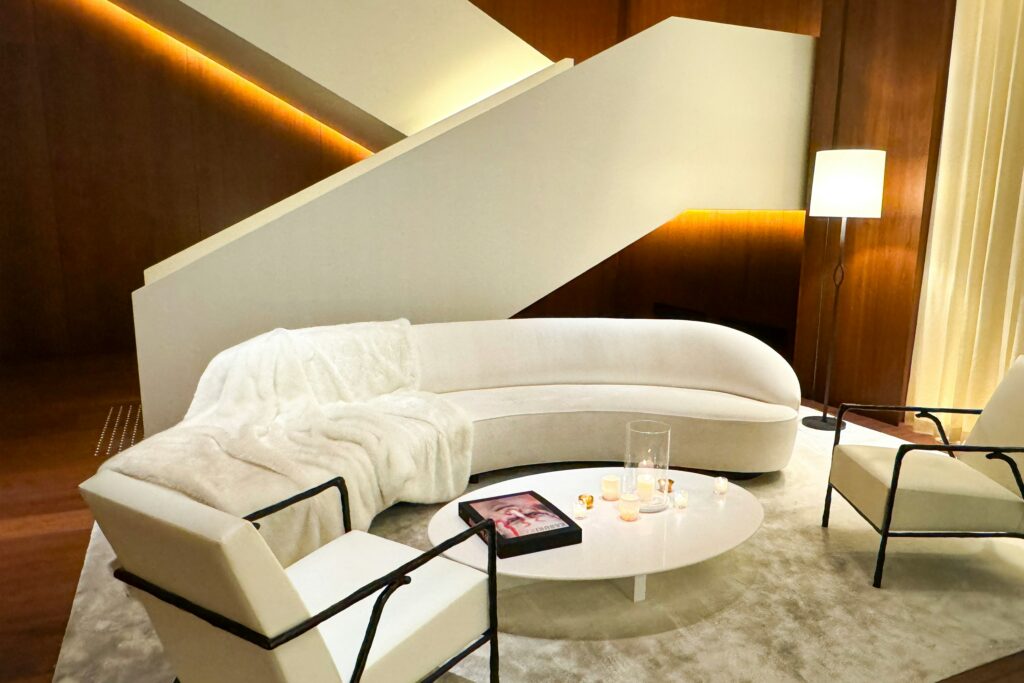
Curved furniture is central to organic modern design in 2026, but proportion and room scale matter — not every space benefits from an arc sofa or kidney-shaped ottoman.
TheCoolist’s analysis of 23 organic modern living room ideas for 2026 highlights how leading designers are blending clean structural lines with soft organic curves — a key distinction from the all-curves trend that briefly overcorrected away from minimalism. The practical takeaway: introduce curves through accent pieces (a rounded ottoman, an arched floor lamp, a kidney-shaped side table) if your sofa is more structured, or go full arc sofa if you have the square footage to justify it (generally 200+ sq ft of living area).
Decorilla’s 2026 living room trend report also emphasizes “embroidered wood” and hand-crafted surfaces — meaning furniture with carved, textured, or artisan-finished details — as a defining signature of the moment, reflecting a broader appetite for pieces that show the hand of a maker.
“According to Homes & Gardens reporting on 2026 living room trends, designers are increasingly directing clients toward ‘imperfect patterning’ and vintage-modern mixing as a counterpoint to overly polished interiors — a sign that authenticity and patina are now valued as much as pristine craftsmanship.”
For a full picture of where designers are pointing clients this year, Homes & Gardens’ 2026 living room trend roundup is worth reading alongside your mood boarding process.
However, as with any dominant design movement, the style faces its own share of skepticism from industry insiders
Alternative Perspectives
Not everyone is enthusiastic about the organic modern moment. Some interior designers argue that the aesthetic has become oversaturated on social media, leading to living rooms that feel Pinterest-perfect but lack genuine personal character. Critics also point out that high-quality natural materials — solid wood, genuine stone, hand-knotted rugs — carry significant costs that put the “authentic” version of this style out of reach for many households, raising questions about whether budget alternatives (faux stone, printed textiles) deliver the same sensory and wellbeing benefits as the real thing. On the environmental side, sourcing natural materials responsibly matters: ask suppliers about FSC-certified wood, recycled content in stone tiles, and the provenance of any rattan or bamboo products. A thoughtfully chosen, durable piece of furniture will always have a smaller footprint than fast-furniture cycling through trends every two years.
Frequently Asked Questions
Both styles share a love of natural materials and restrained palettes, but Japandi leans cooler and sparser — blending Scandinavian minimalism with Japanese wabi-sabi — while organic modern runs warmer, allows more decorative layering, and embraces more curvature in furniture silhouettes. Organic modern is generally the more approachable and flexible of the two for everyday living.
A light refresh — new textiles, plants, paint, and a few accent pieces — may cost $500–$1,500. A mid-range update including a new sofa, rug, and lighting could run $3,000–$7,000. A full redesign with quality furniture, custom or artisan pieces, and professional assistance can reach $15,000 or more. Costs vary significantly by region, material sourcing, and whether you DIY elements.
Natural materials do require some attention. Linen upholstery can wrinkle and stain more easily than synthetic fabrics; unsealed travertine needs periodic sealing to resist spills; jute rugs are not ideal for high-moisture areas or homes with very young children. That said, many natural materials develop attractive patina over time, and choosing performance-grade natural fabrics (such as treated linens or performance boucle) can significantly reduce maintenance demands.
Snake plants (Sansevieria), ZZ plants, pothos, and cast iron plants all tolerate low-light conditions reasonably well and work beautifully in organic modern spaces. Pair them with matte terracotta or ceramic planters to reinforce the warm neutral palette. Avoid high-light-demanding plants like fiddle-leaf figs or most succulents unless you have a south- or west-facing window with several hours of direct sun.
Disclaimer: The cost estimates, material availability, and labor rates mentioned in this article reflect market trends as of mid-2026 and are subject to change depending on your region and supplier. While many organic modern projects are DIY-friendly, always ensure your walls and flooring can safely support heavy natural materials like solid oak, travertine, or limestone. When structural modifications or complex installations are involved, consulting with a certified structural engineer or professional interior contractor is highly recommended.