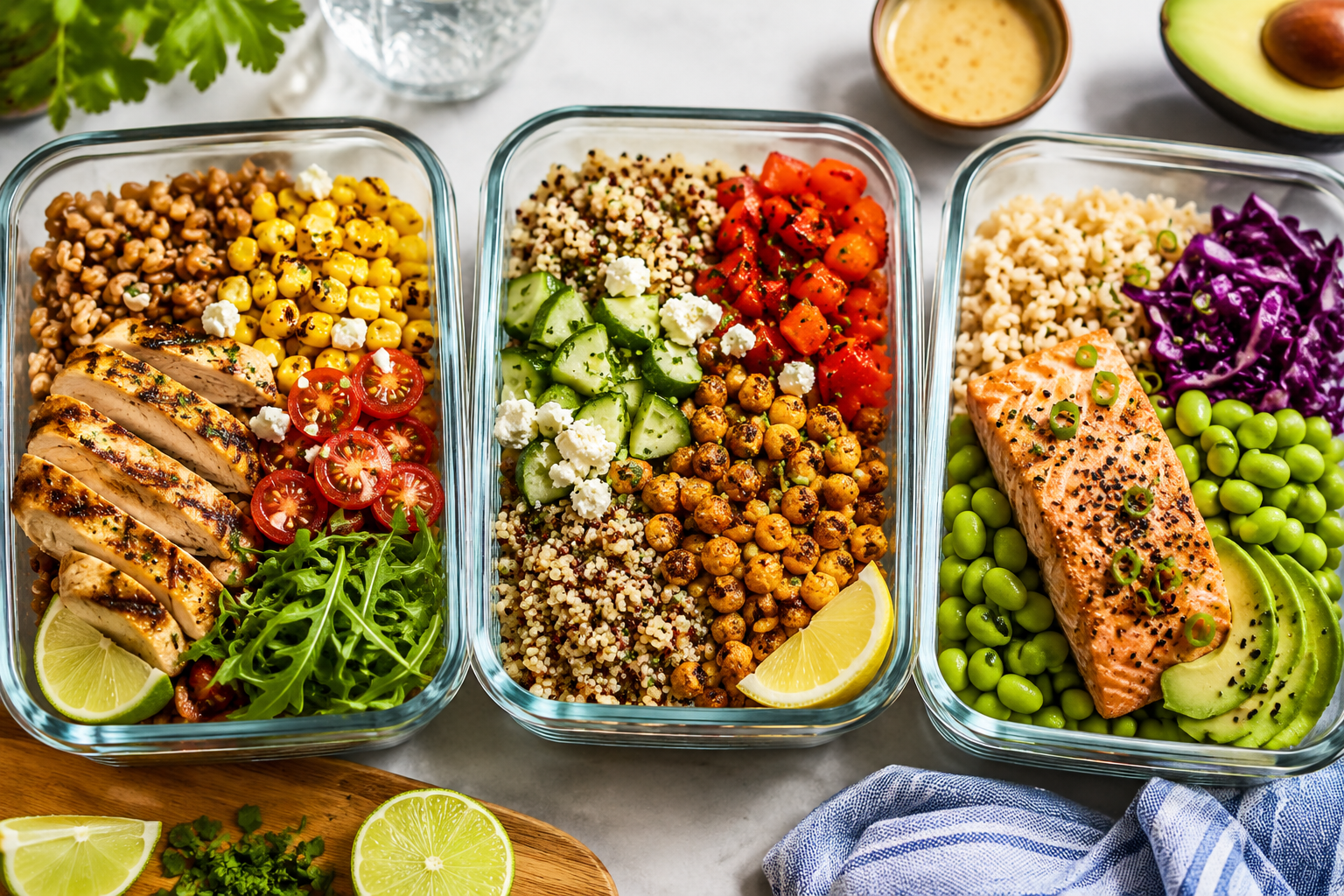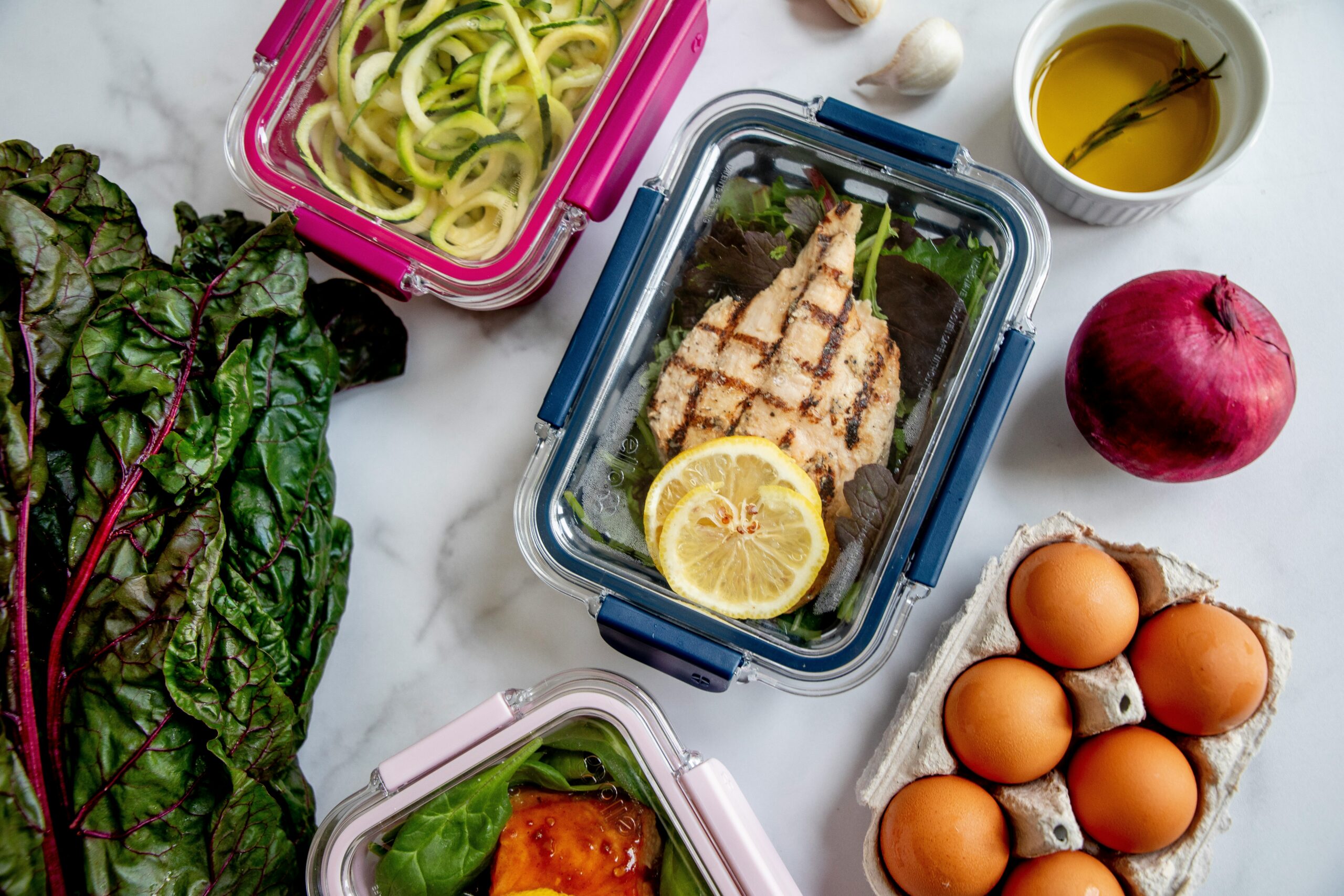

Between school pickups, work deadlines, and after-school activities, getting a nourishing dinner on the table every night can feel impossible. That’s exactly why high-protein meal prep recipes have become a lifesaver for families across the US and Canada. Spending a couple of hours on Sunday batching protein-rich foods means less stress Monday through Friday and more time actually sitting down to eat together. For even more inspiration, explore our easy weeknight recipes hub or browse all of our Food articles for seasonal ideas your whole family will love.
Why Protein Matters for the Whole Family
Protein is a foundational macronutrient that supports muscle repair, immune function, and steady energy levels in both kids and adults, making it a smart priority for family meal planning.
Protein does a lot of heavy lifting in the body. According to the USDA Dietary Guidelines for Americans, protein supports growth, tissue repair, and the production of enzymes and hormones.For active families navigating busy weeknights or weekend sports leagues, keeping protein intake consistent throughout the day may support sustained energy rather than the mid-afternoon crash that often follows a carb-heavy lunch.
Studies published in the American Journal of Clinical Nutrition highlight that higher dietary protein intake was associated with greater satiety and improved body weight regulation in adults, suggesting that protein-forward eating patterns may support appetite control over time. Results vary by individual.
The right amount of protein varies based on factors such as age, body weight, and physical activity level. A balanced diet should include a variety of protein sources, including lean meats, poultry, seafood, eggs, legumes, nuts, and seeds to help support overall health and nutritional needs.
What Are the Best Proteins for Meal Prep?
Chicken thighs, ground turkey, canned chickpeas, eggs, and Greek yogurt are among the most practical and cost-effective high-protein ingredients for weekly family meal prep.
Not every protein holds up well after a few days in the refrigerator. Choosing the right base ingredients is half the battle. Here is a quick comparison of popular meal-prep proteins to help you shop smarter.
| Protein Source | Approx. Protein (per 3 oz or serving) | Avg. Cost (USD) | Fridge Life (cooked) | Best Use |
|---|---|---|---|---|
| Chicken Thighs (boneless) | ~22g | $2–$4/lb | 3–4 days | Sheet pan dinners, grain bowls |
| Ground Turkey (93% lean) | ~22g | $4–$6/lb | 3–4 days | Taco filling, pasta sauce, lettuce wraps |
| Hard-Boiled Eggs | ~6g per egg | $3–$5/dozen | Up to 1 week (unpeeled) | Snacks, salads, grain bowls |
| Canned Chickpeas | ~7g per ½ cup | $1–$2/can | 3–4 days (drained, rinsed) | Soups, roasted snacks, curries |
| Salmon Fillets | ~22g | $8–$12/lb | 3 days | Grain bowls, wraps, pasta |
| Greek Yogurt (plain, 2%) | ~17g per 6 oz | $1–$2 per cup | Use by date | Parfaits, sauces, dips |
High-Protein Meal Prep Recipes Your Family Will Actually Eat
These four family-tested meal prep recipes cover breakfast, lunch, and dinner, delivering bold flavors and reliable protein without requiring professional cooking skills or hours in the kitchen.
Sheet Pan Lemon Herb Chicken Thighs
Juicy, golden-edged chicken thighs are the ultimate weeknight workhorse. Toss six boneless, skinless thighs in two tablespoons of olive oil, the zest of one lemon, minced garlic, dried oregano, smoked paprika, salt, and pepper. Spread them on a rimmed baking sheet alongside halved baby potatoes and broccoli florets. Roast at 425°F for 25 to 30 minutes until the internal temperature hits 165°F. The crispy edges reheat beautifully, and the lemon-herb aroma filling the kitchen is worth the minimal effort alone. Portion into four airtight containers for grab-and-go lunches through Wednesday.
Turkey and Black Bean Taco Bowls
Brown one pound of lean ground turkey in a skillet over medium-high heat, breaking it apart as it cooks. Season generously with cumin, chili powder, garlic powder, and a pinch of cayenne. Stir in one rinsed can of black beans and a half cup of salsa. Serve over brown rice or cauliflower rice and top with sliced avocado, shredded cabbage, and a dollop of plain Greek yogurt in place of sour cream. This bowl is bright, hearty, and hits every texture you want: creamy, crunchy, and tender. Prep six servings at once and refrigerate the rice and turkey mix separately so nothing gets soggy.
Easy High-Protein Egg and Veggie Muffins
These savory egg muffins are one of the best easy high-protein lunches or breakfasts you can batch on a Sunday. Whisk together ten large eggs with a quarter cup of milk, salt, pepper, and any finely diced vegetables you have on hand, such as spinach, red bell pepper, onion, and mushrooms. Stir in a half cup of shredded cheddar or pepper jack cheese. Pour the mixture into a greased 12-cup muffin tin and bake at 350°F for 20 to 22 minutes until puffed and just set in the center. Each muffin contains roughly 7 to 8 grams of protein. Pack two or three per person for a portable, mess-free morning option during hectic weekday mornings.
Muscle-Building Meal Prep: Salmon and Quinoa Power Bowls
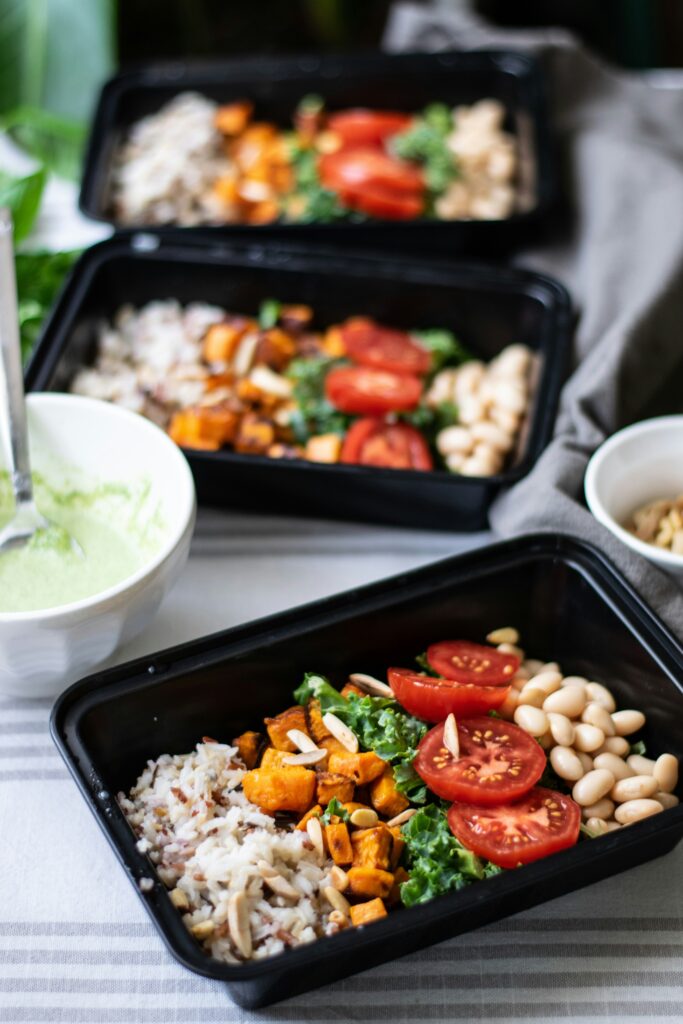
Quinoa is one of the few plant foods considered a complete protein, meaning it contains all nine essential amino acids, according to the USDA FoodData Central . Cook two cups of dry quinoa in vegetable broth for extra depth of flavor. Season four salmon fillets with olive oil, garlic, and dill, then bake at 400°F for 12 to 14 minutes until flaky. Assemble bowls with quinoa, cucumber ribbons, cherry tomatoes, baby kale, and a tahini-lemon drizzle. These are especially popular protein meal prep ideas for families with teenagers in sports, since the combination of lean fish and whole grains may support muscle recovery after activity, though results vary by individual and overall diet.
How to Build a Weekly Protein Meal Prep Routine
A consistent Sunday prep session of roughly 90 minutes can cover three to four high-protein dinners and several ready-to-grab lunches for a family of four.
Efficiency is everything. Start by cooking your grains first since they take the longest. While the quinoa or brown rice simmers, prep your proteins. Season and get the sheet pan in the oven, then use that cooking time to chop vegetables and portion snacks like hard-boiled eggs and Greek yogurt cups. According to the Mayo Clinic, high-protein diets require thoughtful planning, particularly around kidney health for those with existing conditions, so it is worth speaking to a registered dietitian if your family has specific health needs before making dramatic dietary changes.
According to researchers at the National Institutes of Health, adequate dietary protein is critical for children’s growth and development, with needs varying significantly by age and body weight. The NIH recommends that families consult current Dietary Reference Intakes to identify appropriate targets for each household member.
Storage and Food Safety Tips
The FDA and food safety guidelines recommend storing cooked proteins in airtight containers in the refrigerator at or below 40°F and consuming them within three to four days. Label each container with the date prepped. For longer storage, most cooked proteins freeze well for up to three months. Reheat leftovers to an internal temperature of 165°F before serving, especially for children.
Alternative Perspectives
Not everyone agrees that high-protein meal prep is the right approach for every family. Some registered dietitians caution that overfocusing on a single macronutrient can lead to under-eating fiber-rich carbohydrates and healthy fats, which are equally important for children’s brain development and digestive health. Others point out that heavily processed protein products marketed as healthy, such as certain protein bars or powder-heavy shakes, may contain added sugars and artificial ingredients that offset their nutritional benefits. Plant-forward nutrition advocates also note that whole food plant proteins like legumes, tofu, and tempeh offer comparable protein alongside fiber and phytonutrients that animal proteins lack. A balanced approach that includes a wide variety of protein sources, both animal and plant-based, is generally considered most sustainable for long-term family health, according to major dietary guidelines.
Disclaimer. The information on this website is provided for general educational purposes only and does not constitute medical, nutritional, or any other form of professional advice. WideJournal.com is not responsible for any decisions made based on the content published on this site.Before making significant changes to your diet or the diet of any family member — especially children — please consult a qualified physician or registered dietitian. Nutritional values, product costs, and storage times listed in this article are approximate and may vary depending on brand, region, and preparation method.References to third-party research and government guidelines (including USDA, NIH, FDA, and Mayo Clinic) are included for informational purposes only. WideJournal.com is not affiliated with any of these organizations and is not responsible for the accuracy, completeness, or availability of external sources.Individual results from following any recipe or nutritional recommendation may vary. Nothing on this website is intended to diagnose, treat, cure, or prevent any disease or medical conditi
Frequently Asked Questions
A general benchmark for a satisfying main meal is 25 to 35 grams of protein per adult serving, though needs vary by age, weight, and activity level. According to the USDA Dietary Guidelines for Americans, most adults need around 0.8 grams of protein per kilogram of body weight daily as a baseline, with higher needs for those who are very active or older adults looking to maintain muscle mass. Children’s needs are lower and scale with age.
Most cooked proteins freeze well, including chicken, ground turkey, cooked beans, and quinoa. Egg-based dishes like frittatas or egg muffins can also be frozen for up to two months, though their texture may soften slightly upon reheating. Store in single-serving portions so you can thaw only what you need, and always reheat to 165°F before eating.
Egg muffins, turkey roll-ups with whole grain wraps, Greek yogurt parfaits with berries, and chickpea pasta salads are all kid-friendly, portable, and quick to assemble in bulk. The key is choosing mild flavors and familiar textures children already enjoy, then gradually introducing new ingredients as they become comfortable with the meal-prep routine.
For most healthy children, eating adequate protein as part of a balanced diet is not only safe but essential for growth and development, according to the USDA. However, very high-protein diets that significantly exceed recommended intakes are not necessary for children and could potentially place strain on kidneys over time. Consult a pediatric registered dietitian if you have questions about your child’s specific nutritional needs before significantly changing their diet.