Staring down another container of the same grilled chicken by Wednesday is a meal prep rite of passage, but it doesn’t have to be your reality. Whether you’re simply bored, managing a dietary restriction, or just want more variety in your weekly routine, there are plenty of satisfying, flavor-forward ways to hit 30 grams of protein per meal without touching a chicken breast. From hearty legumes to savory seafood and protein-dense dairy, your meal prep recipes can stay exciting all week long. For more inspiration across every cuisine and dietary style, browse all Food articles on WideJournal.
Why Protein Variety Matters in Weekly Meal Prep
Rotating different protein sources throughout the week helps ensure you get a broader range of essential amino acids, vitamins, and minerals, making your high-protein meal prep more nutritionally complete.
Chicken is a perfectly solid protein source, but leaning on it exclusively means you may be missing nutrients that other proteins bring to the table. Salmon offers omega-3 fatty acids. Lentils contribute iron and fiber. Greek yogurt delivers calcium and probiotics.
According to the Dietary Guidelines for Americans, published on MedlinePlus (NIH), protein foods include meat, poultry, seafood, beans and peas, eggs, nuts, and seeds — and eating a variety of these is recommended. Specifically, seafood high in omega-3 fats, such as salmon, sardines, or trout, may help prevent heart disease.
Mixing these into your weekly rotation keeps your palate interested and your nutrition more balanced.
According to the Dietary Guidelines for Americans, the Recommended Dietary Allowance for protein is 0.8 grams per kilogram of body weight per day for the average adult, though active individuals and older adults may benefit from higher intake levels. Individual needs vary and should be discussed with a healthcare provider.
Top Protein Sources for Meal Prep Without Chicken
Ground turkey, canned tuna, hard-boiled eggs, lentils, cottage cheese, and beef sirloin are all practical, prep-friendly proteins that can each deliver 30 grams or more per serving in a meal.
Ground Turkey and Lean Beef
Ground turkey and lean ground beef are workhorses for high-protein lunch prep ideas. A 4-ounce cooked portion of 93% lean ground turkey delivers roughly 22 grams of protein, and when paired with brown rice or quinoa in a bowl, hitting 30 grams becomes easy. Season a large batch with smoky cumin and chili powder for taco bowls, or go Italian with fennel and garlic for a pasta sauce base. Lean beef sirloin, sliced thin and stir-fried with broccoli, offers a satisfying umami depth that keeps Sunday-prepped lunches feeling fresh on Thursday.
Salmon and Canned Tuna: Seafood That Prepped Well
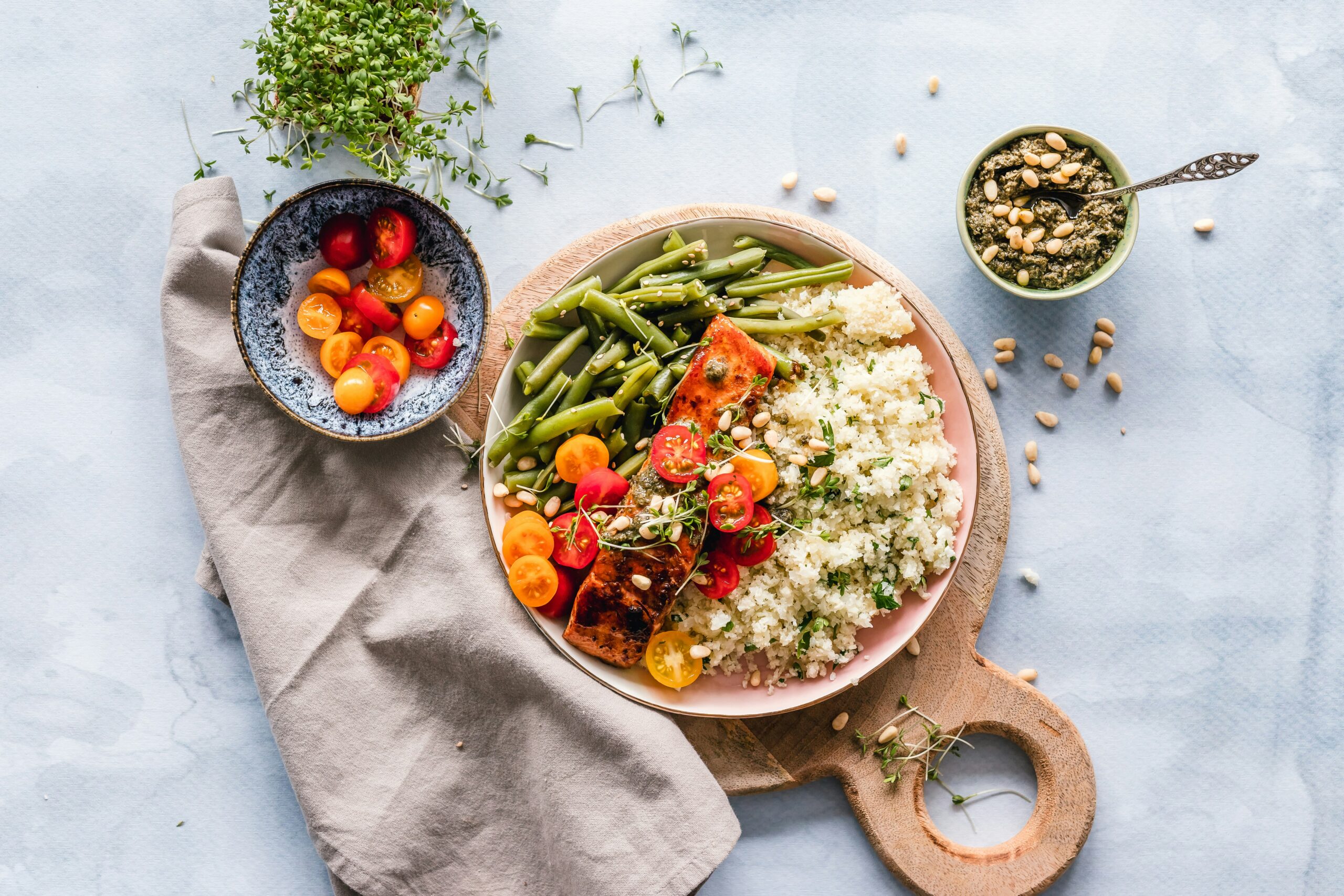
Baked salmon fillets portion beautifully into meal prep containers and reheat gently in a low oven or microwave covered with a damp paper towel. Tip: If you take your prep to an office, consider eating salmon cold in a salad or grain bowl to avoid the dreaded “microwave fish smell” that bothers coworkers. A 5-ounce cooked salmon fillet delivers approximately 30 grams of protein and provides omega-3 fatty acids that are associated with cardiovascular and brain health. Canned tuna is arguably the most underrated protein for weekly prep: no cooking required, shelf-stable, and a 5-ounce can of light tuna in water provides around 25 to 30 grams of protein depending on the brand. Mix it into a Mediterranean-style grain bowl with olives, cucumber, and lemon-herb vinaigrette for a lunch that tastes anything but boring.
Eggs and Cottage Cheese for High-Protein Meal Prep
Hard-boiled eggs batch-prep effortlessly and keep refrigerated for up to one week, according to the USDA FoodKeeper. Six large eggs provide around 36 grams of protein combined. Pair them alongside a cup of cottage cheese, which on its own delivers 24 to 28 grams of protein per cup, and you’ve built a fully customizable, zero-cook protein base. Season cottage cheese with everything bagel seasoning, or blend it smooth and use it as a creamy base for savory bowls, a preparation that surprises most people who think of it only as a plain diet food.
Lentils, Edamame, and Plant-Based Proteins
Lentils are one of the most practical proteins for weekly meal prep: they cook in under 25 minutes, store well in the fridge for up to five days, and a cooked cup delivers roughly 18 grams of protein along with substantial fiber and iron. Pair a cup of lentils with a half cup of edamame (about 11 grams of protein) and a sprinkle of hemp seeds, and a plant-forward bowl can easily cross the 30-gram threshold. Firm tofu, pressed and pan-seared until golden, absorbs marinades beautifully and works across every cuisine from teriyaki to Tex-Mex.
Practical Tips for Building 30-Gram Protein Meals
Pairing a primary protein with a protein-rich side, such as Greek yogurt, edamame, or a legume-based grain, is one of the simplest strategies for reliably hitting 30 grams per meal in your weekly prep.
Use Protein-Stacking to Hit Your Numbers
One key strategy in 30 grams protein meal prep is stacking two moderate protein sources rather than relying on one massive portion. For example, a salmon fillet (roughly 25g) paired with half a cup of white beans (roughly 8g) in a lemon-dill bowl easily clears 30 grams while keeping the meal light and varied in texture. Similarly, a ground turkey taco bowl built on a black bean base gives you both protein sources in one satisfying bite.
Prep Proteins Separately, Assemble Daily
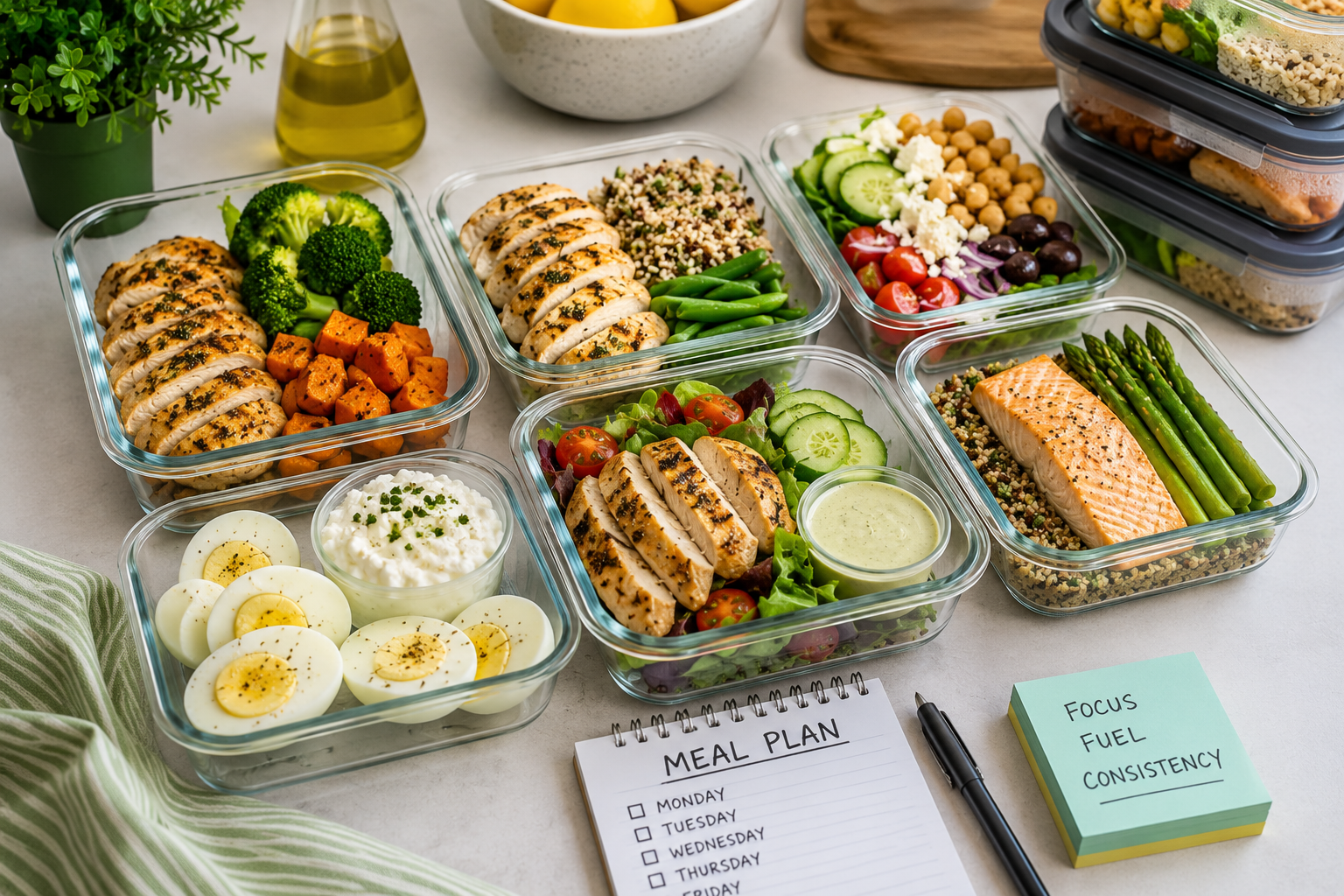
Rather than assembling complete meals on Sunday, try prepping proteins, grains, and vegetables as individual components. This modular approach prevents soggy lunches mid-week and keeps things feeling fresher. Roasted salmon stays better when stored separately from rice, and cottage cheese maintains its texture when portioned right before eating. Spending 90 minutes on a Sunday batch-cooking three different proteins, two grains, and two vegetable sides can give you nearly unlimited combinations across five lunches without a single repeated meal.
Protein Content Comparison Table
| Protein Source | Serving Size | Approx. Protein (g) | Prep Method | Meal Prep Shelf Life (Refrigerated) |
|---|---|---|---|---|
| Salmon (cooked) | 5 oz | ~30g | Bake at 400°F for 12-15 min | 3-4 days |
| Canned Light Tuna (in water) | 5 oz can | ~25-30g | No cooking required | Use immediately once opened |
| Lean Ground Turkey (93%) | 4 oz cooked | ~22g | Sauté or brown on stovetop | 3-4 days |
| Cottage Cheese (2% milkfat) | 1 cup | ~24-28g | No cooking required | 5-7 days (sealed) |
| Cooked Lentils | 1 cup | ~18g | Simmer 20-25 min | 4-5 days |
| Firm Tofu (pan-seared) | 6 oz | ~18-20g | Press, cube, sear 5-7 min per side | 4-5 days |
| Beef Sirloin (cooked) | 4 oz | ~28-30g | Grill or sear at medium-high heat | 3-4 days |
Protein estimates are approximate based on USDA FoodData Central data. Actual values vary by brand and preparation method.
A 2020 review published in Advances in Nutrition found that consuming a variety of protein sources, including both animal and plant proteins, was associated with more favorable nutrient intake profiles compared to diets centered on a single protein source. The researchers noted that dietary diversity in protein selection may support overall nutritional adequacy.
Sample Weekly Meal Prep Schedule Without Chicken
A simple rotating weekly schedule using salmon, turkey, tuna, lentils, eggs, tofu, and beef can keep your protein meal prep without chicken varied, flavorful, and consistently above 30 grams per meal.
A Five-Day Protein Rotation to Try
Monday’s lunch could be a salmon and white bean bowl with arugula and lemon tahini. Tuesday, shift to a ground turkey taco bowl with black beans, salsa, and lime crema. Wednesday works beautifully for a Mediterranean tuna and chickpea salad with roasted red peppers and herbs. Thursday, lean into a lentil and edamame curry over brown rice for a warming, fully plant-based option. Friday, finish the week strong with a seared beef sirloin stir-fry with broccoli and sesame over cauliflower rice. Each of these meals can be prepped component-by-component on Sunday in under two hours.
Alternative Perspectives
While high-protein meal prep is widely promoted for satiety and muscle maintenance, some registered dietitians and nutrition researchers caution against an exclusive focus on hitting protein gram targets at the expense of overall dietary balance.
Research published inPubMed (NIH) notes that high protein intake should be approached with care in those at high risk for kidney disease, and that adopting dietary approaches with a high proportion of protein for weight reduction or glycemic control warrants consideration given conflicting evidence from trials. AHarvard study further found that among women with mildly reduced kidney function, a higher-protein diet may lead to accelerated decline in kidney function compared with a lower-protein diet — though for women with normal kidney function, high-protein diets appeared to have no adverse impact.
Additionally, some nutrition professionals emphasize that for many moderately active adults, meeting standard protein recommendations through normal balanced eating may be sufficient without aggressive protein-stacking strategies. As with any dietary approach, individual needs vary, and consulting a registered dietitian provides the most personalized guidance.
Disclaimer: Nutritional information is approximate and may vary. Consult a registered dietitian for personalized dietary advice.
Frequently Asked Questions
Salmon, ground turkey, canned tuna, lean beef, cottage cheese, eggs, lentils, edamame, and firm tofu are all excellent protein meal prep options that can each contribute 18 to 30 grams of protein per serving, making it straightforward to hit 30 grams per meal when combined strategically.
The most reliable approach is protein-stacking: pairing a primary protein source like salmon or ground turkey with a secondary protein-rich ingredient such as white beans, cottage cheese, Greek yogurt, or edamame. This combination method makes 30 grams very achievable without requiring oversized single-protein portions.
Most cooked proteins like ground turkey, salmon, and beef last 3 to 4 days refrigerated when stored in airtight containers, according to USDA food safety guidelines. Cooked lentils and tofu typically last 4 to 5 days. Cottage cheese and hard-boiled eggs can last up to one week sealed or unpeeled, respectively.
Some research suggests that distributing adequate protein intake across meals throughout the day is associated with supporting muscle protein synthesis, particularly when combined with resistance exercise. However, results vary by individual, training intensity, total caloric intake, and overall diet quality. A registered dietitian can help determine the right protein targets for your specific goals.