Evenly distributing protein across meals is the definitive key to managing appetite and preventing mid-afternoon energy crashes. According to a comprehensive systematic review and meta-analysis published in *Nutrients* (2023), consuming 25 to 40 grams of high-quality protein per meal optimally stimulates satiety hormones and supports metabolic health throughout the day. Summer is exactly when people want fast, no-reheat lunches that actually hold them over, and a well-built grain bowl checks every box. These aren’t sad desk salads. They’re layered, colorful constructions with chewy farro, charred corn, and grilled chicken that still tastes good cold. Explore more easy summer recipes and broader Food articles on Wide Journal for more seasonal cooking ideas that fit real schedules.
The protein focus here is intentional, not trendy. The Academy of Nutrition and Dietetics recommends 0.8 grams of protein per kilogram of body weight as a daily baseline for most adults, with active individuals potentially needing more. A single well-assembled bowl in this collection delivers 38 to 45 grams of protein, covering roughly half a moderately active adult’s daily target in one meal.
Key Takeaways
- Each bowl recipe below provides 38 to 45 grams of protein per serving, based on standard USDA FoodData Central nutrient values for chicken breast, chickpeas, and quinoa.
- Prepping grain bases and proteins separately and combining at serving time preserves texture for up to 4 days refrigerated, reducing sogginess that causes most meal prep abandonment.
- Quinoa delivers all nine essential amino acids, making it one of the few plant-based complete proteins available as a grain base, according to USDA nutrient data.
- Marinating chicken in an acid-based mixture (citrus or vinegar) before grilling may improve flavor retention after refrigeration, which matters for cold bowls eaten without reheating.
- Portioning sauces and dressings in separate small containers prevents the grain base from absorbing liquid overnight, the single most common complaint in meal prep bowl recipes.
Why Summer Is the Right Season for Protein Bowl Meal Prep
Summer’s longer days, irregular meal schedules, and heat-averse cooking habits make protein-forward make-ahead bowls one of the most practical lunch strategies for the season.
Summer disrupts eating routines more than any other season. Vacations, outdoor activities, and irregular work-from-home schedules mean lunch either gets skipped or replaced with whatever is fastest. A prepped protein bowl removes the decision entirely. The components are cold-ready by design, meaning no microwave is required and no one is standing over a stove at 85°F.
What Makes a Bowl “High Protein”?
A bowl earns the high-protein label when it delivers at least 30 grams of protein per serving, a threshold associated with meaningful satiety effects in research on protein and appetite. Hitting that number requires at least two protein sources working together: a lean animal protein like chicken breast (about 26 grams per 3.5 oz cooked) paired with a protein-contributing grain or legume. Quinoa provides roughly 8 grams per cooked cup. Chickpeas add another 15 grams per cup. Stacking these strategically gets the bowl to 40-plus grams without heroic portion sizes.
Common Mistakes That Ruin Meal Prep Bowls
The most frequent failure is layering everything together on Sunday. Dressings break down grain textures within 12 hours, turning farro or quinoa into a dense, wet clump by Tuesday. The second most common mistake is overcooking chicken intended for cold eating. Chicken breast cooked to exactly 165°F and rested before refrigerating stays noticeably more tender than anything taken to 170°F or beyond.
Easy Protein Bowls for Summer: Three Core Recipes
These three build-ahead bowls use overlapping ingredients to reduce prep time while delivering different flavor profiles across the week.
Recipe 1: Grilled Chicken and Charred Corn Farro Bowl
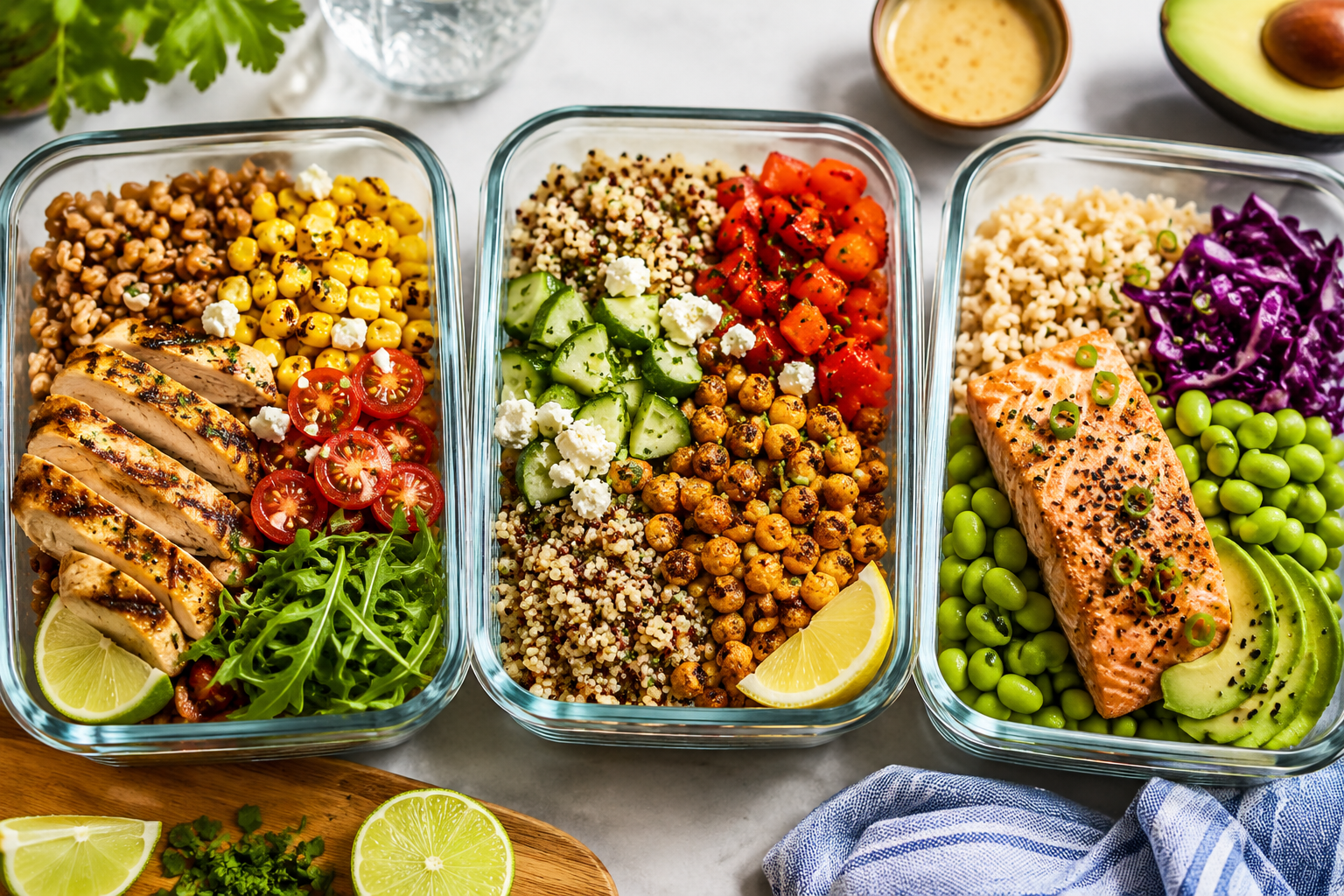
This is the anchor recipe. Cook two pounds of boneless chicken breast in a citrus-cumin marinade (juice of two limes, one teaspoon cumin, two tablespoons olive oil, half teaspoon smoked paprika, salt) for at least two hours before grilling over medium-high heat. Cook farro according to package directions, which typically runs 25 to 30 minutes for pearled farro, and spread it on a sheet pan to cool quickly. Char four ears of corn directly on the grill grates for 8 to 10 minutes, rotating every two minutes, then cut the kernels off. Layer in containers: farro base, sliced chicken, corn, halved cherry tomatoes, and a handful of arugula. Store the lime-tahini dressing (two tablespoons tahini, juice of one lime, one garlic clove grated, two tablespoons water) separately.
Protein per serving: approximately 42 grams (26g chicken, 8g farro, 4g tahini, plus residual from tomatoes and arugula).
Recipe 2: Spiced Chickpea and Roasted Red Pepper Quinoa Bowl
A fully plant-based option with a protein profile that surprises most people. Rinse and dry two cans of chickpeas, toss with olive oil, cumin, coriander, and garlic powder, then roast at 425°F for 25 to 30 minutes until crispy. Cook one and a half cups of dry quinoa in vegetable broth for extra depth. Roast two red bell peppers directly over a gas burner or under the broiler until blackened, then steam in a covered bowl for 10 minutes before peeling and slicing. Cucumber slices and a generous spoon of hummus round out the bowl.
Protein per serving: approximately 28 grams (15g chickpeas, 8g quinoa, 3g hummus, plus vegetables). This is slightly below the 30-gram threshold, so adding a hard-boiled egg brings it to 34 grams.
Recipe 3: Quick High Protein Lunch: Sesame Salmon Rice Bowl
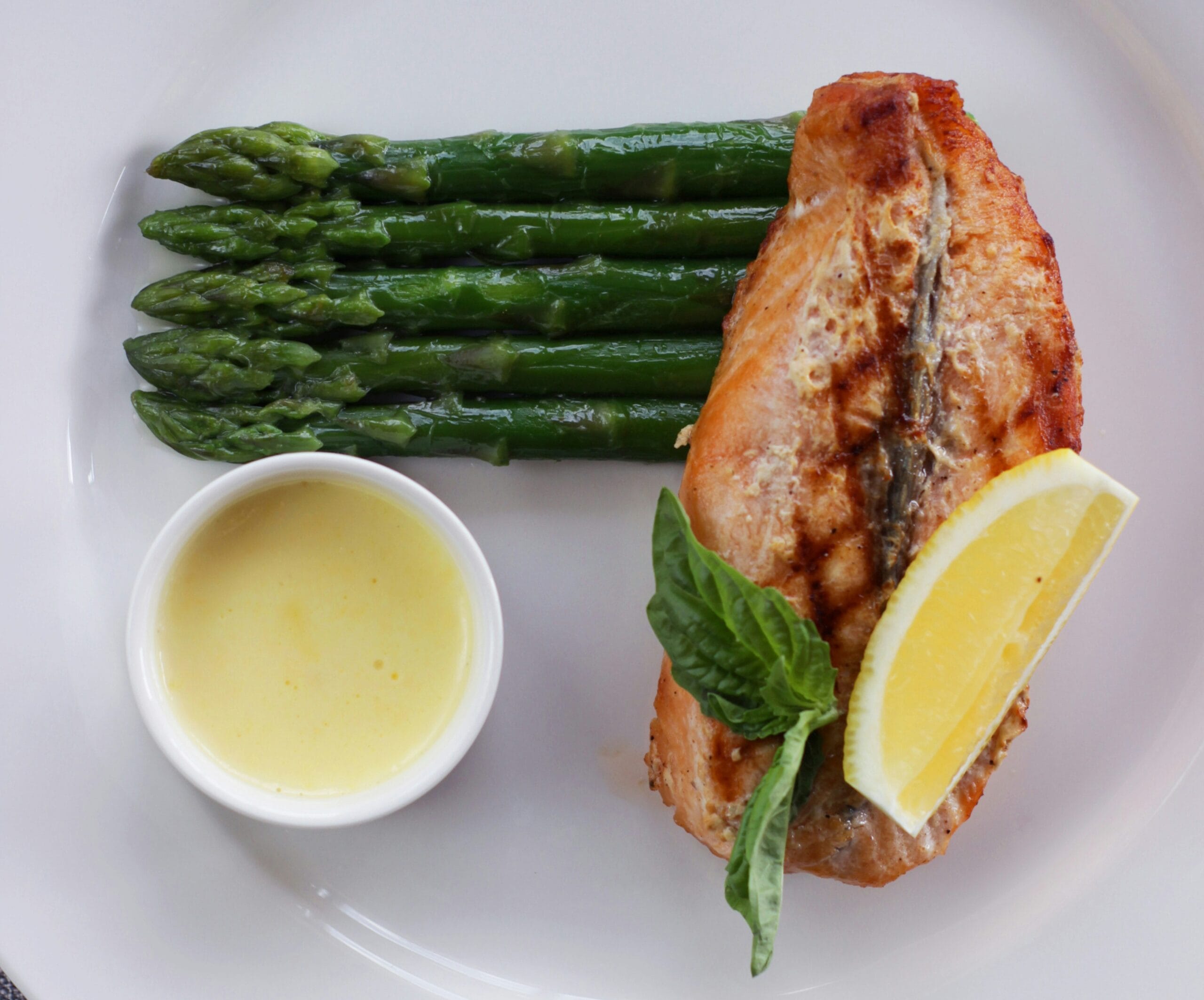
Sheet-pan salmon is the fastest protein to prep in bulk. Season four 4-oz salmon fillets with sesame oil, low-sodium soy sauce, grated ginger, and a touch of honey. Roast at 400°F for 12 to 14 minutes. Use short-grain brown rice as the base, which has a sturdier texture than white rice after refrigeration. Add shelled edamame (about 17 grams of protein per cup), shredded purple cabbage, and sliced avocado added fresh at serving time only, since avocado browns and adds unnecessary density when prepped too early. Ginger-miso dressing stored separately.
Protein per serving: approximately 45 grams (22g salmon, 17g edamame, 5g brown rice).
Grain Bowl Meal Prep: Nutrition at a Glance
Comparing the macronutrient profiles across bowl recipes helps with planning a week of varied, balanced lunches without nutritional gaps.
| Bowl Recipe | Protein (g) | Carbohydrates (g) | Fat (g) | Fiber (g) | Estimated Calories |
|---|---|---|---|---|---|
| Grilled Chicken Farro Bowl | 42 | 52 | 14 | 7 | 510 |
| Spiced Chickpea Quinoa Bowl (no egg) | 28 | 58 | 13 | 12 | 470 |
| Spiced Chickpea Quinoa Bowl (with egg) | 34 | 59 | 18 | 12 | 540 |
| Sesame Salmon Rice Bowl | 45 | 44 | 22 | 8 | 560 |
| USDA Recommended Lunch Portion (reference) | 25-35 | 45-65 | 10-20 | 6-8 | 400-600 |
Nutrient estimates based on USDA FoodData Central values for standard ingredient portions. Actual values vary by specific brands, portion sizes, and preparation methods.
Storage, Safety, and the Four-Day Rule
Proper storage technique determines whether meal prep bowls are still safe and appealing on day four, or whether they become a food safety risk.
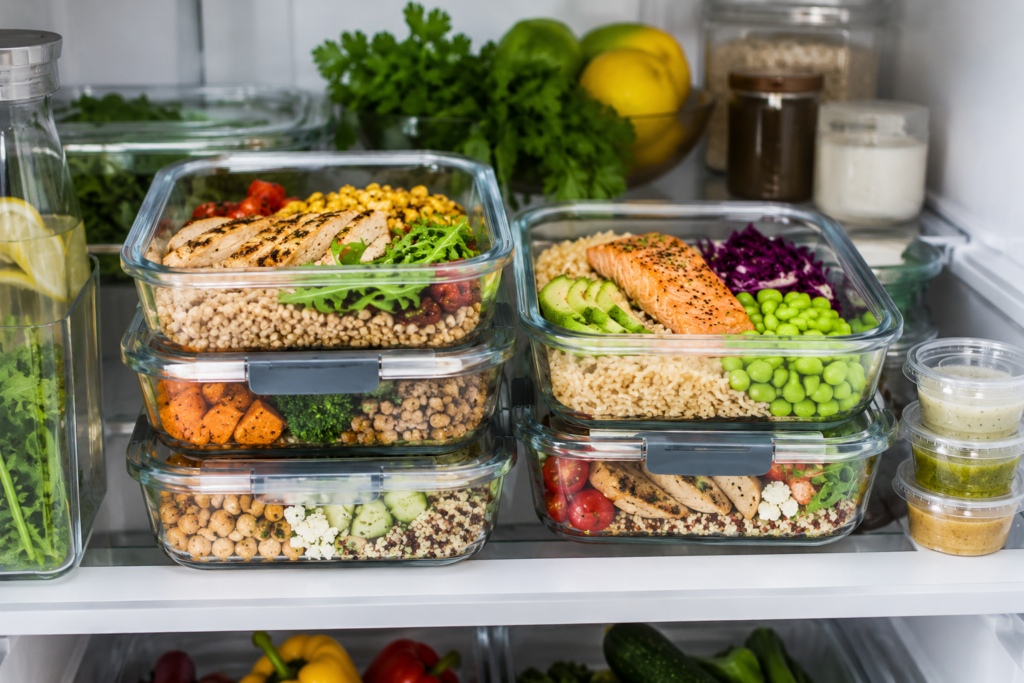
The FDA recommends storing cooked proteins and grains at 40°F or below and consuming them within three to four days. That four-day window is the practical ceiling for meal prep bowls regardless of how good the container seal is. Salmon and other fatty fish are best consumed within two to three days for quality reasons even when technically safe longer. Always cool cooked grains and proteins to room temperature before sealing containers, which takes about 30 minutes, because sealing hot food creates condensation that accelerates bacterial growth and destroys grain texture simultaneously.
According to a 2015 study in the Journal of the Academy of Nutrition and Dietetics, adults who engaged in structured meal preparation reported higher diet quality scores and greater vegetable and fruit intake compared to those who did not prepare meals in advance, based on a sample of 1,319 adults across multiple diet quality measures.The USDA MyPlate guidelines state that protein foods should make up roughly a quarter of each meal plate, with grains making up another quarter and vegetables filling half, a framework that aligns directly with the component ratios used in these bowl recipes.
Alternative Perspectives
Against rigid meal prep: Some registered dietitians caution that preparing identical meals five days in advance can lead to food monotony and eventual abandonment of the habit, particularly for people who are sensitive to routine eating. Rotating two or three base combinations rather than making five of one bowl may improve long-term adherence.
On plant protein completeness: While quinoa is often cited as a complete protein, its lysine content per gram is lower than that of chicken breast. For athletes or individuals with elevated protein needs, relying solely on plant-based bowls without tracking total amino acid intake may leave gaps that matter over time.
Sodium concerns: Many convenient add-ins like pre-seasoned edamame, store-bought hummus, and bottled dressings carry significant sodium loads. Adults managing blood pressure should check labels and build dressings from scratch to keep sodium within the 2,300 mg daily limit recommended by the FDA.
Disclaimer
This content is for informational and entertainment purposes only. It is not a substitute for professional medical or nutritional advice. Consult a qualified healthcare provider or registered dietitian before making significant changes to your diet, particularly if you have a medical condition or specific nutritional needs.
Frequently Asked Questions
Most grain and protein bowls last three to four days when stored with components separated and dressings on the side. Salmon-based bowls are best eaten within two to three days for optimal flavor. Always refrigerate at 40°F or below, per FDA food safety guidance.
All three recipes in this article are designed to be eaten cold or at room temperature, which makes them ideal for summer lunches, office eating without a microwave, or outdoor meals. The farro and brown rice bases hold their texture better cold than white rice or pasta would.
Hard-boiled eggs (6 grams each), canned wild salmon (about 20 grams per 3 oz serving), or a combination of roasted chickpeas and hemp seeds work well as direct substitutions. Hemp seeds provide roughly 10 grams of protein per 3-tablespoon serving and require no cooking.
Store all liquid components, including dressings, salsas, and citrus-based sauces, in separate small containers and add them at serving time only. Spread cooked grains on a sheet pan to cool and dry before packing, and avoid layering wet vegetables like tomatoes directly against the grain base overnight.