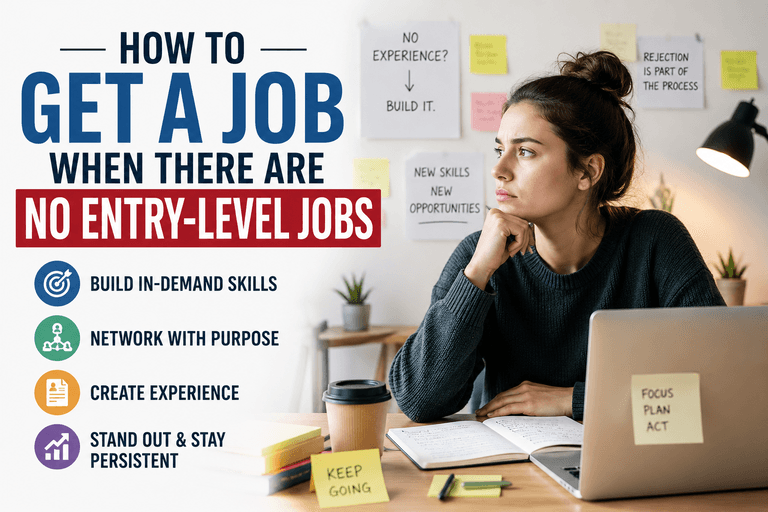
By May 2026, relying on a prestigious degree to ace an interview is officially a thing of the past. As AI deeply embeds itself into everyday business operations, companies have swapped traditional credentials for a ruthless audit of real-world capabilities—making skills-based hiring the defining shift of the modern job market.
Why Skills-Based Hiring Is Reshaping the Job Market
Employers are moving away from degree-based screening and toward demonstrated competency, making the specific skills you can prove far more important than credentials alone in 2026.
The shift toward skills-based hiring 2026 is not a trend — it is a structural change in how organizations evaluate talent. Degree requirements are being quietly dropped across industries, and recruiters are using competency assessments, portfolio reviews, and micro-credentials as filters instead. This creates both pressure and opportunity: workers who can demonstrate relevant capabilities have a real opening to compete, regardless of their educational background.
According to the International Monetary Fund’s Staff Discussion Note (SDN/2026/001), analysis of cross-country job postings across Brazil, Denmark, Germany, South Africa, the UK, and the US reveals measurable wage premiums attached to emerging skill sets tied to AI adoption — suggesting that targeted upskilling carries quantifiable labor market returns for individual workers. (IMF: Bridging Skill Gaps for the Future)
What Does “Skills-Based Hiring” Actually Mean for Job Seekers?
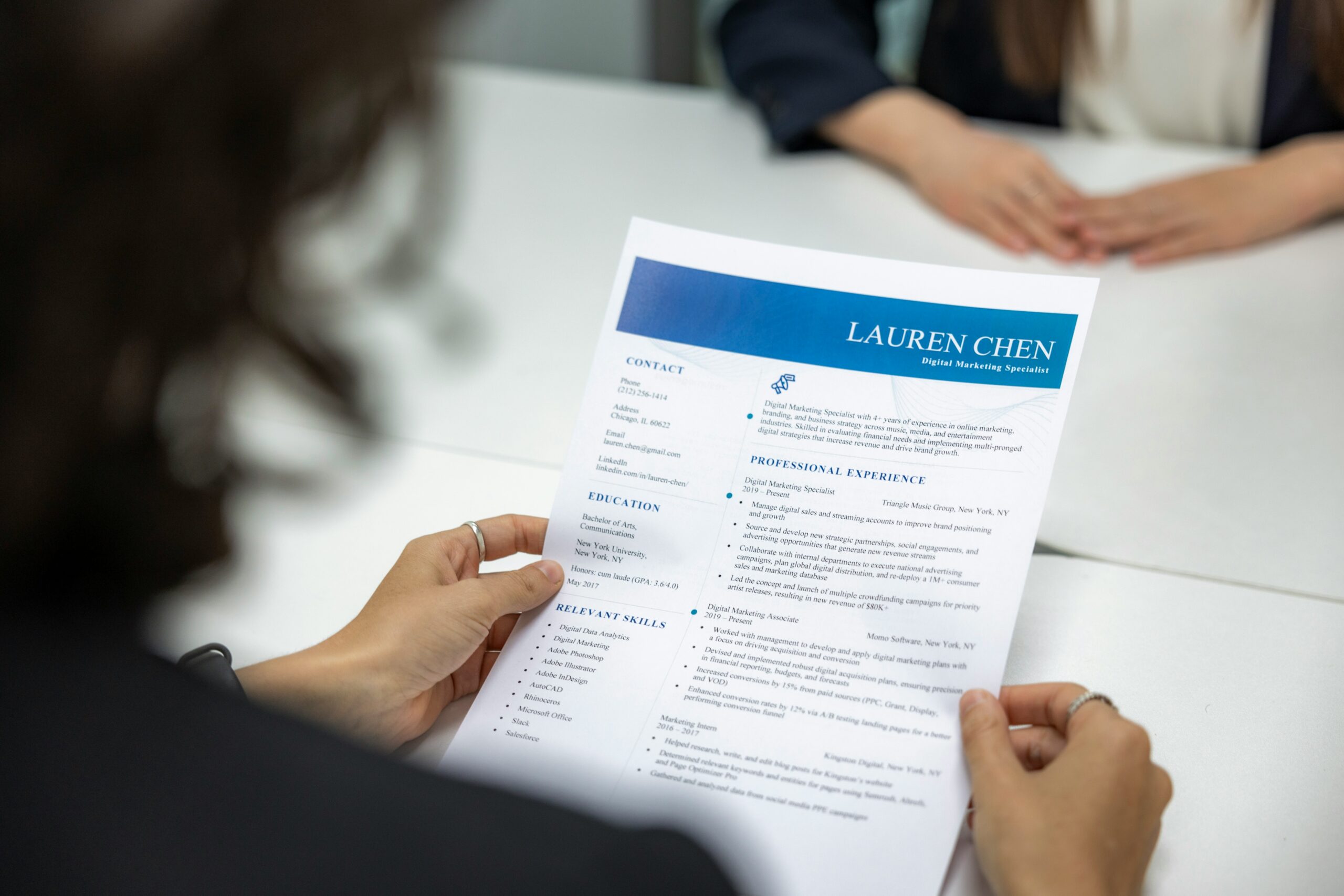
In practical terms, it means your resume needs to speak in outcomes and capabilities, not just titles and years of experience. Hiring managers in 2026 are increasingly evaluating task-level competencies — what you can do on day one — over institutional affiliations. This makes upskilling and reskilling 2026 efforts more directly translatable to employment outcomes than they may have been in the past.
The Top Hard Skills Employers Are Hiring For in 2026
Technical skills in AI, cybersecurity, and data analysis are consistently ranked among the highest-demand hard skills across industries in 2026, with employers reporting genuine shortages of qualified candidates.
Hard skills — the teachable, measurable competencies tied to specific tools and tasks — dominate employer wish lists this year. The future of jobs skills 2026 picture is heavily weighted toward digital fluency, but the specific capabilities that matter vary meaningfully by sector.
Generative AI and AI Literacy
Generative AI has moved from a novelty to a core workflow expectation across knowledge-work roles. Employers are not just looking for data scientists who build models; they want marketers, analysts, operations staff, and project managers who can use AI tools effectively, evaluate outputs critically, and understand the ethical implications of automation. According to New Mexico State University’s career guide, 86% of employers expect AI to transform their business by 2030, and 36% of occupations already use AI for at least one-quarter of their tasks.
The Coursera Job Skills Report 2026, which draws on learning data from 6 million enterprise learners across nearly 7,000 organizations, identifies generative AI competencies among the fastest-growing skills in enterprise learning programs — a signal that organizations are actively investing in building this capacity internally.
Cybersecurity
As businesses digitize more operations, vulnerability surfaces expand. Roles in security analysis, cloud security, and risk management remain severely understaffed. Robert Half’s 2026 Technology Job Market report, based on analysis of more than 1.5 million job postings from over 9,000 job boards, identifies cybersecurity as one of the most persistently in-demand technical specialties, with hiring managers citing skills shortages as a primary obstacle to filling roles.
Data Analysis and Visualization
The ability to collect, interpret, and communicate data — through tools like SQL, Python, Tableau, or Power BI — is increasingly expected beyond purely technical roles. Business units from marketing to supply chain now operate with data dashboards as standard, and workers who can translate numbers into decisions are valued across functions.
In-Demand Skill Comparison: Demand, Salary Outlook, and Entry Path
| Skill Area | Demand Level (2026) | Estimated Median U.S. Salary Range | Typical Entry Path | Key Industries |
|---|---|---|---|---|
| Generative AI / AI Literacy | Very High | $90,000–$160,000+ (AI/ML roles) | Online courses, bootcamps, certifications | Tech, Finance, Marketing, Healthcare |
| Cybersecurity | Very High | $95,000–$145,000 (security analysts) | Certifications (CompTIA, CISSP), degree | Government, Finance, Tech, Healthcare |
| Data Analysis | High | $75,000–$120,000 | Bootcamps, online certificates, degree | Retail, Finance, Logistics, Healthcare |
| Cloud Computing | High | $100,000–$155,000 | Vendor certifications (AWS, Azure, GCP) | Tech, Enterprise, E-commerce |
| Project Management | Moderate–High | $80,000–$125,000 | PMP, CAPM, Agile certifications | Construction, Tech, Healthcare, Finance |
Salary ranges are approximate estimates based on publicly reported industry data and are subject to variation by location, experience level, and employer. Verify current figures through sources like the U.S. Bureau of Labor Statistics.
The Soft Skills Employers Say They Can’t Find
Interpersonal and adaptive capabilities like emotional intelligence, communication, and critical thinking are among the hardest skills for employers to find in 2026, even as they become more valuable alongside automation.
Technical skills open the door; human skills determine how far you go. WorldatWork’s 2026 skills analysis, drawing on WTW’s talent intelligence research, highlights emotional intelligence, adaptability, and clear communication as top soft skills that hiring managers report struggling to find in candidate pools.
Why Emotional Intelligence Is Rising in Value
As AI handles more routine cognitive tasks, the distinctly human capacity to read situations, manage relationships, and navigate conflict becomes a differentiator. Teams increasingly span time zones, cultures, and functions — and managers who can operate with genuine empathy tend to retain talent better, which translates into measurable organizational outcomes.
Critical Thinking and Problem Framing
Generating an answer with AI is easy. Knowing which question to ask — and whether the AI’s output is actually correct — requires judgment that machines cannot reliably replicate yet. In 2026, classic critical thinking has practically transformed into two distinct tactical skills: Problem Framing (the ability to correctly formulate and structure a problem for an AI) and Prompt Verification (the skepticism and expertise required to fact-check and refine AI-generated outputs). Employers across sectors are looking for workers who can evaluate information skeptically, identify root causes, and propose structured solutions rather than surface-level fixes.
How to Actually Build These Skills: Upskilling and Reskilling in 2026
Structured online learning, employer-sponsored programs, and micro-credentialing offer practical, accessible pathways for building in-demand skills without necessarily returning to a four-year degree program.
According to the World Economic Forum’s Future of Jobs Report (as cited in NMSU Global Campus’s career guide), more than 40% of core job skills are expected to change in the coming years — making ongoing upskilling and reskilling not a one-time event but a continuous career habit for workers across all levels. (NMSU Global Campus Career Guide)
Where to Start if You’re Reskilling
Begin with an honest audit of your current skill set relative to your target roles. Use job postings in your desired field to identify recurring requirements, then cross-reference those with your existing capabilities. Prioritize one or two high-leverage skills rather than spreading effort across too many areas at once. Structured platforms, vendor certification programs, community college courses, and employer-sponsored tuition benefits are all realistic entry points depending on your situation.
Alternative Perspectives
Not everyone agrees that constant upskilling is the right response to labor market change. Some labor economists and workforce researchers argue that the “skills gap” narrative can overstate individual responsibility while underemphasizing structural factors — including wage stagnation, poor working conditions, and employer underinvestment in training — that drive hiring difficulties. Others caution that skills-based hiring, while reducing some credential barriers, can still embed bias if assessments are not carefully designed. Workers should approach upskilling as a tool for expanding options, not as a guarantee of employment outcomes, and should evaluate whether an employer’s culture and compensation reflect genuine investment in their workforce.
Taking the Next Step in Your Career
The landscape of work is genuinely changing, and the most reliable response is a combination of honest self-assessment, targeted learning, and consistent practice. You don’t need to overhaul your entire career overnight — small, strategic investments in the right capabilities can meaningfully expand your options over time. For deeper guidance on planning your path forward, explore our career development resources, where you’ll find practical articles on resume building, certification choices, and navigating career pivots at any stage.
FAQ: Most In-Demand Skills for 2026
No single skill universally tops every list, but AI literacy and generative AI competency appear consistently across reports from Coursera, WorldatWork, NMSU, and Robert Half as among the fastest-growing employer priorities in 2026. The “most” in-demand skill depends significantly on your industry and role type.
It varies considerably by skill and depth required. A foundational AI literacy certificate might take weeks of focused effort, while transitioning into a cybersecurity or cloud engineering role may take 6–18 months of structured learning and credential-building. Individual pace, prior experience, and time available all affect timelines.
Research suggests both matter, and they work best in combination. Hard skills may get you screened in; soft skills like communication, adaptability, and emotional intelligence tend to determine how far you advance once you’re in a role. Employers in 2026 are increasingly reporting difficulty finding candidates who bring both.
It can, but results are mixed. Some employers have meaningfully removed degree requirements and shifted to competency assessments, which opens doors for workers with non-traditional backgrounds. However, critics note that implementation varies widely and that some hiring processes still favor candidates from well-resourced educational environments in practice. It’s worth researching specific employers’ stated and actual hiring practices.
Disclaimer: The salary ranges, job market trends, and hiring data statistics presented in this article are based on publicly available industry reports, historical benchmarks, and corporate surveys from early 2026. These figures are intended for informational and educational purposes only. Actual compensation and hiring practices vary significantly based on geographic location, candidate experience, industry sector, and individual employer policies. Readers are strongly advised to verify current labor statistics and job requirements through official sources, such as the U.S. Bureau of Labor Statistics (BLS) or certified industry councils, before making career-altering or financial decisions.