
Ray-Ban Meta Gen 2 ($329) is the best pick for most buyers — 8-hour battery, works with iPhone and Android. Samsung Galaxy Glasses ($499–$699, mid-to-late 2026) suit Galaxy users who want display overlays. Xreal Project Aura is developer-only for now.
Audio-only frames like Ray-Ban Meta give you all-day battery; display-equipped glasses like Samsung and Xreal add visual overlays but last only 3–6 hours. iPhone users: Android XR devices have limited iOS support — Ray-Ban Meta is your safest option.
What Are AI Smart Glasses in 2026?
AI smart glasses in 2026 combine cameras, microphones, speakers, and on-device or cloud-connected AI processing into eyewear frames, enabling real-time voice assistance, live translation, navigation, and contextual awareness without requiring a phone in hand.
The 2026 generation largely falls into two hardware tiers. The first tier covers audio-forward frames with a camera, like the Ray-Ban Meta lineup, which prioritize all-day wearability and social acceptability. The second tier includes display-equipped glasses using waveguide or micro-LED optics, like Samsung Galaxy Glasses and Xreal Project Aura, which add visual overlays at the cost of battery life and bulk. Understanding which tier matches your lifestyle is the most important decision in this buying guide.
How AI Processing Works in These Frames
Most glasses in this category split AI workloads between an onboard microcontroller (handling always-on wake words and basic sensor fusion) and a paired smartphone or cloud endpoint (handling heavy inference tasks like image recognition and generative responses). Samsung Galaxy Glasses and Android XR devices can optionally offload to Google’s Gemini or Samsung’s Gauss models depending on connectivity. Ray-Ban Meta routes multimodal queries through Meta AI, which is powered by Llama-based infrastructure. Latency for cloud-based AI queries is still noticeable in some situations, particularly when image recognition or generative responses require server-side processing, but response times have improved significantly compared to earlier smart glasses generations.
Ray-Ban Meta Gen 2 Review: Still the Everyday Benchmark?
The Ray-Ban Meta Gen 2 refines the original formula with a higher-resolution 12 MP camera, longer battery life rated at up to 8 hours of mixed use, and deeper Meta AI integration including real-time object and text recognition through the viewfinder.
Ray-Ban Meta Gen 2 frames arrive in 2026 with a noticeably improved camera system and a redesigned speaker rail that produces clearer audio at lower volume, reducing audio leakage in quiet environments. The frames retain the classic Ray-Ban Wayfarer and Headliner silhouettes, which is a deliberate strategy to keep the product socially acceptable in professional and social settings. The onboard Meta AI assistant can now answer visual questions, such as identifying a restaurant menu item or reading a street sign, with reasonable accuracy in good lighting.
Battery life is a meaningful step forward. Casual users reporting mostly audio streaming and occasional AI queries are seeing 6 to 8 hours before reaching for the charging case, which adds roughly 36 additional hours. The capture button and touch controls on the frame arm remain tactile and easy to use without looking. At a starting price around $329, Ray-Ban Meta Gen 2 is still one of the most accessible entry points into AI smart glasses. For users interested in the privacy implications of always-on cameras in wearables, our guide to the best AI security cameras without a subscription covers related considerations around ambient AI capture and data handling.
Android XR Glasses 2026: Google’s Platform Play
Android XR is Google’s dedicated operating system for extended reality headsets and glasses, announced in late 2024 and reaching its first consumer hardware partnerships in 2025 and 2026, with Gemini AI deeply embedded across navigation, translation, and contextual assistance.
Android XR represents a platform bet rather than a single product. Google is licensing the OS to hardware partners, with Samsung being the most prominent, meaning the experience varies by device. On Android XR glasses, Gemini operates as the primary AI layer, capable of understanding what the user is looking at through the camera feed and responding with relevant information spoken through directional speakers or displayed in an optional heads-up overlay.
Which Devices Run Android XR?
As of mid-2026, Android XR glasses-class hardware includes Samsung Galaxy Glasses (see below) and a limited set of developer-preview devices from other OEM partners. The platform supports both display-equipped and display-free form factors, with the latter functioning more like the Ray-Ban Meta approach. Gemini integration on Android XR enables cross-app contextual awareness, meaning the glasses can read your calendar, Surface a Maps route, or draft a reply to a message entirely through voice without touching your phone.
Important for iPhone users: Android XR devices are designed primarily around Google’s Android ecosystem and Gemini services. iPhone users should expect reduced functionality, limited integration features, or compatibility restrictions on some Android XR glasses at launch. For Apple users looking for the most seamless cross-platform experience today, Ray-Ban Meta remains the safer option.
Samsung Galaxy Glasses Release Date and Specs
Samsung Galaxy Glasses are expected to launch in mid-to-late 2026 running Android XR, featuring micro-LED waveguide displays, Snapdragon AR integration, and Samsung Gauss AI, targeting both productivity users and Galaxy ecosystem owners.
Samsung is expected to position Galaxy Glasses as its flagship Android XR wearable for Galaxy ecosystem users, although some launch details and hardware specifications may still change before release. The frames are expected to include a single waveguide lens in early production SKUs, with a dual-lens version following later in 2026. Announced battery life targets are approximately 4 to 6 hours with the display active, which reflects the significant power draw of waveguide optics at this stage of the technology.
Pricing has not been officially confirmed at publication, but analyst estimates based on comparable XR hardware place Samsung Galaxy Glasses in the $499 to $699 range at launch. Industry reports suggest Samsung may pursue carrier bundle partnerships for Galaxy ecosystem users, although full launch and pricing details have not yet been officially confirmed.
According to the Consumer Technology Association, the US smart glasses and AR wearables category is projected to be one of the fastest-growing consumer electronics segments through 2027, driven by AI assistant integration and improved battery efficiency in optical components.
Xreal Project Aura: The Developer’s Choice?
Xreal Project Aura is an Android XR-compatible developer-focused device from Xreal, designed for spatial computing use cases including 3D content viewing, AR overlay navigation, and extended display projection from a connected Android device.
Xreal has historically targeted the display-quality end of the glasses market, and Project Aura continues that focus. The device is not aimed at casual consumers in its current form. It is better suited to developers building Android XR apps and early adopters who prioritize visual fidelity over all-day wearability. Xreal’s electrochromic lens tinting, which adjusts opacity electronically, is one of the more technically interesting features in this generation and allows the same frame to function in both bright outdoor conditions and dim indoor environments.
Side-by-Side Comparison: 2026 AI Smart Glasses
| Device | Platform / AI | Display | Camera | Est. Battery Life | Est. US Price |
|---|---|---|---|---|---|
| Ray-Ban Meta Gen 2 | Meta AI (Llama) | None | 12 MP | Up to 8 hrs | From $329 |
| Samsung Galaxy Glasses | Android XR / Gemini + Gauss | Micro-LED waveguide | Yes (spec TBC) | 4 to 6 hrs (display on) | Est. $499 to $699 |
| Xreal Project Aura | Android XR / Gemini | Waveguide (electrochromic) | Yes | 3 to 5 hrs | Developer pricing TBC |
| Ray-Ban Meta (Gen 1, 2023) | Meta AI (original) | None | 5 MP | Up to 4 hrs | From $299 (discounted) |
| Android XR OEM Partners (generic) | Android XR / Gemini | Varies | Varies | Varies | TBC by partner |
Note: Samsung Galaxy Glasses and Xreal Project Aura specs reflect announced targets and pre-launch estimates as of May 2026. Verify final specifications with official manufacturer documentation before purchase.
What Should You Actually Buy?
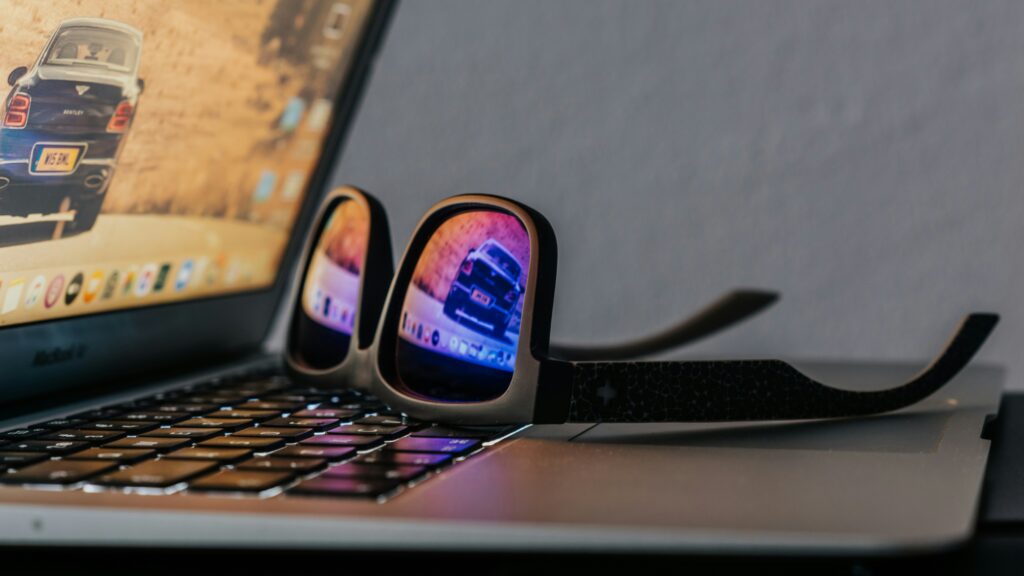
For most US and Canadian buyers in mid-2026, the Ray-Ban Meta Gen 2 offers the best balance of daily wearability, AI utility, and proven real-world battery life, while Samsung Galaxy Glasses suit Galaxy ecosystem users who want visual overlays and are willing to manage shorter battery cycles.
If you use your glasses for more than 6 hours a day, display-equipped frames are still a compromise. The Ray-Ban Meta Gen 2 wins on stamina and social unobtrusiveness. If you are a Galaxy smartphone user who primarily wants navigation overlays and productivity features during a focused work session, Samsung Galaxy Glasses may justify the premium once final pricing is confirmed. Xreal Project Aura is genuinely not a mass-market device yet and is best evaluated as an early-adopter or developer purchase.
According to the International Data Corporation (IDC), shipments of AI-enabled wearables including smart glasses are expected to grow substantially through 2026 as on-device AI chip efficiency improves and consumer awareness of voice-first interfaces increases.
Alternative Perspectives
Not everyone is enthusiastic about the AI smart glasses category in its current form. Privacy advocates, including researchers at digital rights organizations, have raised concerns about always-on cameras embedded in socially normalized eyewear, arguing that bystanders cannot easily identify when they are being recorded or when their image is being processed by an AI system. Some accessibility researchers argue, on the other hand, that AI glasses represent a meaningful assistive technology for users with low vision or mobility limitations, and that restrictive regulation could delay genuine accessibility gains. The tension between ambient capture convenience and informed consent for bystanders remains an open policy and design question that manufacturers have addressed inconsistently across the product lineup.
Frequently Asked Questions
Ray-Ban Meta Gen 2 supports prescription lens inserts through Ray-Ban’s optical program and participating opticians in the US and Canada. Samsung Galaxy Glasses and Xreal Project Aura prescription compatibility has not been fully detailed as of mid-2026, so buyers with vision correction needs should confirm this with the manufacturer before purchasing.
Ray-Ban Meta Gen 2 works with both iOS and Android through the Meta View app. Android XR-based devices, including Samsung Galaxy Glasses and Xreal Project Aura, are designed primarily around the Android ecosystem and may have limited or no iOS support, since Android XR relies on Google services and deep Android OS integration.
Samsung has indicated a mid-to-late 2026 release window for Galaxy Glasses in the US market, with availability expected through Samsung’s own channels and major US carriers. An exact retail date has not been officially confirmed as of publication, so monitoring Samsung’s official newsroom is the most reliable way to track updates.
Privacy practices vary by manufacturer. Meta processes voice and image queries through its cloud infrastructure under its data policy. Google’s Gemini on Android XR operates under Google’s terms of service. If privacy matters to you, remember that many AI smart glasses send voice, image, or contextual queries to cloud servers operated by companies like Meta or Google. Before purchasing, review what data is processed locally versus in the cloud and check whether recording indicators and privacy controls meet your comfort level.
Disclaimer: AI wearable specifications, launch timelines, pricing, software features, and regional availability may change before final retail release. Some products discussed in this guide are based on announced hardware targets, early previews, and manufacturer statements available as of May 2026. Always verify final specifications, compatibility requirements, and privacy settings through official manufacturer announcements before purchasing.