Whether you’re stocking up for summer family barbecues, preparing for kids’ school breaks, or just trying to keep the weekly grocery bill from spiraling, stretching every dollar at the store has never felt more urgent. Across our Food articles, we cover everything from flavor science to pantry organization, and our Kitchen Tips section is where practical, money-smart cooking lives. These grocery budget cooking tips for 2026 are built around real techniques, not gimmicks, so you can eat well, waste less, and keep your wallet intact.
Key Takeaways
- Meal planning around weekly grocery sales helps reduce impulse purchases and lowers food waste before food even enters your kitchen.
- Food waste is one of the biggest hidden budget drains, making smart storage and meal organization more impactful than chasing coupons alone.
- Compare products by cost per ounce or serving, not package size—larger items are not always the better deal.
- Proper food storage extends shelf life: refrigerate perishables correctly, keep produce in ideal conditions, and freeze items before they spoil.
- Batch cooking ingredients instead of full meals creates flexible meal options while reducing takeout spending and kitchen fatigue.
- Budget-friendly staples like lentils, eggs, oats, canned fish, and frozen vegetables provide strong nutritional value for a lower cost.
- Simple systems such as FIFO (“first in, first out”) and a designated “use first” fridge bin can dramatically cut household food waste.
- Extreme budget cooking works best when balanced with dietary variety—saving money should not come at the expense of nutrition or sustainability.
Why Food Costs Keep Climbing (and What You Can Actually Control)
Food prices have risen steadily in recent years, but household food waste and inefficient shopping habits remain two of the most controllable factors in a family’s grocery budget. Targeting both areas together produces the biggest savings.
According to the USDA Economic Research Service, the average American household spends a significant portion of its income on food at home. While inflation and supply chain pressures affect shelf prices in ways shoppers can’t control, research consistently shows that planning, storage knowledge, and cooking technique can meaningfully offset those increases. The two levers most in your hands are how much you throw away and how efficiently you cook what you buy.
According to researchers at the USDA Economic Research Service, the average U.S. household wastes between 30 and 40 percent of its food supply, representing a substantial financial loss on top of the environmental cost of discarded meals.
Start With a Smarter Shopping Strategy
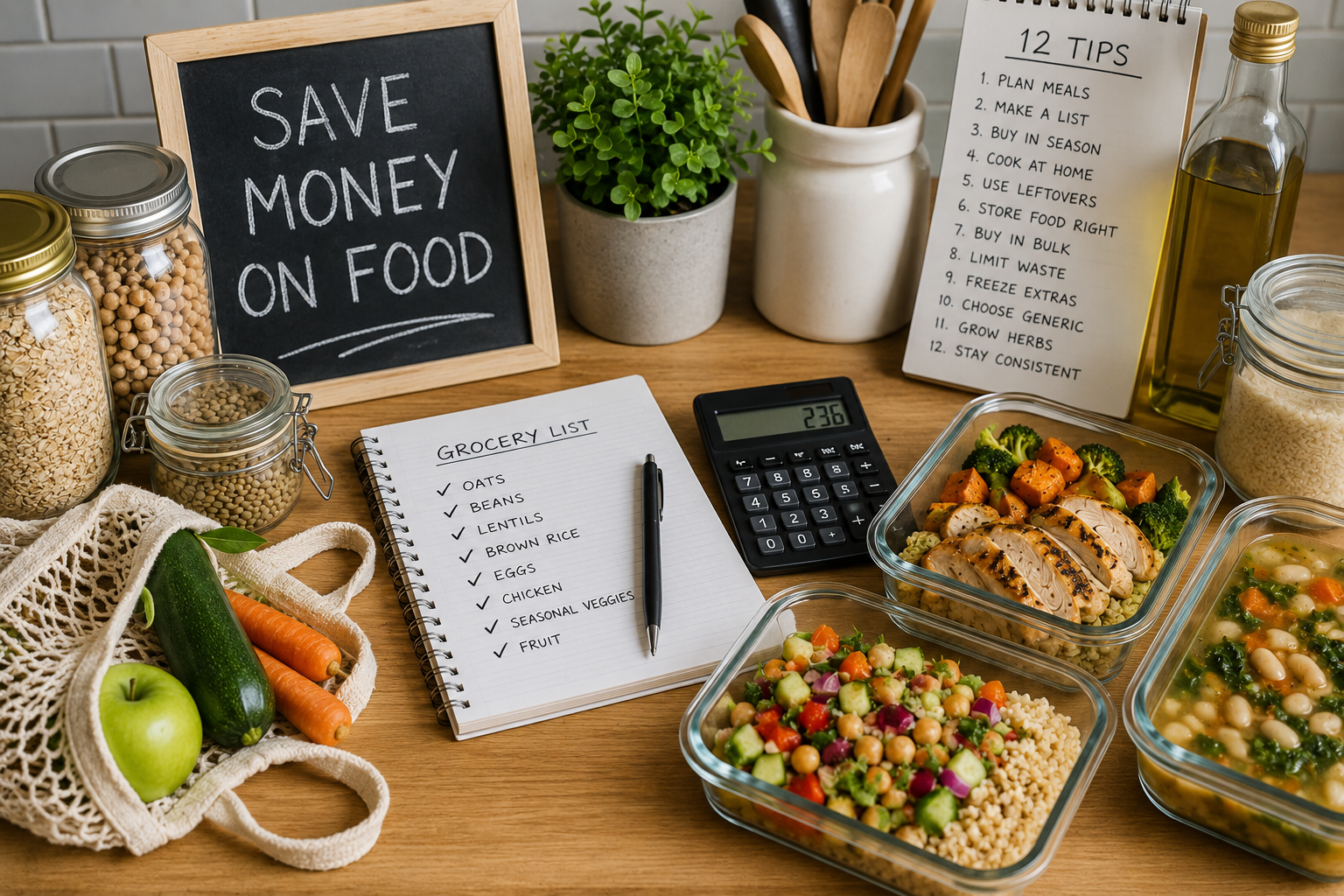
A written meal plan tied directly to your store’s weekly sales circular is the single most effective tool for reducing impulse purchases and food waste before groceries even enter your home.
Plan Meals Around Sales, Not Cravings
Before you write a single item on your list, pull up your store’s weekly circular. Build your meal plan around whatever protein, produce, or pantry staple is marked down that week. If chicken thighs are on sale, plan three different preparations: a roasted dinner on Monday, shredded into tacos on Wednesday, and stirred into a simple soup by Friday. This approach, sometimes called “ingredient-forward” planning, dramatically reduces the number of perishables you buy without a concrete purpose.
Buy by Cost Per Ounce, Not Package Size
Bigger is not always cheaper. Most grocery stores are required to display the unit price on the shelf tag. Make it a habit to compare the cost per ounce or cost per serving rather than the sticker price. A 32-ounce container of plain Greek yogurt at $5.49 costs roughly 17 cents per ounce, while a four-pack of 5.3-ounce cups at $4.99 costs about 24 cents per ounce. The math adds up across every aisle.
How to Make Groceries Last Longer at Home
Proper storage technique can extend the usable life of produce, proteins, and pantry staples by days or even weeks, which directly reduces how often you shop and how much you discard.
Store Produce the Way It Actually Wants to Live
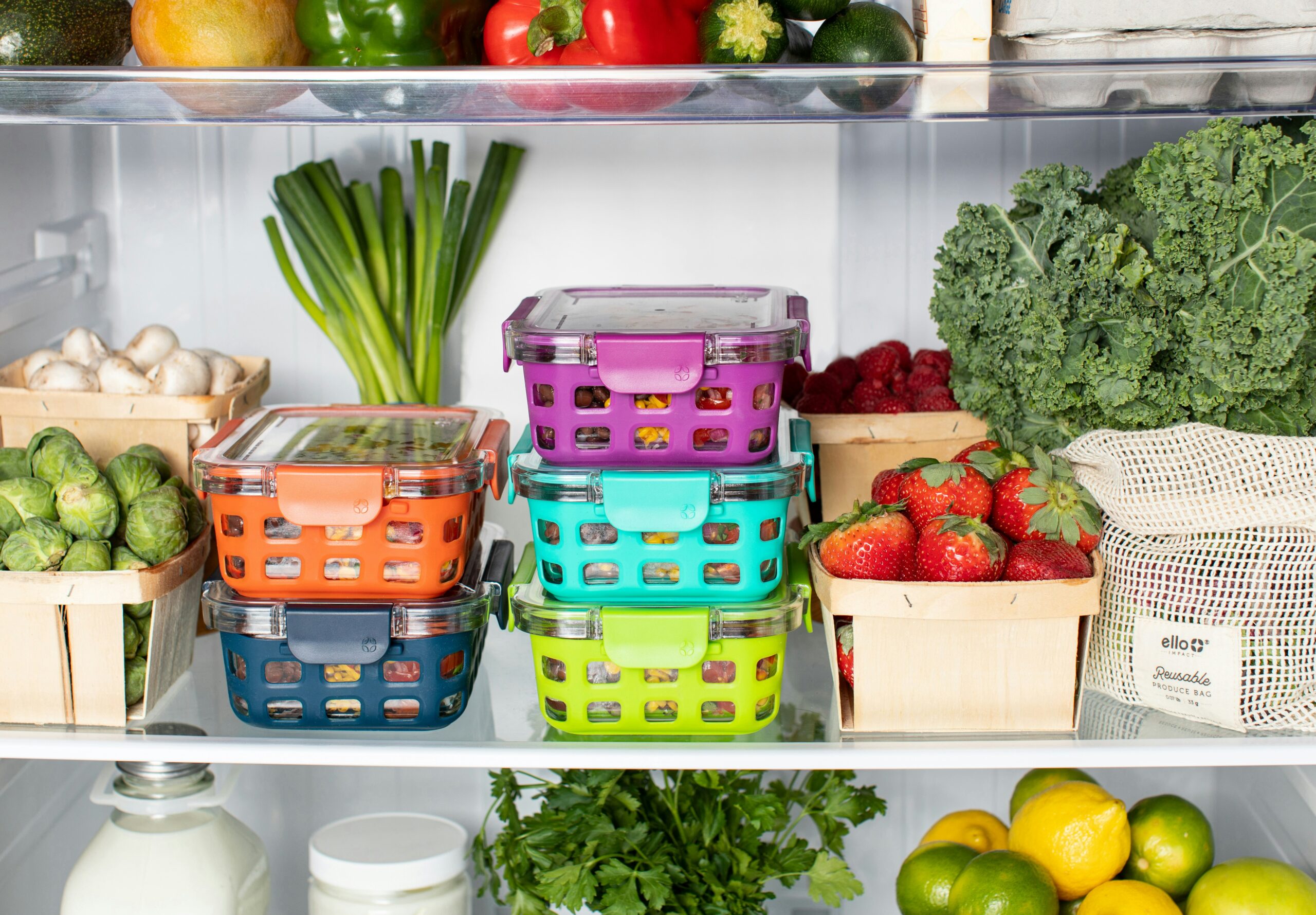
Not all vegetables belong in the refrigerator. Tomatoes lose their bright, sweet flavor and develop a mealy texture when chilled below 55°F. Potatoes, onions, and garlic prefer a cool, dark, dry space like a lower cabinet, not the crisper drawer. Leafy greens, on the other hand, stay crisp longer when wrapped loosely in a dry paper towel inside a sealed bag, which absorbs excess moisture without drying the leaves out. According to the U.S. Food and Drug Administration, proper refrigerator temperature (at or below 40°F) is essential for food safety and longevity across most perishables.
Freeze Before It Fades
The freezer is one of the most underused tools in budget cooking. Bananas starting to spot? Peel and freeze them for smoothies or banana bread. Half a can of tomato paste left over? Spoon it into an ice cube tray, freeze, and pop the cubes into a zip bag for future soups and sauces. Bread going stale before Friday? Slice it, freeze it, and toast directly from frozen. Most cooked grains, beans, and soups freeze well for one to three months, making them ideal for large-batch cooking sessions on weekends.
Budget Meal Prep Tips That Save Time and Money
Dedicating two to three hours on the weekend to batch cooking key ingredients, rather than full meals, gives you flexible building blocks that prevent expensive last-minute takeout decisions throughout the week.
Cook Ingredients, Not Just Full Meals
Full meal prep gets tedious fast. Instead, prep versatile components. Cook a large pot of brown rice or farro. Roast two sheet pans of mixed vegetables with olive oil and salt. Hard-boil a half dozen eggs. Rinse and drain two cans of chickpeas. From these four elements, you can build grain bowls, fried rice, egg salads, vegetable frittatas, and roasted vegetable wraps without eating the same dish three nights in a row.
Embrace the “Big Batch, Small Portions” Method
Proteins are typically the most expensive item in any grocery cart. Cooking a larger cut of meat once and using it across multiple meals stretches your dollar further than buying individual portions each time. A 3-pound pork shoulder braised on Sunday can become pulled pork tacos, pork fried rice, and a quick noodle bowl by Thursday, all from a single cooking session.
Cheap Healthy Meals at Home: Your Best Ingredient Allies
Dried legumes, whole grains, eggs, canned fish, and seasonal produce are consistently among the most cost-effective and nutritionally dense foods available in American grocery stores year-round.
Which Staples Give You the Most Nutritional Value Per Dollar?
Avg. Cost based on US market trends (2025-2026)
| Ingredient | Avg. Cost (2025-2026) | Servings Per Unit | Key Nutrients | Best Uses |
| Dried lentils (1 lb) | ~$1.50-$2.00 | 8-10 servings | Protein, iron, fiber | Soups, curries, salads |
| Large eggs (1 dozen) | ~$3.50-$5.00 | 12 servings | Protein, B vitamins, choline | Frittatas, fried rice, boiled snacks |
| Canned sardines (3.75 oz) | ~$1.50-$2.50 | 2 servings | Omega-3s, calcium, vitamin D | Toast, pasta, salads |
| Rolled oats (42 oz) | ~$4.00-$5.50 | 28-30 servings | Fiber, manganese, magnesium | Oatmeal, baked goods, granola |
| Frozen spinach (10 oz) | ~$1.50-$2.50 | 3-4 servings | Vitamins A, C, K, folate | Smoothies, soups, pasta |
| Canned tomatoes (28 oz) | ~$1.50-$2.50 | 6-8 servings | Lycopene, vitamin C, potassium | Sauces, stews, chilis |
According to the Academy of Nutrition and Dietetics, plant-based proteins like legumes and whole grains may support overall health as part of a balanced diet and tend to cost significantly less per serving than animal proteins, making them a practical cornerstone of budget-conscious cooking.
Reduce Food Waste Kitchen Tips That Make a Real Difference
Small daily habits in how you rotate, store, and repurpose food can add up to hundreds of dollars in annual savings by eliminating the waste that quietly drains most household grocery budgets.
Use the FIFO Method in Your Fridge and Pantry
FIFO stands for “first in, first out,” a rotation system used in commercial kitchens that works just as well at home. When you unpack groceries, move older items to the front and newer ones to the back. This one habit ensures you cook with what’s closest to expiring rather than reaching past it for the freshest item. Designate one clear container or bin in your fridge as the “use first” zone and fill it with whatever needs to be cooked within the next day or two. When I started implementing the “use first” bin in my own refrigerator, our weekly food waste dropped to nearly zero.
Learn to Love Scraps
Vegetable trimmings, Parmesan rinds, herb stems, and chicken bones are not garbage. They are the foundation of free, deeply flavored stock. Save them in a zip bag in the freezer and when the bag is full, cover everything with cold water, simmer for an hour, and strain. The resulting stock can replace store-bought broth in any recipe. Citrus peels can be dried and used to flavor teas, baked goods, or cleaning rinses.
A 2021 study published in the journal Resources, Conservation and Recycling found that household food waste reduction strategies, including meal planning and proper storage education, were among the most effective interventions for lowering per-capita food waste in North American households.
Are There Any Downsides to Extreme Budget Cooking?
Alternative Perspectives
Some nutrition researchers and registered dietitians caution that aggressive budget cooking, if focused too narrowly on cost, can inadvertently reduce dietary variety. Relying heavily on a small set of cheap staples may limit intake of certain micronutrients found more abundantly in fresh produce, quality fats, and diverse protein sources. Others point out that the time investment required for from-scratch batch cooking is a genuine barrier for single-parent households, people working multiple jobs, or those with limited kitchen access. Convenience foods, while often more expensive per serving, may be a practical necessity rather than a failure of discipline. The goal is balance: incorporating as many budget-friendly techniques as your schedule and preferences allow, without sacrificing nutritional adequacy or making cooking feel like a chore. According to the USDA’s MyPlate guidelines, dietary variety across all food groups remains a core principle of healthy eating regardless of budget level.
Disclaimer: Nutritional information is approximate and may vary. Consult a registered dietitian for personalized dietary advice.
Frequently Asked Questions
Dried lentils, canned beans, eggs, frozen vegetables, rolled oats, canned fish like sardines or tuna, and seasonal produce consistently offer the best combination of low cost and high nutritional value. These staples form the base of hundreds of satisfying meals and store well, reducing waste.
Keep your refrigerator at or below 40°F, store produce in the correct humidity drawers, wrap leafy greens in dry paper towels before bagging, and use a “use first” bin for items close to expiring. Rotate older items to the front every time you unpack new groceries.
Prep flexible components rather than complete dishes. Cooked grains, roasted vegetables, hard-boiled eggs, and cooked beans can be mixed and matched across different cuisines and flavor profiles all week. Varying your sauces and spices transforms the same base ingredients into completely different meals.
According to the USDA, the most common causes of household food waste are buying more fresh produce than can be used before it spoils, improper storage, and lack of a meal plan. Addressing all three with simple habits like FIFO rotation, proper storage techniques, and weekly meal planning can significantly reduce what ends up in the trash.