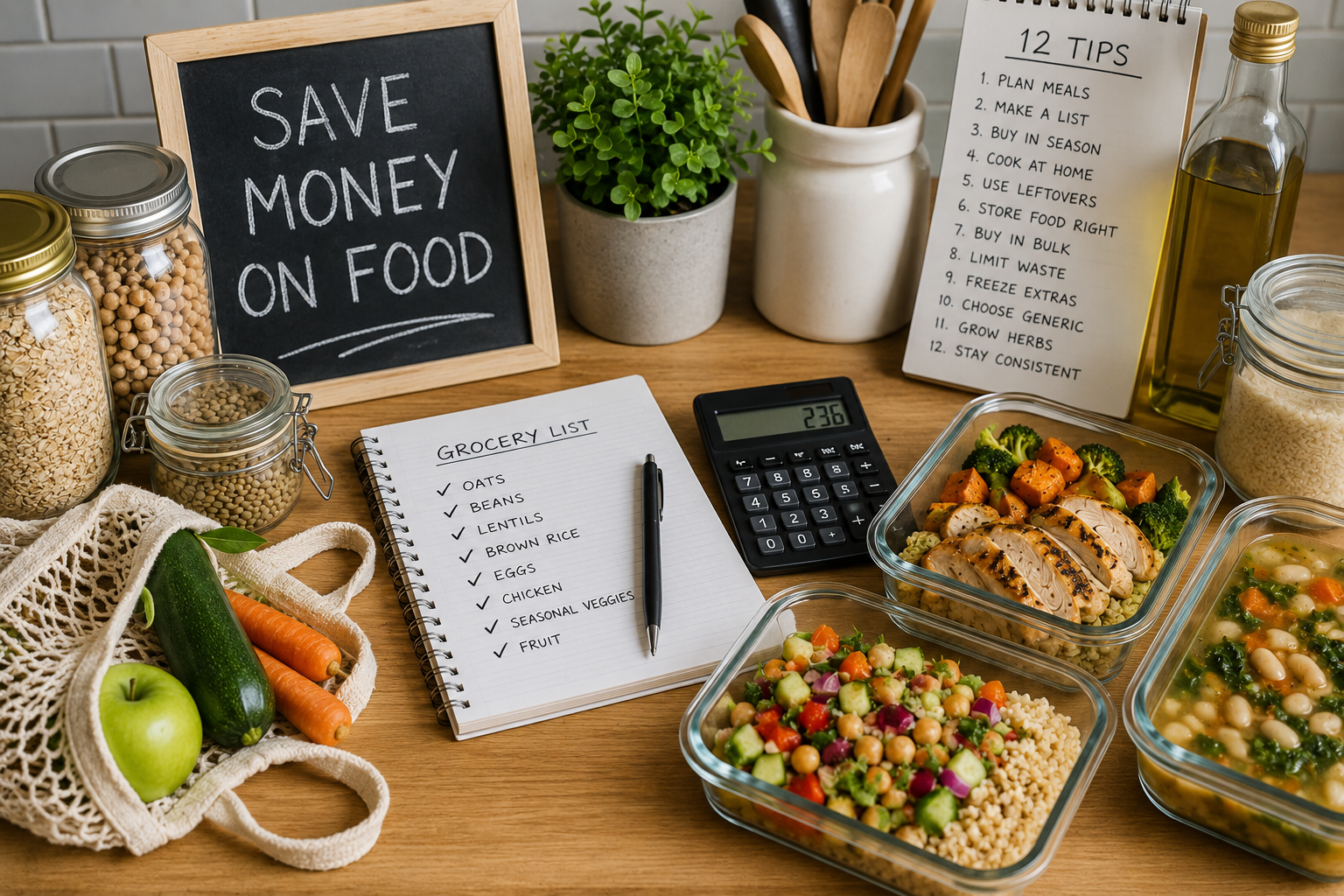
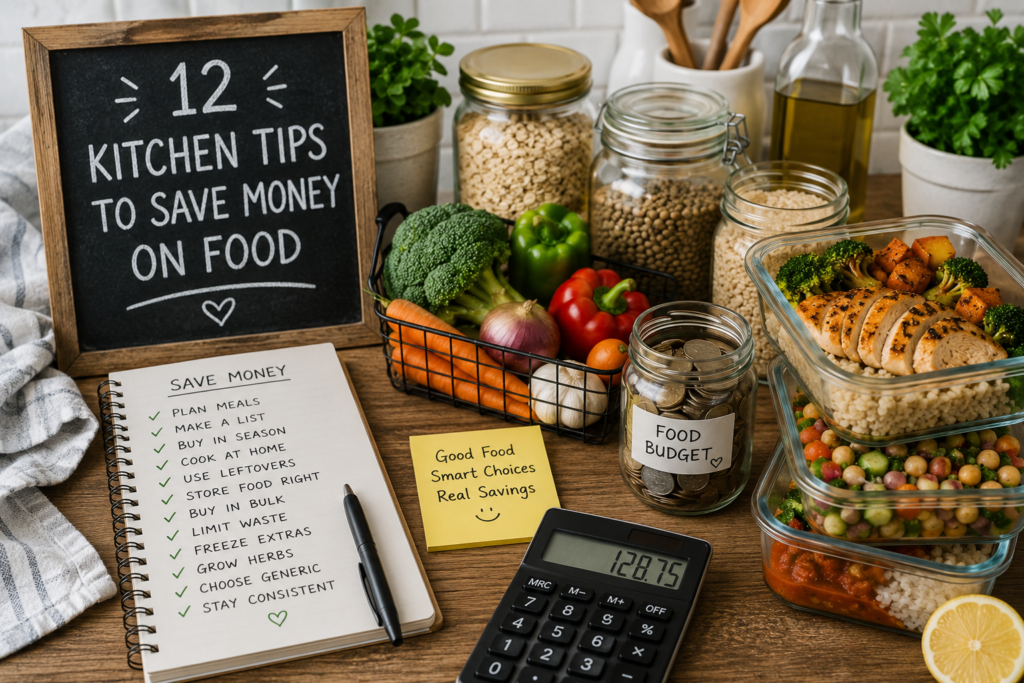
The average American household throws away roughly $1,500 worth of food every year, according to USDA food waste data. That’s not a rounding error in the grocery budget — that’s a car payment, a flight, or three months of a utility bill walking straight into the trash can. With grocery prices stubbornly elevated after years of supply-chain pressure and elevated food inflation, the gap between what families spend and what they actually eat has never been more costly. Browse more strategies across our Food articles for context on how these habits fit into a broader approach to eating well for less.
The good news is that most food budget losses happen at predictable, fixable points: improper storage, skipping meal prep, cooking proteins without a plan, and buying ingredients for one recipe that then languish in the back of the fridge. None of these problems require a lifestyle overhaul. They require a handful of specific, repeatable kitchen habits that compound over time into real savings.
What follows are the most practical, evidence-backed kitchen tips to save money on food, organized around the moments in your week where the biggest losses actually occur. Each section explains not just what to do, but why it works and where it tends to fall apart so you can troubleshoot before the produce drawer becomes a compost bin.
Key Takeaways
- USDA estimates the average U.S. household wastes between 30% and 40% of its food supply, with a direct dollar cost estimated at approximately $1,500 per year per family.
- Storing most vegetables at 40°F or below, as recommended by the FDA, can extend usable shelf life by several days and significantly reduce spoilage loss.
- Batch-cooking a single protein on Sunday for use across three to four weeknight meals is one of the highest-return meal prep habits for reducing per-meal cost.
- The Academy of Nutrition and Dietetics notes that plant-forward staple meals built around beans, lentils, and whole grains can deliver complete nutrition at a fraction of the cost of meat-centered meals.
- Freezing bread, cooked grains, and blanched vegetables before they spoil preserves both food value and dollar value with minimal technique required.
Why Your Fridge Is Costing You More Than You Think
Poor refrigerator organization and incorrect temperature zones cause a significant share of household food waste. Knowing which foods belong where, and at what temperature, can extend shelf life by days and recover real money each week.
Most home refrigerators are set too warm. The FDA recommends keeping your refrigerator at or below 40°F and your freezer at 0°F to slow bacterial growth and preserve food quality. When the temperature creeps up to 45°F or 50°F, the window for safe consumption on proteins, dairy, and leafy greens shrinks dramatically. A simple refrigerator thermometer costs about $8 and pays for itself the first week you catch a temperature drift before it ruins a full grocery haul.
The “First In, First Out” Rule That Restaurants Live By
Professional kitchens use a strict rotation system: newer stock goes to the back, older stock comes to the front. At home, most people do the opposite, sliding new groceries in front of last week’s purchases. The result is that older food sits unseen until it’s gone bad. Spending five minutes reorganizing your fridge when you return from the store is not glamorous, but it is one of the highest-leverage habits in any kitchen. The food you can see is the food you will eat.
Which Produce Goes Where?
Ethylene-producing fruits like apples, pears, and avocados accelerate the ripening of nearby vegetables. Storing them in a separate drawer or area from your leafy greens and herbs prevents premature wilting. Herbs stored upright in a small glass of water, loosely covered with a bag, can stay fresh for up to two weeks rather than a few days crammed into the crisper. These are low-effort techniques, but the failure case is common: people learn them once, forget to build the habit, and revert to throwing everything into the crisper together.
How Meal Prep Actually Saves Money (and Where It Goes Wrong)
Strategic meal prep reduces per-serving costs by consolidating cooking time and preventing the “I don’t know what to make” moments that lead to takeout spending. The key is prepping components, not complete meals.
The most common meal prep mistake is cooking five complete, identical meals on Sunday and losing interest by Wednesday. A more effective and flexible approach is component prepping: one large batch of a cooked grain, one roasted or slow-cooked protein, one versatile sauce or dressing, and a few washed and cut vegetables. These components recombine across the week into bowls, wraps, soups, and stir-fries that feel varied but cost a fraction of what separate shopping trips or takeout would run.
The Single-Protein Stretch Strategy
A 3-pound bone-in chicken, roasted on Sunday, produces enough meat for two to three distinct meals: shredded chicken tacos one night, a quick chicken and rice bowl another, and a light soup using the carcass to make stock. The cost per serving of that chicken drops from roughly $4 to $5 per restaurant portion to under $1.50 when stretched across those uses. The limitation here is time: making stock requires an additional step that not everyone will take. Even skipping the stock and using just the meat still captures most of the savings.
Cheap Healthy Meals Built Around Pantry Staples
Lentils, canned chickpeas, dried black beans, and rolled oats are among the most cost-efficient sources of protein, fiber, and complex carbohydrates available in any American grocery store. A pound of dried lentils costs about $1.50 and produces roughly six servings of a filling, nutritious meal. The Academy of Nutrition and Dietetics’ budget meal planning guidance consistently highlights legumes as the most accessible route to cheap healthy meals at home without sacrificing nutritional density. The honest limitation is palatability: if a household isn’t accustomed to bean-heavy meals, the transition requires some recipe investment upfront.
Stretch Grocery Budget Tips That Work at the Store, Not Just the Kitchen
The decisions made in the grocery store set the ceiling for any kitchen savings strategy. Unit price comparison, strategic freezer purchases, and flexible protein substitution are the three highest-impact store-level habits.
Unit pricing, displayed on shelf tags as a cost per ounce or per serving, removes the illusion that a larger package is always cheaper or that a sale price is always a deal. Store-brand canned tomatoes at $0.06 per ounce beat a name-brand “sale” at $0.09 per ounce every time. Training yourself to glance at the unit price rather than the sticker price takes about three shopping trips to become automatic and will consistently redirect money back to your wallet.
When to Buy Frozen Instead of Fresh
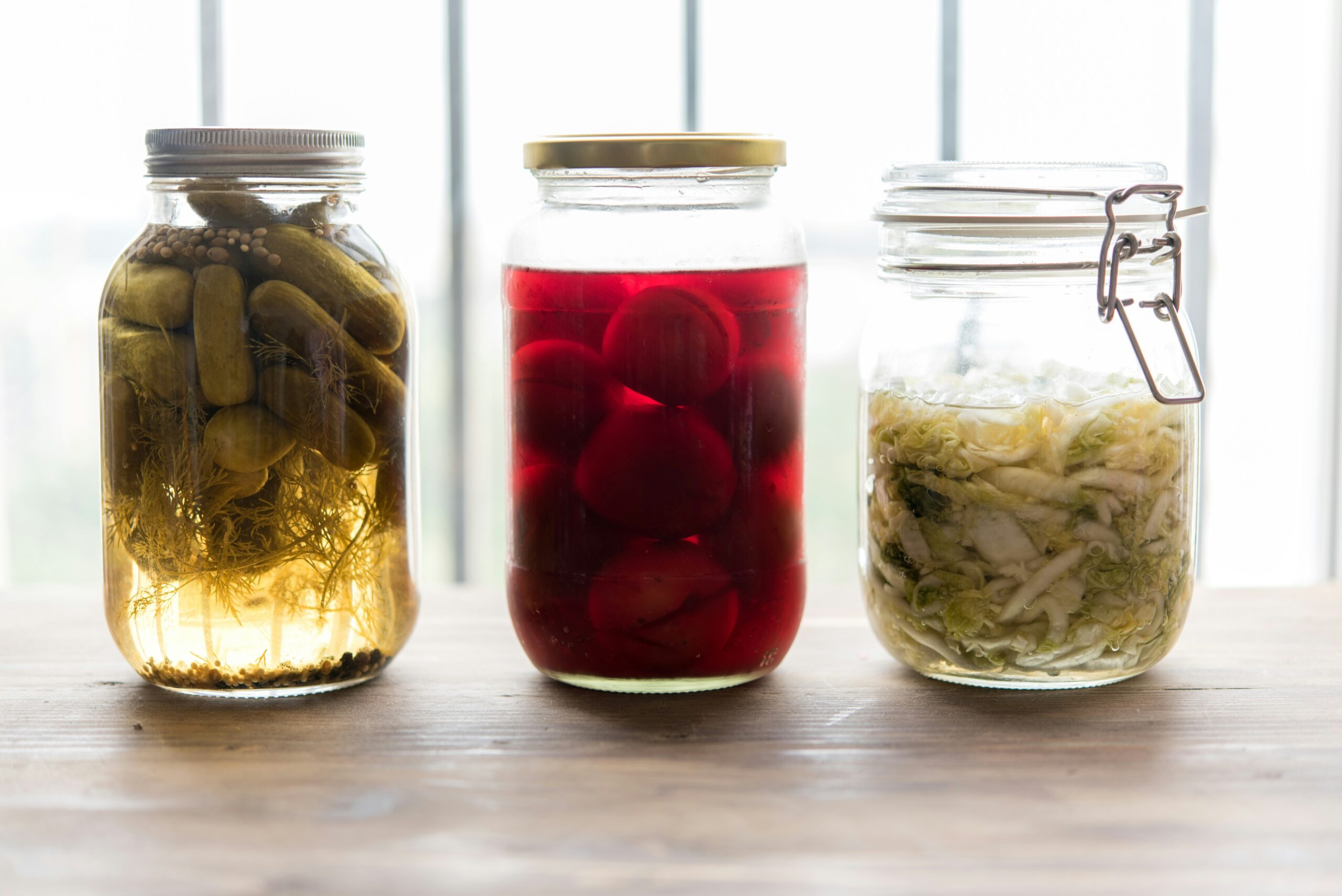
Frozen vegetables are harvested and flash-frozen at peak ripeness, which means their nutritional profile is often comparable to fresh, particularly for produce that has traveled long distances to reach a store shelf. Frozen spinach, peas, broccoli, and corn are reliably cheaper per serving than their fresh counterparts and carry zero spoilage risk. The trade-off is texture: frozen vegetables are better suited for cooked applications like soups, casseroles, and stir-fries than for raw salads.
How to Reduce Food Waste at Home Using Your Freezer Properly
The freezer is the most underused money-saving tool in the average American kitchen. Freezing food before it spoils rather than after it has already gone bad requires a shift in timing, not technique.
Bread is one of the most wasted household foods in the United States. Sliced bread freezes and toasts directly from frozen in about 90 seconds, making it unnecessary to ever throw away a stale loaf. Overripe bananas, a common trash-bin item, freeze perfectly for smoothies or baked goods and improve in sweetness after freezing. Cooked rice and pasta freeze in portioned containers and reheat in minutes, eliminating the impulse to order delivery on a tired weeknight. The failure mode here is freezer blindness: items get frozen and then forgotten. Labeling with the date and contents takes 10 seconds per container and prevents a second round of waste.
According to a 2020 study in the American Journal of Agricultural Economics, households that adopted consistent meal planning and food storage practices reduced their food expenditures by an estimated 15% to 25% compared to households without structured kitchen habits.The USDA Economic Research Service states that food loss and waste in the United States amounts to approximately 30 to 40 percent of the food supply, representing one of the largest categories of avoidable consumer spending in household budgets.
| Food Item | Avg. Cost per Serving | Protein per Serving | Shelf Life (Properly Stored) | Best Stretch Method |
|---|---|---|---|---|
| Dried lentils | ~$0.25 | 18g (cooked cup) | 2 to 3 years (pantry) | Soups, curries, grain bowls |
| Canned chickpeas | ~$0.35 | 7g (half cup) | 3 to 5 years (sealed can) | Roasted snacks, salads, stews |
| Bone-in chicken thighs | ~$1.20 to $1.50 | 26g per thigh | 3 to 4 days (refrigerated) | Batch roast, shred for multiple meals |
| Rolled oats (bulk) | ~$0.15 | 5g per half cup dry | 1 to 2 years (airtight) | Breakfast, baked goods, savory porridge |
| Frozen spinach | ~$0.30 | 3g per half cup cooked | 8 to 12 months (frozen) | Smoothies, soups, pasta, egg dishes |
| Brown rice (bulk) | ~$0.20 | 4g per cooked cup | Up to 1 year (airtight, cool) | Batch cook and freeze in portions |
Alternative Perspectives
Not every kitchen savings strategy works equally well for every household. Families in small apartments with limited freezer space will find the batch-cooking and freezer-first approach difficult to scale. Food access researchers, including those cited in USDA food security reports, note that households in food deserts often lack consistent access to the bulk staples and varied produce that make these strategies most effective, meaning the advice above has real structural limits depending on zip code and income level.
Some nutritionists caution that an over-reliance on canned goods for budget eating can introduce higher sodium levels into the diet, particularly for individuals managing blood pressure. Rinsing canned beans and vegetables before use may reduce sodium content by up to 40%, according to research published in the Journal of Culinary Science and Technology, but this step is easy to skip. The cheapest meal is not always the most nutritious one, and cost optimization should be balanced against ingredient variety over time.
There is also an honest time cost to meal prep and deliberate kitchen organization that full-time workers, single parents, and caregivers may not have available. A household spending two hours on Sunday doing component prep saves money, but for someone whose schedule doesn’t allow it, the better strategy may be a smaller set of three or four go-to cheap weeknight meals that require no advance prep at all.
For more ways to organize your kitchen and plan smarter meals, visit the Kitchen Tips hub for guides on pantry organization, cooking techniques, and equipment that actually earns its counter space.
Disclaimer
This content is for informational and entertainment purposes only. It does not constitute nutritional, financial, or medical advice. Consult a registered dietitian or financial advisor for guidance tailored to your individual circumstances.
Frequently Asked Questions
Reorganizing your refrigerator using the first-in, first-out method, and confirming it is set at or below 40°F, tends to produce the most immediate and consistent savings by reducing spoilage before it happens. Most households lose more money to uneaten food than to overpaying at the store.
Freezing food before it spoils, rather than waiting until it is already past its prime, is the lowest-effort waste-reduction habit available. Sliced bread, overripe bananas, cooked grains, and leftover proteins all freeze well and require only labeling and dating to remain usable for weeks or months.
Meals built around dried legumes, whole grains, eggs, frozen vegetables, and modest amounts of animal protein can meet most adult nutritional needs at a low per-meal cost. The Academy of Nutrition and Dietetics notes that plant-forward eating patterns centered on beans and lentils are associated with adequate protein and fiber intake. Variety over the course of a week matters more than the nutritional profile of any single meal.
Component-based meal prep, where you cook individual building blocks rather than complete identical meals, tends to reduce waste compared to full-meal batch cooking because it allows for variety throughout the week. The most common failure point is cooking more than the household will realistically eat before interest drops. Starting with one prepped component per week, such as a batch of grains or a roasted protein, is a more sustainable entry point than overhauling the entire cooking routine at once.