Dirty grout can make even a freshly mopped floor or spotless shower look neglected. The good news is that most grout problems respond well to basic household supplies, a little elbow grease, and the right technique. Whether you are dealing with kitchen tile, bathroom floors, or a mildew-coated shower wall, this guide walks you through every cleaning method ranked by difficulty and cost, so you can tackle the job with confidence. For more practical home cleaning guides, browse our cleaning section hub.
Grout is a porous material, which means it absorbs moisture, soap scum, and organic matter over time. That porosity is also why sealing matters as much as cleaning. Skipping the seal after a deep clean is one of the most common mistakes homeowners make, and it shortens the time before the next scrubbing session considerably. You will find sealing guidance in the final section, along with honest notes about when a professional restoration company is the smarter call. Browse all our home articles for related maintenance topics.
Expect to spend anywhere from under $5 (baking soda and warm water) to around $25 to $40 for a commercial enzymatic cleaner or an oxygen-bleach powder product. Time investment ranges from 20 minutes for a light refresh to two hours or more for a full bathroom restoration. Difficulty is low to moderate on most surfaces, with no special tools required beyond a stiff-bristled brush.
Key Takeaways
- A paste of baking soda and hydrogen peroxide (3%) removes light to moderate grout staining in under 30 minutes with no harsh fumes.
- The CDC recommends a diluted bleach solution (1 cup bleach per gallon of water) for disinfecting grout on hard surfaces, but only with proper ventilation and never mixed with ammonia or vinegar.
- Grout should be sealed within 48 to 72 hours after cleaning and allowed to cure fully dry, then resealed every 1 to 2 years depending on traffic and moisture exposure.
- A peer-reviewed study in the Journal of Medical Toxicology found that aerosol grout sealer products caused hospitalizations in over 50% of exposed individuals, making spray-on sealers in enclosed spaces a serious safety concern.
- Steam cleaners sanitize grout without any chemical residue and reach temperatures high enough to kill mold spores, making them a strong option for allergy-prone households.
Why Grout Gets Dirty So Fast
Grout’s cement-based composition makes it highly porous, trapping soap, oil, and mold spores between every tile. Understanding why it stains helps you choose the right cleaner and prevent rapid resoiling.
Standard cement grout is alkaline and microscopically rough, giving organic material, mineral deposits, and mold a surface that practically invites adhesion. In shower environments, the combination of warm water, body oils, and poor ventilation creates conditions where mold and mildew establish themselves within days of cleaning. On kitchen floors, cooking grease migrates from foot traffic and becomes embedded over months. According to the CDC’s guidance on mold in the home, mold grows on porous building materials wherever moisture is present, and grout lines are among the most common indoor mold habitats. The health effects can include respiratory symptoms, coughing, and worsened asthma, particularly in children and immunocompromised individuals.
What Type of Grout Do You Have?
Identifying your grout type before cleaning prevents damage. Cement grout (the most common) tolerates acidic cleaners in short exposures but degrades with repeated acid use. Epoxy grout is non-porous, stain-resistant, and rarely needs more than warm soapy water. Unsanded grout is used in narrow joints under 1/8 inch and is more prone to cracking. When in doubt, test any cleaner in an inconspicuous area first.
DIY Grout Cleaning Methods: From Gentlest to Strongest
Start with the mildest method that fits your stain level and work up from there. Reaching for bleach before trying baking soda wastes product, damages grout over time, and creates unnecessary fume exposure.
Method 1: Baking Soda and Warm Water (Difficulty: Easy, Cost: Under $1)
Mix baking soda with just enough warm water to form a thick paste. Apply it directly to grout lines, let it sit for 5 to 10 minutes, then scrub with a stiff-bristled grout brush or an old toothbrush. Rinse with warm water. This method works well for surface-level grime and general maintenance cleaning between deeper sessions. It is safe for all grout types and around children and pets once rinsed.
Method 2: Baking Soda and Hydrogen Peroxide (Difficulty: Easy, Cost: Under $3)
Swap the water for 3% hydrogen peroxide (the standard drugstore concentration) to add mild bleaching and antibacterial action. Apply the paste, cover with a damp cloth for 15 to 20 minutes, then scrub and rinse. This combination handles light mildew staining and discoloration without the risks associated with chlorine bleach. It is a strong first choice for how to clean shower grout with limited ventilation.
Method 3: Oxygen Bleach Powder (Difficulty: Easy to Moderate, Cost: $10 to $18)
Products based on sodium percarbonate (such as OxiClean or similar store brands) release hydrogen peroxide when mixed with water, making them highly effective on organic stains without chlorine fumes. Mix according to package directions, apply generously to wet grout, and allow 30 minutes of dwell time before scrubbing. This is often the best grout cleaner for large floor tile areas where you need broad coverage.
Method 4: Diluted Bleach Solution (Difficulty: Moderate, Cost: Under $5)
For severe mold or deeply stained cement grout, a chlorine bleach solution is effective. The CDC’s bleach cleaning guidance recommends 1 cup of bleach (5 to 9% sodium hypochlorite) per gallon of water for disinfecting hard surfaces. Apply with a brush, let sit for 10 minutes, scrub, and rinse thoroughly. Open windows, run the exhaust fan, and wear rubber gloves. Critical safety note: never mix bleach with ammonia-based cleaners or vinegar. The University of Florida IFAS Extension’s household cleaner guide specifically warns that combining bleach and ammonia produces toxic chloramine gases.
Method 5: Steam Cleaning (Difficulty: Moderate, Cost: $50 to $150 for a home steamer)
A handheld steam cleaner reaches 200 to 250°F, loosening grout buildup and killing mold without any chemical residue. It is particularly effective for how to clean grout between tiles in enclosed showers where you want to avoid fumes entirely. Attach a narrow nozzle, work in small sections, and wipe with a microfiber cloth as you go. The upfront equipment cost is higher, but the operating cost is essentially zero over time.
Grout Cleaning Method Comparison
| Method | Best For | Approx. Cost | Time Needed | Fume Risk |
|---|---|---|---|---|
| Baking Soda + Water | Light surface grime, maintenance | Under $1 | 15 to 20 min | None |
| Baking Soda + Hydrogen Peroxide | Light mildew, mild staining | Under $3 | 20 to 30 min | None |
| Oxygen Bleach Powder | Organic stains, large floor areas | $10 to $18 | 45 to 60 min | Very low |
| Diluted Chlorine Bleach | Severe mold, deep disinfection | Under $5 | 30 to 40 min | Moderate (ventilate) |
| Steam Cleaner | Chemical-free deep cleaning | $50 to $150 (equipment) | 60 to 90 min | None |
| Professional Restoration | Badly stained or cracked grout | $300 to $800+ | Half to full day | Varies |
How to Seal Grout After Cleaning
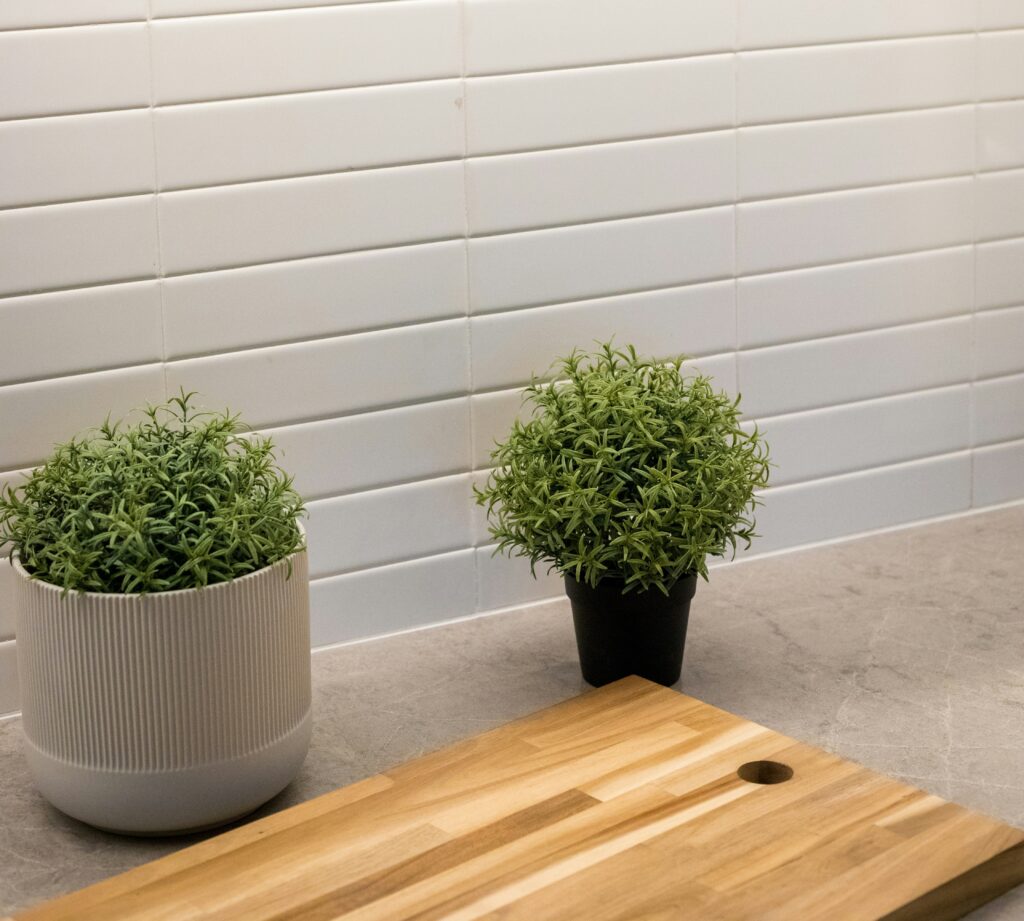
Sealing grout after a deep clean is essential to protect porous cement grout from reabsorbing stains, moisture, and mold. The process takes about 30 to 45 minutes and costs as little as $12 for a penetrating sealer bottle.
Wait until grout is completely dry, typically 48 to 72 hours after cleaning, before applying sealer. Use a penetrating sealer (also called impregnating sealer) rather than a surface sealer for bathroom and kitchen tile: penetrating sealers soak into the grout rather than sitting on top, offering longer protection without making grout slippery. Apply with a small applicator brush or a roller, working in sections. Wipe off any excess that lands on tile faces within 5 minutes to prevent haze. Allow the first coat to penetrate for 10 minutes, apply a second coat, then allow full cure time per the product label, usually 24 to 48 hours before water exposure.
Is Spray-On Sealer Safe to Use Indoors?
Aerosol and spray-on grout sealers carry serious respiratory risks in enclosed spaces. A peer-reviewed study published in the Journal of Medical Toxicology documented pulmonary toxicity cases from waterproofing grout sealer exposure,.finding that over 50% of affected individuals required hospital admission. However, these severe risks apply almost exclusively to aerosol sprays used without protection; traditional brush-on or roller-applied sealers carry far lower risk and are completely safe for indoor DIY use when following basic safety steps. A related NIH case report on chemical pneumonitis documented reactive airways dysfunction syndrome (RADS) from a single home exposure to an aerosol spray-on sealer. If you use any spray sealer, open all windows and doors, run exhaust fans, wear an N95 respirator, and vacate the space for at least 4 hours after application. Brush-on and roller-applied sealers carry far lower risk and are preferred for indoor bathroom use.
When Should You Hire a Professional?
DIY methods work well for surface staining and routine maintenance, but certain conditions call for professional grout restoration or regrout services that DIY cannot safely replicate.
Consider calling a professional tile and grout restoration company when grout is cracked, crumbling, or missing in sections (structural risk), when mold has penetrated deeply and keeps returning despite bleach treatment (possible substrate moisture problem), or when grout color is so uneven that cleaning will not produce an acceptable result. Professional steam extraction systems operate at commercial pressures and temperatures beyond consumer equipment, and professional regrout services typically range from $300 to $800 or more depending on area size and tile type. That cost is worth considering against the replacement cost of tile itself, which can run $15 to $40 per square foot installed.
Alternative Perspectives
Some tile professionals argue that homeowners over-clean grout by reaching for bleach too frequently, which degrades the cement binder over years of use and actually accelerates staining by increasing porosity. Their recommendation is monthly maintenance with a pH-neutral cleaner, less frequent deep cleaning, and consistent sealing every 12 to 18 months as the more sustainable long-term approach.
On the other hand, some cleaning specialists contend that most residential grout is already past the point where sealing offers meaningful protection, and that homeowners would get better results from professional color sealing, a process where a tinted, pigmented sealer is applied to restore uniform color and seal simultaneously. This costs more upfront (typically $1 to $3 per linear foot) but may eliminate resealing needs for 5 to 10 years.
“Mold grows where moisture is present. Removing visible mold from hard surfaces like tile may be done using soap and water or a bleach solution. Controlling moisture is the key to preventing mold growth.” — Centers for Disease Control and Prevention, via the CDC Mold Health guidance page“Never mix household bleach with ammonia or any other cleanser. Mixing bleach with ammonia or other cleaning products will produce dangerous toxic fumes.” — University of Florida IFAS Extension, Homemade Household Cleaners (FCS3319/FY1449)
Disclaimer: DIY projects involve inherent risks. Cleaning chemicals, bleach, and aerosol sealers can release hazardous fumes and cause respiratory or skin irritation if misused. Always wear appropriate personal protective equipment (including gloves and an N95 respirator when handling spray products), ensure maximum ventilation, and strictly follow manufacturer safety instructions. If you experience dizziness, coughing, or shortness of breath, vacate the area immediately.
Frequently Asked Questions
What is the best grout cleaner for shower tile?
For shower grout, a baking soda and hydrogen peroxide paste works well for mild to moderate staining with no fume risk. For heavier mildew, an oxygen bleach powder (sodium percarbonate) product offers stronger action with low odor. Reserve diluted chlorine bleach for severe mold cases, and always ventilate the bathroom fully during and after use.
How often should I clean grout between tiles
For high-moisture areas like showers, a light cleaning every two to four weeks with a mild solution helps prevent mildew buildup. Kitchen floors benefit from a deeper clean every one to two months. Properly sealed grout extends the interval between deep-cleaning sessions significantly.
Can I use vinegar to clean grout?
Vinegar is acidic and can etch and weaken cement-based grout over time with repeated use. It is also ineffective against mold compared to hydrogen peroxide or bleach solutions. Most tile professionals recommend avoiding vinegar as a regular grout cleaner and opting for pH-neutral or alkaline cleaners instead.
How long does grout sealer last?
Most penetrating grout sealers last 1 to 3 years in high-traffic or high-moisture areas before requiring reapplication. You can test whether your sealer is still active by placing a few drops of water on the grout: if the water beads up, the seal is holding. If it absorbs immediately, it is time to reseal.