Switching to non-toxic cleaning products is one of the most impactful choices you can make for your family’s health and your home’s environment. Whether you have young kids crawling on the kitchen floor, pets who lick every surface, or you simply want to reduce your chemical exposure, the market in 2026 has never offered more effective, genuinely safe options. See all our cleaning guides for more room-by-room tips. For broader home improvement context, explore our Home articles covering everything from organization to deep cleaning routines.
This guide walks through the best plant-based and eco-friendly cleaning products for 2026, organized by room, so you can build a complete, non-toxic cleaning kit with confidence.
Key Takeaways
- The guide focuses on the best non-toxic and eco-friendly cleaning products for 2026, emphasizing safer choices for homes with kids and pets.
- Many conventional cleaners contain VOCs, synthetic fragrances, and endocrine-disrupting chemicals that can negatively affect indoor air quality.
- Trusted certifications like EPA Safer Choice, USDA Certified Biobased, and EWG Verified are key indicators of genuinely safer cleaning products.
- Common ingredients to avoid include triclosan, phthalates, 2-butoxyethanol, nonylphenol ethoxylates, and high concentrations of SLS.
- Room-specific recommendations include plant-based degreasers for kitchens, hydrogen peroxide-based cleaners for bathrooms, and fragrance-free gentle solutions for nurseries.
- Laundry detergents in 2026 are increasingly plant-based and enzyme-driven, with certified options offering lower environmental impact and skin exposure risk.
- DIY cleaning solutions (vinegar, baking soda, castile soap) are cost-effective but may be less suitable for heavy disinfection or certain surfaces like natural stone.
- The debate continues between advocates of non-toxic daily cleaning and experts who emphasize the need for stronger disinfectants in specific health-risk situations.
Why Non-Toxic Cleaning Products Matter in 2026
Conventional cleaning products often contain volatile organic compounds (VOCs), synthetic fragrances, and endocrine-disrupting chemicals that can linger in indoor air and on surfaces long after use. Choosing non-toxic alternatives reduces your family’s daily chemical exposure without sacrificing cleaning power.
Most of us spend the majority of our time indoors, and the cleaning products we use contribute significantly to indoor air quality. According to the EPA’s guidance on identifying greener cleaning products, harmful ingredients to watch for include VOCs, hazardous air pollutants (HAPs), endocrine disruptors, and alkylphenol ethoxylates, which can persist in the environment and build up in the body over time.
According to NIH News in Health, endocrine-disrupting chemicals such as phthalates and perfluorinated compounds (PFCs) are commonly found in conventional cleaning and household products, and switching to Safer Choice or non-toxic labeled alternatives is one recommended strategy for reducing exposure at home.
For Canadian households, Health Canada notes that cleaning products are among the primary indoor sources of VOC exposure, which can cause respiratory irritation and, with prolonged exposure, more serious health effects.
How to Identify a Genuinely Safe Cleaning Product
Look for third-party certifications like the EPA Safer Choice label or USDA Certified Biobased, which verify that ingredients meet safety and environmental standards rather than relying solely on marketing claims like “natural” or “green.”
The word “natural” has no regulated definition when it appears on cleaning product labels. To cut through greenwashing, focus on verifiable certifications and ingredient transparency. The EPA’s Safer Choice program is one of the most rigorous: certified products must meet strict standards for human health, aquatic toxicity, biodegradability, and packaging. You can search the full list of certified products at the EPA Safer Choice certified products database.
Certifications Worth Trusting
When shopping, prioritize products carrying EPA Safer Choice, USDA Certified Biobased, or EWG Verified labels. Each requires documented ingredient disclosure and third-party verification. Products certified under these programs tend to avoid the most problematic ingredients, including chlorine bleach, ammonia at high concentrations, synthetic musks, and quaternary ammonium compounds (quats).
Ingredients to Avoid
Key ingredients to steer clear of include triclosan, phthalates listed as “fragrance,” sodium lauryl sulfate in high concentrations, 2-butoxyethanol, and nonylphenol ethoxylates. The University of Florida IFAS Extension publishes a peer-reviewed fact sheet that includes specific safer substitute formulas for each room in the home, which is a useful reference when making comparisons.
Best Non-Toxic All-Purpose Cleaners for 2026
A good non-toxic all-purpose cleaner handles countertops, appliances, and hard surfaces in every room without leaving behind harmful residues. Plant-derived surfactants and essential oil-based antimicrobials are the most common active ingredients in top-rated options this year.
The non-toxic all-purpose cleaner category has matured considerably. Several brands now offer EPA Safer Choice certified formulas that perform comparably to conventional products in third-party cleaning tests. Cost typically runs between $5 and $15 per bottle, with concentrate options bringing that down to $2 to $4 per diluted bottle, making them budget-friendly as well as safe.
What to Look for in a Plant-Based All-Purpose Cleaner
A strong plant-based cleaner should list its surfactant source (such as coconut- or corn-derived), disclose fragrance ingredients fully, and ideally be pH-balanced for use on most surfaces. Avoid formulas that claim to sanitize but do not list an EPA-registered active ingredient, as the sanitization claim may not be verified.
Room-by-Room Guide to Safe Cleaning Products for Kids and Pets
Different rooms carry different cleaning challenges and risk levels. Kitchens need food-safe degreasers, bathrooms need mold and mildew fighters, and nurseries require the gentlest possible formulas. Matching the right product to each space helps you clean effectively while keeping everyone safe.
Kitchen: Food-Safe Degreasers and Surface Sprays
In the kitchen, every surface cleaner should be rated food-safe or rinsed thoroughly before food contact. Look for plant-based degreasers that use citrus or corn-derived solvents. Baking soda paste remains a reliable, verified-safe abrasive for baked-on grease (cost: under $1). For dish soap, EPA Safer Choice certified options use plant-derived surfactants and avoid synthetic fragrance, with prices between $4 and $8 per bottle.
Bathroom: Mold and Mildew Without Harsh Bleach
Conventional bathroom cleaners often rely on chlorine bleach, which releases VOCs in enclosed spaces. Non-toxic alternatives use hydrogen peroxide (3 percent concentration is considered low-risk), citric acid, or tea tree oil as active agents against mold and mildew. These work best with a short dwell time of 5 to 10 minutes before wiping. Pair these products with a steam cleaner for best results, especially on grout and tile where chemical-free high heat can eliminate bacteria and mold spores effectively.
Nursery and Children’s Rooms: The Gentlest Options
For spaces where infants and toddlers spend time, the bar for safety is highest. Stick to products with fully disclosed ingredient lists and no synthetic fragrances or essential oils that may be irritating to young airways. A simple diluted castile soap solution (roughly 1/4 cup per quart of water) is a verified low-toxicity option for most hard surfaces. Always allow surfaces to dry completely before children re-enter the space.
Laundry: Eco-Friendly Detergents That Actually Work
Laundry detergent residue stays in contact with skin all day, making ingredient safety especially important. Plant-based detergents certified by EPA Safer Choice or EWG Verified are widely available in 2026 at major retailers. Powder formulas often have less packaging waste and a lower per-load cost (roughly $0.15 to $0.25 per load) compared to conventional liquid detergents.
2026 Non-Toxic Cleaning Products Comparison
The table below compares key categories of eco-friendly cleaning products by room, estimated cost, EPA Safer Choice availability, and primary active ingredient, to help you build a complete non-toxic cleaning kit.
| Room / Use | Product Type | Est. Cost (USD) | EPA Safer Choice Available? | Key Active Ingredient |
|---|---|---|---|---|
| Kitchen | All-purpose spray | $6–$12 | Yes | Plant-derived surfactant |
| Kitchen | Dish soap | $4–$8 | Yes | Coconut-derived surfactant |
| Bathroom | Toilet and tile cleaner | $5–$10 | Yes | Citric acid / hydrogen peroxide |
| Bathroom | Mold and mildew spray | $7–$14 | Some options | Hydrogen peroxide (3%) |
| Nursery / Bedroom | Surface wipes or spray | $5–$10 | Yes | Diluted castile soap / plant surfactant |
| Laundry | Laundry detergent | $12–$20 per bottle | Yes | Plant-derived enzymes |
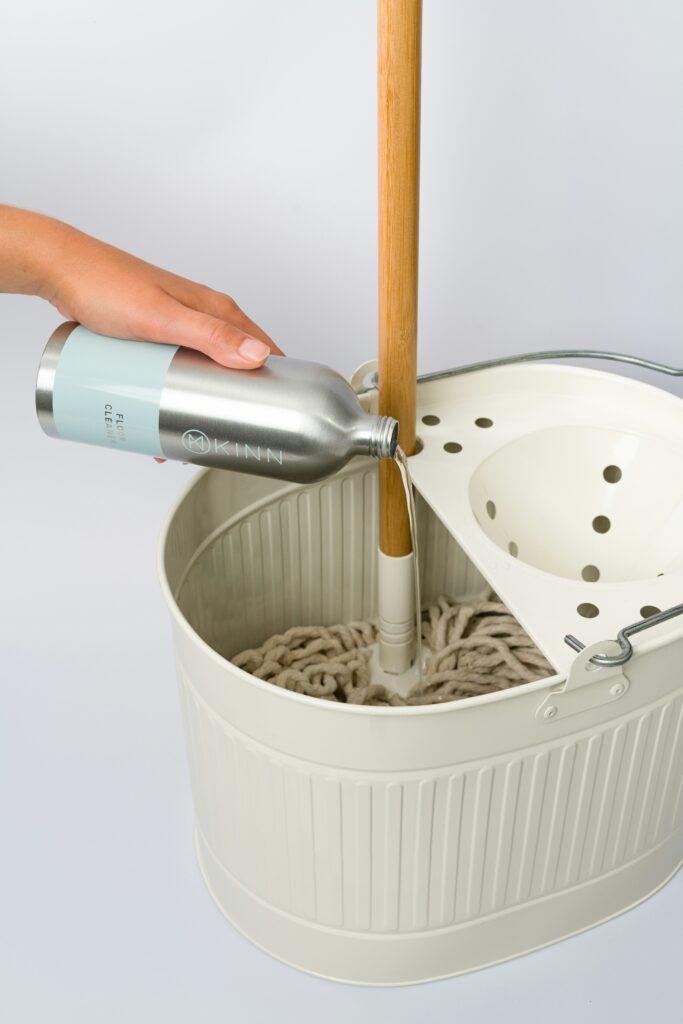
| Floors | Multi-surface floor cleaner | $8–$15 | Yes | Plant-based solvent / citrus |
According to the University of Florida IFAS Extension, many effective non-toxic cleaning alternatives can be made from simple household ingredients including baking soda, white vinegar, and castile soap, which have well-documented low toxicity profiles and can replace a wide range of conventional cleaning products throughout the home.
Are DIY Non-Toxic Cleaners as Effective as Store-Bought?
Homemade cleaners using ingredients like white vinegar, baking soda, and castile soap can handle many routine cleaning tasks effectively, though they may fall short of commercial formulas for heavy-duty disinfection or specific surface types like natural stone.
DIY non-toxic cleaners are a practical, low-cost option for families who want full ingredient control. A basic all-purpose spray made from 1 part white vinegar and 1 part water costs pennies per bottle. However, vinegar should not be used on natural stone surfaces like marble or granite, as the acidity can etch the material over time. For tasks requiring verified disinfection (killing pathogens to a defined log reduction), a commercial EPA-registered product is generally more reliable.
Alternative Perspectives
Not everyone agrees that all conventional cleaning ingredients are as harmful as they are sometimes portrayed. Some microbiologists and public health researchers argue that products containing quaternary ammonium compounds or diluted bleach remain valuable for genuine disinfection, particularly in households with immunocompromised members or during illness outbreaks. The concern, these researchers note, is not that non-toxic products are ineffective cleaners, but that some may not meet clinical disinfection standards. On the other side, environmental health advocates point out that routine daily cleaning in most homes does not require hospital-grade disinfection, and that the cumulative chemical load from conventional products poses a real and underappreciated health risk. Both perspectives have legitimate evidence behind them, and the right balance likely depends on your household’s specific health circumstances.
Disclaimer: While non-toxic ingredients are generally safer, always spot-test new cleaning solutions on an inconspicuous area of surfaces or fabrics. Keep all cleaning products out of reach of children and pets.
Frequently Asked Questions About Non-Toxic Cleaning Products
For most everyday cleaning tasks, including cutting grease, removing soap scum, and general surface cleaning, EPA Safer Choice certified plant-based products perform comparably to conventional formulas. The main area where differences may appear is in certified disinfection, where some non-toxic products may not meet EPA-registered pathogen reduction claims. Pairing non-toxic cleaners with steam cleaning can close much of that gap for most households.
The EPA Safer Choice label means every ingredient in the product has been reviewed by EPA scientists and found to be safer for human health and the environment compared to conventional alternatives. It covers surfactants, solvents, fragrances, preservatives, and packaging, making it one of the most comprehensive third-party certifications available for cleaning products in the US.
Many plant-based cleaning products are safer for pets than conventional formulas, but “plant-based” does not automatically mean pet-safe. Certain essential oils commonly used in natural cleaners, such as tea tree oil, eucalyptus, and citrus oils, can be toxic to cats and some dogs. Always check the specific product’s safety data or consult your veterinarian before use in homes with pets.
Mixing cleaning products, even non-toxic ones, can sometimes reduce effectiveness or create unexpected reactions. For example, combining vinegar (acidic) with baking soda (alkaline) neutralizes both, producing mostly water and carbon dioxide rather than a more powerful cleaner. Always use products as directed and avoid mixing formulas unless specifically instructed by the manufacturer.