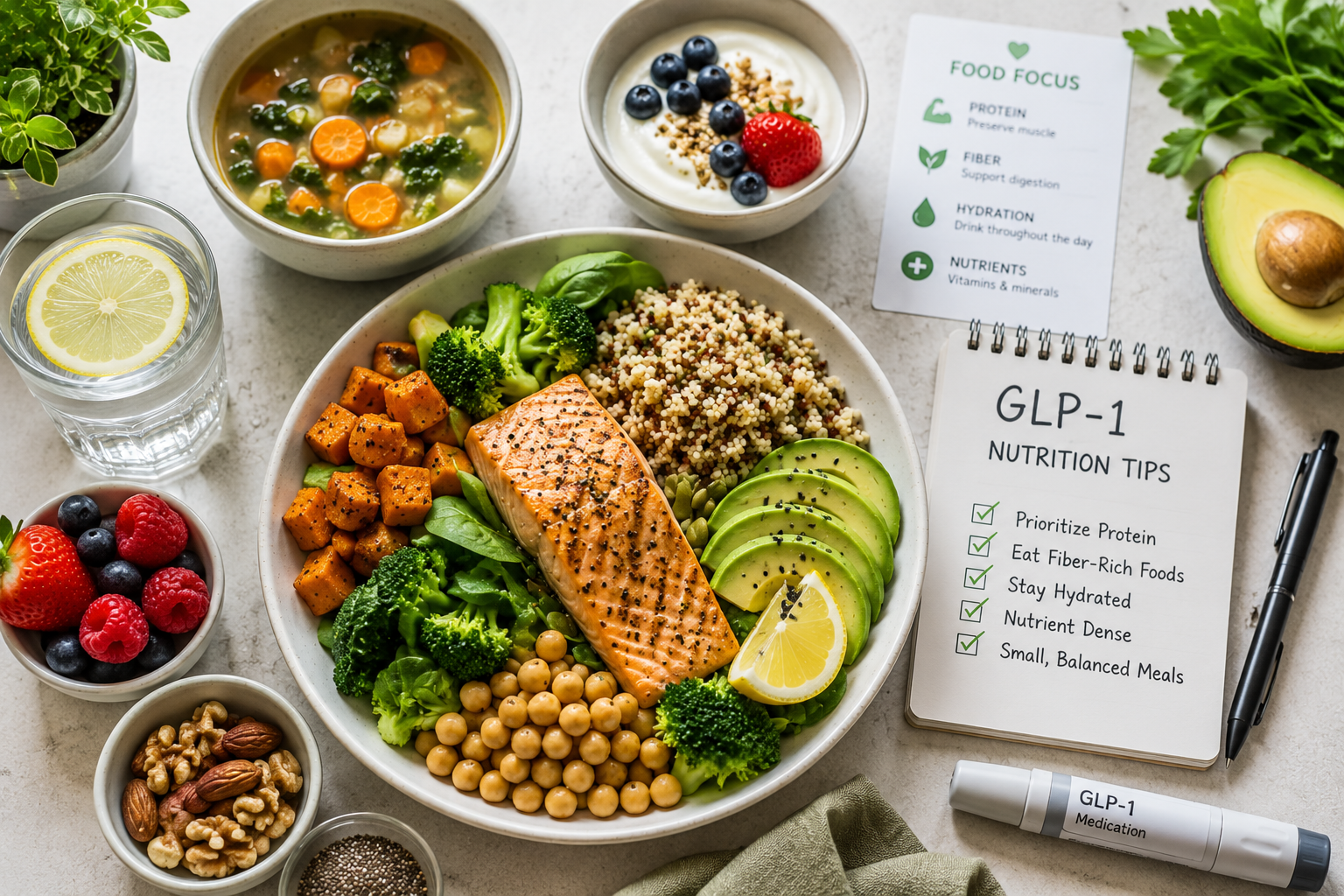
GLP-1 receptor agonists like semaglutide and tirzepatide have reshaped conversations around weight management, but there is a detail that often gets lost in the headlines: the medication significantly reduces appetite, which means many people eat far less than their body needs to maintain muscle, bone density, and micronutrient levels. A 2023 trial published in The New England Journal of Medicine found that participants on semaglutide lost an average of 15% of body weight, yet researchers flagged that a meaningful portion of that loss included lean muscle mass, a concern dietitians have been raising ever since. Knowing what to eat on GLP-1 is not just about filling a smaller plate; it is about filling it strategically. For more healthy eating tips across every lifestyle, the Wide Journal healthy eating hub is a good starting point, and you can browse all related Food articles for additional context.
The physiological shift that comes with GLP-1 medications is striking. Gastric emptying slows, nausea is common in the early weeks, and the hormonal signals that once drove you toward the snack cabinet go quiet. That sounds like a win, but the risk is that people end up under-eating protein, fiber, and key vitamins at the exact moment their body is undergoing rapid metabolic change. Research published in Obesity Reviews suggests that protein intake during active weight loss may help preserve lean mass, and the Academy of Nutrition and Dietetics emphasizes that nutrient density becomes especially critical when overall caloric intake drops.
This guide focuses on practical, food-first choices that may support your body through the process: what textures tend to sit well on a queasy stomach, which foods pack the most nutritional value into a small volume, and where common eating mistakes show up in people adjusting to life on these medications.
Key Takeaways
- GLP-1 medications slow gastric emptying and suppress appetite, which increases the risk of inadequate protein and micronutrient intake during weight loss.
- Research suggests aiming for 1.2 to 1.6 grams of protein per kilogram of body weight per day may help preserve lean muscle mass during caloric restriction on GLP-1 therapy.
- Soft, easy-to-digest foods like Greek yogurt, eggs, and well-cooked legumes tend to be better tolerated during early medication adjustment phases when nausea is most common.
- High-fat and highly processed foods may worsen GLP-1 side effects including nausea and delayed gastric emptying, according to clinical guidance from the Mayo Clinic.
- Fiber intake from vegetables, legumes, and whole grains may support satiety and gut health, but very high fiber meals can intensify bloating in some people on these medications.
Why Nutrition Choices Matter More on GLP-1 Medications
GLP-1 drugs reduce how much you eat, which makes every bite count. Prioritizing protein and micronutrient-dense foods may help prevent muscle loss and nutritional gaps during rapid weight loss.
When appetite is chemically suppressed, the body does not distinguish between eating a small portion of grilled salmon and eating a small portion of crackers. Both feel satisfying in the short term. But one delivers roughly 22 grams of high-quality protein, omega-3 fatty acids, and B12. The other delivers refined starch and very little else. That gap compounds over weeks and months, particularly for people who were already eating a low-protein diet before starting medication.
The Muscle Loss Problem
Lean muscle mass requires consistent dietary protein and resistance stimulus to maintain. During significant caloric restriction, the body may catabolize muscle for energy if dietary protein is insufficient. According to Mayo Clinic guidance on GLP-1 weight loss medications, healthcare providers often recommend intentional protein targets and, where possible, resistance training alongside medication use. This matters because muscle mass directly influences resting metabolic rate, meaning muscle loss can make long-term weight maintenance harder.
Micronutrient Gaps Are Easy to Miss
Iron, calcium, vitamin D, magnesium, and B vitamins are all harder to obtain when total food volume drops. People who already had borderline low intake before starting GLP-1 therapy are at greater risk. A registered dietitian can help identify gaps and determine whether supplementation is appropriate alongside a GLP-1 diet meal plan.
Hydration Matters More Than Many People Realize
Reduced appetite often affects fluid intake as well. Some people on GLP-1 medications find that they simply forget to drink because hunger and thirst cues become less noticeable. Mild dehydration can worsen fatigue, constipation, headaches, and feelings of nausea that are already common during the adjustment phase.
Water remains the best option for most people. Broth-based soups, herbal teas, high-water fruits, and electrolyte-containing beverages may also help maintain hydration, particularly during hot weather or periods of increased physical activity. Rather than trying to drink large amounts at once, many dietitians recommend taking small, consistent sips throughout the day.
Best Foods to Prioritize When Eating on Semaglutide
Foods that are soft in texture, high in protein, and rich in micronutrients tend to be the best fit for people eating on semaglutide or similar GLP-1 medications, especially in the first few months of treatment.
High-Protein, Easy-to-Tolerate Options
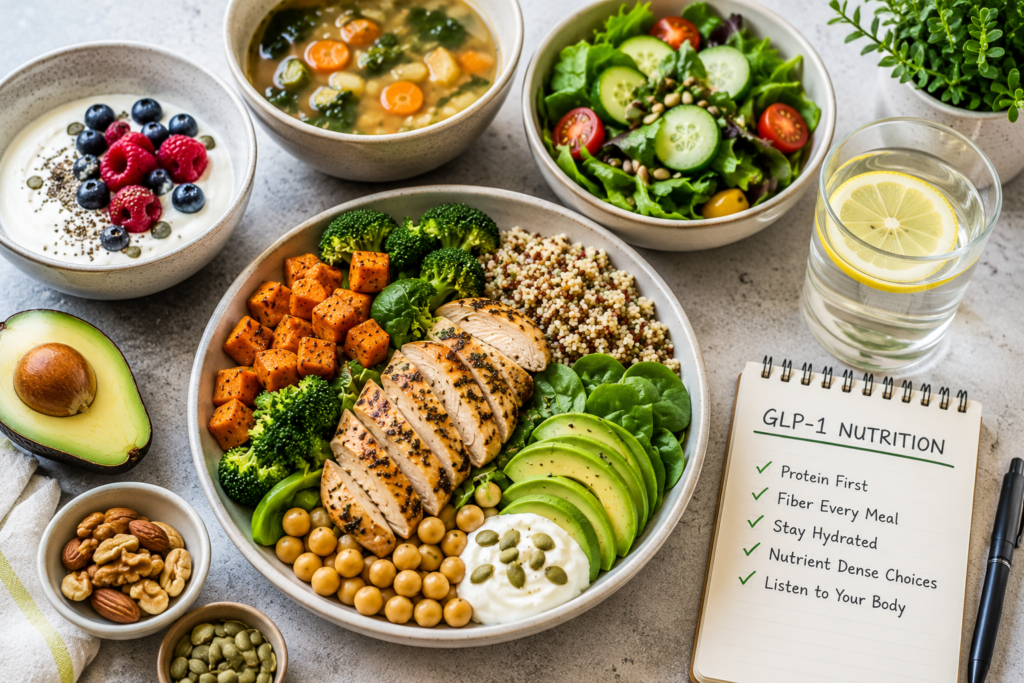
Protein is the non-negotiable priority. Eggs are often one of the most well-tolerated protein sources during GLP-1 adjustment: soft, versatile, and delivering about 6 grams of protein each with minimal digestive burden. Greek yogurt (plain, full-fat or low-fat) packs 15 to 20 grams of protein per cup and also provides calcium and probiotics. Cottage cheese has had a well-earned resurgence in popularity for exactly this reason: a half-cup delivers roughly 14 grams of protein in a soft, easily portioned format.
For those who tolerate meat, skinless poultry and white fish tend to sit easier than red meat or fatty cuts, which can exacerbate nausea when gastric emptying is already slowed. Canned fish like tuna or salmon in water is a practical, shelf-stable option. Tofu and edamame are strong plant-based choices for GLP-1 protein intake that also bring fiber and iron.
Vegetables That Work With a Sensitive Stomach
Raw cruciferous vegetables like broccoli and cabbage can cause significant bloating in people on GLP-1 medications. Cooked versions of those same vegetables tend to be much better tolerated. Zucchini, spinach, cucumber, and well-cooked carrots are gentler options that still deliver vitamins, minerals, and fiber. Avocado is worth a mention here: it provides heart-healthy monounsaturated fats and potassium in a soft, palatable form that pairs well with eggs or cottage cheese.
Whole Grains in Modest Portions
Oatmeal, quinoa, and brown rice offer slow-digesting carbohydrates and some fiber without the blood sugar spikes that refined grains can produce. Portion size naturally shrinks on GLP-1 medications, so a quarter-cup of cooked oats with protein powder stirred in is a realistic, nutrient-dense breakfast that many people find genuinely satisfying.
Foods That May Worsen Side Effects
High-fat, fried, and ultra-processed foods are most commonly associated with worsened nausea and gastrointestinal discomfort in people taking GLP-1 receptor agonists.
Fried foods and very high-fat meals slow gastric emptying further on top of what the medication already does, which is a common trigger for prolonged nausea and reflux. Greasy fast food, heavy cream sauces, and fatty red meats tend to sit poorly. Carbonated drinks can worsen bloating and early satiety, meaning a person fills up on gas before getting adequate nutrients. Alcohol is worth mentioning separately: some research suggests GLP-1 medications may reduce alcohol cravings, but alcohol still stresses the liver and adds empty calories that displace more useful nutrients.
Ultra-processed snack foods are a subtle trap. Because they are calorie-dense in a small volume and engineered for palatability, they can compete with protein foods for limited stomach space without contributing meaningfully to nutritional needs.
Constipation Is One of the Most Common GLP-1 Challenges
Because GLP-1 medications slow digestion, constipation is a frequent concern, particularly during dose increases. While fiber-rich foods can help, suddenly increasing fiber intake may worsen bloating or abdominal discomfort in some individuals.
A gradual approach is usually more comfortable. Cooked vegetables, legumes, oats, berries, and adequate fluid intake often provide a better balance than relying on fiber supplements alone. Regular physical activity may also support normal bowel function during treatment.
Sample Nutrient-Dense Meal Breakdown
| Meal | Example | Approximate Protein | Key Nutrients | Tolerability Notes |
|---|---|---|---|---|
| Breakfast | 2 scrambled eggs + 1/2 cup cottage cheese + sliced cucumber | ~26g | B12, calcium, selenium | Soft textures, low-fat, generally well-tolerated |
| Lunch | 4 oz canned salmon + 1/2 cup cooked quinoa + steamed spinach | ~32g | Omega-3, iron, folate | Avoid heavy dressings; use lemon and olive oil |
| Snack | 3/4 cup plain Greek yogurt + 1 tbsp almond butter | ~18g | Calcium, magnesium, probiotics | Easy to eat in small amounts; refrigerate until ready |
| Dinner | 4 oz baked chicken breast + 1/2 cup lentils + roasted zucchini | ~38g | Potassium, fiber, zinc | Avoid frying; bake or steam to reduce fat load |
| Optional Evening | 1/2 cup edamame (shelled) + small handful walnuts | ~10g | Plant protein, ALA omega-3, vitamin E | Small portion; stop if fullness signals appear early |
What the Research Actually Shows
Clinical trial data on GLP-1 medications highlights both meaningful weight loss outcomes and documented concerns around muscle mass retention and micronutrient adequacy that inform dietary recommendations.
According to a 2023 study in The New England Journal of Medicine (STEP 1 trial, n=1961), participants taking semaglutide 2.4 mg weekly lost a mean of 14.9% of body weight over 68 weeks, with the study authors noting the need for further research into body composition changes, including lean mass preservation.According to the NIH National Library of Medicine via PubMed, a 2022 review in Obesity Reviews examining dietary protein needs during weight loss concluded that intakes of 1.2 to 1.6 grams of protein per kilogram of body weight per day are associated with greater preservation of fat-free mass compared to lower protein intakes during caloric restriction.
Alternative Perspectives
Some clinicians and dietitians caution against over-optimizing nutrition in the early weeks of GLP-1 therapy. The priority, they argue, should be tolerating the medication and establishing a sustainable eating rhythm rather than hitting precise protein targets that may feel overwhelming when nausea is present. Others note that a small number of patients do not experience significant appetite suppression and may need a different dietary framework entirely. There is also an emerging conversation about whether aggressive caloric restriction on top of GLP-1-driven appetite suppression could be counterproductive long term, particularly for people with a history of disordered eating. A registered dietitian familiar with GLP-1 therapy is the most reliable resource for navigating these individual differences.
Disclaimer
Nutritional information is approximate and may vary. This content is for informational purposes only and does not constitute medical or nutritional advice. Consult a registered dietitian or healthcare provider for personalized dietary guidance, especially when taking prescription medications.
Frequently Asked Questions
Current research suggests that 1.2 to 1.6 grams of protein per kilogram of body weight per day may support lean muscle preservation during weight loss, though individual needs vary. A registered dietitian can help calculate a personalized target based on your starting weight, activity level, and specific medication.
Reduced appetite may also reduce fluid intake, making dehydration more likely in some individuals. Drinking water regularly throughout the day and including hydrating foods such as fruits, vegetables, and broth-based soups may help maintain adequate hydration. Anyone experiencing persistent dizziness, severe fatigue, or signs of dehydration should contact a healthcare provider.
High-fat foods, fried foods, carbonated drinks, and very high-fiber raw vegetables are most commonly reported as problematic in the early weeks of GLP-1 treatment. These foods may worsen nausea and bloating because GLP-1 medications already slow gastric emptying significantly.
Potentially, yes. When total food intake drops substantially, gaps in vitamin D, calcium, iron, magnesium, and B vitamins are common. Whether supplementation is appropriate depends on your baseline levels and diet quality. A healthcare provider or dietitian can assess this through blood work and dietary review.
A well-planned plant-based diet can be compatible with GLP-1 therapy, but it requires more attention to protein density and completeness. Foods like edamame, tofu, tempeh, lentils, and Greek-style plant-based yogurts can help meet protein targets. Vitamin B12 supplementation is typically recommended for people eating fully plant-based, regardless of medication status.