Summer 2026 is shaping up to be the season when GLP-1 medications like semaglutide and tirzepatide are more widely used than ever before, and the question on everyone’s mind is not just how much to eat, but what to eat when your appetite has dramatically shifted. Whether you are spending long days at the beach, managing the chaos of summer break with the kids, or just trying to stay on track through backyard barbecues, a smart GLP-1 diet plan for summer 2026 means prioritizing nutrient density above all else. Explore more in our healthy eating guides and browse all our Food articles for additional seasonal inspiration.
Key Takeaways
- When appetite is reduced on GLP-1 medications, nutrient density becomes essential because every meal has to deliver more protein, vitamins, minerals, and overall nutritional value in smaller portions.
- Protein should be prioritized at every meal to help preserve lean muscle mass and support satiety during periods of reduced calorie intake.
- Summer foods naturally support GLP-1 nutrition goals: seasonal produce offers hydration, fiber, and micronutrients while keeping meals lighter and easier to tolerate.
- Hydration deserves extra attention, as GLP-1 medications and summer heat can increase the risk of dehydration and worsen nausea symptoms.
- Micronutrient intake matters just as much as calories, with Vitamin D, iron, calcium, and B12 commonly requiring closer monitoring in long-term GLP-1 users.
- Smaller portions do not have to feel restrictive; using herbs, citrus, texture, and flavorful ingredients can make compact meals more satisfying.
- Cold or room-temperature meals may be easier to tolerate than heavy or strongly aromatic dishes, particularly during the early stages of treatment.
- Consistency matters more than perfection—simple meals built around protein, produce, and hydration can support long-term success without complicated meal preparation.
Why Nutrient Density Matters More on GLP-1 Medications
GLP-1 receptor agonists significantly reduce appetite and caloric intake, which makes every bite count nutritionally. Focusing on nutrient-dense foods may help prevent deficiencies in protein, vitamins, and minerals that can develop during caloric restriction.
When you are eating considerably less food each day, the nutritional quality of what you do eat becomes critically important. According to the Mayo Clinic, patients using GLP-1 medications should pay close attention to protein intake and micronutrient levels, since reduced caloric consumption can make it difficult to meet daily requirements through diet alone. Think of your plate as prime real estate: every square inch should be earning its spot.
According to researchers at the National Institutes of Health, inadequate protein intake during periods of significant caloric restriction is associated with lean muscle mass loss, which may counteract some of the metabolic benefits of weight reduction.
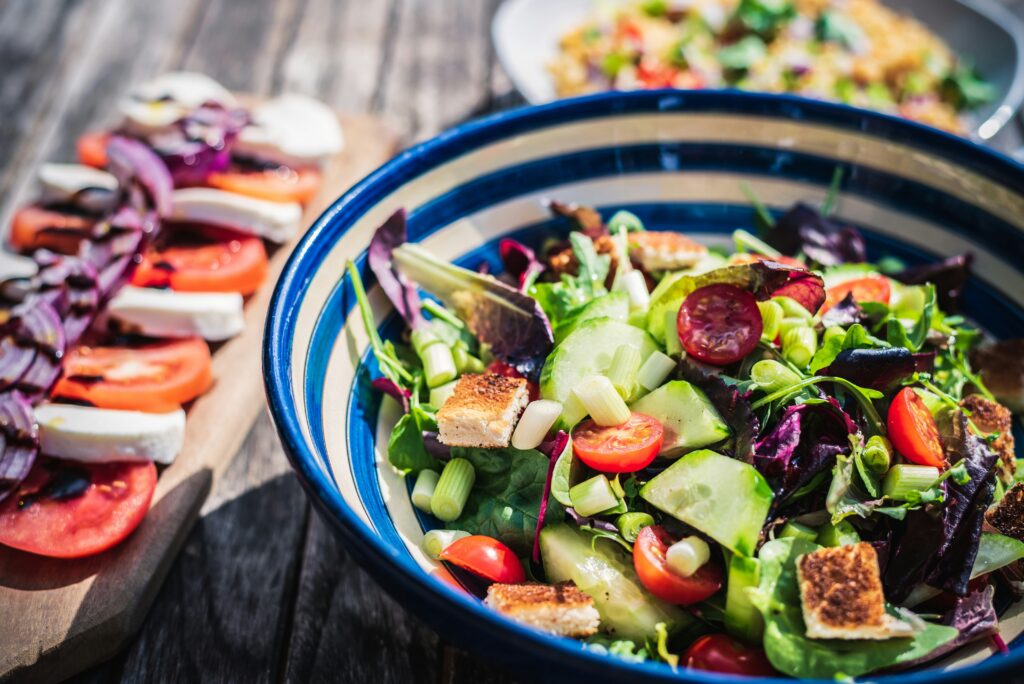
Summer actually offers a nutritional advantage here. Farmers markets overflow with produce that is both flavorful and packed with vitamins: ripe heirloom tomatoes bursting with lycopene, crisp cucumbers loaded with hydration, and sweet corn that delivers fiber and folate alongside its natural sweetness. The season makes it easier and more enjoyable to eat well on a GLP-1 medication.
What to Eat on GLP-1 Summer: Core Food Principles
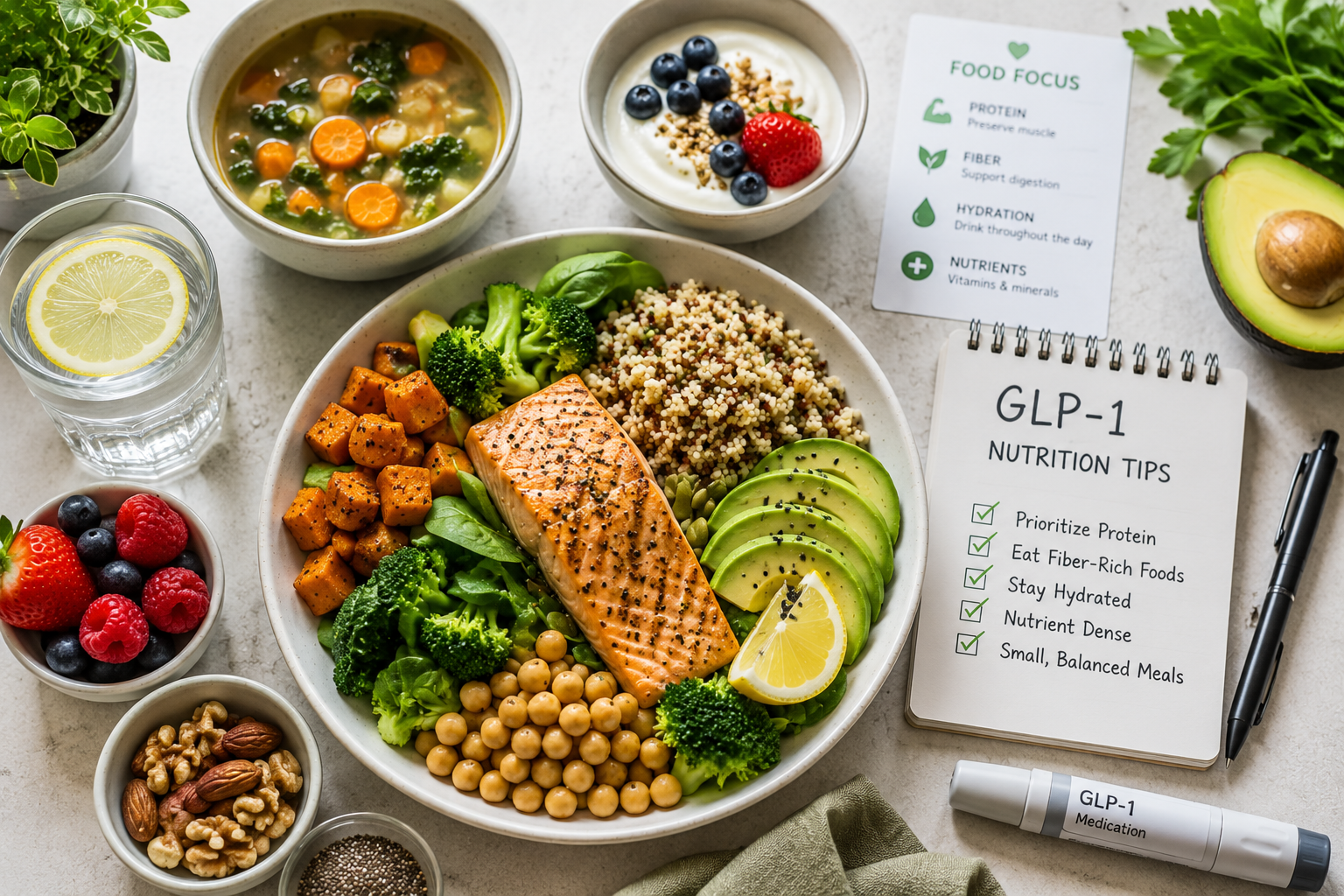
A GLP-1-friendly summer eating approach centers on high-protein foods, hydrating produce, healthy fats, and easily digestible whole grains to maximize nutrition within a smaller food volume.
Prioritizing Protein at Every Meal
Protein is the cornerstone of eating well on weight loss medication. When appetite suppression limits total intake, protein helps preserve muscle tissue and supports satiety between doses. According to the USDA Dietary Guidelines, adults should aim for 0.8 grams of protein per kilogram of body weight as a minimum, though many registered dietitians working with GLP-1 patients suggest higher targets may be appropriate. Some research suggests aiming closer to 1.2 to 1.6 grams per kilogram, though individual needs vary and consulting a registered dietitian is the most reliable path to a personalized number.
For summer specifically, think grilled salmon with a mango-avocado salsa, chilled shrimp over lemony arugula, Greek yogurt parfaits layered with fresh blueberries, or cold rotisserie chicken tucked into crisp butter lettuce cups. These are GLP-1 friendly high protein meals that feel light in the heat but deliver serious nutritional payload.
Hydration: The GLP-1 Summer Challenge
Nausea is among the most commonly reported side effects of GLP-1 medications, and summer heat amplifies the risk of dehydration. Many GLP-1 users find plain water difficult to tolerate in large quantities, especially early in treatment. Cucumber-mint water, chilled herbal teas, and broths can all contribute to daily fluid goals. High-water-content foods like watermelon (approximately 92% water, according to the USDA), strawberries, and zucchini pull double duty as both hydration and nutrition sources.
Should You Worry About Micronutrients?
Yes, and this deserves honest attention. A peer-reviewed narrative review published in Clinical Obesity (Urbina et al., 2026) and indexed on PubMed (National Library of Medicine) examined micronutrient status across 480,825 adults on GLP-1 receptor agonist therapy. The findings are notable: vitamin D deficiency affected 7.5% of users at 6 months and rose to 13.6% by 12 months; iron depletion was frequent, with ferritin levels running 26–30% lower than in comparable patients on other medications; and more than 60% of users consumed calcium and iron below recommended levels, while average vitamin D intake reached only 20% of daily recommendations. B12 (cobalamin) deficits also increased over time. A conversation with your prescribing provider or a registered dietitian about targeted nutritional assessment and supplementation is worth having alongside any dietary changes.
GLP-1 Friendly High Protein Meals: A Summer Meal Plan Sample
This sample framework maps out five days of nutrient-dense, GLP-1-compatible summer meals designed to maximize protein and micronutrients within reduced appetite windows.
5-Day GLP-1 Nutrient-Dense Summer Meal Framework
| Day | Breakfast | Lunch | Dinner | Key Nutrient Focus |
|---|---|---|---|---|
| Monday | Greek yogurt with fresh peaches and hemp seeds | Chilled lemon-herb shrimp over arugula with olive oil | Grilled salmon, roasted zucchini, quinoa tabbouleh | Protein, Omega-3, Magnesium |
| Tuesday | Cottage cheese bowl with cucumber, dill, cherry tomatoes | Turkey and avocado lettuce wraps with shredded carrots | Chicken thighs with peach salsa and steamed edamame | Protein, Folate, Potassium |
| Wednesday | Scrambled eggs with baby spinach, feta, and tomato | Cold sesame noodles with shredded rotisserie chicken | Seared tuna steak, mango-avocado salsa, brown rice | Iron, Vitamin C, Healthy Fats |
| Thursday | Smoothie: frozen berries, silken tofu, flaxseed, spinach | White bean and grilled corn salad with basil vinaigrette | Lean ground turkey lettuce tacos with pico de gallo | Fiber, B Vitamins, Calcium |
| Friday | Hard-boiled eggs with sliced melon and whole grain crackers | Caprese salad with fresh mozzarella, heirloom tomatoes, basil | Grilled halibut with watermelon-feta salad and lentils | Vitamin D, Lycopene, Protein |
Technique Tips for Cooking Nutrient-Dense Meals on GLP-1 Summer?
Preparation methods matter as much as ingredient choices, particularly when nausea or reduced appetite makes certain textures or strong aromas difficult to tolerate.
Cooking Approaches That Work Well
Keep it cool when you can. Many GLP-1 users find that room-temperature or chilled dishes are better tolerated than hot, aromatic meals, especially in the first few months of treatment. Cold poached chicken, grain salads served at room temperature, and chilled seafood dishes like ceviche (made with lime-cured shrimp for food safety) are practical, flavorful options. Light lemon, citrus, and herb-forward seasonings tend to be more palatable than heavy sauces or rich fats when nausea is a factor.
Batch cooks on Sunday evenings when the week ahead involves back-to-school schedules, summer camp pickups, or packed workdays. A large pot of quinoa, a sheet pan of roasted vegetables, and a few grilled chicken breasts can be assembled into five different meals throughout the week with minimal effort and maximum nutritional return.
Small Portions, Big Flavor
Because portion sizes are naturally smaller on GLP-1 medications, every bite needs to satisfy on a sensory level as well as a nutritional one. Fresh herbs like basil, mint, and cilantro add brightness without volume. A small drizzle of really good extra-virgin olive oil, a squeeze of fresh lime, or a sprinkle of toasted sesame seeds can transform a modest plate into something genuinely craveable. Do not underestimate the power of texture: a handful of toasted pepitas on a summer salad adds a satisfying crunch that makes a small bowl feel complete.
Nutrient Dense Meals on Ozempic: Navigating Social Summer Events
Summer barbecues, cookouts, and outdoor gatherings present real challenges for GLP-1 users trying to eat consistently well, but a few planning strategies can make social eating feel natural rather than stressful.
At a cookout, lean proteins like grilled chicken breast or fish are natural allies. Load half your plate with whatever vegetables are available, a corn salad, sliced tomatoes, or grilled asparagus, before adding protein and a small amount of a dish you genuinely enjoy. You do not need to broadcast your medication status to anyone; simply eating mindfully is enough. Staying hydrated throughout the day before the event may help manage appetite in a way that feels comfortable rather than conspicuous.
A 2023 study published in Diabetes Care found that dietary quality, specifically adequate protein and fiber intake, was associated with better body composition outcomes among patients using GLP-1 receptor agonists, suggesting that food choices alongside medication may meaningfully shape results.
Alternative Perspectives
Not all nutrition professionals agree on the optimal dietary approach for GLP-1 users. Some registered dietitians advocate for a higher-fat, lower-carbohydrate framework to complement the medication’s glucose-regulating effects, while others emphasize a more balanced macronutrient distribution in line with standard USDA Dietary Guidelines. A smaller subset of researchers has raised questions about whether aggressive caloric restriction alongside GLP-1 medications may accelerate muscle loss, particularly in older adults, and recommend resistance training and higher protein targets as a counterbalance. The evidence base is still developing, and individualized guidance from a qualified healthcare provider remains the most reliable approach. As the FDA continues to expand its guidance on approved GLP-1 semaglutide medications, dietary recommendations from clinical bodies may also evolve.
Medical Disclaimer & Nutritional Notice: All nutritional data, profiles, and meal frameworks provided in this article are approximate and intended solely for educational and informational purposes. WideJournal.com does not provide medical advice. GLP-1 receptor agonists are powerful prescription medications that significantly alter metabolism, digestion, and nutrient absorption. Individual tolerance to food volumes, textures, and specific macronutrient ratios varies widely. Nutritional gaps (including Vitamin D, B12, and Iron deficiencies) require targeted clinical tracking. Always consult your endocrinologist, prescribing healthcare provider, or a certified clinical dietitian before making significant changes to your eating habits, starting new supplements, or interpreting dietary guidelines.
Frequently Asked Questions
Focus on small, nutrient-dense portions that prioritize protein and healthy fats first. Greek yogurt, cottage cheese, eggs, and cold-prepared fish or poultry are easy to tolerate and deliver strong nutritional value in compact servings. If solid food feels difficult, a smoothie made with protein powder or silken tofu, frozen fruit, and leafy greens can provide meaningful nutrition without requiring a large volume of food. Consulting your prescribing provider about appetite management is also a smart step.
While no single food is universally off-limits, many GLP-1 users find that high-fat fried foods, very spicy dishes, carbonated beverages, and large portions of refined sugars worsen nausea and gastrointestinal side effects. Alcohol may also be poorly tolerated and can contribute to dehydration, which is a particular concern in summer heat. These are general patterns rather than guaranteed reactions, and individual tolerance varies considerably.
According to the USDA, the general recommendation for adults is 0.8 grams of protein per kilogram of body weight daily, though many clinicians suggest higher targets for GLP-1 users to help preserve muscle mass during caloric restriction. Individual protein needs depend on factors including age, activity level, body composition goals, and kidney function. A registered dietitian can calculate a personalized target based on your full health picture.
Absolutely. Some of the most nutrient-dense GLP-1 friendly meals require almost no cooking: rotisserie chicken over a bagged salad kit with a drizzle of olive oil, canned wild salmon with cucumber and whole grain crackers, or Greek yogurt topped with fresh summer berries and a tablespoon of nut butter. The goal is nutritional quality, not culinary complexity, and summer produce makes simple meals naturally vibrant and satisfying.