Semaglutide medications like Ozempic and Wegovy slow gastric emptying by roughly 20%, meaning food literally sits in your stomach longer than it did before you started the medication. That single physiological shift changes everything about how you should approach meals. Eating the wrong foods on a GLP-1 drug doesn’t just feel uncomfortable; it can trigger nausea, vomiting, and acid reflux that cause people to abandon treatment early.
The good news is that Food articles and clinical research increasingly agree on a practical framework: prioritize protein, choose slow-digesting carbohydrates, and reduce high-fat and high-sugar foods that amplify side effects. This isn’t about eating less for the sake of willpower. GLP-1 medications biochemically reduce appetite, so the real challenge becomes eating enough of the right nutrients in a smaller volume of food.
What follows is a practical Ozempic meal plan built around real clinical context, not generic wellness advice. Every recommendation here is grounded in what the science actually says about semaglutide, digestion, and nutrient density.
Key Takeaways
- GLP-1 medications slow gastric emptying, which means high-fat and fried foods stay in the stomach longer and are more likely to cause nausea and reflux on Ozempic or Wegovy.
- Protein intake of 1.2 to 1.6 grams per kilogram of body weight per day may help preserve lean muscle mass during semaglutide-assisted weight loss, according to data from the NEJM STEP trials.
- Fiber-rich vegetables, legumes, and whole grains support the slower gastric transit associated with GLP-1 therapy without spiking blood sugar the way refined carbohydrates do.
- Foods high in simple sugars, including sweetened beverages and candy, are associated with increased GI side effects and may undermine the appetite-regulation benefits of the medication.
- Small, frequent meals of roughly 300 to 400 calories are generally better tolerated than large meals while on semaglutide, based on clinical dietary guidance from the Mayo Clinic.
How GLP-1 Medications Change the Way You Digest Food
Ozempic and Wegovy mimic a gut hormone that slows digestion and signals fullness to the brain, which means the foods that worked for you before may cause discomfort now.
Semaglutide is a FDA-approved glucagon-like peptide-1 receptor agonist that mimics the GLP-1 hormone naturally released after eating. It delays gastric emptying, reduces glucagon secretion, and sends satiety signals to the hypothalamus. In practical terms, a meal that used to take four hours to clear your stomach may now take five to six hours.
This slower transit means two things for your GLP-1 diet plan. First, nutrient-dense foods become more valuable because you’re eating less overall volume. Second, foods that are hard to digest (think greasy burgers, cream sauces, or a large bowl of pasta) sit in the stomach long enough to cause real discomfort. Choosing foods that digest cleanly isn’t a preference on semaglutide; it’s a strategy for tolerating the medication long enough to see results.
Why Protein Becomes the Most Important Macronutrient
One of the underreported risks of GLP-1-assisted weight loss is lean muscle loss. When caloric intake drops sharply, the body may draw on muscle tissue for energy. Research published in the New England Journal of Medicine STEP 1 trial found that participants lost meaningful amounts of lean body mass alongside fat during semaglutide treatment. Prioritizing protein at every meal is one of the most practical ways to counteract this.
Good high-protein options that are also gentle on the stomach include eggs, Greek yogurt, cottage cheese, skinless chicken breast, white fish like cod or tilapia, tofu, and edamame. These foods are relatively low in fat, digest more smoothly than red meat or processed deli products, and deliver the amino acids needed to maintain muscle tissue.
What to Eat on Ozempic: Best Foods for the GLP-1 Diet Plan
The best foods for an Ozempic meal plan are high in protein, moderate in fiber, low in added sugar, and easy on the digestive system given the medication’s effect on gastric motility.
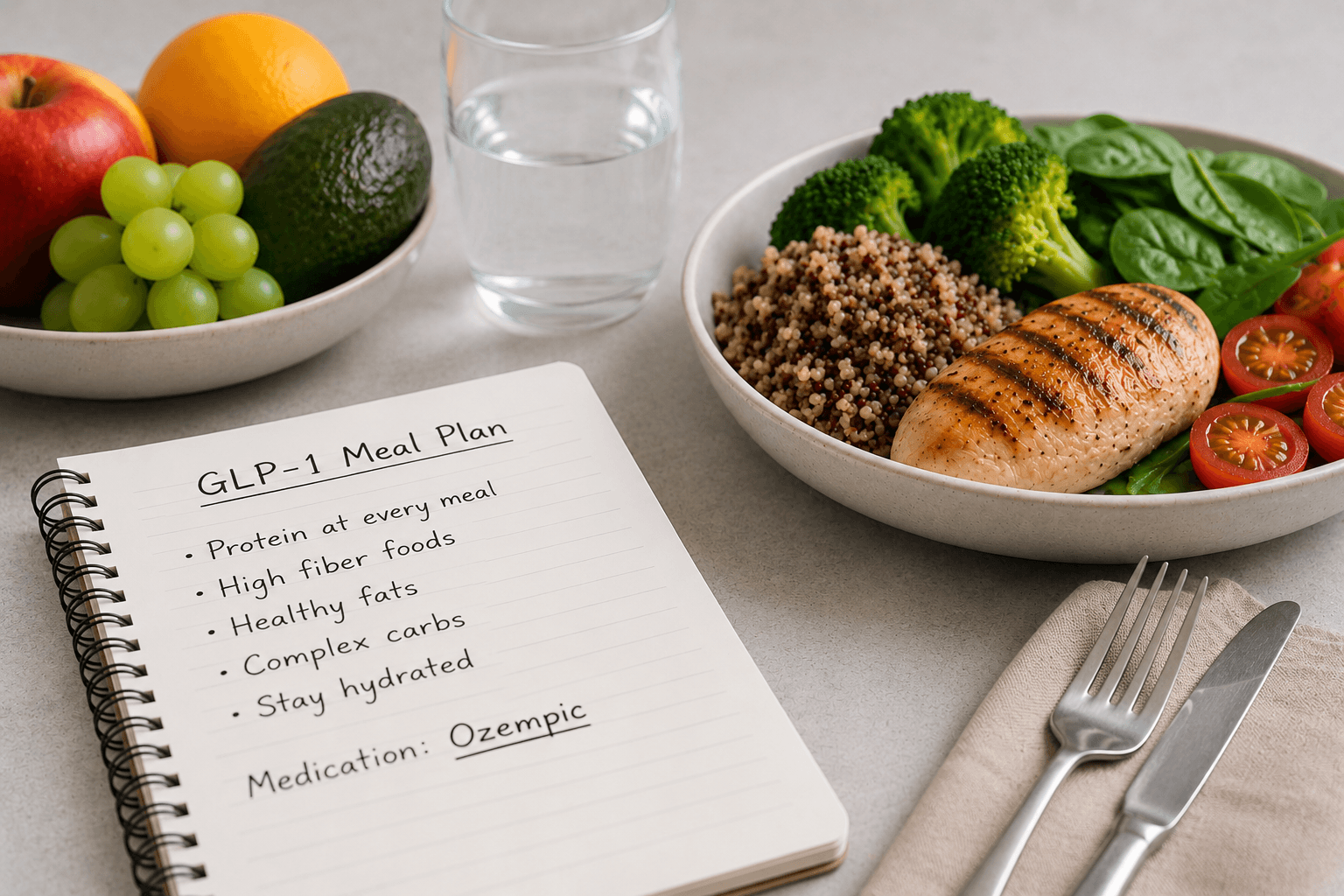
Building an eating on Wegovy or Ozempic framework comes down to four pillars: lean protein, non-starchy vegetables, low-glycemic carbohydrates, and healthy unsaturated fats in moderate portions. Here is how each category plays out in practice.
Lean Proteins to Prioritize
Eggs scrambled softly or poached are easy to digest and provide roughly 6 grams of protein per egg. Greek yogurt (plain, not flavored) delivers up to 17 grams of protein per 6-ounce serving and has a cool, mild flavor that tends to sit well even on queasy mornings. Skinless chicken breast, canned tuna in water, and firm tofu round out a versatile protein rotation that doesn’t feel heavy or greasy after eating.
Vegetables and Fiber-Rich Carbohydrates
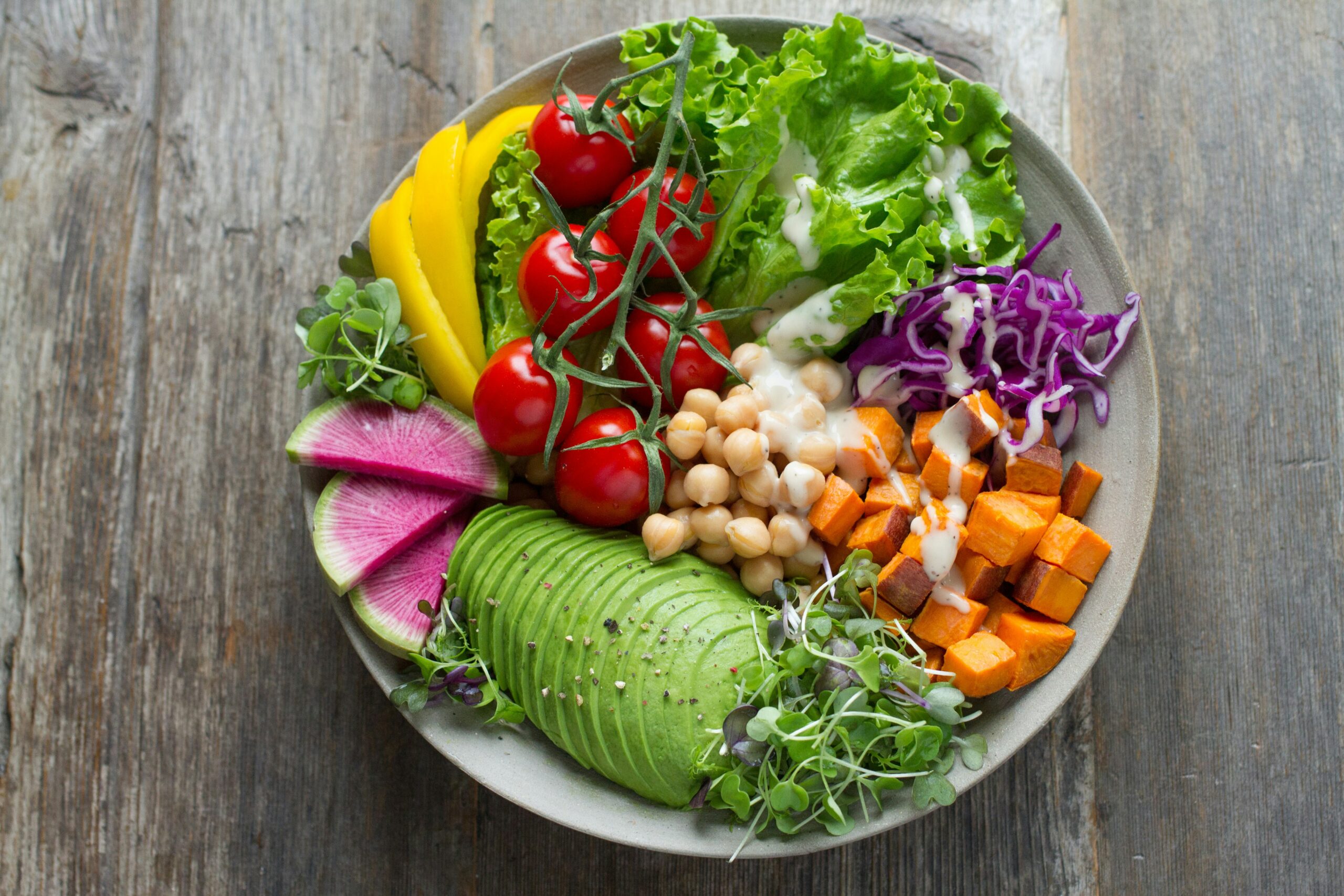
Non-starchy vegetables like zucchini, spinach, cucumber, bell peppers, and steamed broccoli are high in water content, which aids digestion without adding bulk that overwhelms a slower-moving stomach. For carbohydrate sources, oatmeal, brown rice, lentils, and sweet potatoes offer sustained energy without the blood sugar spike associated with white bread or pastries. Pairing fiber-rich vegetables with lean protein at each meal is one of the most reliable high-fiber diet tips supported by registered dietitian guidance for GLP-1 users.
Fats: Small Portions, Smart Choices
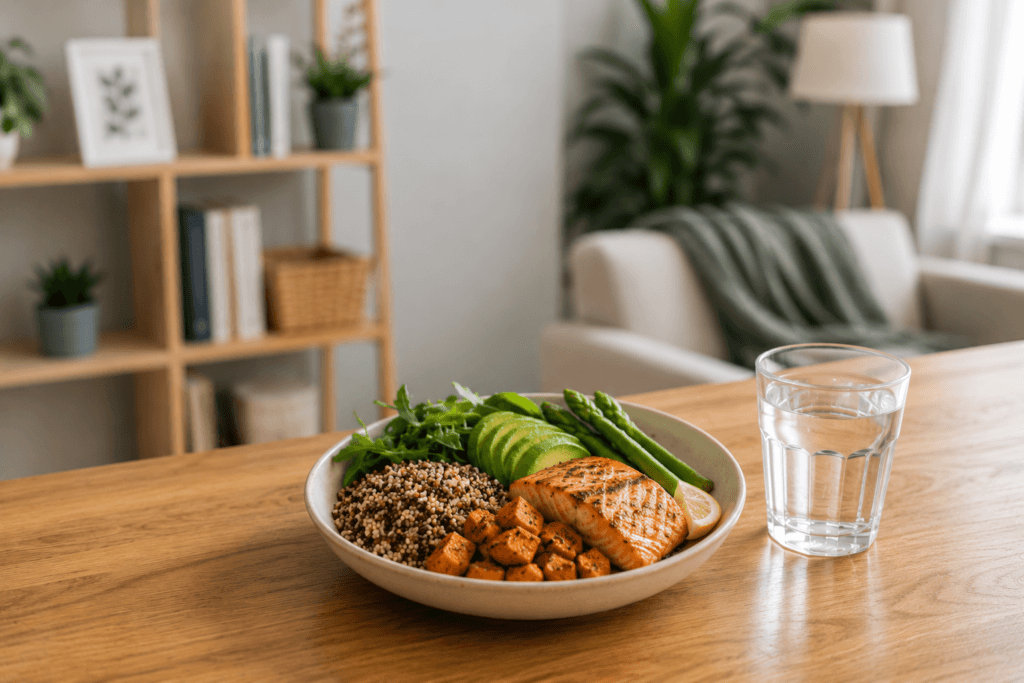
Avocado, olive oil, and a small handful of almonds or walnuts provide heart-healthy unsaturated fats. The key word is small: because fat slows gastric emptying further on top of what semaglutide already does, even healthy fats should be portioned carefully. A quarter of an avocado or a drizzle of olive oil on roasted vegetables is usually well tolerated. A half avocado with a fatty salmon fillet may not be.
GLP-1 Foods to Avoid: What Makes Side Effects Worse
Fried foods, sugary drinks, refined carbohydrates, and high-fat dairy are the most commonly reported dietary triggers for nausea, vomiting, and bloating on GLP-1 medications.
The GLP-1 foods to avoid list is less about nutritional “badness” in the abstract and more about what the stomach physically handles poorly when gastric emptying is already slowed. Fried chicken, French fries, full-fat cheese, cream-based soups, pastries, and sweetened beverages are consistently flagged in clinical dietary guidance as side-effect triggers. Alcohol deserves a specific mention: it irritates the stomach lining directly and interacts poorly with the nausea some patients experience in early weeks of treatment.
| Food Category | Examples | Why It’s Problematic on GLP-1 | Better Alternative | Tolerable Portion (if any) |
|---|---|---|---|---|
| Fried foods | French fries, fried chicken, donuts | High fat content prolongs gastric emptying, worsening nausea | Baked or air-fried versions with minimal oil | Avoid during first 8-12 weeks |
| Sugary beverages | Soda, juice, sweetened coffee drinks | Rapid glucose spike followed by crash; associated with increased GI upset | Still water, sparkling water, unsweetened herbal tea | Not recommended |
| Refined carbohydrates | White bread, pastries, white pasta | Low fiber and nutrient density; quick digestion undermines satiety signals | Oats, brown rice, whole grain bread | Small portions occasionally |
| High-fat dairy | Cream, full-fat cheese, ice cream | Slows digestion further; common nausea trigger reported in clinical settings | Low-fat Greek yogurt, cottage cheese, skim milk | Small amounts if tolerated |
| Processed meats | Hot dogs, bacon, sausage | High saturated fat and sodium; hard to digest; associated with bloating | Turkey breast, grilled chicken, canned tuna | Limit or avoid |
| Alcohol | Beer, wine, spirits | Irritates stomach lining; interacts with nausea; may lower blood sugar | Sparkling water with citrus | Not recommended, especially early in treatment |
According to a 2021 study in the New England Journal of Medicine (STEP 1, Wilding et al., n=1961), participants using semaglutide 2.4 mg lost an average of 14.9% of body weight over 68 weeks compared to 2.4% in the placebo group, with gastrointestinal events being the most common adverse effects reported, underscoring how dietary choices directly influence medication tolerability.The Mayo Clinic states that patients taking semaglutide should eat smaller meals, avoid high-fat and spicy foods, and stay well hydrated to minimize nausea and vomiting, particularly during the dose-escalation phase of treatment.
Alternative Perspectives
Not all clinicians agree on a single GLP-1 diet framework. Some registered dietitians argue that overly restrictive food lists create unnecessary anxiety around eating and that intuitive eating principles, leaning on the medication’s natural appetite suppression rather than rigid meal plans, may support better long-term behavior change for certain patients. The Academy of Nutrition and Dietetics notes that individualized dietary counseling outperforms one-size-fits-all plans, particularly for people managing diabetes alongside weight loss. There is also emerging debate about whether very low-calorie approaches during semaglutide use accelerate muscle loss to a clinically significant degree, with some sports medicine researchers advocating for resistance training protocols as the more important variable. The current evidence base supports protein prioritization and reduced fat intake, but the optimal macronutrient split for GLP-1 users has not been established in long-term randomized trials.
Disclaimer: Nutritional information is approximate and may vary. This content is for informational purposes only and does not constitute medical advice. Consult a registered dietitian or healthcare provider for personalized dietary guidance before making changes to your diet, especially while using prescription medications such as semaglutide.
Frequently Asked Questions
Can I eat normally on Ozempic as long as I’m not overeating?
Eating “normally” may increase side effects if your usual diet is high in fat, sugar, or processed foods. Because semaglutide slows gastric emptying, foods that were previously well tolerated can sit in the stomach long enough to cause nausea or reflux. A shift toward lean protein, vegetables, and low-glycemic carbohydrates is generally recommended to improve tolerability and nutrient density within a smaller caloric volume.
How much protein should I eat per day on a GLP-1 diet plan?
Many clinical dietitians recommend 1.2 to 1.6 grams of protein per kilogram of body weight per day during weight loss on GLP-1 medications, with the goal of preserving lean muscle mass. For a 180-pound (about 82 kg) person, that translates to roughly 98 to 130 grams of protein daily. Spreading intake across three to four small meals is generally better tolerated than consuming it all at once.
Are there specific foods that reduce nausea on Wegovy or Ozempic?
Some people find that bland, low-fat foods like plain crackers, toast, plain rice, bananas, and broth-based soups are easier to tolerate during periods of nausea, particularly in the first weeks of treatment or after a dose increase. Cold or room-temperature foods may also be easier to stomach than hot, aromatic dishes. Staying hydrated with small, frequent sips of water throughout the day is associated with reduced nausea severity, according to Mayo Clinic dietary guidance.
Do I need to follow a special diet forever while on GLP-1 medications?
There is no single mandated GLP-1 diet plan, but dietary habits that reduce side effects and support lean mass preservation (high protein, adequate fiber, reduced saturated fat and added sugar) also broadly align with long-term health recommendations from the USDA Dietary Guidelines. Most clinicians recommend working with a registered dietitian to develop sustainable habits rather than treating the medication period as a temporary restrictive phase, since weight regain is common when semaglutide is discontinued without behavioral support.