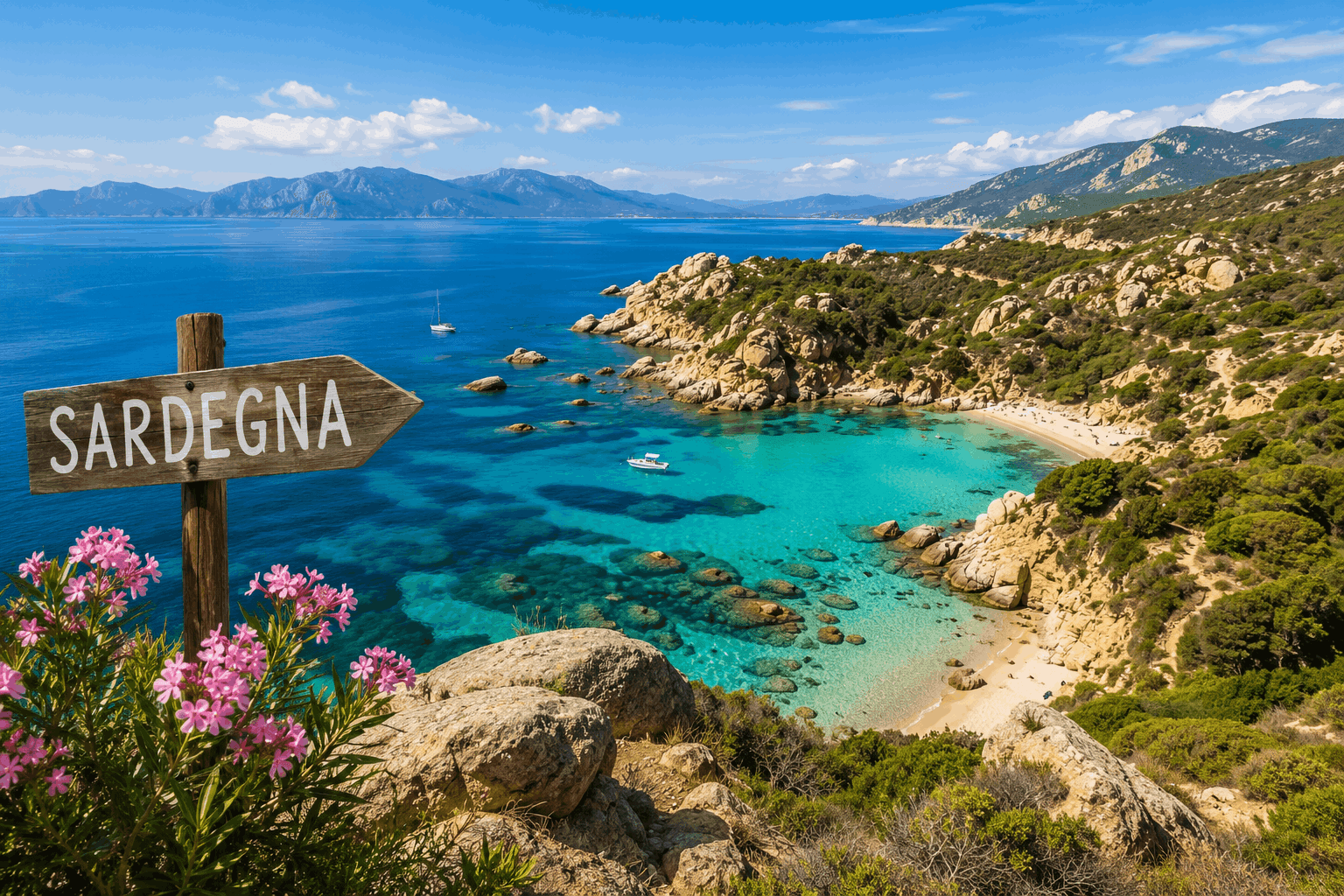
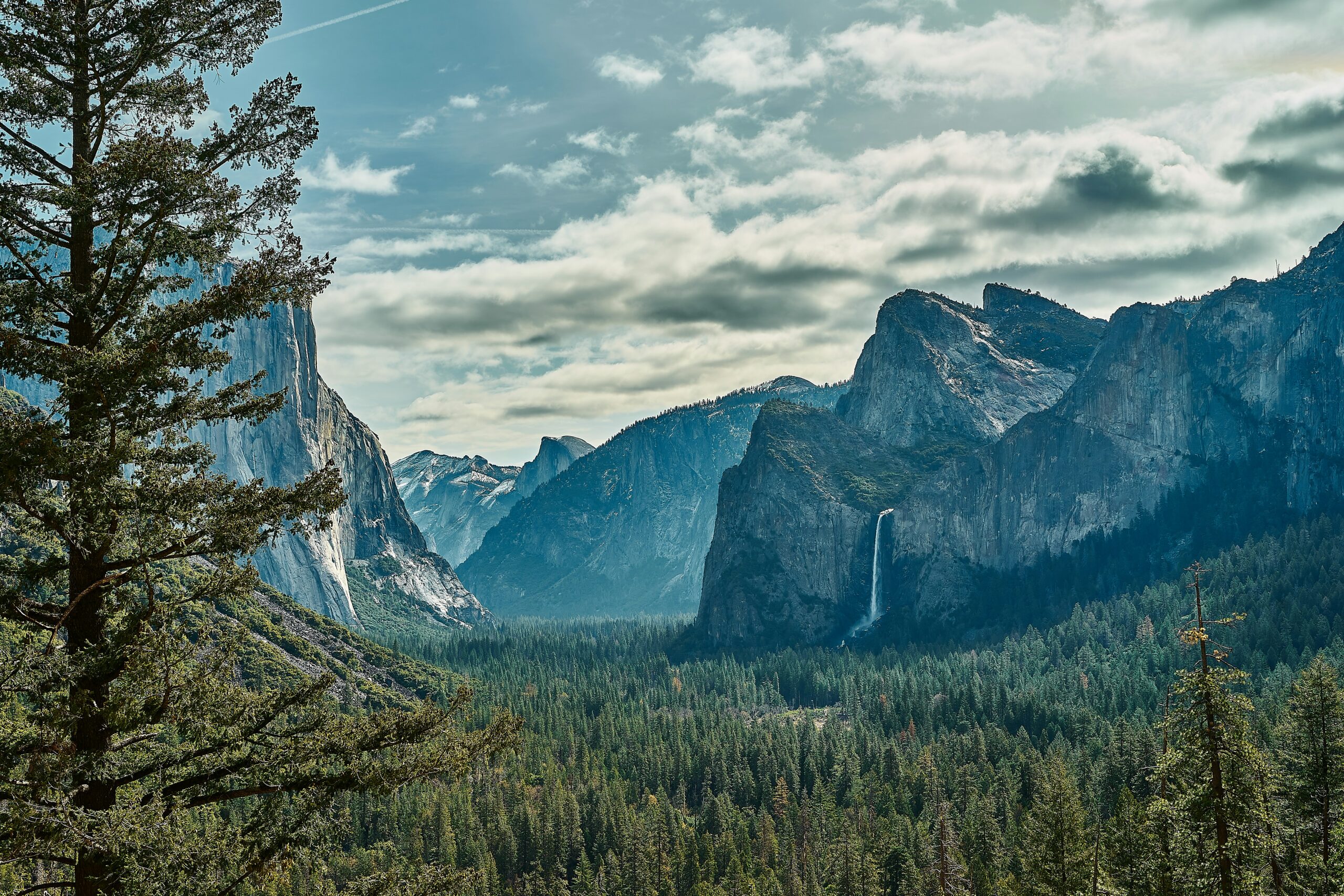
Summer 2026 is shaping up to be one of the most extraordinary travel seasons in American history. As the United States marks its 250th anniversary, the National Park Service is rolling out special programming, commemorative events, and expanded visitor experiences across hundreds of protected lands. Whether you’re planning a multi-week national parks road trip in 2026 or a focused family getaway during summer break, these iconic landscapes offer the perfect backdrop for celebrating America’s milestone. Explore more ideas in our destinations guides and browse all of our travel articles for deeper trip-planning inspiration. Prices and entry requirements are subject to change, so always verify with official sources before booking.
KEY TAKEAWAYS
- Summer 2026 coincides with America’s 250th anniversary, making it one of the most anticipated travel seasons for US national parks with special events and increased visitation expected.
- Early planning is essential: timed-entry reservations, campsites, and park lodges may sell out months in advance at top destinations.
- Great Smoky Mountains National Park is ideal for budget-conscious families thanks to free admission, wildlife viewing, and accessible trails.
- Yellowstone National Park remains a top road-trip destination for geothermal features, wildlife encounters, and iconic landmarks like Old Faithful.
- Grand Canyon National Park delivers bucket-list scenery but requires careful summer heat preparation, especially for inner-canyon hiking.
- Acadia National Park offers cooler coastal weather and family-friendly activities, though reservations are often required during peak season.
- Rocky Mountain National Park is perfect for alpine scenery and wildflowers, but visitors should prepare for high elevation and altitude effects.
- Summer safety matters: heat, altitude, wildlife encounters, and remote conditions require preparation, hydration, and awareness of official park guidance.
- The America the Beautiful Pass can provide major savings for travelers visiting three or more fee-based parks during a 2026 road trip.
- Travelers seeking fewer crowds may benefit from shoulder-season visits or exploring lesser-known parks instead of the most heavily visited destinations.
Why Summer 2026 Is a Once-in-a-Generation Moment for National Park Visitors
America’s 250th anniversary in 2026 brings special commemorative programming to national parks nationwide, making this summer uniquely meaningful for families, history buffs, and outdoor adventurers planning their next big trip.
The America 250th anniversary national parks celebration, anchored by the National Park Service, is expected to draw record visitation. According to the National Park Service, the agency already hosts well over 300 million visits annually, and the semiquincentennial is likely to push that number even higher. That means planning early is essential. Timed-entry reservations, which are now standard at many top parks, are expected to sell out faster than in previous years. Booking campsites and lodges six months or more in advance is strongly recommended for the most popular destinations.
The Best National Parks to Visit Summer 2026: Our Top Picks
From the misty ridges of the Great Smoky Mountains to the geothermal wonders of Yellowstone, these are the standout national parks worth prioritizing for an America 250th anniversary summer trip in 2026.
1. Great Smoky Mountains National Park, Tennessee and North Carolina
Great Smoky Mountains summer 2026 visitors will find the most-visited national park in the country operating at full celebratory capacity. Spanning the border of Tennessee and North Carolina, this park is free to enter, making it one of the most accessible options for families on a budget. Summer temperatures typically hover between 65°F and 85°F at lower elevations, though higher trails can be significantly cooler. Wildlife viewing, including black bear and white-tailed deer sightings, is common along the Cades Cove loop road. The park does not charge an entrance fee, though a parking tag ($5 per day or $15 annually, subject to change) is required at most trailheads.
Pros: No entrance fee, extraordinary biodiversity, accessible trails for all fitness levels. Cons: Extremely high summer crowds, limited cell service, some roads close during peak periods due to congestion.
2. Yellowstone National Park, Wyoming, Montana, and Idaho
Yellowstone remains one of the crown jewels of the national parks road trip 2026 circuit. Home to more than half of the world’s geysers, including the iconic Old Faithful, this park spans nearly 3,500 square miles across three states. Summer entrance fees are approximately $35 per vehicle (subject to change). The America the Beautiful annual pass, available through the National Park Service for approximately $80 per year (subject to change), covers entrance at all federal recreation lands and represents outstanding value for families planning multiple park visits.
Pros: Unmatched geothermal scenery, exceptional wildlife including bison and wolves, historic lodges inside the park. Cons: Very high summer demand, some boardwalk areas can feel crowded, altitude affects some visitors.
3. Grand Canyon National Park, Arizona
Few landscapes in the world rival the sheer scale of the Grand Canyon. Summer temperatures on the South Rim average around 80°F to 90°F, while the inner canyon can exceed 110°F. The CDC’s guidance on outdoor heat exposure recommends starting hikes before sunrise, carrying at least a half-liter of water per hour of hiking, and avoiding canyon descents between 10 a.m. and 4 p.m. in summer. Entrance fees are approximately $35 per vehicle (subject to change). Rim-to-rim hikes require advance planning and a backcountry permit, which are in high demand during summer break.
Pros: Truly bucket-list scenery, multiple visitor centers, ranger-led programs perfect for US national parks family vacation 2026 groups. Cons: Extreme summer heat in the inner canyon is genuinely dangerous, limited water sources below the rim.
4. Acadia National Park, Maine
For families and couples seeking cooler temperatures and a more intimate scale, Acadia is an excellent alternative to the mountain west behemoths. Hugging the rocky Maine coast, Acadia offers cycling on historic carriage roads, sunrise hikes up Cadillac Mountain (the first place in the continental US to see the sunrise during certain months), and charming access to the town of Bar Harbor. Summer highs typically range from 65°F to 80°F. Timed vehicle reservations for the park loop road are required in summer and book up quickly. Vehicle entrance is approximately $35 per car in peak season (subject to change).
Pros: Mild summer temperatures, stunning coastal scenery, kid-friendly carriage roads. Cons: Bar Harbor and surrounding lodging can be expensive, timed reservations add planning complexity.
5. Rocky Mountain National Park, Colorado
Rocky Mountain sits at elevations above 8,000 feet, keeping summer temperatures refreshingly cool, typically between 45°F and 75°F depending on elevation and time of day. Trail Ridge Road, which crests above 12,000 feet, is one of the most dramatic drives in North America and is usually fully open by mid-June. A timed entry permit system is in place for peak summer months; these permits are distributed through Recreation.gov. Vehicle entrance fees are approximately $35 (subject to change). Altitude acclimatization is something all visitors should take seriously, especially those flying in from sea level.
Pros: Spectacular alpine scenery, wildflower blooms peak in July, excellent elk viewing at dawn and dusk. Cons: Altitude sickness can affect visitors who aren’t acclimatized, permits add logistical complexity.
Quick Comparison: Top Parks at a Glance
| Park | State(s) | Approx. Entrance Fee | Avg. Summer High (°F) | Best For | Timed Entry Required? |
|---|---|---|---|---|---|
| Great Smoky Mountains | TN / NC | Free (parking tag required) | 75-85°F | Budget families, wildlife | No (some areas) |
| Yellowstone | WY / MT / ID | ~$35/vehicle | 70-80°F | Geothermal, wildlife | No (lodges book fast) |
| Grand Canyon | AZ | ~$35/vehicle | 80-90°F (Rim) | Iconic scenery, history | No (permits for backcountry) |
| Acadia | ME | ~$35/vehicle | 65-80°F | Cycling, coastal scenery | Yes (loop road) |
| Rocky Mountain | CO | ~$35/vehicle | 55-75°F (varies by elevation) | Alpine hikes, wildflowers | Yes (peak summer) |
All fees are approximate and subject to change. Verify current rates at the National Park Service fee page before your trip.
Health and Safety Tips for Summer Park Visits
Heat, altitude, wildlife, and remote terrain all present real considerations for summer national park visits. Following official guidance helps keep your trip safe and enjoyable.
According to the CDC, heat-related illness is one of the leading causes of weather-related death in the United States. Visitors to hot-weather parks like the Grand Canyon should monitor for symptoms including heavy sweating, weakness, nausea, and confusion, and should seek shade and hydration immediately if any symptoms appear.According to researchers at the Wilderness Medical Society, altitude sickness can begin to affect visitors at elevations as low as 8,000 feet. Symptoms typically include headache, fatigue, and nausea, and the recommended approach is to ascend gradually, stay well-hydrated, and descend if symptoms worsen.
For the most current domestic travel health guidance from the CDC, including heat illness prevention and wildlife encounter safety, review their traveler health resources before your trip. Always tell someone your itinerary when hiking in remote areas and carry a paper map, as cell service is unreliable in most parks.
Is America the Beautiful Pass Worth It in 2026?
For families or travelers planning to visit multiple national parks in summer 2026, the America the Beautiful annual pass offers significant savings compared to paying per-park entrance fees.
At approximately $80 per year (subject to change), the pass covers entrance fees at all National Park Service sites as well as other federal recreation lands managed by the Bureau of Land Management, US Forest Service, and Fish and Wildlife Service. A family visiting three or more fee-charging parks in a single road trip would likely recoup the cost quickly. Senior passes (for US citizens or permanent residents aged 62 and older) are available at a reduced rate, and free passes are available for active military, fourth-grade students through the Every Kid Outdoors program, and people with permanent disabilities. According to the National Park Service, pass details and eligibility requirements are available at their official site.
Alternative Perspectives
Not everyone believes that summer 2026 is the ideal time to visit the most popular parks. Some experienced travelers and conservation advocates argue that the 250th anniversary surge will push already-strained park infrastructure past comfortable limits, particularly at sites like Yellowstone and the Grand Canyon. They suggest that visiting in the shoulder seasons of May or September offers a richer, less crowded experience, lower prices, and a reduced environmental footprint. Others point out that smaller, lesser-known parks in the National Park System, including Congaree in South Carolina, Isle Royale in Michigan, and Great Basin in Nevada, offer genuinely spectacular experiences with a fraction of the crowds, even in summer. The best choice ultimately depends on your priorities, tolerance for crowds, and how much flexibility your schedule allows.
Disclaimer: Travel information including prices, visa requirements, and entry rules may change. Always verify with official government and airline sources before booking.
Frequently Asked Questions
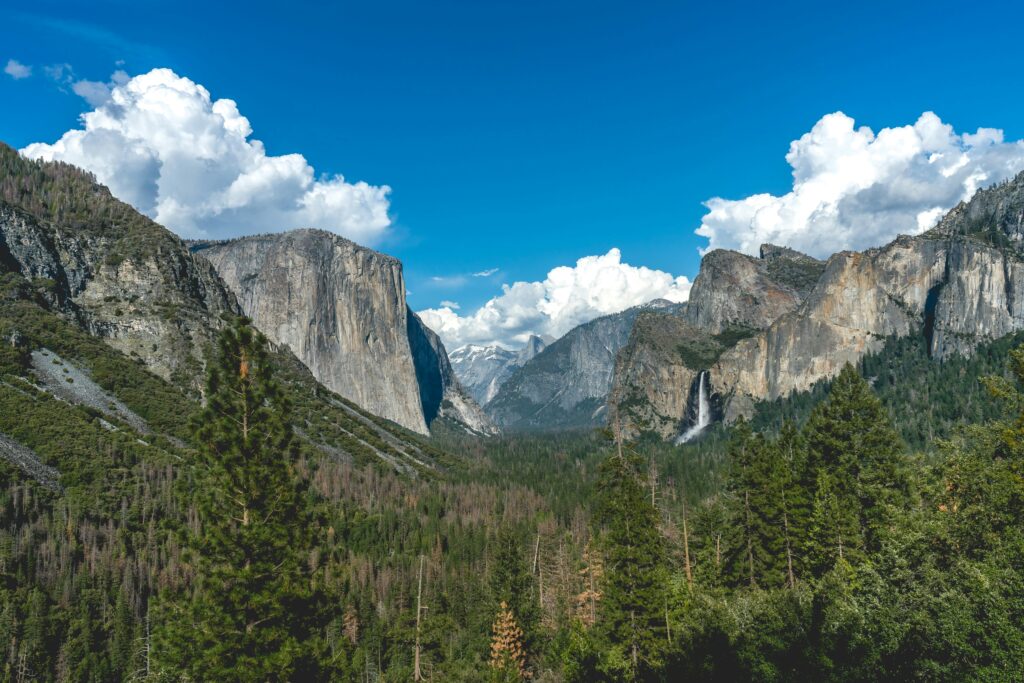
Many popular parks require timed-entry vehicle reservations during peak summer months, including Acadia, Rocky Mountain, and parts of Yosemite. Reservations are typically released on Recreation.gov several months in advance and sell out quickly. Some parks, like Great Smoky Mountains, do not currently require timed entry at the park level, though specific areas may have restrictions. Always check the individual park’s official NPS page for the most current reservation requirements before your trip.
The America the Beautiful pass is an annual interagency pass that covers entrance fees at all federal recreation lands in the United States, including all National Park Service sites. It costs approximately $80 per year for the standard annual pass, with discounted or free versions available for seniors, active military, fourth-grade students, and people with permanent disabilities. Prices are subject to change, so verify the current rate at the official National Park Service website before purchasing.
Great Smoky Mountains, Yellowstone, and Acadia consistently rank among the best national parks for US national parks family vacation 2026 planning, thanks to accessible trails, strong ranger programming, and varied activity levels. Rocky Mountain is also excellent for families comfortable with higher altitudes. The best fit depends on your children’s ages, your budget, and how far you’re willing to drive. The America the Beautiful pass can make a multi-park road trip significantly more affordable for families.
The CDC recommends starting hikes early in the morning before temperatures peak, drinking water consistently even before you feel thirsty, wearing lightweight and light-colored clothing, and knowing the symptoms of heat exhaustion and heat stroke. At parks like the Grand Canyon, inner canyon hiking in summer is particularly hazardous and the National Park Service strongly advises against it during midday hours. Check the CDC’s official heat safety guidance and each park’s specific warnings before your visit, as conditions vary significantly by location and elevation.