If you’ve spent any time on social media lately, you’ve probably come across the term sleepmaxxing. The trend, which encourages people to treat sleep as a performance metric worth obsessing over, has exploded across TikTok and Reddit, with users sharing elaborate bedtime routines, supplement stacks, and biohacking gadgets all in the name of better rest. But how much of it is backed by science? In this article, we take a closer look at the sleepmaxxing movement through the lens of evidence-based research, separating the genuinely useful sleep hygiene basics from the overhyped noise. For more wellness guidance, browse our Health articles.
KEY TAKEAWAYS
- Sleepmaxxing is a viral trend focused on optimizing sleep through routines, supplements, gadgets, and sleep tracking.
- Many popular sleepmaxxing habits are actually supported by science, especially consistent sleep schedules and cooler bedroom temperatures.
- Research suggests adults generally need at least 7 hours of sleep per night for optimal health and recovery.
- Evidence-backed sleep habits include limiting caffeine after early afternoon, reducing blue light exposure before bed, and keeping the bedroom dark and cool.
- Expensive gadgets and extreme biohacking routines are often less important than simple, consistent sleep hygiene practices.
- Supplements like melatonin may help with jet lag or shift work, but evidence for long-term insomnia support remains limited.
- Viral practices such as mouth taping have very limited scientific support and may be risky for people with undiagnosed sleep apnea.
- Experts warn that obsessing over sleep trackers and “perfect” sleep scores can sometimes increase anxiety and worsen sleep quality, a phenomenon known as orthosomnia.
What Is Sleepmaxxing?
Sleepmaxxing is a social media-driven trend in which individuals pursue maximum sleep quality through a combination of behavioral routines, environmental adjustments, and supplementation, often tracking results with wearable devices.
The word itself is a mashup of “sleep” and “maximizing,” and it reflects a broader cultural shift toward optimizing every aspect of physical health. Adherents might wear mouth tape, sleep in total darkness, take magnesium glycinate, and use a temperature-regulating mattress pad, all before 10 p.m. While some of these habits overlap with well-established sleep hygiene recommendations from the Mayo Clinic, others lack meaningful clinical support.
Does Sleepmaxxing Actually Have Any Science Behind It?
Several core sleepmaxxing practices, including consistent sleep schedules, cooler bedroom temperatures, and reduced blue light exposure, are supported by peer-reviewed research, though many trending add-ons remain less studied.
The good news is that the foundation of most sleepmaxxing routines overlaps significantly with what sleep researchers have recommended for years. According to the CDC’s guidelines on sleep duration, adults aged 18 to 60 need at least 7 hours of sleep per night for optimal health. The challenge is that sleepmaxxing communities often layer on unproven interventions on top of that solid foundation.
Sleep Optimization Tips That Research Actually Supports
Below are some of the most commonly cited sleep optimization tips within the sleepmaxxing community, along with what the evidence actually says about each one.
1. Consistent Sleep and Wake Times
This is arguably the single most evidence-backed practice in the entire sleepmaxxing toolkit. Research on circadian rhythm regulation consistently supports going to bed and waking up at the same time every day, including weekends. According to research published on PubMed, irregular sleep timing is associated with poorer metabolic health, mood dysregulation, and reduced cognitive performance.
2. Keeping Your Bedroom Cool
The sleepmaxxing community loves this one, and the science is largely in agreement. Core body temperature naturally drops during sleep onset, and a cooler environment, generally between 60 and 67 degrees Fahrenheit, may support that process. This is one of the sleep hacks that actually works, based on available evidence.
3. Reducing Blue Light Exposure Before Bed
Blue light from screens may suppress melatonin production, potentially making it harder to fall asleep. While the effect size is debated in newer literature, limiting screen use in the 30 to 60 minutes before bed remains a reasonable, low-cost habit with little downside.
4. Darkening the Sleep Environment
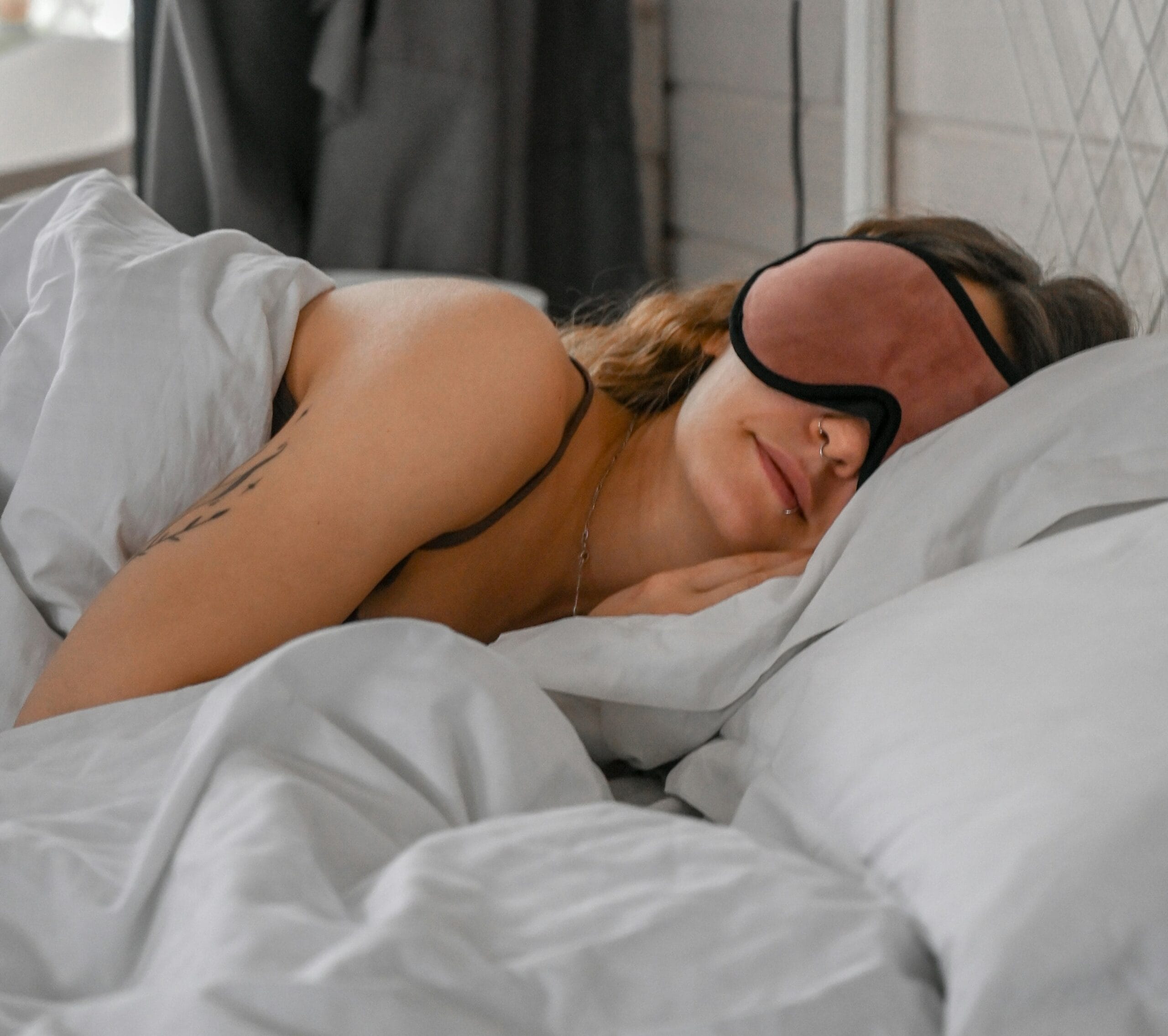
Blackout curtains and sleep masks are affordable sleepmaxxing staples with reasonable support. Exposure to light during sleep, including from streetlights or electronics, has been associated with more fragmented rest in some studies.
5. Limiting Caffeine After Early Afternoon
Caffeine has a half-life of roughly 5 to 6 hours in most adults, meaning a 3 p.m. coffee could still be partially active at 9 p.m. Cutting off caffeine by early afternoon is one of the most widely supported sleep optimization tips across clinical sleep medicine.
A 2013 study published in the Journal of Clinical Sleep Medicine found that consuming caffeine even 6 hours before bedtime significantly reduced total sleep time, suggesting that afternoon coffee habits may be a meaningful but overlooked contributor to poor sleep quality.
What Does the Best Sleep Routine for Adults Actually Look Like?
The best sleep routine for adults combines consistent timing, a cool and dark environment, a pre-bed wind-down period, and avoidance of stimulants, without necessarily requiring expensive gadgets or supplements.
Many sleepmaxxers build elaborate evening protocols, but sleep researchers tend to emphasize simplicity. A practical routine might include dimming lights 60 minutes before bed, avoiding heavy meals within 2 to 3 hours of sleep, engaging in a brief relaxing activity like reading or gentle stretching, and keeping the bedroom reserved for sleep and intimacy only. This kind of structured wind-down aligns closely with Mayo Clinic’s clinical guidance on healthy sleep habits.
Are Sleep Supplements Worth It?
Melatonin, magnesium glycinate, L-theanine, and ashwagandha are among the most popular sleepmaxxing supplements. Melatonin has the strongest research base for specific use cases, particularly for adjusting to shift work or jet lag, though its effectiveness for general insomnia in otherwise healthy adults is more modest. Magnesium may play a role in relaxation, but the evidence for its direct impact on sleep quality in people without a deficiency remains preliminary. Results vary considerably, and supplementation is not a substitute for behavioral changes.
According to the National Institutes of Health, melatonin may help with sleep onset in cases of circadian disruption, such as jet lag or shift work, but evidence for its use in chronic insomnia is less robust, and long-term safety data in adults remains limited.
What About Mouth Taping and Nasal Strips?
Mouth taping, one of the more polarizing sleepmaxxing practices, involves placing tape over the lips during sleep to encourage nasal breathing. Proponents claim it reduces snoring and improves oxygen intake. However, clinical evidence is sparse, and for people with undiagnosed sleep apnea, mouth taping may be harmful. If snoring or breathing issues during sleep are a concern, a consultation with a sleep specialist is the appropriate first step, not tape.
Sleepmaxxing Practices: Evidence Summary Table
| Practice | Evidence Level | Potential Benefit | Risk or Caveat | Recommended By Major Institutions? |
|---|---|---|---|---|
| Consistent sleep schedule | Strong | Regulates circadian rhythm | Minimal if followed consistently | Yes (CDC, Mayo Clinic) |
| Cool bedroom (60-67°F) | Moderate | Supports natural temperature drop during sleep onset | Individual preference varies | Yes (Mayo Clinic) |
| Melatonin supplementation | Moderate (specific uses) | May help with jet lag or shift work | Efficacy for general insomnia is limited | Conditional (NIH) |
| Blue light reduction | Moderate | May support melatonin production | Effect size debated in newer research | Yes (Mayo Clinic) |
| Mouth taping | Very limited | Anecdotal reports of reduced snoring | Potentially unsafe with undiagnosed sleep apnea | No |
| Magnesium supplementation | Preliminary | May support relaxation in deficient individuals | Excess may cause digestive issues | Insufficient evidence for routine use |
How to Improve Sleep Quality Without the Hype
Improving sleep quality does not require expensive gadgets or trendy supplements. Behavioral consistency, environmental adjustments, and stress management remain the most evidence-supported strategies available.
If you’re looking at how to improve sleep quality in a sustainable, research-backed way, the answer looks far less glamorous than most sleepmaxxing content suggests. Cognitive behavioral therapy for insomnia, known as CBT-I, is considered the gold standard treatment for chronic sleep difficulties by many sleep medicine specialists, with stronger long-term outcomes than medication or supplementation for most adults. Meanwhile, regular physical activity, limiting alcohol, and managing stress through practices like mindfulness may all contribute to better rest over time.
Alternative Perspectives
Not everyone views sleepmaxxing positively. Some sleep researchers and clinicians have raised concerns that an excessive focus on sleep metrics, especially through wearable trackers, may paradoxically worsen sleep for some people. This phenomenon, sometimes called orthosomnia, describes a pattern in which anxiety about achieving “perfect” sleep data interferes with the ability to fall and stay asleep naturally. On the other hand, proponents argue that increased public awareness of sleep’s importance is a net positive, and that even imperfect engagement with sleep hygiene may lead people toward healthier habits. Both perspectives are worth holding as you evaluate how much to invest in optimization.
Medical Disclaimer
This article is a journalistic review of social media trends and publicly available scientific literature. It is for informational and educational purposes only and does not constitute medical advice, diagnosis, or treatment.
WideJournal does not provide medical consultations. The trending practices discussed—including supplementation and lifestyle modifications—carry individual health risks. Always consult a primary care physician or a board-certified sleep specialist before altering your wellness routine, starting new supplements, or attempting sleep interventions like mouth taping. Never disregard professional medical advice or delay seeking it because of something you read online.
Frequently Asked Questions
Sleepmaxxing refers to the practice of maximizing sleep quality through a combination of behavioral routines, supplements, and environmental changes. Some core practices, like keeping a consistent sleep schedule and optimizing bedroom temperature, are supported by research. Others, like mouth taping or expensive sleep gadgets, have little to no clinical backing. Results vary based on the individual and the specific practices adopted.
The sleep hacks with the strongest evidence include maintaining a consistent sleep and wake time, keeping your bedroom between 60 and 67 degrees Fahrenheit, reducing exposure to bright and blue light in the hour before bed, avoiding caffeine after early afternoon, and limiting alcohol close to bedtime. These practices align with guidance from institutions like the CDC and Mayo Clinic.
For some people, closely tracking sleep metrics with wearables may increase anxiety around sleep, potentially leading to a condition some researchers call orthosomnia. If monitoring your sleep data causes stress or preoccupation, it may be worth stepping back from tracking and focusing instead on consistent behavioral habits rather than nightly scores.
According to the CDC, adults aged 18 to 60 should aim for at least 7 hours of sleep per night. Older adults and those with certain health conditions may have different needs. Consistently sleeping fewer than 7 hours is associated with a range of health risks, though individual variation exists and quality of sleep also matters alongside quantity.