The advertising landscape shifted decisively in early 2026. OpenAI officially launched an expanded ChatGPT ads platform on May 5, 2026, opening a self-serve Ads Manager to eligible businesses for the first time. Meanwhile, Google’s AI Mode in Search is reshaping how sponsored content reaches users during AI-generated answer sessions. For marketers who want to stay ahead, understanding how to advertise on ChatGPT and Google AI Search is no longer optional. It is foundational to a competitive digital strategy. This guide covers both platforms, walking through setup, targeting, bidding, and creative best practices. For broader context, explore our marketing strategy guides and additional business articles on WideJournal.
Key Takeaways
- ChatGPT ads use conversational context and user intent rather than traditional keyword targeting to determine ad placement.
- OpenAI’s advertising ecosystem in 2026 includes both a self-serve Ads Manager beta and agency-based buying through major holding companies.
- Google AI Search ads are increasingly integrated directly into AI-generated answers rather than appearing only as traditional search placements.
- AI-native advertising requires different creative strategies, with conversational and low-friction messaging generally performing better than aggressive sales copy.
- Google’s AI Max for Search campaigns expands keyword matching and automates creative optimization using Gemini-powered systems.
- ChatGPT advertising currently operates as a premium inventory environment, with CPC and CPM pricing positioned above many traditional search campaigns.
- AI search advertising reduces some targeting transparency, making brand safety and placement auditing more difficult for marketers.
- Businesses entering AI advertising early may gain a competitive advantage as conversational search increasingly influences buying decisions and product discovery.
What Are ChatGPT Ads and How Do They Work?
ChatGPT ads are contextually matched sponsored placements that appear within ChatGPT conversations, served based on the topic and intent of the user’s prompt rather than traditional keyword searches. OpenAI officially expanded this program in May 2026 with a self-serve Ads Manager and CPC bidding options.
Unlike a Google search that triggers ads based on a typed query, ChatGPT ads surface inside an ongoing conversation. If a user asks ChatGPT for recommendations on home gym equipment, a relevant ad from a fitness retailer may appear as a clearly labeled sponsored placement within the response interface. The targeting mechanism is conversational context, meaning the ad system reads the intent and topic of the dialogue rather than isolated keywords.
According to OpenAI’s official announcement on May 5, 2026, the platform now supports a beta self-serve Ads Manager alongside agency buying through major holding companies including Dentsu, Omnicom, Publicis, and WPP. Technology partners such as Adobe, Criteo, Kargo, Pacvue, and StackAdapt are also integrated into the ecosystem, giving advertisers more flexibility in how they plan and measure campaigns.
Who Can Advertise on ChatGPT Right Now?
Access to the self-serve Ads Manager is currently in beta and not universally available. Geographic availability is limited to the US, Canada, Australia, and New Zealand at launch. OpenAI’s ad policies specify that allowed advertiser categories include lifestyle brands, household goods, local services, travel, and digital products or education companies. Disallowed categories include healthcare, financial services, gambling, and political advertising. Businesses operating in restricted sectors should monitor policy updates, as OpenAI has indicated the category list may evolve.
How ChatGPT Ad Bidding Works
The OpenAI Help Center’s ads guide outlines two primary buying options: cost-per-click (CPC) and cost-per-thousand-impressions (CPM). The recommended starting bid for CPC campaigns is $3 to $5, while the default CPM floor is $60. These figures position ChatGPT advertising as a mid-to-premium tier buy, comparable in some respects to LinkedIn or premium display placements rather than broad Google Search bidding. Ads are served through an auction-based system, with conversational relevance factoring into placement decisions alongside bid price.
How to Set Up a ChatGPT Ad Campaign Step by Step
Setting up a ChatGPT ad campaign currently requires either applying for access to OpenAI’s self-serve Ads Manager or working through an agency or technology partner. Campaigns are structured around conversational context targeting, creative assets, and CPC or CPM bidding.
Step 1: Verify Eligibility and Category Compliance
Before building any campaign, confirm your business category is permitted under OpenAI’s ad policies. If you operate in lifestyle, travel, local services, or digital education, you are likely eligible. If your business touches healthcare or financial services, you will need to wait for policy expansion or pursue alternative channels.
Step 2: Access the Ads Manager or Choose a Partner
Eligible advertisers can apply for the self-serve beta through OpenAI’s platform. Businesses with larger budgets or existing agency relationships may find it faster to work directly through Dentsu, Omnicom, Publicis, or WPP, all of which have formal buying relationships with OpenAI. Technology partners like Pacvue and StackAdapt may also offer managed access for brands already using those platforms for Amazon or retail media advertising.
Step 3: Build Creatives for Conversational Placement
Ad creative for ChatGPT placements needs to match the informational, low-pressure tone of a conversation. Hard-sell or interruptive formats are likely to underperform in this environment. Focus on clear value propositions, concise copy, and landing pages that deliver on the promise made in the conversational context. OpenAI’s brand safety guidelines require transparent labeling of sponsored content, so all placements will be clearly marked as ads to users.
Step 4: Set Bids and Define Targeting Parameters
Use the Ads Manager to define your conversational topic targeting (the subject areas where you want your ads to appear), set your CPC bid in the $3 to $5 range as a starting point, and establish daily or campaign-level budget caps. Monitor impression share and click-through rates during the first two weeks and adjust bids based on performance data.
How Google AI Search Ads Are Changing in 2026
Google is integrating new AI-native ad formats directly into AI Mode search results, including Conversational Discovery ads, Highlighted Answers, and AI-powered Shopping ads with native checkout, all announced at Google Marketing Live 2026.
Google is not standing still while OpenAI builds its ad business. At Google Marketing Live 2026, the company announced a new generation of ad formats designed specifically for AI-generated search experiences. According to Google’s official Marketing Live blog post, new formats include Conversational Discovery ads, Highlighted Answers, AI-powered Shopping ads with Direct Offers and native checkout, and Promotion Bundling powered by Gemini. These placements appear within AI Mode search results, which generate synthesized answers to complex queries rather than traditional ten-blue-link pages.
To understand how these changes affect who sees your ads and why, it helps to understand the buyer side of this equation. Read our coverage of how AI shopping agents are changing online retail for context on how consumers are now delegating purchase decisions to AI systems, which directly affects where and how advertising needs to show up.
What Is AI Max for Search Campaigns?
Google’s 2026 advertising strategy overview introduced AI Max for Search campaigns, a campaign type that uses Gemini-powered tools to automatically expand keyword matching, generate ad copy variations, and optimize bids across AI Mode placements. For advertisers already running Performance Max or Smart Bidding campaigns, AI Max represents an incremental shift rather than a complete rebuild, but the targeting logic and placement inventory are meaningfully different from classic search campaigns.
How to Adapt Your Google Ads Strategy for AI Mode
Standard keyword-focused campaign structures remain relevant, but Google is increasingly routing AI Mode queries through broad match and AI Max systems rather than exact match keywords. Advertisers should audit their negative keyword lists carefully to avoid irrelevant AI Mode placements, expand their creative asset libraries to give Gemini more material to work with for automated ad generation, and enable conversion tracking with enhanced conversions to give Google’s bidding algorithms accurate performance signals.
Platform Comparison: ChatGPT Ads vs. Google AI Search Ads in 2026
ChatGPT and Google AI Search ads differ significantly in targeting methodology, bidding structure, available categories, and current scale. The table below compares verified platform data as of May 2026.
| Feature | ChatGPT Ads (OpenAI) | Google AI Search Ads |
|---|---|---|
| Targeting Method | Conversational context (topic of dialogue) | Keywords, audience signals, AI Max expansion |
| Buying Options | CPC (recommended $3-$5 start) and CPM ($60 default floor) | CPC, CPM, Target CPA, Target ROAS, Smart Bidding |
| Self-Serve Access | Beta Ads Manager (limited rollout) | Google Ads platform (broadly available) |
| Allowed Categories | Lifestyle, household, local services, travel, digital/education | Broad categories with standard Google Ads policies |
| Restricted Categories | Healthcare, financial, gambling, political | Standard restricted categories (firearms, adult, etc.) |
| Agency/Partner Access | Dentsu, Omnicom, Publicis, WPP; Adobe, Criteo, Kargo, Pacvue, StackAdapt | All certified Google Partners and agencies |
| Geographic Availability | US, Canada, Australia, New Zealand | Global (AI Mode expanding by market) |
Tools and AI Assistants for Building and Optimizing Your Campaigns
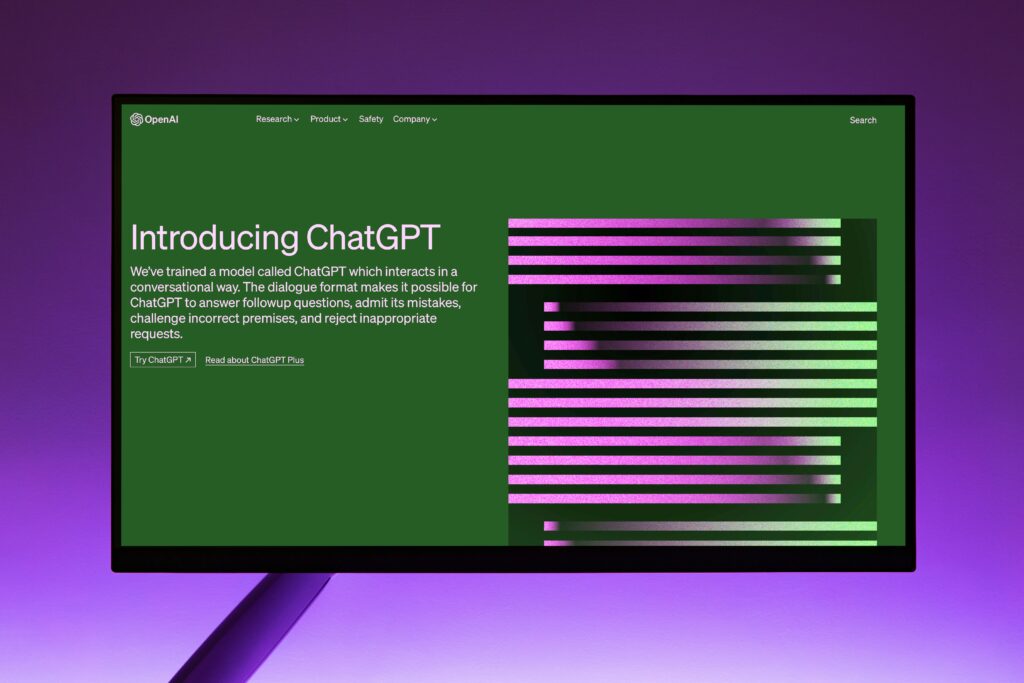
AI productivity tools can significantly streamline the process of building ad creatives, researching conversational topics, and analyzing campaign data for both ChatGPT and Google AI Search placements.
Running effective campaigns on either platform requires more than just logging into an ads manager. You need research, creative production, landing page optimization, and ongoing performance analysis. For a curated breakdown of software that can accelerate each of these tasks, see our guide to the best AI productivity tools for business in 2026. Tools that assist with copy generation, audience research, and bid automation can compress the time between campaign setup and meaningful data accumulation.
“According to the Interactive Advertising Bureau (IAB), contextual advertising adoption accelerated significantly as third-party cookie deprecation progressed, with conversational context emerging as a primary targeting signal in AI-native ad environments entering 2026.”
“According to the Federal Trade Commission (FTC), all sponsored content presented within AI-generated responses must be clearly and conspicuously disclosed as advertising, consistent with existing endorsement and disclosure guidelines that apply regardless of the medium.”
Alternative Perspectives
Not every marketing professional sees AI search advertising as a straightforward upgrade. Some practitioners argue that the opacity of conversational targeting makes it difficult to audit ad placements and verify brand safety at scale, particularly for categories adjacent to disallowed topics. Others point out that CPM floors of $60 on ChatGPT may price out small and mid-size businesses during the beta period, concentrating early-mover advantage with enterprise brands. On the Google side, some advertisers have expressed concern that AI Max campaign automation reduces granular control over where ads appear, making it harder to isolate which placements actually drive conversions. These are legitimate tradeoffs, and businesses should weigh the scale of reach against the reduced transparency before committing significant budget to either platform.
Frequently Asked Questions
Small businesses in eligible categories (lifestyle, local services, travel, household goods, digital products, and education) may apply for the self-serve beta Ads Manager. However, the recommended starting CPC of $3 to $5 and CPM floor of $60 mean that meaningful reach may require a modest daily budget. Businesses with smaller budgets may also access the platform through technology partners like Pacvue or StackAdapt, which may offer managed service options.
No. As of May 2026, OpenAI’s ad policies explicitly exclude healthcare advertising from the ChatGPT ads platform. Financial services, gambling, and political advertising are also disallowed. Healthcare brands should continue using Google Ads, Meta, and compliant programmatic channels while monitoring OpenAI’s policy updates for potential category expansion.
Google AI Mode generates synthesized, paragraph-style answers to complex queries rather than a traditional list of links. Ad formats in this environment, including Conversational Discovery ads, Highlighted Answers, and AI-powered Shopping ads with native checkout, are designed to integrate into that answer format. Standard text ads may still appear at the top or bottom of an AI Mode result, but the new formats are specifically built for the conversational layout and agentic commerce behaviors that define AI-era search.
For Google, existing Search and Performance Max campaigns may serve into AI Mode placements automatically depending on your settings, but activating AI Max for Search campaigns gives you the most control and access to Gemini-powered creative tools. For ChatGPT, existing Google or Meta campaigns do not carry over. You will need to build new campaigns in OpenAI’s Ads Manager or through a platform integration partner, since the targeting logic and creative requirements are distinct from keyword-based systems.
Disclaimer: This guide is based on verified platform data, official announcements, and beta features available as of May 2026. Because AI advertising technologies and policies (including OpenAI’s ad rules and Google’s AI Mode formats) are evolving rapidly, features, pricing floors, and category eligibility may change without notice. The financial figures and strategies discussed are for informational purposes only and do not guarantee specific campaign performance. Always consult the official OpenAI Help Center and Google Ads documentation for the most up-to-date requirements before committing advertising budget.