Starting a GLP-1 medication like Ozempic or Wegovy changes more than your appetite. It changes your entire relationship with food. With reduced hunger signals and smaller portion tolerance, every bite matters more than it ever did before. Getting your nutrition right may support better outcomes, help preserve muscle mass, and reduce some of the uncomfortable side effects that come with semaglutide use. For more background on eating well during medical weight management, explore our nutrition guides and broader health articles at WideJournal.
This guide focuses on practical, evidence-informed food choices for people using semaglutide-based medications. As always, individual needs vary, and working with a registered dietitian or healthcare provider is strongly recommended before making significant dietary changes.
Key Takeaways
- Appetite suppression from GLP-1 medications like Ozempic and Wegovy makes nutrient density significantly more important during weight loss treatment.
- Prioritizing protein intake may help support lean muscle preservation while overall calorie intake decreases on semaglutide.
- Smaller, slower meals with lean protein, fiber-rich vegetables, and hydration are often better tolerated than large meals.
- Fried foods, sugary beverages, alcohol, and heavily processed snacks commonly worsen nausea, bloating, or digestive discomfort during GLP-1 treatment.
- Fiber intake supports digestive health, but increasing fiber too quickly may temporarily worsen bloating for some individuals.
- Whole-food carbohydrates such as oats, legumes, quinoa, fruit, and vegetables generally provide more stable energy and nutritional value than refined carbohydrates.
- Nutritional needs may evolve over time as medication dosage, body weight, appetite levels, and activity patterns change.
- Working with a registered dietitian or healthcare provider can help identify potential nutrient deficiencies and personalize long-term nutrition strategies during GLP-1 treatment.
How GLP-1 Medications Affect Your Eating Habits
GLP-1 receptor agonists like semaglutide slow gastric emptying and reduce appetite signals, which means most people eat significantly less. This makes food quality especially important to avoid nutritional gaps.
Semaglutide mimics a naturally occurring hormone called glucagon-like peptide-1, which plays a role in regulating blood sugar and signaling fullness to the brain. According to the Mayo Clinic’s clinical overview of semaglutide, the medication slows how quickly food leaves the stomach, which contributes to prolonged feelings of fullness and reduced overall caloric intake.
That reduction in intake is precisely why a thoughtful GLP-1 nutrition plan becomes so critical. Eating less without eating well can lead to deficiencies in protein, fiber, vitamins, and minerals that your body still needs in full supply, even as calorie totals drop.
Why Nutrient Density Becomes Your Top Priority
When your appetite is suppressed, there is little room for empty calories. Foods that are high in calories but low in nutrients, such as chips, soda, or heavily processed snacks, can fill your reduced stomach capacity without delivering meaningful nutrition. Prioritizing nutrient-dense foods on a GLP-1 plan means choosing options that pack protein, fiber, healthy fats, vitamins, and minerals into every small portion.
What to Eat on Ozempic: Best Food Categories
The best foods to eat on Ozempic or Wegovy are high in protein, rich in fiber, and easy to digest in smaller portions. Lean proteins, non-starchy vegetables, whole grains, and healthy fats form the foundation of a supportive eating on semaglutide approach.
Lean Proteins to Preserve Muscle Mass
One of the most consistent concerns raised by researchers studying GLP-1 medications is the risk of muscle loss alongside fat loss, particularly when calories drop significantly. Consuming adequate protein may help counteract this effect.
A 2021 study published in The New England Journal of Medicine found that participants using semaglutide lost an average of nearly 15% of their body weight over 68 weeks. However, researchers noted that maintaining adequate protein intake and physical activity remained important to preserving lean body mass during treatment.
Good lean protein sources for people eating on semaglutide include skinless chicken and turkey, fish and shellfish, eggs and egg whites, low-fat Greek yogurt, cottage cheese, tofu, and legumes like lentils and chickpeas. Because portions are smaller, choosing high-protein options at each meal becomes especially important.
Fiber-Rich Foods for Digestive Comfort
Gastrointestinal side effects, including nausea, constipation, and bloating, are among the most commonly reported experiences with GLP-1 medications. Fiber supports regular digestion, though it is worth noting that very high fiber intake at once can worsen bloating for some people during the early adjustment period. Introducing fiber gradually tends to work better.
Vegetables like broccoli, spinach, zucchini, and bell peppers are excellent choices. Legumes, oats, berries, and apples also provide soluble fiber that supports gut health. The USDA Dietary Guidelines for Americans recommend adults aim for 22 to 34 grams of fiber per day, depending on age and sex, according to the USDA Dietary Guidelines.
Healthy Fats in Moderate Amounts
Because GLP-1 medications already slow gastric emptying, very high-fat meals can sometimes intensify nausea and discomfort. That said, healthy fats from sources like avocado, olive oil, nuts, and fatty fish remain important for absorbing fat-soluble vitamins (A, D, E, and K) and supporting overall metabolic health. Keeping fat portions modest and pairing them with protein and vegetables tends to work well for most people on this medication.
Whole Grains Over Refined Carbohydrates
Refined carbohydrates like white bread, sugary cereals, and pastries digest quickly and offer limited nutritional return. Whole grains such as oats, quinoa, brown rice, and whole wheat bread provide fiber, B vitamins, and longer-lasting energy. For people managing blood sugar alongside weight, which is common among Ozempic users with type 2 diabetes, choosing whole grains over refined ones may support more stable glucose levels throughout the day.
Foods to Limit or Avoid on a Wegovy Diet Guide
Certain foods are more likely to trigger nausea, bloating, or blood sugar spikes when combined with semaglutide. Highly processed foods, high-fat fried items, sugary beverages, and alcohol are commonly flagged as poor choices during GLP-1 treatment.
High-Fat and Fried Foods
Fried foods, heavily marbled meats, and full-fat dairy in large quantities slow digestion even further on top of what semaglutide already does. This can contribute to nausea, reflux, or an uncomfortable feeling of fullness that lingers too long. Many people on GLP-1 medications report that these foods become less appealing naturally, but being intentional about limiting them from the start may help reduce early side effects.
Sugary Beverages and Ultra-Processed Snacks
Liquid calories from soda, juice, sweetened coffee drinks, and sports drinks offer virtually no nutritional value and can spike blood sugar without triggering the same fullness response as whole foods. Ultra-processed snack foods designed to be hyperpalatable may also override the appetite-suppressing effects of semaglutide for some people. Research on ultra-processed food consumption and metabolic outcomes continues to grow. According to the National Institutes of Health, diets high in ultra-processed foods have been associated with a range of adverse health outcomes in observational studies.
Alcohol
Alcohol can interact with blood sugar regulation and may worsen some GI side effects. It also contributes calories with no nutritional benefit. People using semaglutide for type 2 diabetes management should speak with their prescribing physician about alcohol use specifically, as the interaction with glucose metabolism warrants individual guidance.
Practical Meal Structure Tips for Eating on Semaglutide
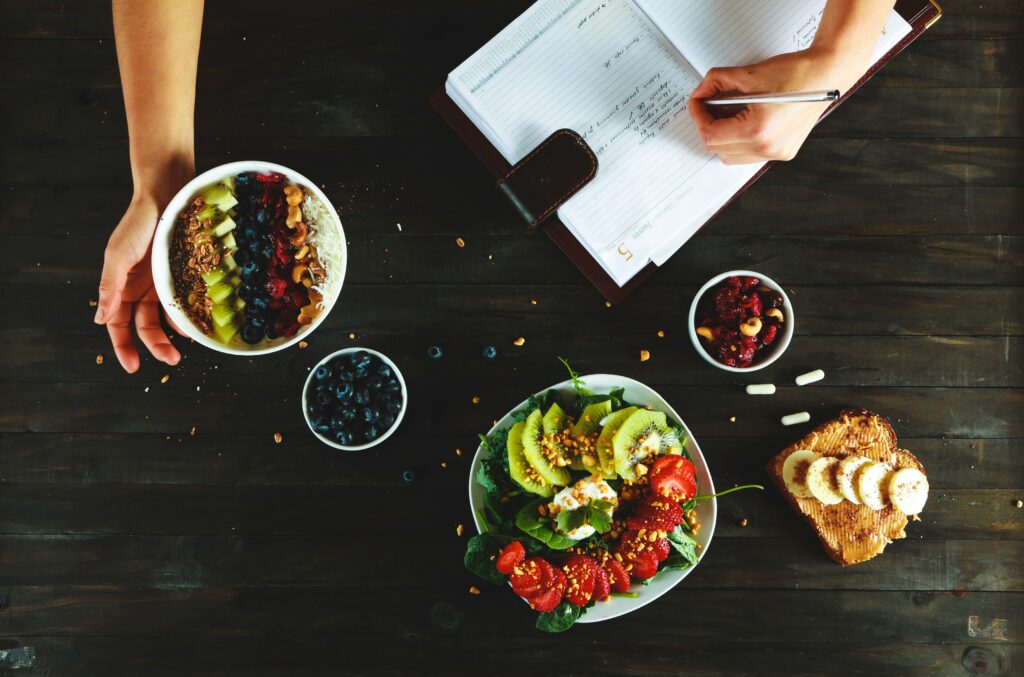
Smaller, more frequent meals with a focus on protein and vegetables tend to work better than traditional three large meals a day when using GLP-1 medications. Staying hydrated and eating slowly also supports comfort and better nutrient absorption.
Smaller Portions, More Frequently
Rather than forcing three full meals when appetite is low, many people find that eating four to five smaller meals or structured snacks throughout the day works better. This approach supports consistent protein and nutrient intake without overwhelming the stomach at any one time.
Eating Slowly and Mindfully
Semaglutide users often report that eating too quickly leads to sudden and intense nausea or discomfort. Slowing down, chewing thoroughly, and stopping at the first sign of fullness (rather than finishing what is on the plate) may help reduce these episodes significantly.
Staying Well Hydrated
Dehydration can worsen constipation and fatigue, both of which may already be present as adjustment-period side effects. Aiming for consistent water intake throughout the day, rather than large amounts at once, supports digestion and general wellbeing. Drinking large amounts of fluid immediately before or during meals can also crowd out food volume and reduce nutrient intake.
Nutrient-Dense Foods GLP-1 Quick Reference
| Food Category | Best Examples | Key Nutrient Benefit | GLP-1 Consideration | Portion Guidance |
|---|---|---|---|---|
| Lean Protein | Chicken breast, salmon, Greek yogurt, eggs, tofu | Supports muscle preservation during weight loss | High priority at every meal | 3 to 5 oz per meal |
| Non-starchy Vegetables | Spinach, broccoli, zucchini, bell peppers, cucumber | Fiber, vitamins, minerals, low calorie density | Introduce gradually to manage bloating | Half of the plate when tolerated |
| Whole Grains | Oats, quinoa, brown rice, whole wheat bread | Sustained energy, B vitamins, fiber | Choose over refined carbohydrates | Quarter cup to half cup cooked |
| Healthy Fats | Avocado, olive oil, walnuts, chia seeds, fatty fish | Fat-soluble vitamin absorption, anti-inflammatory | Keep portions moderate to limit nausea | 1 tablespoon oil, quarter avocado |
| Legumes | Lentils, chickpeas, black beans, edamame | Plant protein and fiber combined | Introduce slowly, may increase gas initially | Quarter to half cup per serving |
| Low-Fat Dairy or Alternatives | Cottage cheese, kefir, fortified plant milks | Calcium, vitamin D, probiotics | Supports bone health during calorie restriction | Half cup to one cup |
Do Nutritional Needs Change Over Time on GLP-1 Medications?
As body weight changes and medication dosage adjusts over months of GLP-1 treatment, nutritional needs may shift. Regular check-ins with a registered dietitian can help ensure the eating plan keeps pace with those changes.
According to the Academy of Nutrition and Dietetics, individuals experiencing significant caloric restriction should pay particular attention to protein adequacy and micronutrient intake, including calcium, vitamin D, iron, and B12, to reduce the risk of deficiency during weight loss. Working with a registered dietitian nutritionist is recommended for individualized guidance.
According to the Academy of Nutrition and Dietetics, people losing weight through caloric restriction, including those using GLP-1 medications, may benefit from periodic nutritional assessments to check for micronutrient gaps. Blood work ordered by a healthcare provider can identify deficiencies in vitamin D, B12, iron, and other nutrients before they become problematic. For additional guidance on meeting protein and micronutrient needs during caloric restriction, the Academy of Nutrition and Dietetics provides resources and a dietitian-finder tool for those seeking professional support.
Alternative Perspectives
Not all nutrition researchers agree on the ideal dietary approach during GLP-1 treatment. Some clinicians advocate strongly for high-protein, lower-carbohydrate eating patterns to maximize muscle preservation and glycemic stability. Others argue that whole-food, plant-forward diets with adequate protein offer benefits beyond weight loss, including cardiovascular and gut health improvements. There is also ongoing debate about whether the appetite suppression from semaglutide is sufficient on its own, or whether structured dietary intervention adds meaningful additional benefit. The current evidence base supports prioritizing protein and fiber, but the optimal macronutrient ratio for GLP-1 users has not been definitively established in large-scale clinical trials. Individual response to both the medication and dietary strategies varies considerably, and what works well for one person may need adjustment for another.
Medical Disclaimer
This article is intended for general informational and educational purposes only and does not constitute medical advice, diagnosis, treatment, nutritional counseling, or individualized healthcare guidance. GLP-1 medications such as Ozempic, Wegovy, and semaglutide may affect appetite, digestion, blood sugar regulation, nutrient intake, and medication tolerance differently from person to person. Nutritional needs, protein requirements, supplementation decisions, and dietary tolerances vary significantly depending on medical history, kidney function, diabetes status, medications, activity level, and overall health condition.
Readers should consult a licensed physician, endocrinologist, registered dietitian, or other qualified healthcare professional before making significant dietary changes, adjusting protein intake, starting supplements, or modifying treatment plans while using GLP-1 medications. Never ignore professional medical advice or delay seeking care because of information presented in this article. Any dietary strategies, food recommendations, or nutritional examples discussed are general educational references only and should not replace individualized medical guidance.
Frequently Asked Questions About the GLP-1 Nutrition Plan
Bland, low-fat, easy-to-digest foods tend to be best tolerated during the early weeks of semaglutide use. Options like plain oatmeal, scrambled eggs, steamed vegetables, broth-based soups, and small amounts of lean protein are generally well tolerated. Avoiding fried foods, very spicy dishes, and large portion sizes may also help reduce nausea episodes. Eating slowly and stopping when you feel full rather than finishing a plate is strongly recommended.
Exact protein needs vary based on body weight, activity level, and individual health conditions, so consulting a registered dietitian is the most reliable path to a personalized number. As a general reference, many clinicians recommend at least 0.6 to 0.8 grams of protein per pound of goal body weight during active weight loss to help preserve muscle. Spreading protein intake across multiple smaller meals throughout the day tends to support better absorption than concentrating it in one or two sittings.
Yes. Carbohydrates are not categorically off-limits for people eating on semaglutide. The key distinction is between refined carbohydrates, like white bread, pastries, and sugary beverages, and complex, whole-food carbohydrates like oats, quinoa, legumes, and fruit. Whole food carbohydrates provide fiber, vitamins, and longer-lasting energy, and research suggests they support better blood sugar management. People with type 2 diabetes using Ozempic should follow individualized carbohydrate guidance from their healthcare provider.
Possibly, depending on dietary intake and lab results. Because overall food consumption decreases significantly on semaglutide, some people may not meet recommended daily intakes for nutrients like vitamin D, calcium, B12, and iron through food alone. A healthcare provider can order blood work to assess levels and recommend supplementation if needed. A general multivitamin may be a reasonable precaution for many people, but specific supplements should be chosen based on individual deficiency data rather than assumptions.