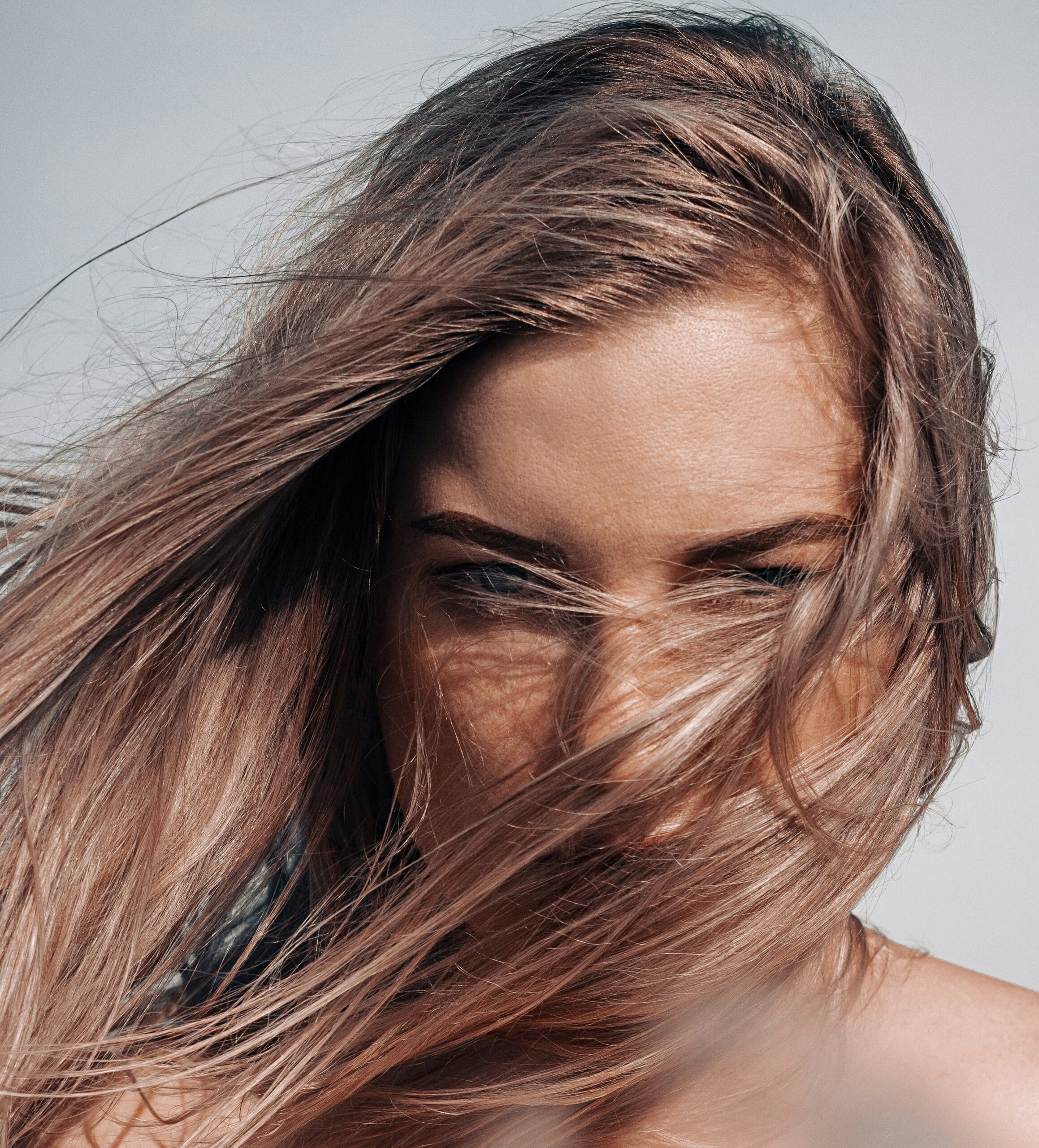
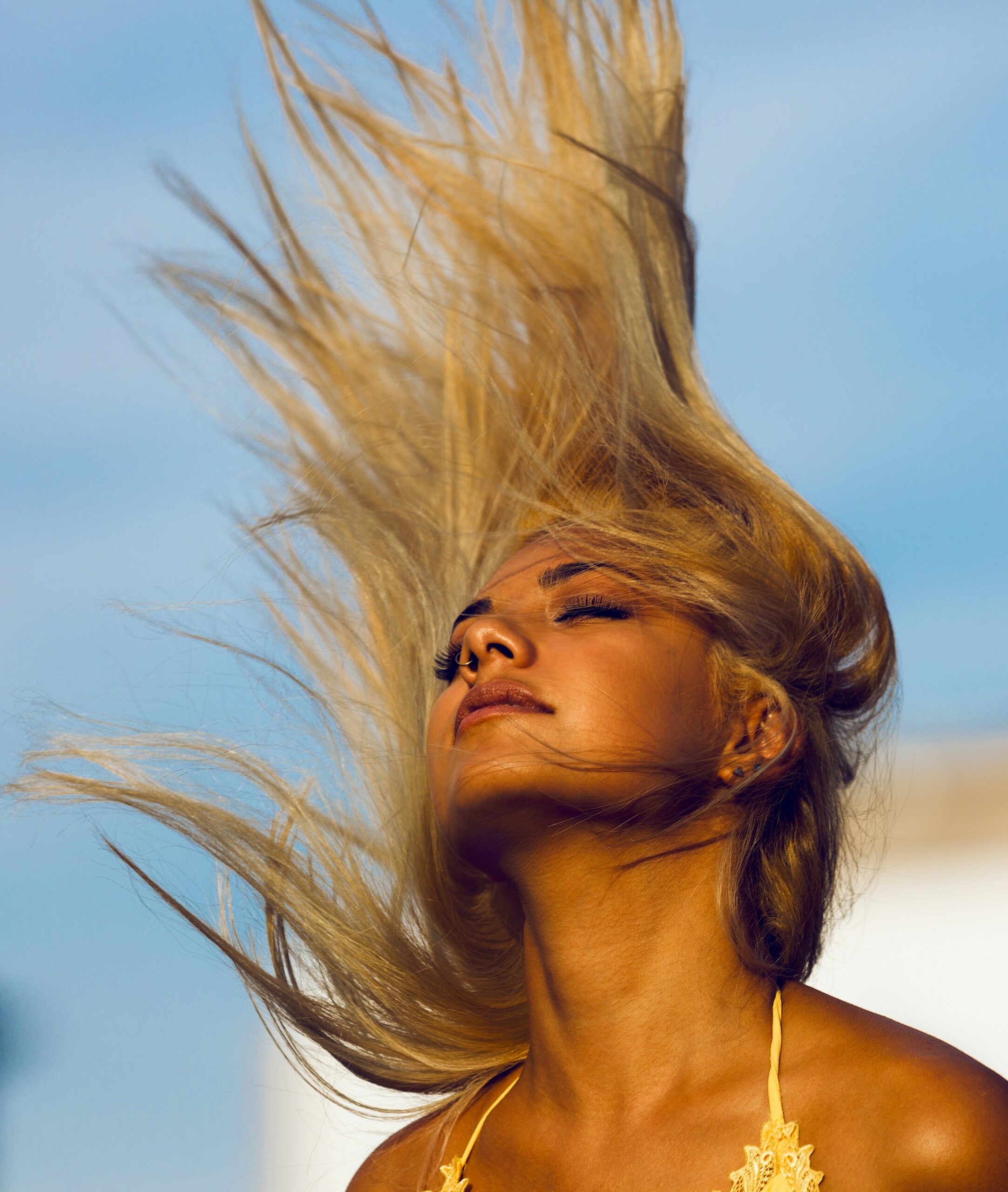
Summer is the season most color-treated hair dreads most. Between long days at the pool, beach weekends, and relentless UV exposure, the vibrant shade you invested in at the salon can fade, shift, or turn brassy in a matter of weeks. If you’ve ever stepped out of the ocean and watched your balayage go from warm honey to washed-out straw, you already know the damage is real. This guide pulls together what the science says, what actually works, and which products are worth your money in 2026. For more hair care tips and guides, and to browse our full library of beauty articles, explore the WideJournal hub.
Key Takeaways
- UV rays, chlorine, and salt water each damage color-treated hair differently, accelerating fading, dryness, and breakage during summer months.
- Color-treated hair is more porous than untreated hair, making it more vulnerable to environmental stress and pigment loss.
- Wetting hair with clean water before swimming may reduce chlorine and salt absorption by saturating the hair shaft first.
- UV-protective leave-in sprays, hair oils, and wide-brim hats can help reduce sun-related color fading and protein degradation.
- Clarifying or chelating shampoos with ingredients like EDTA may help remove chlorine, minerals, and buildup after frequent swimming.
- Weekly deep-conditioning and bond-building masks can support moisture retention and strengthen chemically processed hair exposed to summer stressors.
- DIY remedies like coconut oil may help reduce protein loss, but they do not replace scientifically formulated UV-protective hair products or proper after-sun hair care.
Why Does Summer Wreck Color-Treated Hair?
UV radiation, chlorine, and salt water each degrade hair color through distinct chemical processes, and color-treated strands are significantly more porous and vulnerable than untreated ones, making summer a high-risk season for fade and fiber damage.
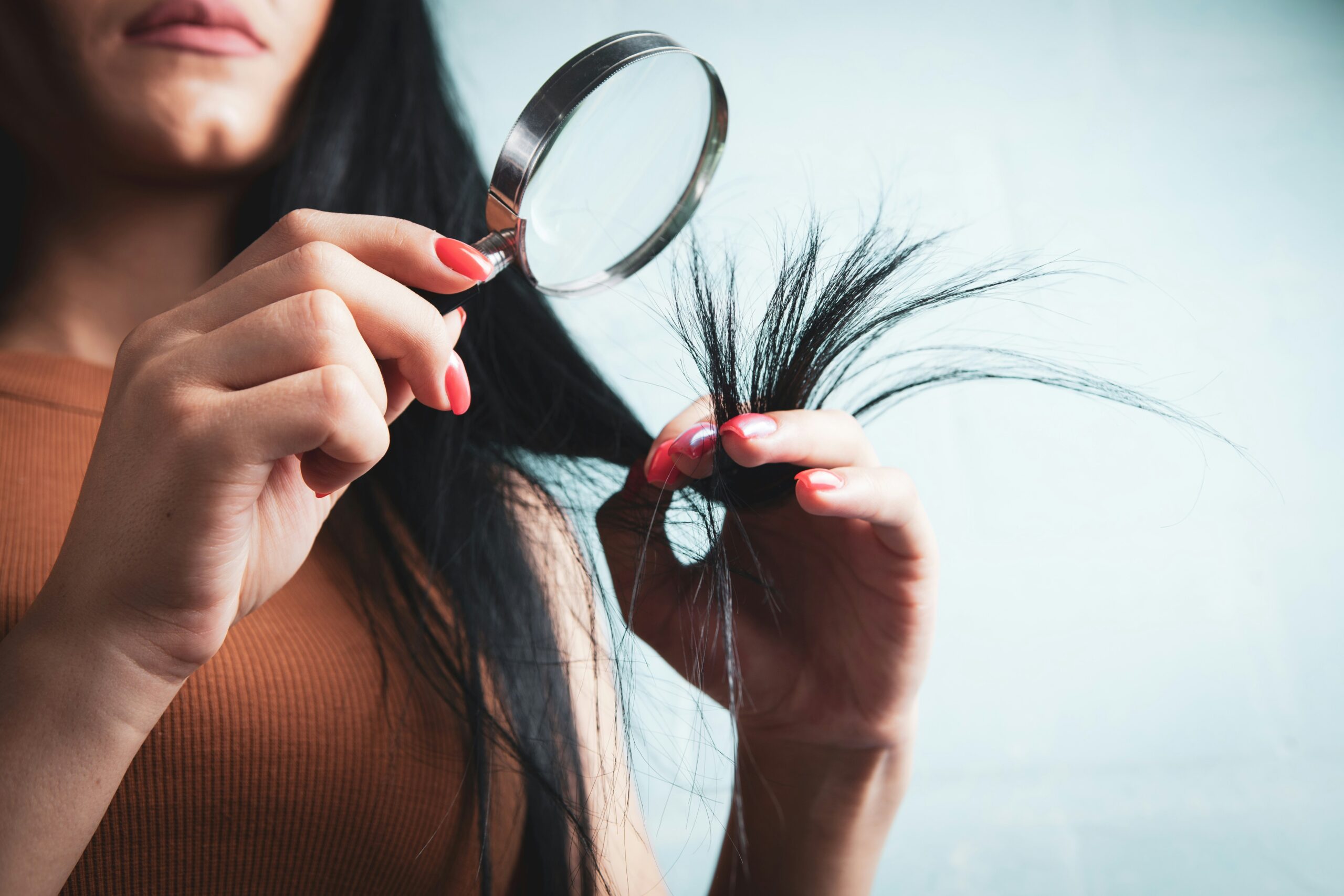
Color-treated hair is chemically altered at the cortex level. Permanent dye processes lift the cuticle and modify the melanin structure, which leaves the fiber more porous and less protected against environmental aggressors. Three primary summer threats each attack the hair in a different way.
UV Radiation and Color Fade
Ultraviolet light, specifically UVB and UVA rays, breaks down the synthetic dye molecules deposited in the cortex through a process called photo-oxidation. This is the same mechanism that fades your car upholstery and patio furniture. According to the American Academy of Dermatology, UV exposure affects not just the scalp skin but the hair fiber itself, degrading proteins and pigment over repeated exposure. Darker shades like reds and burgundies are particularly susceptible because their larger dye molecules absorb more light energy.
A study published in the International Journal of Trichology and indexed on PubMed found that UV irradiation causes significant degradation of both melanin and synthetic dye molecules in hair fibers, with color-treated strands showing measurably higher protein loss compared to untreated controls after equivalent UV exposure.
Chlorine: The Invisible Bleach in Your Pool
Chlorine is a powerful oxidizing agent added to pools to kill bacteria, according to the CDC’s healthy swimming guidelines. That same oxidizing chemistry attacks color molecules in treated hair. Chlorine can strip artificial pigment, cause brassy toning in highlighted hair, and in high concentrations may create a greenish cast, particularly on blonde or platinum shades. The effect is compounded by the fact that wet, warm hair has a raised cuticle, making it easier for chlorine to penetrate.
Salt Water and Osmotic Stress
Ocean salt water pulls moisture out of the hair shaft through osmosis, leaving the cuticle rough and raised. This physical disruption accelerates color bleed and makes hair more susceptible to UV and mechanical damage. Salt also raises the pH of wet hair slightly, which can loosen the cuticle further and allow dye molecules to escape more readily.
Building a Summer Hair Care Routine for Color
A consistent summer routine for color-treated hair focuses on three pillars: blocking UV before exposure, rinsing or neutralizing chemicals after exposure, and replenishing moisture and protein on a weekly basis.
Step 1: Apply UV Protection Before You Go Outside
UV-protective hair products have become significantly more sophisticated since the early leave-in sprays of a decade ago. Unlike sunscreen for skin, there is currently no universally standardized SPF testing system for hair products in the US, so these formulas are better understood as UV-filtering or UV-protective treatments rather than direct equivalents to traditional SPF sunscreen. Modern formulations use UV-filtering ingredients derived from benzophenone compounds, panthenol, and plant-derived antioxidants like ferulic acid and vitamin E. Look for products that specifically list UV filters on their ingredient deck, not just marketing language about “sun protection.” Some of the better-reviewed categories for 2026 include leave-in UV sprays, UV-protective hair oils, and tinted dry shampoos formulated with UV-filtering ingredients and protective silicones.
Wearing a wide-brimmed hat or UV-protective swim cap during peak sun hours, typically between 10 a.m. and 4 p.m. in most of the US, is still the most reliable mechanical barrier. No topical product fully replicates that level of blockage.
Step 2: Pre-Treat Before the Pool or Ocean
Saturating hair with clean water before entering a pool or ocean is one of the most effective and underused strategies. Hair that is already hydrated absorbs significantly less chlorinated or salted water because the fiber is already at capacity. Follow the pre-rinse with a thin layer of a silicone-based leave-in conditioner or a purpose-built pre-swim protective product. Silicones like dimethicone form a temporary film over the cuticle that may slow chlorine and salt penetration, though they do not block it entirely.
Step 3: Rinse and Clarify After Swimming
Rinsing hair with clean, cool water immediately after leaving the pool or beach removes a meaningful portion of chlorine and salt before they can continue working on the fiber. If you swim frequently, a chelating or clarifying shampoo used once or twice a week helps remove mineral and chemical buildup. Look for ingredients like EDTA (ethylenediaminetetraacetic acid) or phytic acid, which bind to metal ions and rinse them away. Be aware that chelating shampoos can be drying, so always follow with a conditioning treatment.
Step 4: Deep Condition Weekly
Color-treated hair loses moisture faster in summer due to combined UV, chemical, and mechanical stress. A weekly bond-building or protein-moisture-balanced mask may help restore structural integrity. Ingredients worth looking for include hydrolyzed keratin, ceramides, olaplex-type bis-aminopropyl diglycol dimaleate (or similar maleic acid derivatives), and panthenol. Results vary by hair type, porosity, and existing damage level.
According to researchers at the National Institutes of Health, the hair fiber is composed of approximately 65 to 95 percent keratin proteins, and oxidative damage from environmental stressors like UV and chemical exposure degrades these structural proteins at the disulfide bond level, which is why protein-replenishing treatments are a logical part of any damage-management routine.
UV-Protective Hair Products 2026: Product Types Compared
The 2026 market offers several categories of SPF and UV-protective hair products, each suited to different hair types, budgets, and lifestyles. Here is a straightforward comparison to help you choose based on formulation, not hype.
| Product Type | Key Ingredients to Look For | Best For | Approximate Price Range (USD) | Limitations |
|---|---|---|---|---|
| UV Leave-In Spray | Benzophenone-4, panthenol, vitamin E | Daily UV protection, all hair types | $18–$38 | Needs reapplication; may cause buildup |
| SPF Hair Oil | Ferulic acid, UV-filter silicones, argan oil | Dry or frizzy color-treated hair | $22–$55 | Can weigh down fine hair |
| Pre-Swim Protective Cream | Dimethicone, glycerin, chelating agents | Frequent swimmers | $14–$30 | Must be applied before every swim session |
| Color-Protect Shampoo (UV-Enhanced) | Hydrolyzed keratin, quinoline UV filters | Routine wash maintenance | $16–$45 | Protective ingredients rinse out; not a standalone solution |
| Bond-Building Weekly Mask | Bis-aminopropyl diglycol dimaleate, ceramides | Chemically processed or highlighted hair | $28–$65 | Does not block UV; addresses damage after the fact |
| Wide-Brim Hat / UV Swim Cap | UPF 50+ rated fabric | Maximum mechanical UV and chlorine protection | $12–$60 | Not always practical; does not address salt exposure for loose hair |
Do Natural or DIY Remedies Actually Work?
Coconut oil, apple cider vinegar rinses, and other DIY approaches are popular in online communities, but the evidence base is limited and results are inconsistent compared to formulated protective products.
Coconut oil is the most studied natural hair treatment. Research suggests it may penetrate the hair shaft more effectively than mineral oil due to its lauric acid content, which has a low molecular weight and affinity for hair proteins. This may offer modest protection against protein loss. However, it provides no meaningful UV-filtering capability and can clog fine hair or cause scalp breakouts if overused.
Apple cider vinegar rinses at a diluted concentration may help smooth the cuticle and reduce mineral buildup due to their mild acidity, but no clinical evidence supports their use as a color-fade preventative. Lemon juice, sometimes recommended online as a clarifier, is a strong caution: its citric acid can strip color and the photosensitizing compounds in lemon juice may actually increase UV damage to the strand.
Alternative Perspectives
Some hair care professionals argue that the current market for specialized SPF hair products is largely driven by marketing rather than meaningful clinical differentiation, pointing out that no standardized SPF testing protocol for hair products exists in the US the way it does for sunscreen. They suggest that proper rinsing, hat-wearing, and quality moisturizing are sufficient for most people. On the other side, cosmetic chemists and colorists often counter that UV-filtering ingredients in leave-in products have measurable effects on dye stability in lab conditions, and that for clients who invest significantly in color services, the incremental cost of a protective product is a reasonable hedge. Both perspectives have merit, and the ideal approach likely depends on your level of sun exposure, how recently you colored your hair, and your overall maintenance budget.
Frequently Asked Questions
Most colorists suggest once per week for active swimmers, and every two to three weeks for those with lighter sun and water exposure. Overuse of clarifying shampoos can strip both color and natural moisture, so always follow with a deep conditioner. Results vary based on water hardness in your area and your swim frequency.
UV exposure causes cumulative damage to the hair fiber, including protein degradation and oxidative changes to the cuticle and cortex. While hair grows out and damaged sections can be trimmed, the fiber itself does not self-repair in the way skin does. Prolonged summer UV exposure without protection may accelerate color fade, dryness, and breakage over a season.
The most effective combination is wetting hair with clean water before entering a pool, applying a silicone-based leave-in or pre-swim product, wearing a swim cap when practical, and rinsing thoroughly with clean water immediately after swimming. A chelating shampoo used once or twice a week may also help remove residual chlorine and mineral buildup.
Most SPF hair products are formulated to be color-safe, but it is worth checking that the product does not contain alcohol-heavy formulas that can dry out color-treated hair or ingredients that your colorist has flagged as problematic for your specific service. When in doubt, consult your stylist, particularly if you have a fresh keratin treatment or a color-gloss service that the manufacturer specifies is alcohol-sensitive.
Disclaimer: This article is for informational and educational purposes only and does not constitute medical, dermatological, or professional hair-care advice. Hair types, scalp conditions, coloring processes, and product sensitivities vary from person to person, and results may differ based on individual circumstances. Always patch-test new products when appropriate and consult a licensed dermatologist, trichologist, or professional hairstylist for personalized recommendations, especially if you have scalp conditions, severe hair damage, allergies, or recent chemical treatments. Product formulations and ingredient availability may change over time, so always review manufacturer instructions and labels before use.