Millions of Americans are experiencing transformative results with GLP-1 medications like semaglutide and tirzepatide, but rapid weight loss brings a skin challenge that few doctors discuss upfront: loose, crepey skin that can feel like it aged a decade overnight. If you’ve been searching for how to fix skin sagging after weight loss, you’re far from alone. This guide, drawing on the latest anti-aging skincare guides and Beauty articles, covers what’s actually happening to your skin, which ingredients have evidence behind them, and what the honest limits of topical care really are. Results may vary.
Key Takeaways
- Rapid weight loss from GLP-1 medications like semaglutide and tirzepatide may contribute to loose or crepey skin because collagen and elastin networks often cannot adapt as quickly as fat volume changes.
- Skin firmness after weight loss is influenced by multiple factors, including age, genetics, rate of weight loss, sun exposure history, and overall protein intake.
- Retinoids such as tretinoin and retinol remain among the most clinically studied topical ingredients for supporting collagen production and improving skin texture over time.
- RF microneedling, ultrasound-based treatments, fillers, and other in-office procedures may offer more noticeable improvement for moderate skin laxity than skincare products alone.
- Consistent hydration, adequate dietary protein, strength training, and daily SPF use may help support skin structure during active weight loss phases.
- Collagen peptide supplements may provide modest hydration and elasticity benefits for some individuals, but current evidence remains mixed and results vary widely.
- Severe loose skin following major weight loss may not fully respond to topical skincare or non-invasive treatments, and surgical body contouring is sometimes the most effective option for significant laxity.
Why GLP-1 Weight Loss Affects Skin Differently Than Gradual Loss
GLP-1 medications can accelerate weight loss faster than the body’s collagen network can adapt, leading to reduced skin firmness, volume loss, and a hollowed appearance sometimes called “Ozempic face.”
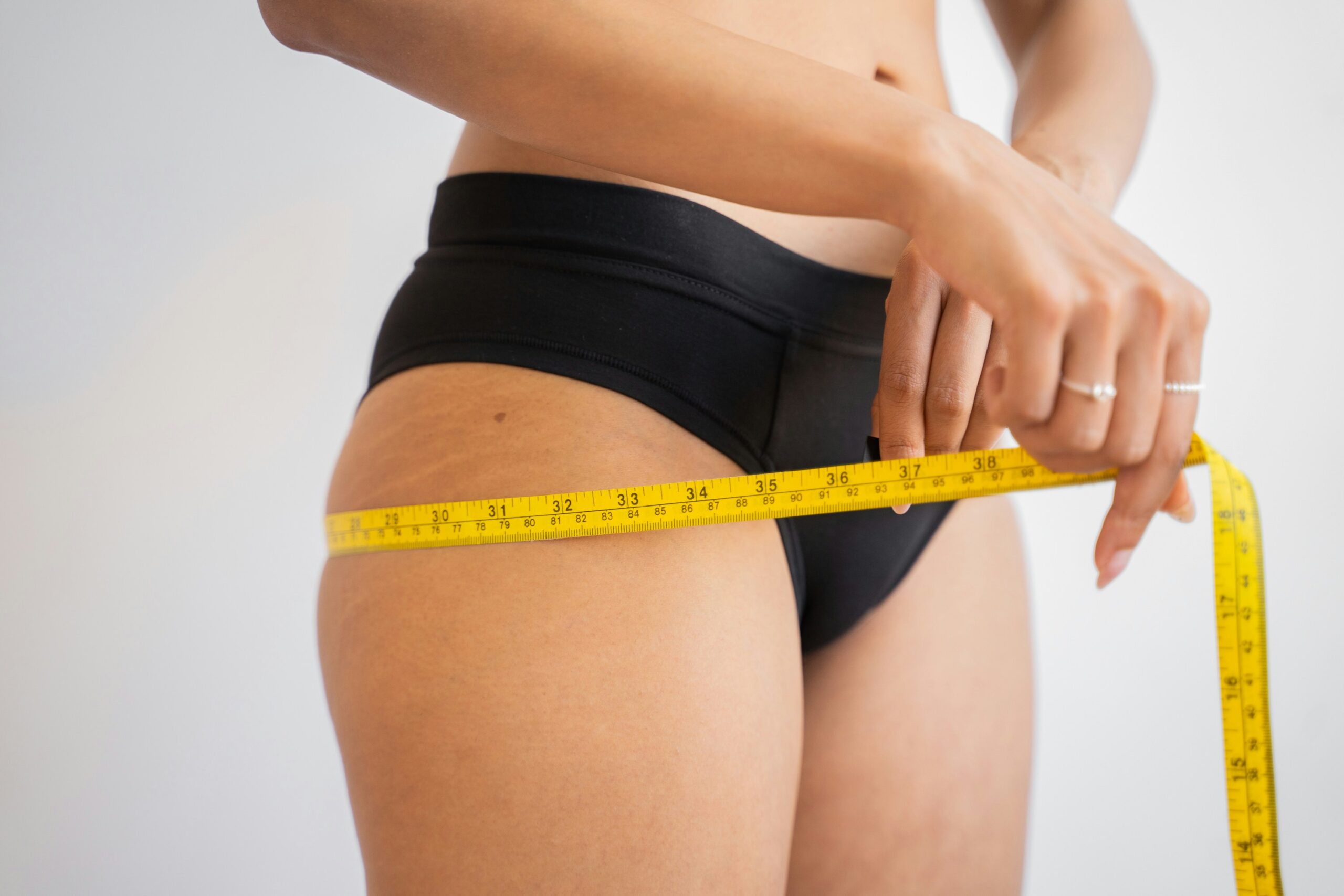
When weight comes off quickly, the structural proteins that once filled and supported skin, primarily collagen and elastin, don’t have adequate time to remodel. Fat pads beneath the skin deflate faster than the overlying tissue can tighten. The face and neck are often the first areas people notice, followed by the abdomen, upper arms, and inner thighs.
According to the American Academy of Dermatology, skin elasticity naturally declines with age, and rapid weight loss can compound that existing reduction. Younger patients in their 30s may see partial natural rebound, while those over 50 often require more targeted interventions to restore firmness and volume.
A 2021 study published in JAMA Dermatology found that significant, sustained weight loss was associated with measurable reductions in skin collagen density and elasticity, effects that were more pronounced in participants over the age of 45. The researchers noted that the rate of weight loss, not just the total amount, may be a contributing factor to the degree of skin laxity observed.
Collagen Loss and Rapid Weight Loss: What the Science Says
Rapid weight loss can deplete dermal collagen and reduce hyaluronic acid levels in the skin, two factors that contribute directly to the sagging and thinning many GLP-1 users report.
Collagen loss from rapid weight loss is not purely cosmetic. Collagen type I and III form the scaffolding of the dermis. When caloric restriction is severe or prolonged, the body may prioritize essential functions over skin repair, slowing fibroblast activity, the cellular process that generates new collagen. Compounding this, GLP-1 medications reduce overall food intake, which can unintentionally limit protein and micronutrient intake critical for skin maintenance unless carefully managed.
According to the National Institutes of Health, adequate dietary protein, at least 0.8 grams per kilogram of body weight daily for general adults, is necessary for tissue repair, and many researchers suggest higher intakes may be beneficial during active weight loss phases to preserve lean mass and support skin structure.
Building an Anti-Aging Routine After Ozempic: Where to Start
An effective anti-aging routine after Ozempic or similar GLP-1 medications typically focuses on stimulating collagen synthesis, improving hydration, and supporting the skin barrier, starting with clinically studied actives rather than premium marketing claims.
Retinoids: The Gold Standard for Skin Firmness After GLP-1 Medications
Prescription tretinoin and over-the-counter retinol remain among the most studied topical ingredients for improving skin firmness and texture. Retinoids work by increasing cell turnover and stimulating fibroblast activity, which may help support collagen production over time. According to the American Academy of Dermatology’s guidance on retinoids, consistent use over several months is typically necessary before visible changes in texture and firmness may be observed. Start at a low concentration, two to three nights per week, and build tolerance before increasing frequency.
Vitamin C Serums and Peptide Complexes
Topical vitamin C, specifically L-ascorbic acid in stable formulations at 10 to 20 percent concentration, may help support collagen synthesis and protect against oxidative damage that accelerates elastin breakdown. Peptides such as palmitoyl pentapeptide-4 and copper peptides have shown promise in smaller studies for signaling fibroblasts to produce more collagen, though the evidence base is not as robust as for retinoids. Use these ingredients as complementary layers rather than replacements.
Hydration and Barrier Support: Hyaluronic Acid and Ceramides
Skin that has lost volume from fat deflation benefits enormously from deep hydration. Hyaluronic acid serums, especially those with multiple molecular weights, may draw moisture into both surface and deeper skin layers, temporarily plumping the appearance of fine lines. Ceramide-rich moisturizers help seal that hydration in and restore a compromised skin barrier, which is common in people who have lost significant weight rapidly. Look for formulas that combine ceramides 1, 3, and 6-II for comprehensive barrier repair.
What Actually Restores Skin Elasticity After Weight Loss?
Restoring skin elasticity after weight loss may require a combination of topical actives, professional in-office treatments, nutritional support, and, in some cases, surgical consultation, since no single product can fully replicate the structural changes of significant volume loss.
In-Office Treatments Worth Knowing About
Radiofrequency devices, ultrasound-based treatments like Ultherapy, and microneedling with radiofrequency (RF microneedling) are among the most evidence-supported in-office options for mild to moderate skin laxity. These technologies work by delivering controlled thermal energy to the dermis, triggering a wound-healing response that may stimulate new collagen and elastin production. Multiple sessions are typically required, and results are gradual over three to six months. According to the American Academy of Dermatology, these procedures are generally more effective for mild to moderate laxity than for severe loose skin following major weight loss.
Nutrition’s Role in Skin Firmness Recovery
Adequate protein intake, vitamin C from whole food sources, zinc, and silicon (found in foods like oats and leafy greens) all contribute to the body’s collagen synthesis pathways. According to the Mayo Clinic’s guidance on healthy skin, a balanced diet rich in antioxidants and adequate hydration supports overall skin health, though it does not reverse structural laxity from major weight loss on its own. Collagen peptide supplements have generated interest, and while some preliminary research suggests they may offer modest benefits for skin hydration and elasticity, evidence quality remains mixed and the FDA has not evaluated these claims.
Comparing Key Approaches to Restore Skin Firmness After GLP-1 Weight Loss
| Approach | Evidence Level | Timeline for Results | Best For | Limitations |
|---|---|---|---|---|
| Prescription Tretinoin | Strong (multiple RCTs) | 3 to 6 months | Fine lines, texture, mild laxity | Requires Rx; initial irritation |
| Topical Vitamin C (L-Ascorbic Acid) | Moderate | 2 to 4 months | Brightness, antioxidant protection | Formulation stability varies widely |
| RF Microneedling | Moderate to Strong | 3 to 6 months post-treatment | Moderate skin laxity, texture | Cost, multiple sessions needed |
| Hyaluronic Acid Fillers | Strong for volume restoration | Immediate, 6 to 18 months duration | Volume loss, “Ozempic face” | In-office only, temporary |
| Collagen Peptide Supplements | Preliminary/Mixed | 8 to 12 weeks | Hydration support, mild elasticity | Evidence not conclusive; varies by product |
| Surgical Body Contouring | Strong for severe laxity | Immediate with recovery period | Significant loose skin post-major loss | Invasive, cost, surgical risks |
According to researchers at the University of Michigan’s Department of Dermatology, the skin’s capacity for collagen remodeling after significant weight loss is influenced by both intrinsic factors such as age and genetics, and extrinsic factors including UV exposure history and smoking. Their published work suggests that interventions combining topical retinoids with energy-based in-office treatments may produce more meaningful improvements in skin architecture than either approach used alone.
Is Skin Sagging After Weight Loss Preventable?
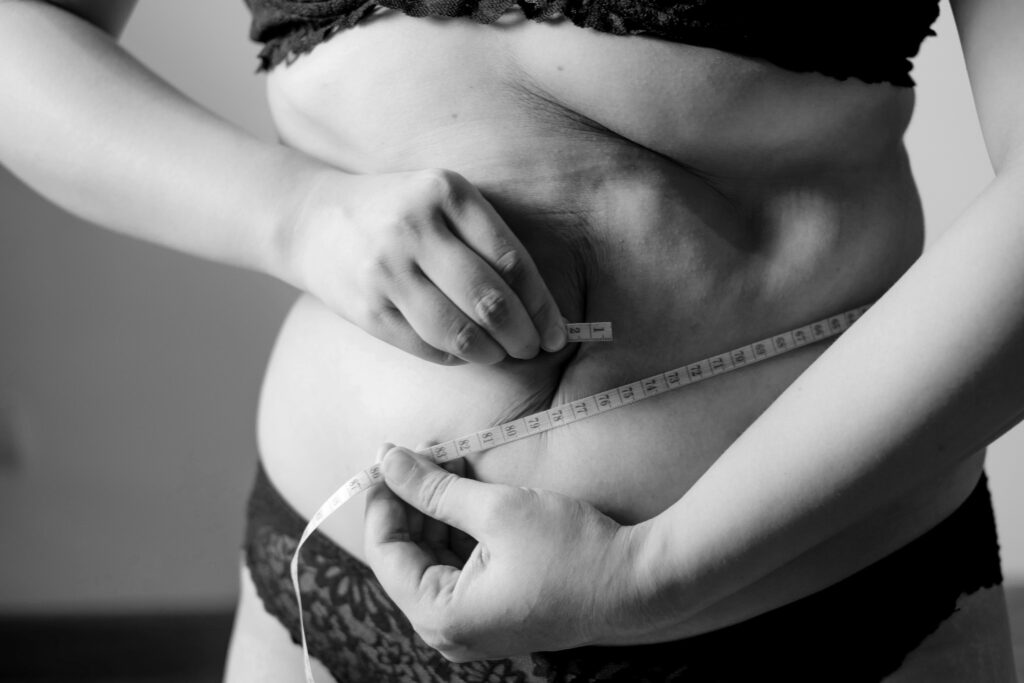
While some degree of skin laxity after rapid GLP-1-assisted weight loss may be unavoidable, especially in older adults, certain proactive measures taken during active weight loss may help minimize the degree of sagging.
Slowing the pace of weight loss where medically appropriate, maintaining adequate protein intake (working with a registered dietitian is advisable), strength training to preserve muscle mass beneath the skin, and beginning a retinoid routine early are all strategies some dermatologists recommend. Sun protection is equally critical: daily SPF 30 or higher use may help prevent UV-driven collagen degradation from compounding the effects of rapid fat loss.
Alternative Perspectives
Some dermatologists and plastic surgeons argue that the focus on topical products and minimally invasive treatments sets unrealistic expectations for patients who have lost 50 pounds or more rapidly. Their view holds that for significant skin laxity, surgical body contouring procedures, such as a lower body lift, arm lift, or face and neck lift, remain the only truly effective solution and that delaying this conversation does patients a disservice. On the other side, many skincare specialists and integrative practitioners emphasize that the majority of GLP-1 users experience mild to moderate laxity that responds well to consistent non-surgical care, and that surgery carries real risks that should be reserved for cases where quality of life is meaningfully affected. Both perspectives have merit, and the right path depends heavily on the individual’s degree of weight loss, age, skin quality, and personal goals.
Frequently Asked Questions
There is no fixed timeline, and results vary considerably based on age, total weight lost, rate of loss, and baseline skin quality. Some individuals notice gradual improvement over 6 to 12 months as the body’s natural collagen remodeling process continues. Older adults and those with greater degrees of loss may see less spontaneous tightening and may benefit from professional interventions. Consistency with topical actives and sun protection throughout this period may support the process.
Some research suggests that hydrolyzed collagen peptide supplements may modestly improve skin hydration and elasticity markers in certain study populations, but the evidence is preliminary and not conclusive. The FDA has not approved any collagen supplement for treating skin laxity. If you choose to try them, look for products containing 5 to 10 grams of hydrolyzed collagen peptides per serving, paired with vitamin C to support absorption pathways, and maintain realistic expectations. Results may vary.
A routine that may help includes a gentle cleanser, a stable vitamin C serum in the morning paired with SPF 30 or higher, and a retinoid (tretinoin by prescription or retinol over the counter) at night a few times per week, followed by a ceramide-rich moisturizer. Consistent hydration, adequate protein intake, and strength training complement topical care. A board-certified dermatologist can personalize this based on your specific skin type and concerns.
The volume loss sometimes called “Ozempic face” is not necessarily permanent. For some individuals, stopping or reducing the GLP-1 medication leads to partial restoration of facial fat. For others, especially those who have maintained their lower weight long-term, the change may persist. Injectable hyaluronic acid fillers, biostimulatory injectables like poly-L-lactic acid, and fat grafting are among the in-office options a qualified provider may discuss with you. According to the American Academy of Dermatology, results from these treatments vary and a personalized consultation is the best first step.
Disclaimer: This article is intended for informational and educational purposes only and does not constitute medical advice, diagnosis, or treatment. Individual results from skincare products, supplements, lifestyle changes, or cosmetic procedures may vary significantly based on age, genetics, medical history, degree of weight loss, skin quality, and overall health. GLP-1 medications, including semaglutide and tirzepatide, should only be used under the supervision of a qualified healthcare provider. Always consult a board-certified dermatologist, licensed medical professional, or qualified cosmetic specialist before beginning new skincare treatments, supplements, injectable procedures, or surgical interventions. References to products, ingredients, or procedures do not constitute endorsements, and the FDA has not approved most cosmetic products or supplements for treating skin laxity after weight loss.