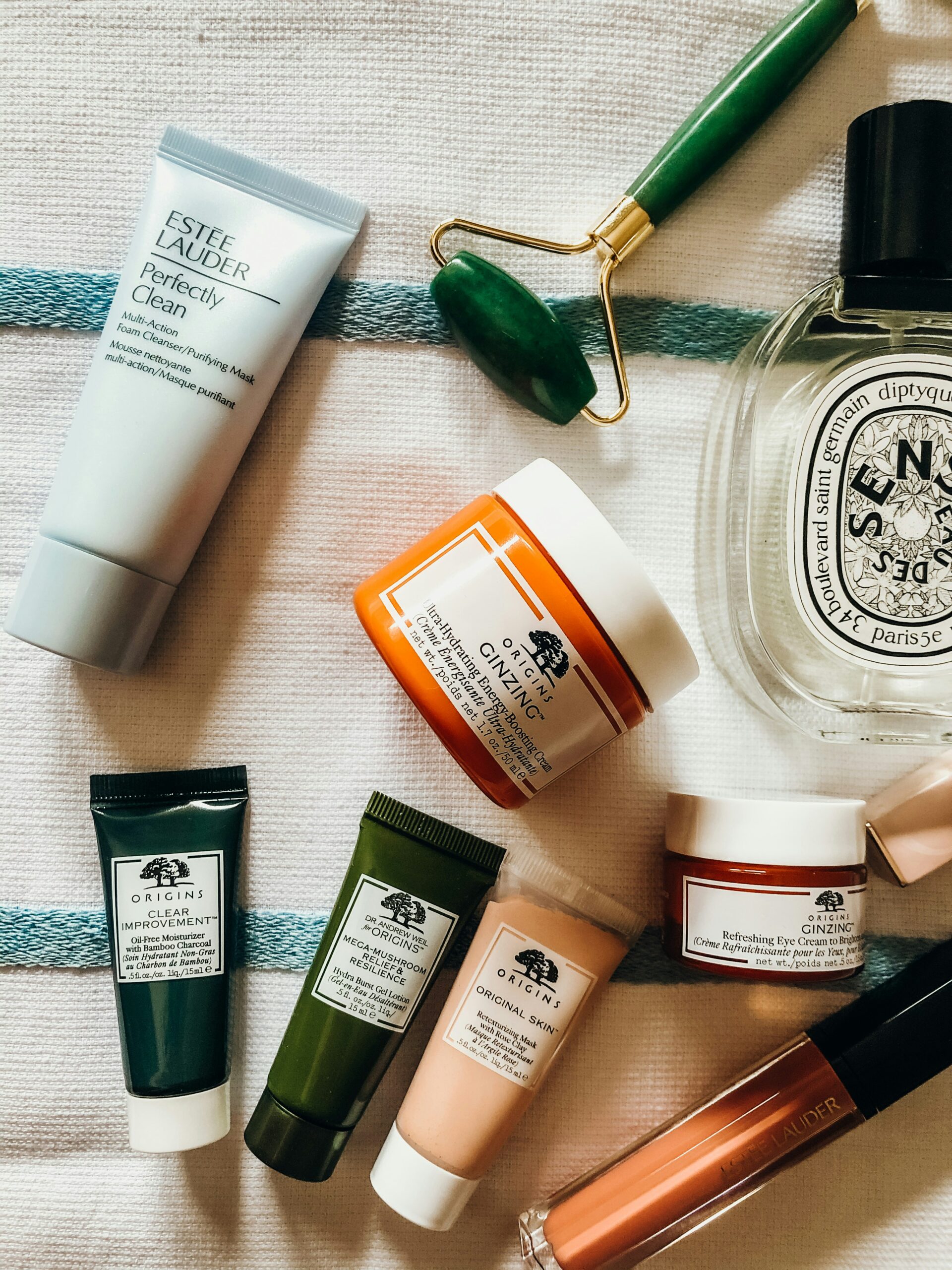
Roughly 1 in 8 American adults has now used a GLP-1 medication, according to a 2024 KFF Health Tracking Poll, and dermatologists are seeing a ripple effect in their clinics: patients arriving with noticeably looser skin, hollowed cheeks, and a phenomenon the internet has bluntly dubbed “Ozempic face.” The weight loss itself is real and often medically meaningful, but skin, which is not infinitely elastic, can struggle to keep pace when pounds come off quickly. Understanding why this happens, and what you can realistically do about it, is now a genuine priority in anti-aging skin care.
The core issue is collagen. Collagen is the structural protein that gives skin its firmness and bounce. Rapid weight loss reduces the mechanical stretch on the skin without giving collagen fibers time to remodel and contract. GLP-1 medications accelerate this problem because they can cause fat loss in the face faster than anywhere else, according to several board-certified dermatologists who have commented publicly on the trend. Fat pads beneath the skin, particularly in the midface and temples, act as scaffolding. When that scaffolding deflates quickly, surface skin can sag.
The good news is that skin care science has developed a credible toolkit for supporting collagen synthesis, improving skin density, and mitigating laxity. None of it works overnight, and results will genuinely vary depending on age, genetics, pace of weight loss, and how consistent you are. What follows is a grounded, ingredient-specific look at what the evidence actually supports, alongside honest notes about what remains marketing. For more Beauty articles on evidence-based skin care, WideJournal covers this niche extensively.
Key Takeaways
- GLP-1 medications like semaglutide (Ozempic, Wegovy) can accelerate facial fat loss, reducing the subcutaneous scaffolding that keeps skin looking full, a process that may progress faster than collagen can naturally remodel.
- Topical retinoids (retinol, retinyl palmitate, tretinoin) are among the best-studied ingredients for stimulating collagen synthesis in aging skin, with peer-reviewed support going back decades.
- Adequate dietary protein, typically 1.2 to 1.6 grams per kilogram of body weight per day, may help preserve lean mass and support the amino acid supply needed for collagen production during caloric restriction.
- Professional interventions such as radiofrequency microneedling, ultrasound therapy (Ultherapy), and biostimulator injectables (e.g., poly-L-lactic acid) have more clinical evidence for skin tightening than any over-the-counter topical, though they come with cost and recovery considerations.
- Skin laxity from rapid weight loss is not guaranteed to be permanent. Slower rates of loss, consistent collagen-supporting skin care, and sun protection may all influence the degree of sagging that develops.
What GLP-1 Drugs Actually Do to Your Skin
GLP-1 receptor agonists drive weight loss partly by suppressing appetite, which can lead to faster fat depletion in areas like the face than the skin’s collagen network can accommodate, contributing to laxity and volume loss.
Semaglutide, the active ingredient in both Ozempic and Wegovy, is FDA-approved for type 2 diabetes management and chronic weight management respectively. Its mechanism involves slowing gastric emptying and reducing appetite signaling in the brain. The resulting caloric deficit can produce significant weight loss, sometimes 15 to 20 percent of total body weight, over the course of months.
Why the Face Shows Changes First
Facial fat is stored in discrete anatomical compartments, including the buccal fat pad, malar fat pad, and periorbital fat. These compartments are not the same tissue that surrounds organs, but they are responsive to caloric changes. Some clinicians note that patients on GLP-1 medications appear to lose facial volume disproportionately compared to other body areas, though controlled imaging studies are still limited. This matters for skin care because you cannot topically replace lost fat volume; you can only address the surface consequences.
The Collagen Connection
Collagen type I and type III make up the primary structural matrix of the dermis. A 2005 study published in the Archives of Dermatology found that collagen density decreases measurably with both intrinsic aging and extrinsic stressors. Rapid mechanical unloading of skin (the reduced tension when fat volume drops quickly) may impair the normal mechanotransduction signals that keep fibroblasts actively producing collagen. In practical terms, skin that was previously stretched by fat no longer gets the signal to maintain its collagen output at the same rate.
Which Topical Ingredients May Actually Help?
Retinoids, peptides, and vitamin C are the topical ingredients with the strongest evidence base for supporting collagen synthesis in skin experiencing laxity, though none will replicate the effects of professional procedures.
Retinoids: The Most Studied Collagen Stimulators
Retinoids remain the gold standard for topical collagen support. The over-the-counter form, retinol (retinyl palmitate is a milder ester precursor), must be converted in the skin to retinoic acid before it is biologically active. Prescription tretinoin skips that conversion, making it more potent and faster-acting, though also more likely to cause initial irritation. According to the American Academy of Dermatology, retinoids are among the few topical ingredients with robust clinical evidence for reducing fine lines and improving skin texture. For ozempic face skin care, a retinoid used consistently, three to five nights per week, may support fibroblast activity and gradual improvement in skin density over several months. Start at 0.025 to 0.05% retinol if you are new to the ingredient, and increase slowly to minimize peeling.
Vitamin C (Ascorbic Acid): Collagen Synthesis Co-Factor
Ascorbic acid is a required co-factor in the hydroxylation of proline and lysine, two amino acids essential for stable collagen formation. Without adequate vitamin C, newly synthesized collagen fibers are structurally weaker. Topically, L-ascorbic acid (vitamin C / ascorbic acid) in concentrations between 10 and 20 percent has shown the best absorption data, though it is notoriously unstable and degrades quickly on exposure to air and light. Look for formulations in opaque or airtight packaging. Vitamin C also offers antioxidant protection against UV-induced collagen breakdown, which matters because sun exposure remains one of the primary accelerators of skin laxity.
Peptides: Signaling Molecules with Modest Evidence
Peptides such as palmitoyl tripeptide-1 and palmitoyl tetrapeptide-7 are marketed heavily in collagen-support products. The evidence is more limited than for retinoids. Small industry-funded studies suggest some peptides may signal fibroblasts to increase collagen production, but independent large-scale trials are sparse. Peptides are unlikely to cause harm and may offer modest benefit as supporting ingredients in a collagen routine after weight loss, but they should not be treated as a standalone solution.
Niacinamide (Vitamin B3): Barrier and Elasticity Support
Niacinamide at 4 to 5 percent concentration has shown evidence for improving skin elasticity and reducing transepidermal water loss, according to research published in peer-reviewed dermatology journals. For skin undergoing structural changes after rapid weight loss, maintaining a healthy barrier reduces the oxidative stress that further degrades collagen. It also pairs well with retinoids, helping buffer the irritation that retinoids can cause in sensitive or newly lax skin.

How Does Diet Affect Skin After GLP-1 Weight Loss?
Dietary protein and micronutrient intake during GLP-1-assisted weight loss may influence how well the skin maintains structural integrity, since amino acids and cofactors like vitamin C and zinc are needed for collagen synthesis.
GLP-1 medications suppress appetite substantially, which can lead to unintentional protein deficiency if caloric intake drops without careful nutritional planning. According to guidance from the Academy of Nutrition and Dietetics (eatright.org), protein needs during weight loss for older adults may be higher than the standard RDA, with many clinicians recommending 1.2 to 1.6 grams per kilogram of body weight daily to preserve lean mass. Lean mass preservation matters for skin because skeletal muscle beneath the skin also contributes to the “filled out” appearance that resists sagging.
Zinc, found in foods like pumpkin seeds, beef, and shellfish, is a cofactor in collagen cross-linking. Vitamin C from whole food sources supports the same pathway. If appetite suppression is severe, a registered dietitian can help design a high-protein eating pattern that fits within the reduced caloric intake that GLP-1 medications produce. This is not a cosmetic luxury; it is a clinically meaningful consideration for anyone navigating how to tighten skin after rapid weight loss.
Comparison: Topical Products vs. Professional Treatments for Skin Tightening
| Intervention | Mechanism | Evidence Level | Average Cost (USD) | Realistic Timeline | Key Limitation |
|---|---|---|---|---|---|
| Topical Retinoid (OTC retinol) | Stimulates fibroblast collagen production | Strong (multiple RCTs) | $20 to $80/month | 3 to 6 months for visible improvement | Cannot replace lost volume; irritation common initially |
| Prescription Tretinoin | Direct retinoic acid receptor activation | Very Strong (decades of data) | $10 to $50/month (with Rx) | 2 to 4 months for texture improvement | Requires dermatologist prescription; photosensitizing |
| Radiofrequency Microneedling (e.g., Morpheus8) | Thermal injury triggers neocollagenesis | Moderate (clinical studies, smaller sample sizes) | $800 to $2,000/session | 3 to 6 months post-treatment | Multiple sessions often needed; downtime 3 to 5 days |
| Focused Ultrasound (Ultherapy) | Targets SMAS layer; stimulates collagen at depth | Moderate (FDA-cleared for brow and chin lift) | $1,500 to $5,000 per treatment | 3 to 6 months for full results | Painful for some patients; variable results |
| Poly-L-Lactic Acid (Sculptra) | Biostimulator: triggers collagen production over time | Moderate (FDA-approved for facial lipoatrophy) | $800 to $1,500/vial, multiple vials needed | 3 to 6 months for full effect | Not a filler; results gradual, requires trained injector |
| Topical Peptides | Signal fibroblasts to produce collagen | Weak to Moderate (mainly industry-funded studies) | $30 to $150/month | 3 to 6 months (modest, variable results) | Limited independent clinical trial data |
What Are the Limitations of Skin Tightening Approaches?
No topical product or even professional treatment can fully reverse significant skin laxity from major weight loss, particularly in older patients or those who lost weight very rapidly, which is an important expectation-setting fact.
This is where honest editorial perspective matters. The skin care industry markets aggressively to people experiencing GLP-1 skin sagging, and some of that marketing significantly overstates what topical products can do. A serum cannot reconstruct lost facial fat compartments. A device treatment can tighten existing collagen and trigger new production, but it cannot replace volume. For patients who have lost more than 50 to 100 pounds, or who were older when weight loss occurred (skin elasticity declines measurably after age 40), surgical consultation with a board-certified plastic surgeon may be the only intervention that produces meaningful tightening of significantly lax body or facial skin.
Pacing also matters enormously. Skin care professionals consistently note that slower, sustained weight loss gives skin more time to remodel than rapid loss does. GLP-1 medications can produce fast results, but a conversation with both your prescribing physician and a dermatologist before significant weight loss occurs, not after, gives you the best opportunity to build a preventive strategy.
Alternative Perspectives
The “wait and see” case: Some dermatologists argue that for patients still losing weight or who finished losing weight recently, launching aggressive collagen treatments prematurely may not be cost-effective. Skin continues to remodel for 12 to 24 months after weight stabilizes. Waiting until weight has been stable for six or more months before investing in professional treatments may yield better assessment of what skin laxity is truly permanent versus what will resolve naturally.
The surgical perspective: Plastic surgeons specializing in post-bariatric and post-GLP-1 body contouring note that topical and device-based skin tightening has a ceiling effect. For patients with moderate to severe laxity in the lower face, neck, arms, or abdomen, surgical removal of redundant skin, procedures like lower face lifts, brachioplasty, or panniculectomy, may produce results that no non-surgical intervention can realistically match. This is not a criticism of skin care; it is a factual acknowledgment of anatomical limits.
The nutrition-first argument: Registered dietitians working with GLP-1 patients argue that optimizing protein intake and micronutrient status from the beginning of treatment, rather than adding topicals reactively, is the most underused prevention strategy. Internal collagen support through diet may be as important as any topical applied afterward.
According to a 2019 study published in the Journal of Drugs in Dermatology, participants who used topical retinol 0.1% for 12 weeks showed statistically significant improvements in skin elasticity and collagen density compared to placebo controls, with the authors noting that consistent use over at least three months appeared necessary before measurable dermal changes were observed.The NIH National Institute on Aging states that skin naturally loses roughly 1 percent of its collagen content per year after age 30, a rate that may accelerate with UV exposure, smoking, and nutritional deficits, making external stressors like rapid weight loss additive to an already ongoing process of dermal thinning.
Disclaimer: This content is for informational purposes only and does not replace professional medical or dermatological advice. Consult a board-certified dermatologist or your healthcare provider to design a safe, personalized skincare and lifestyle routine during or after GLP-1 medication use. Individual results from treatments and products will vary.
Frequently Asked Questions
How long does it take for skin to tighten after stopping or starting Ozempic?
There is no universal timeline. Skin remodeling is an ongoing biological process that continues for up to 12 to 24 months after weight stabilizes. Younger patients with higher baseline skin elasticity may see more natural improvement than older patients. Consistent use of collagen-supporting topicals and sun protection during this window may help, though the degree of natural recovery varies considerably by individual. Results may vary.
Can collagen supplements help with GLP-1 skin sagging?
Hydrolyzed collagen peptide supplements have shown some promising signals in small studies, with a 2019 review in the Journal of Drugs in Dermatology suggesting they may support skin hydration and elasticity. However, evidence remains preliminary and sample sizes are generally small. They are not a substitute for dietary protein from whole food sources, and they cannot replace lost facial fat volume. Some users report modest improvements in skin texture after consistent use over several months, but expectations should be realistic.
Is “Ozempic face” permanent?
Not necessarily. Volume loss and some laxity may improve naturally as skin remodels after weight stabilizes, particularly in younger patients. However, significant laxity in older patients or those who lost weight very rapidly is less likely to fully self-correct without intervention. Professional treatments such as radiofrequency microneedling, biostimulators, or surgery may be appropriate for moderate to severe cases. A board-certified dermatologist can help assess your specific situation.
What is the best daily skin care routine for ozempic face skin care?
A practical daily routine might include a gentle, non-stripping cleanser, a morning vitamin C serum (L-ascorbic acid, 10 to 15%), a broad-spectrum SPF 30 or higher sunscreen (non-negotiable, as UV exposure accelerates collagen breakdown), and a nightly retinoid starting at a low concentration (0.025 to 0.05% retinol) used three to four times per week, increasing gradually. A niacinamide moisturizer can be layered in to support barrier function. Consistency over months, not days, is what the evidence supports. Results may vary.